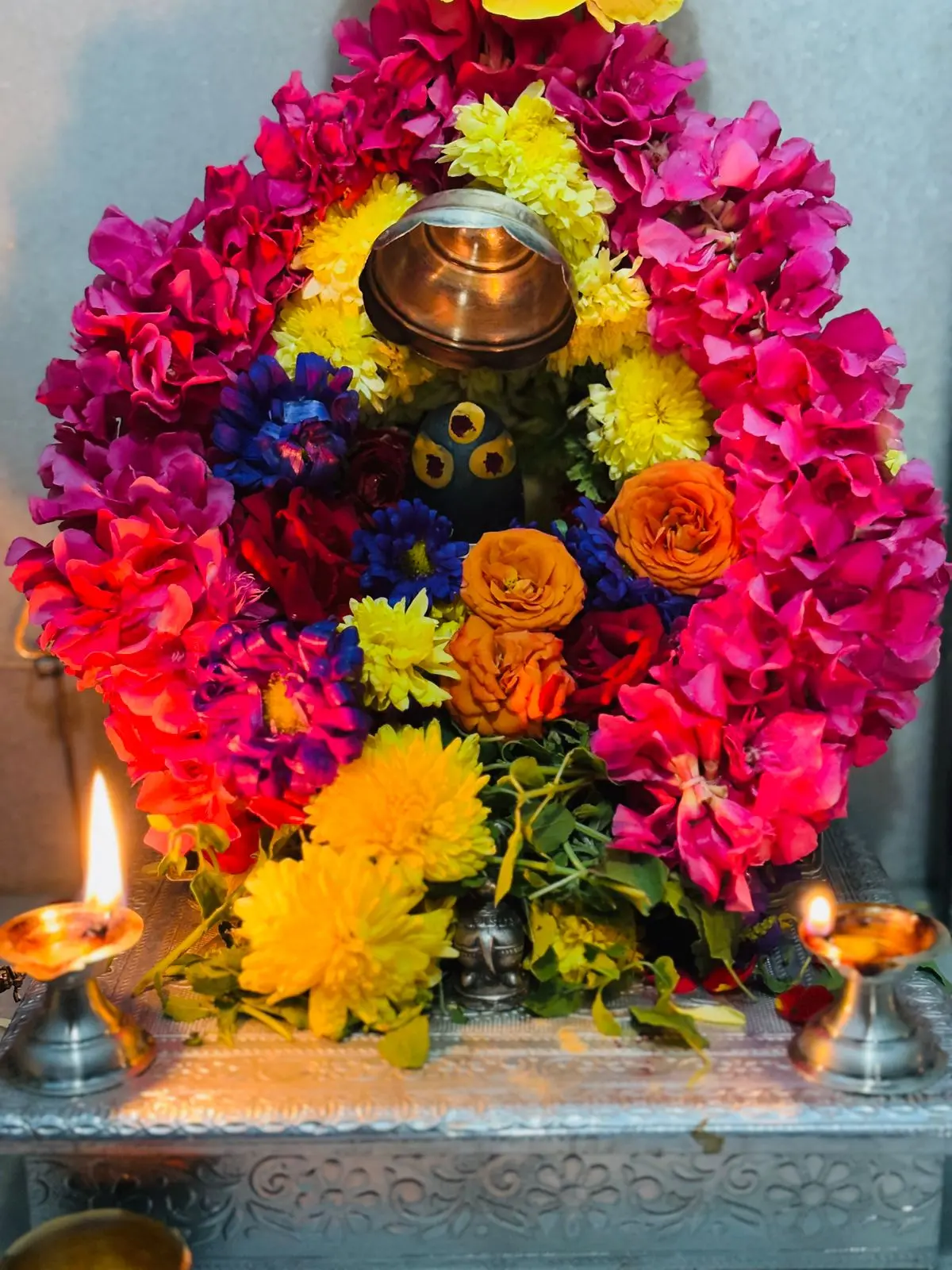
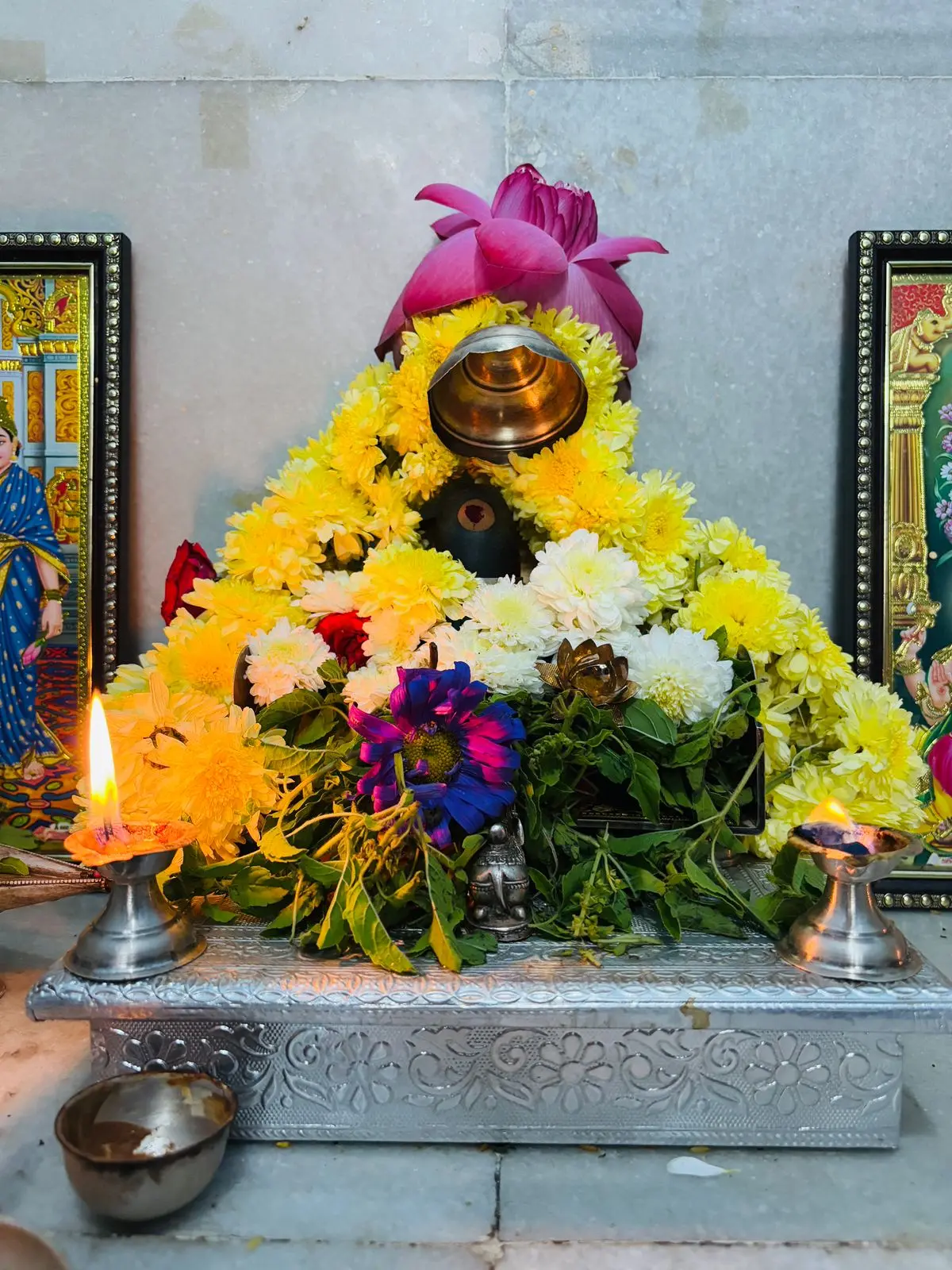
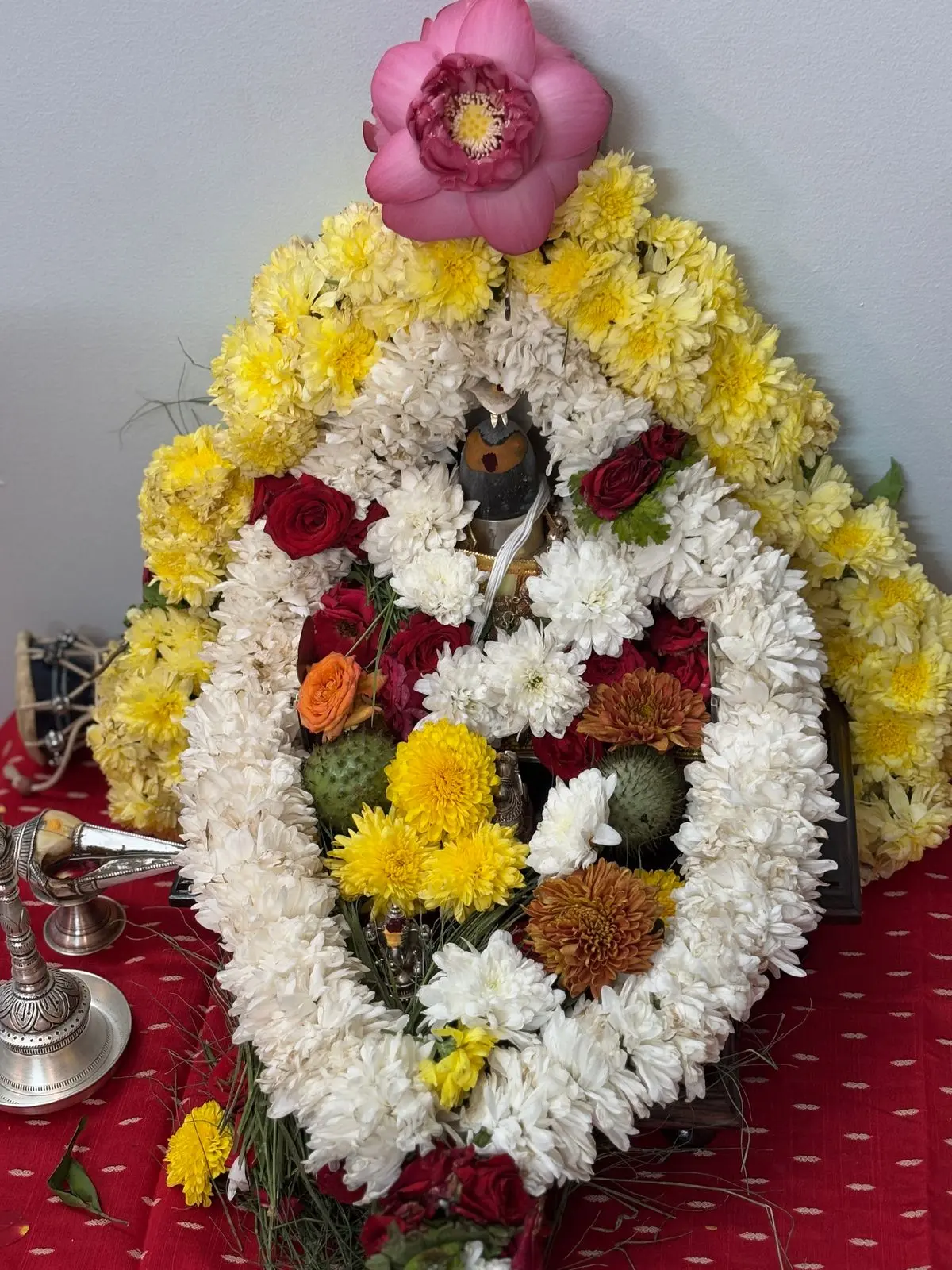
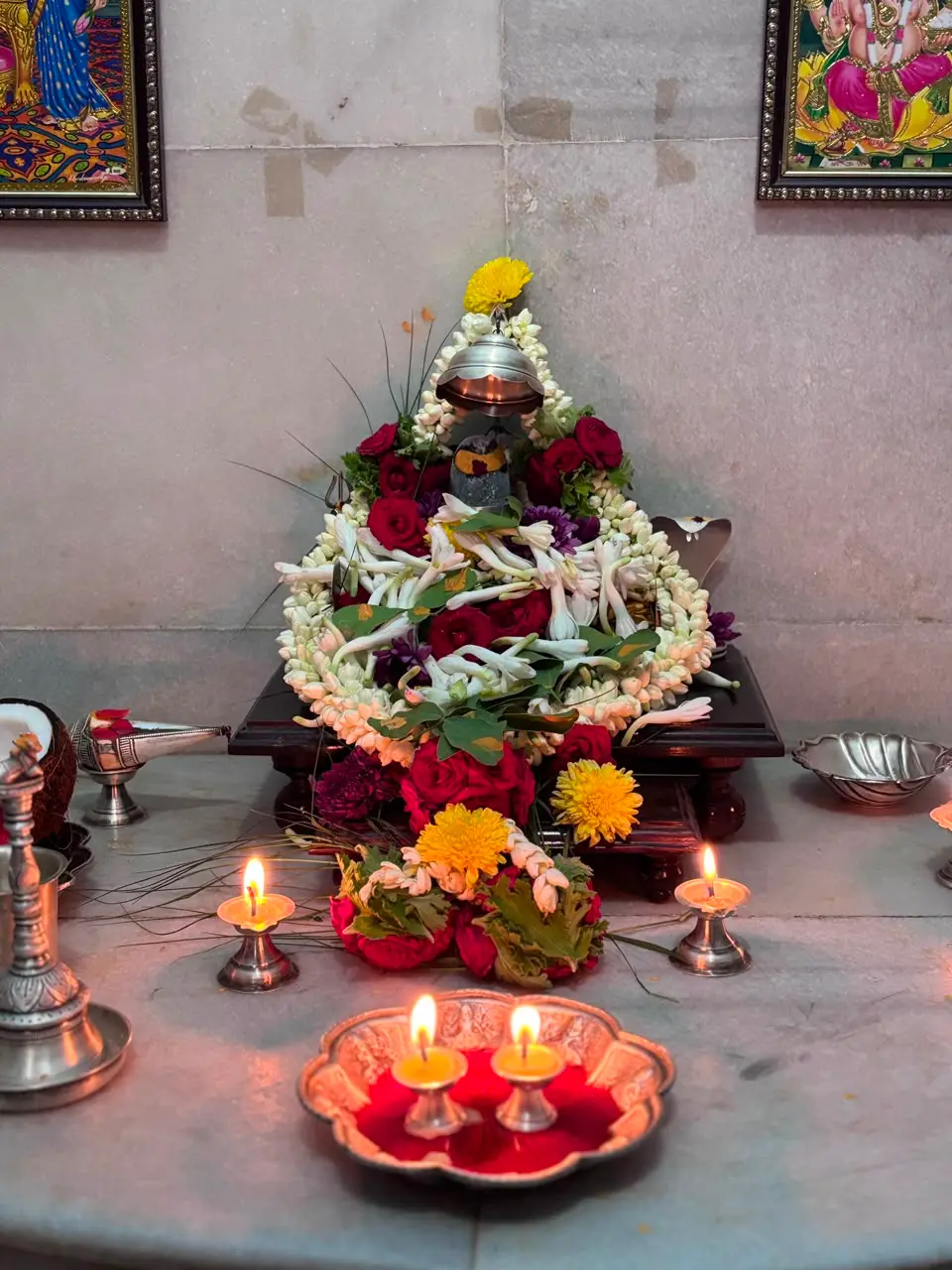
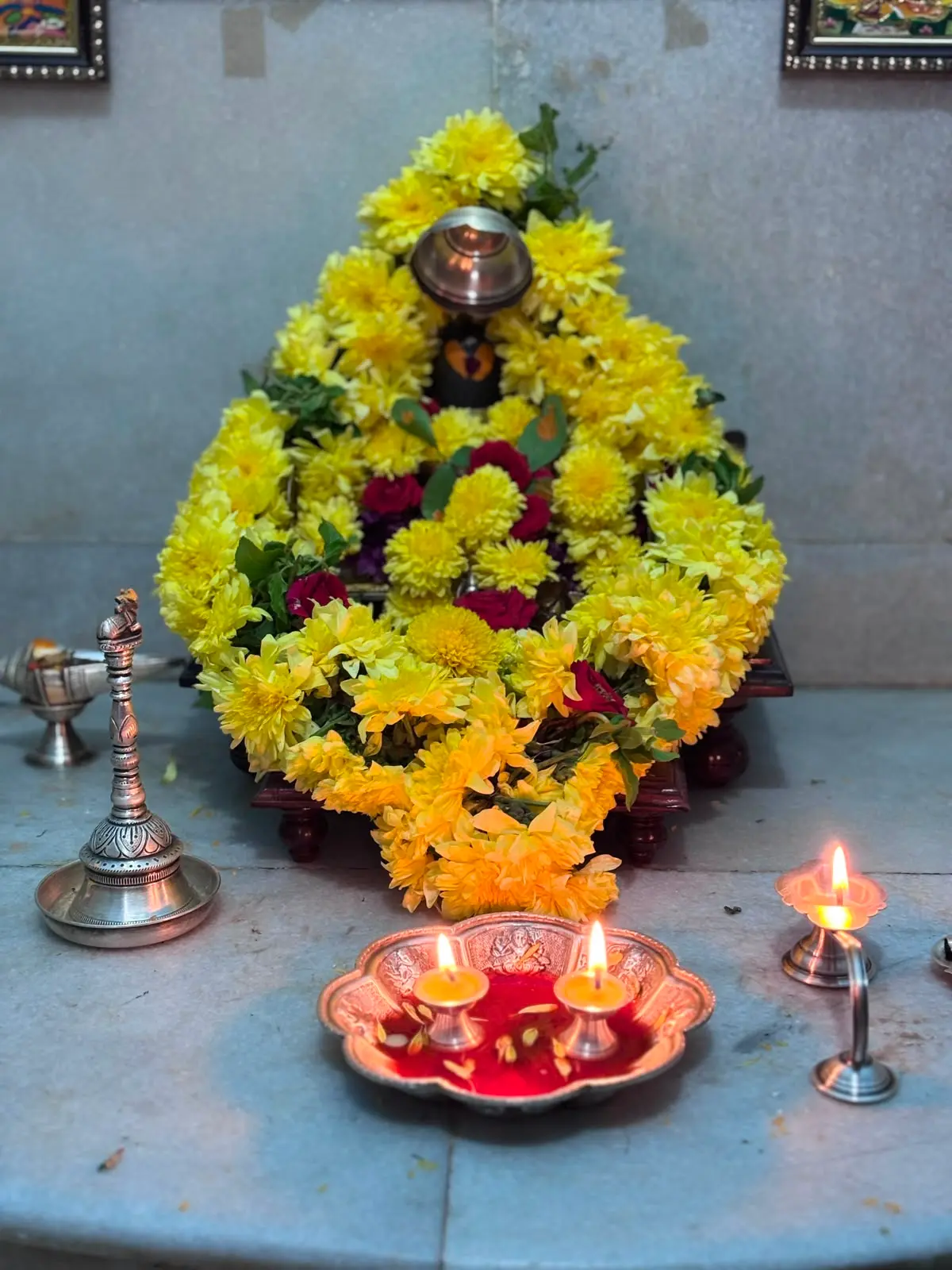
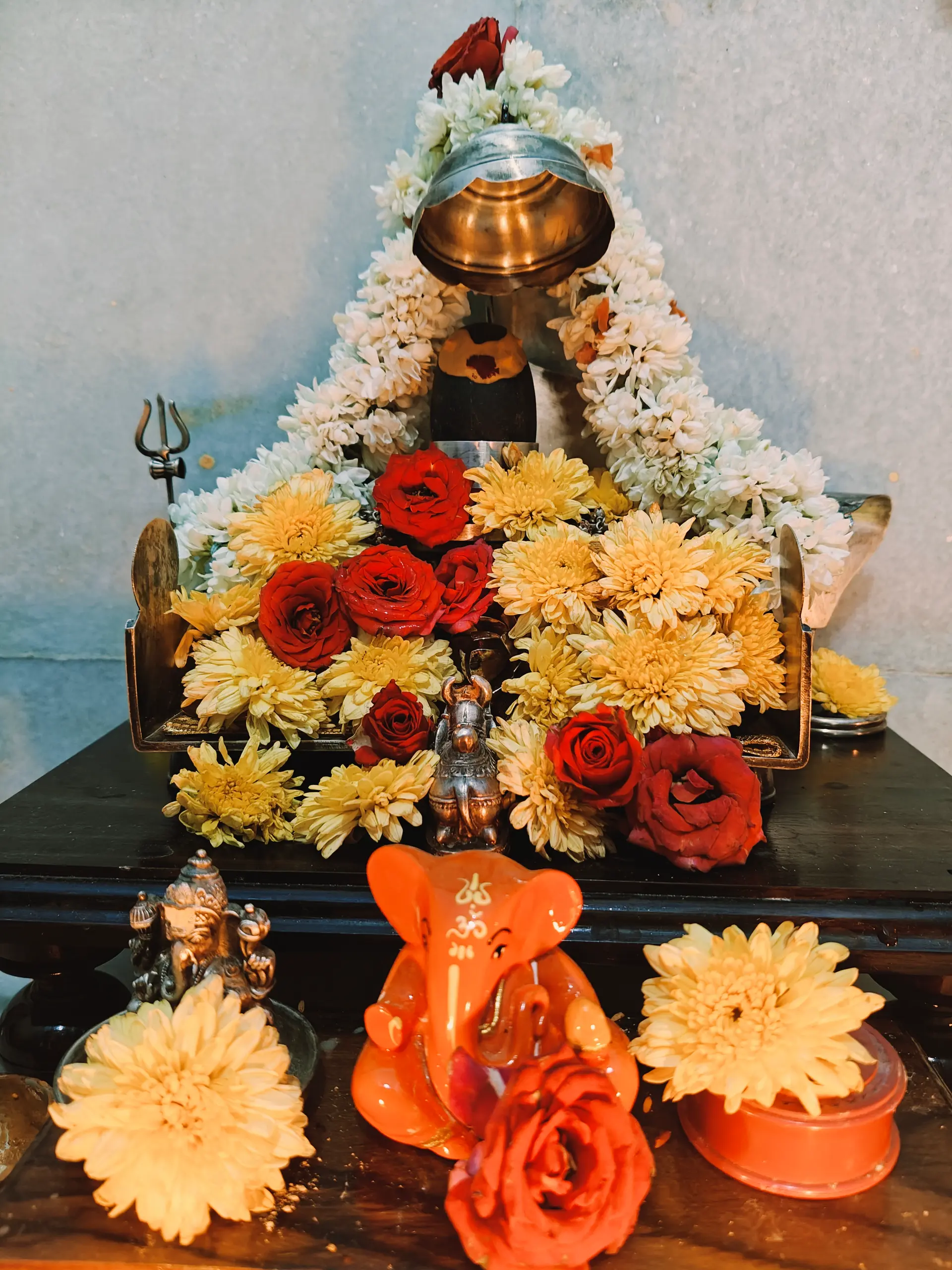
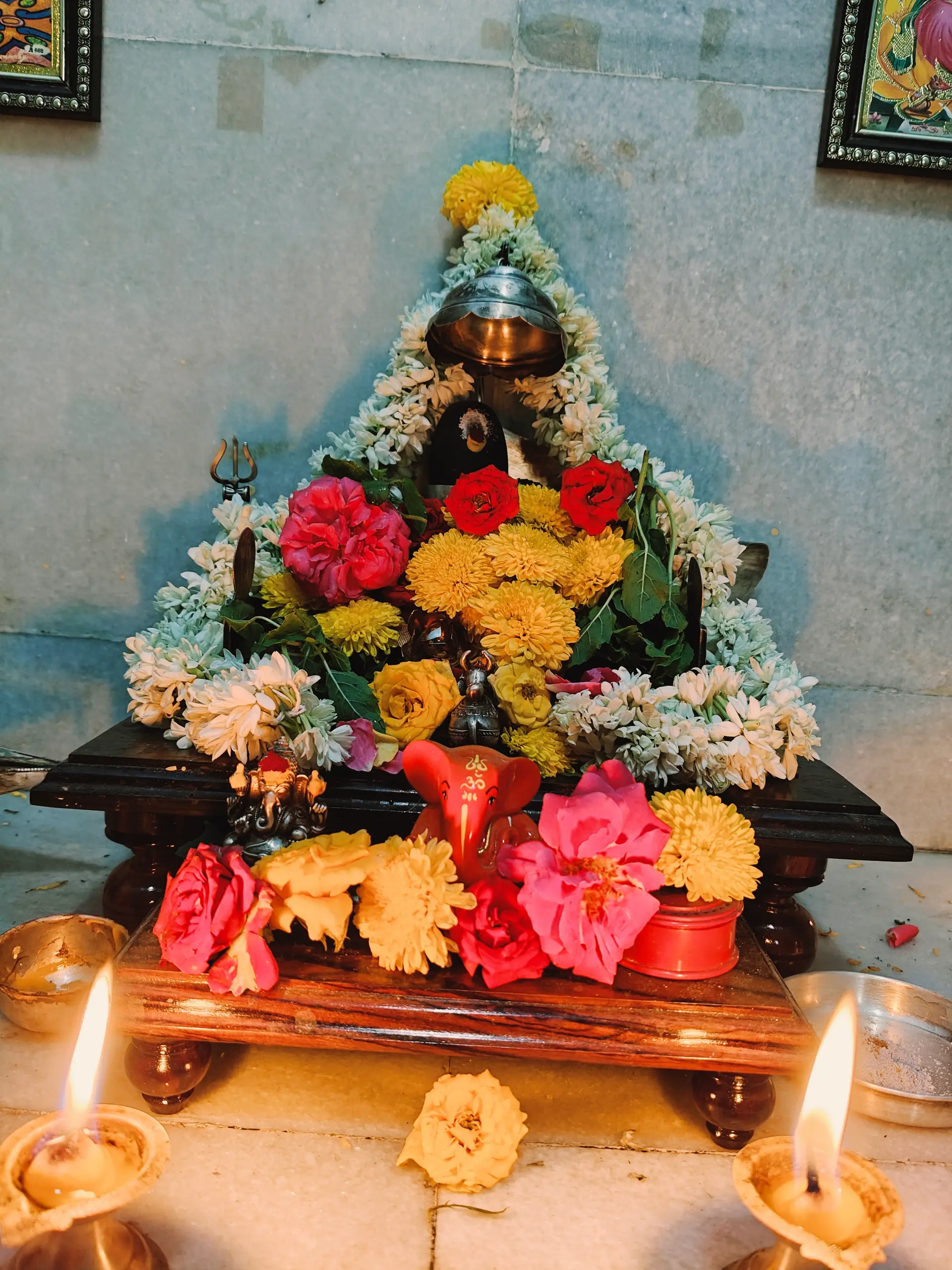
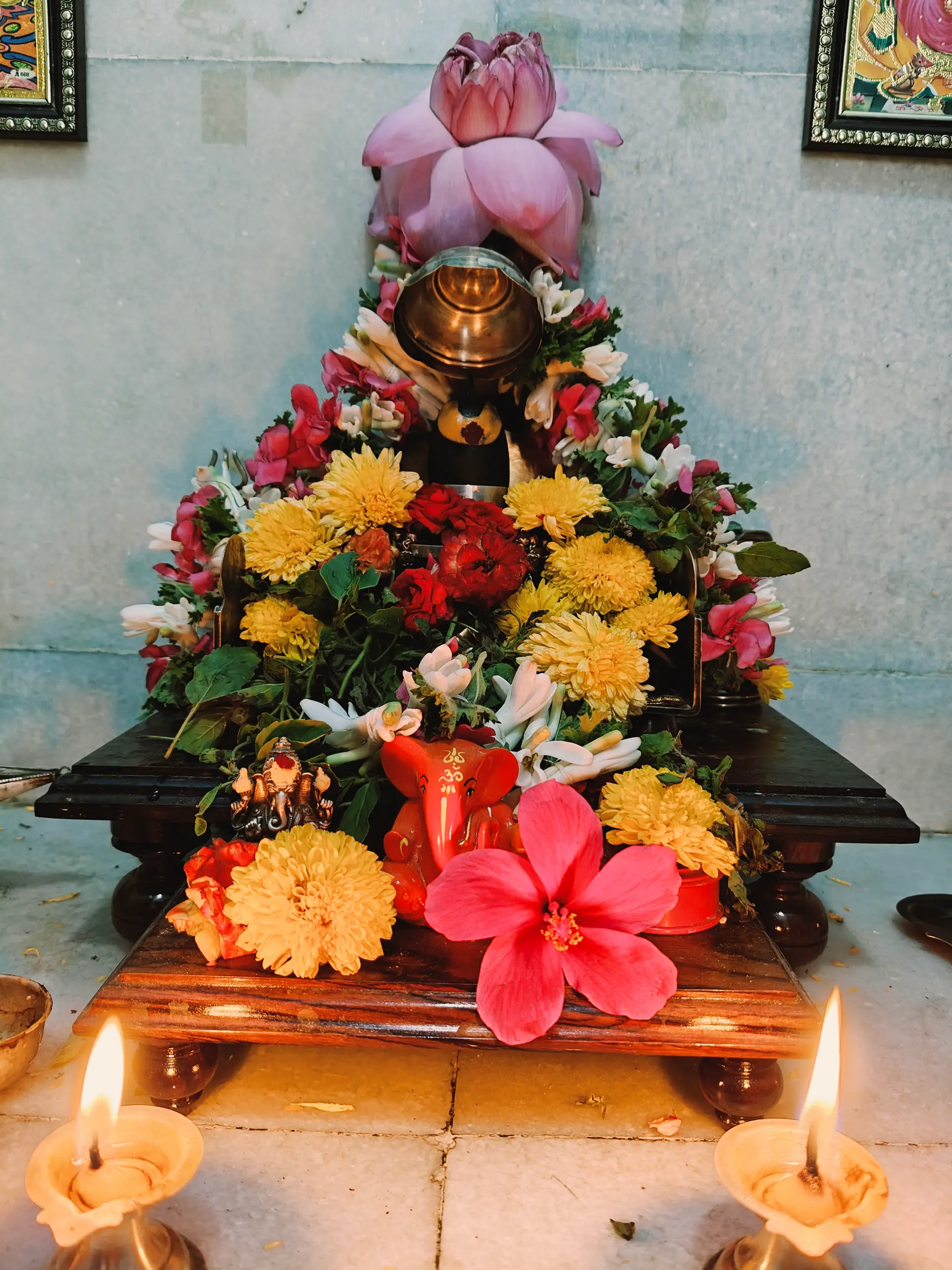
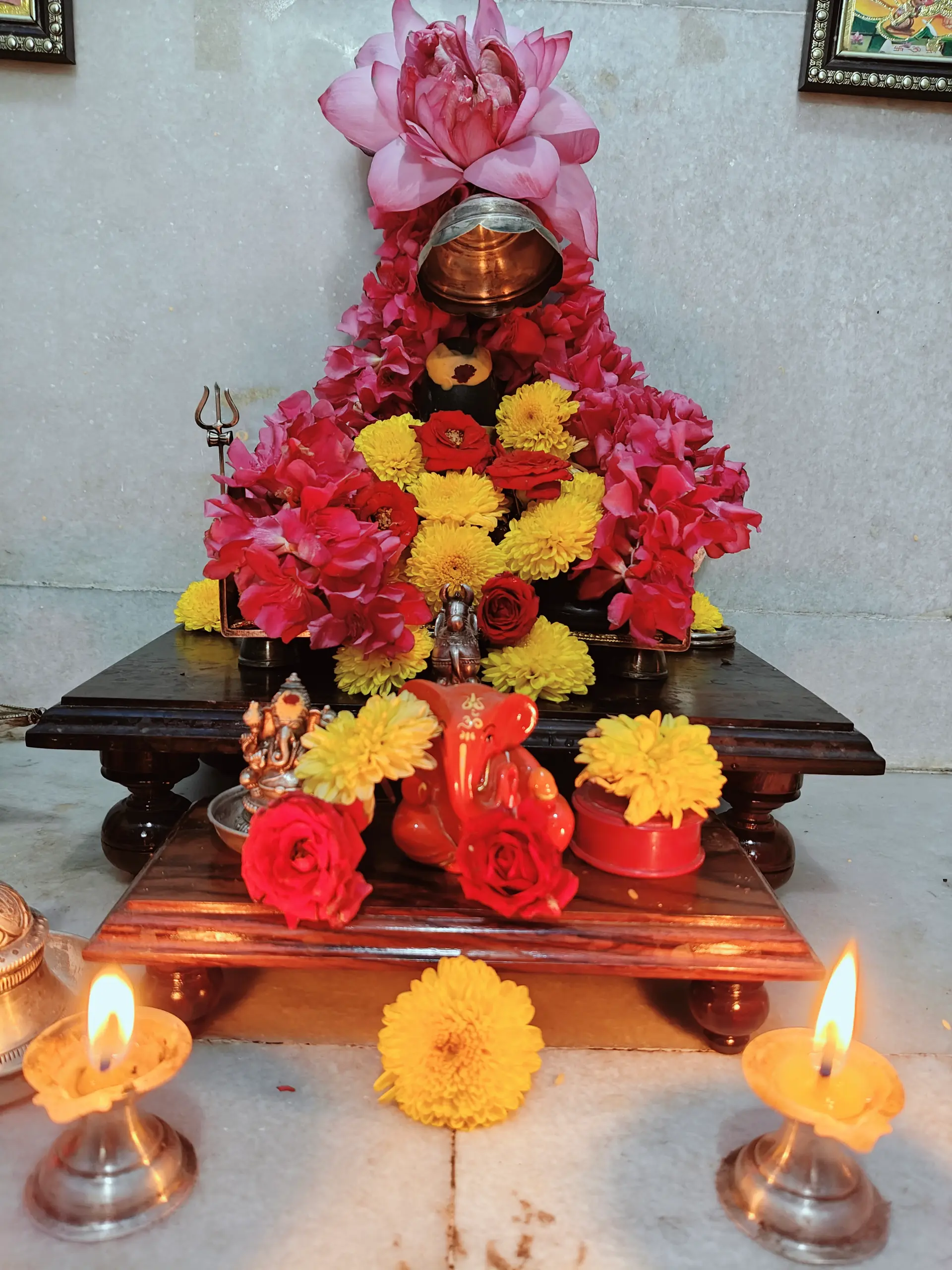
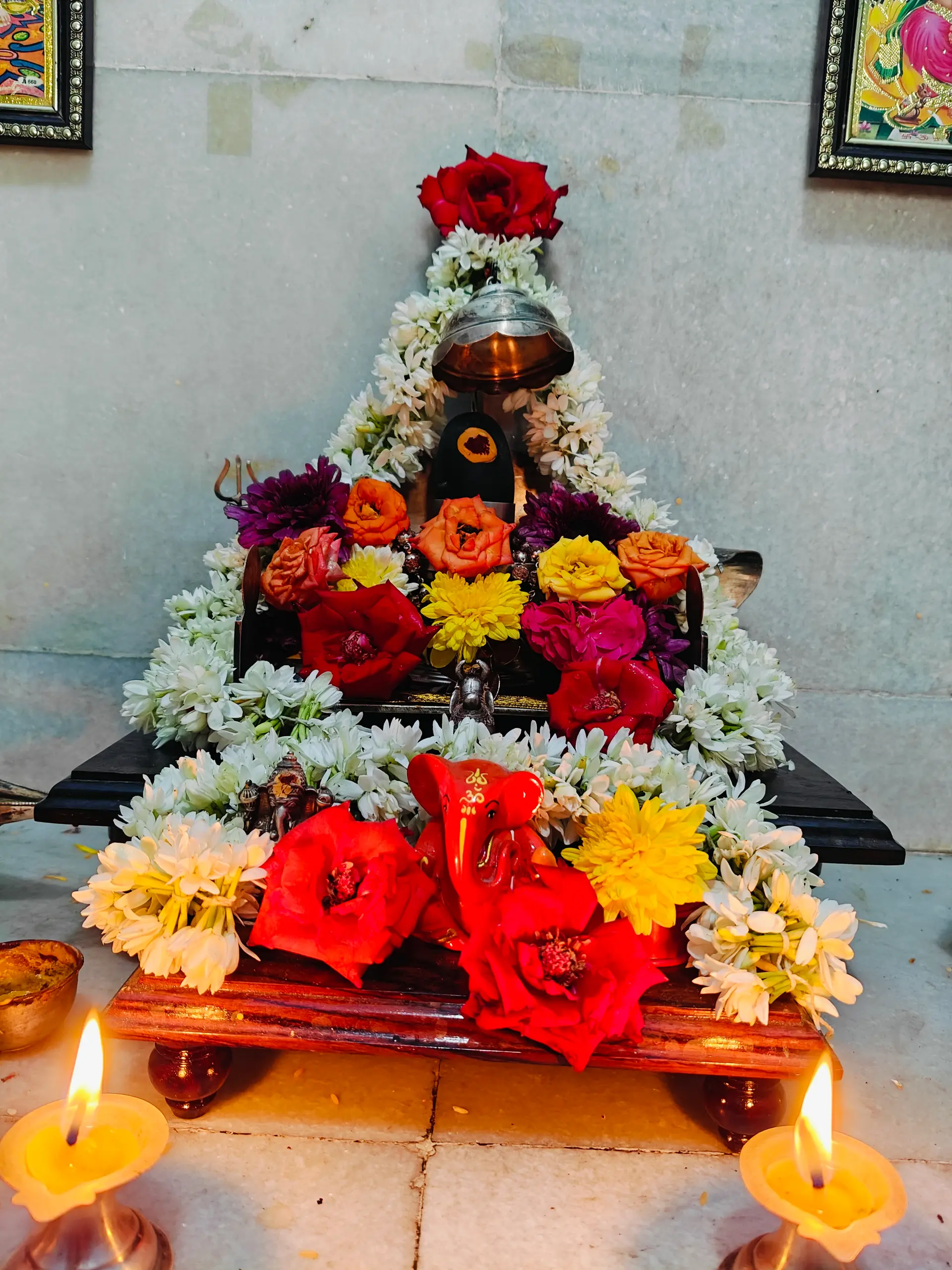
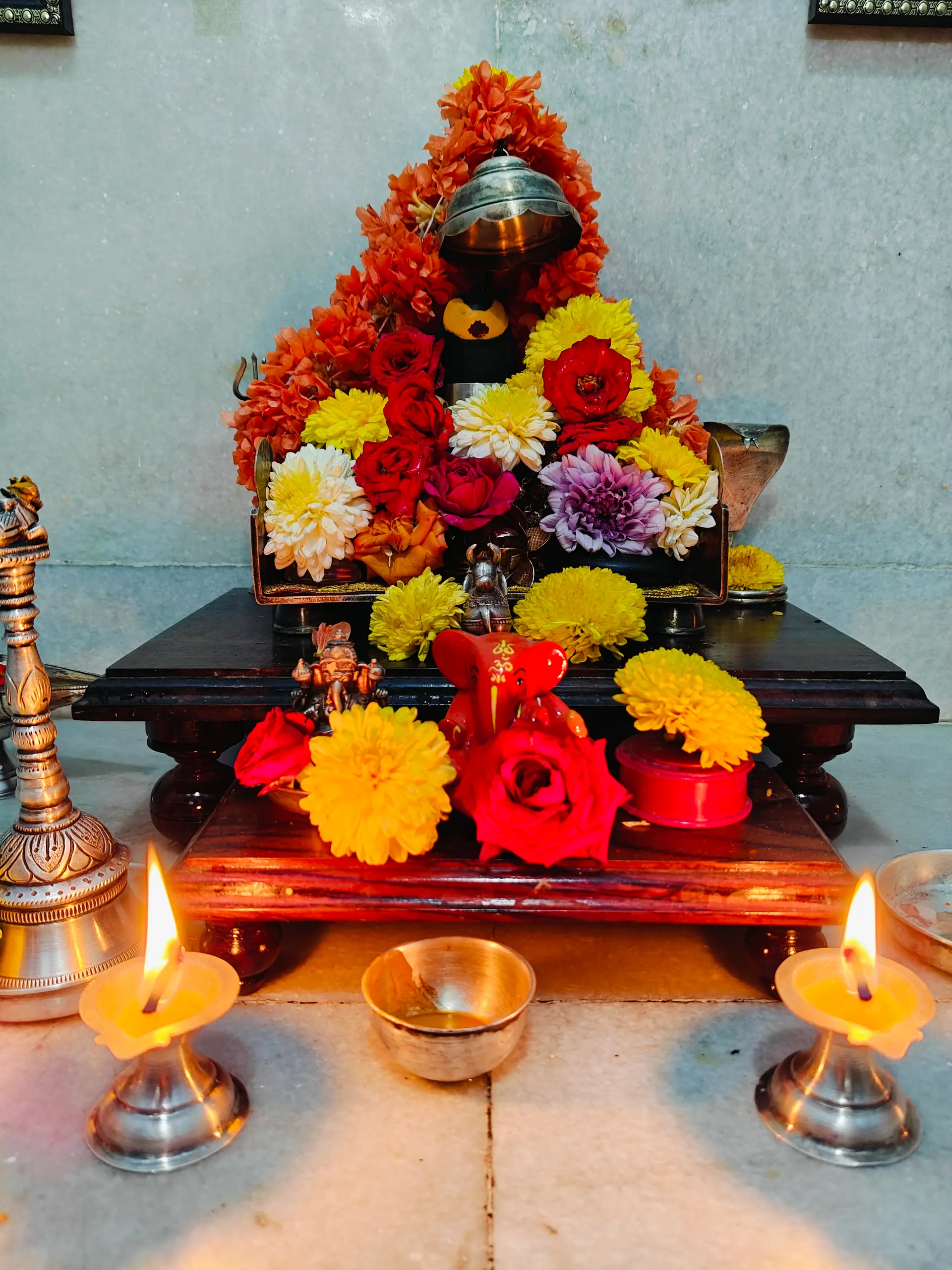
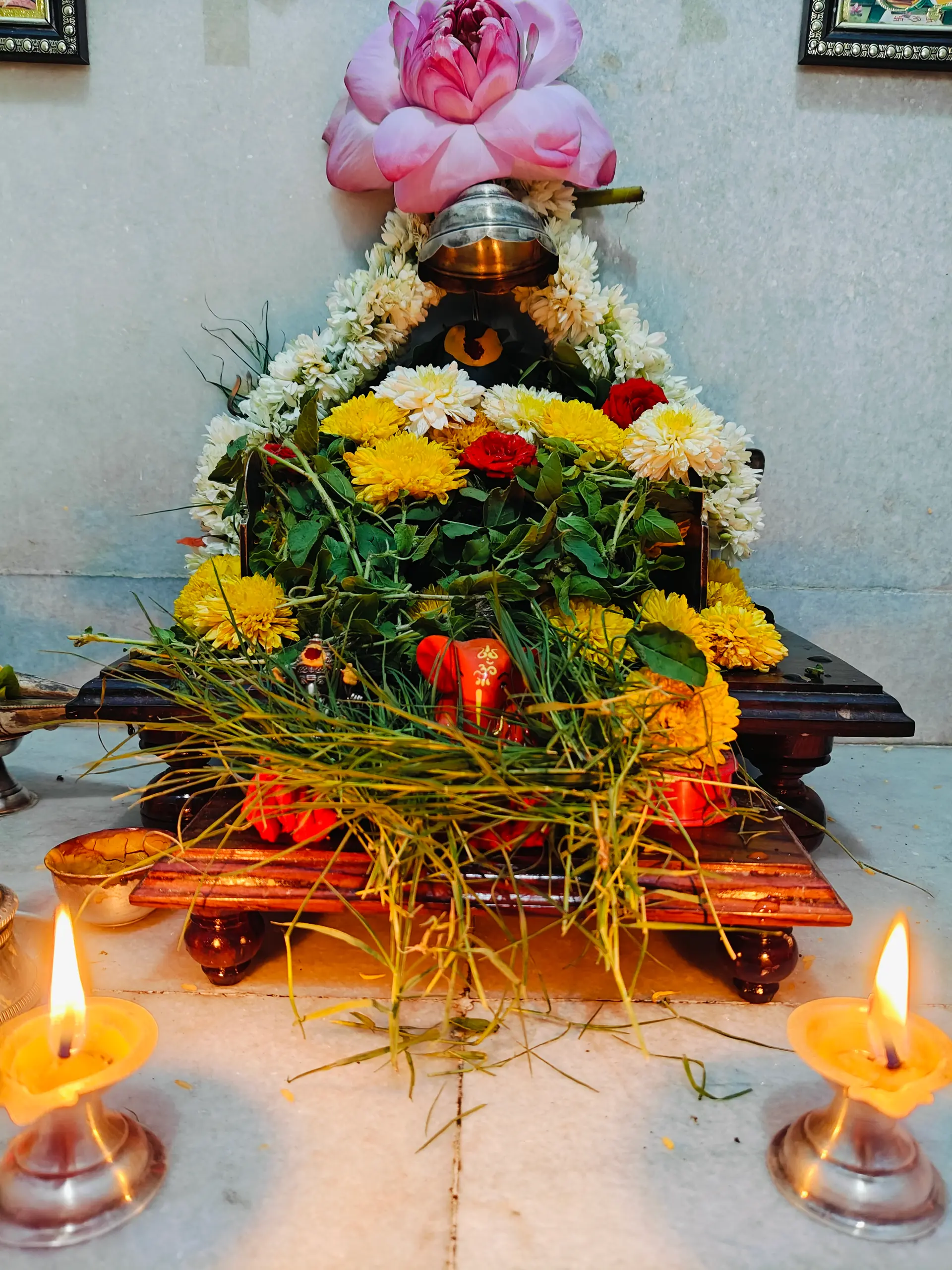
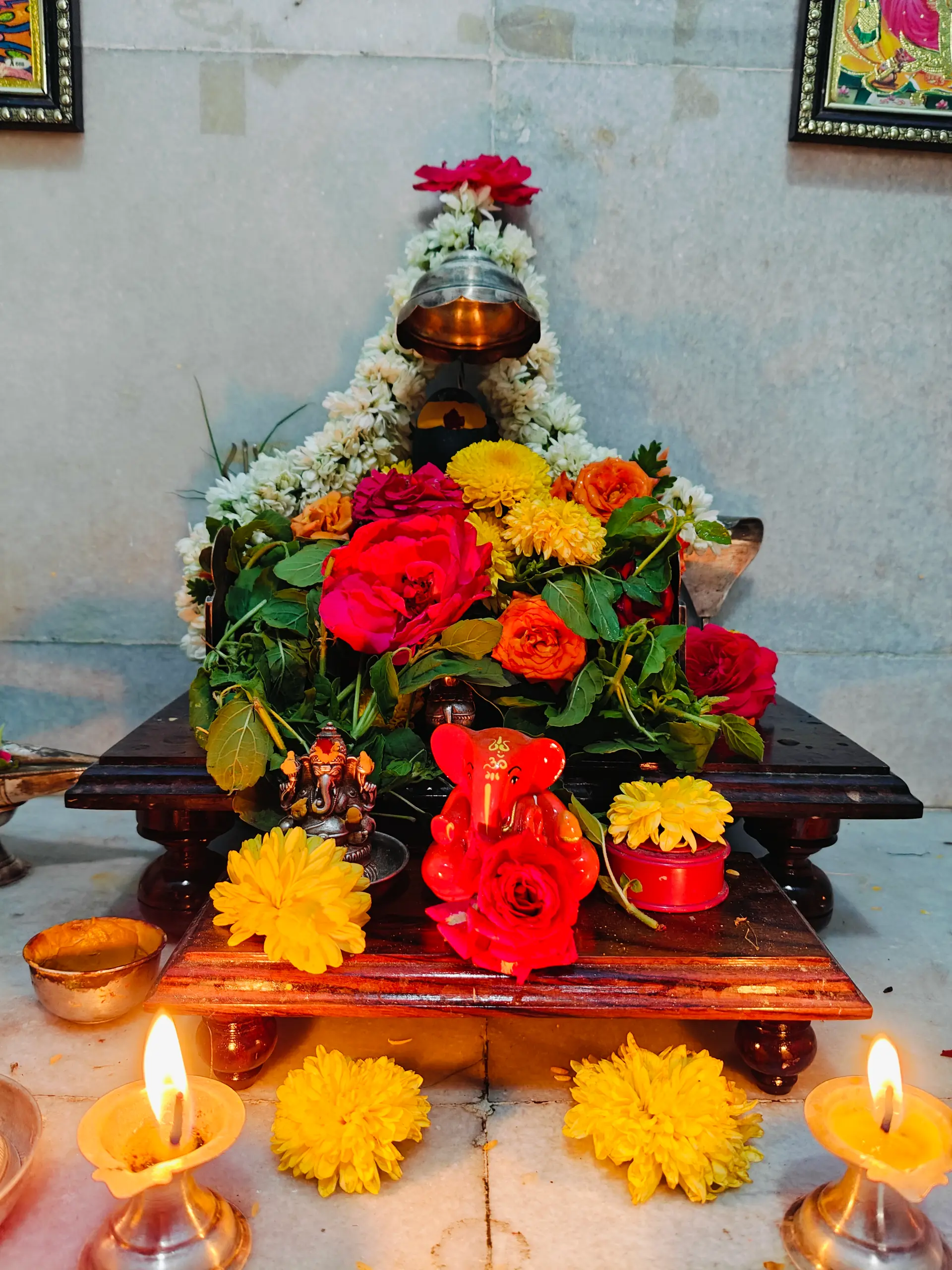
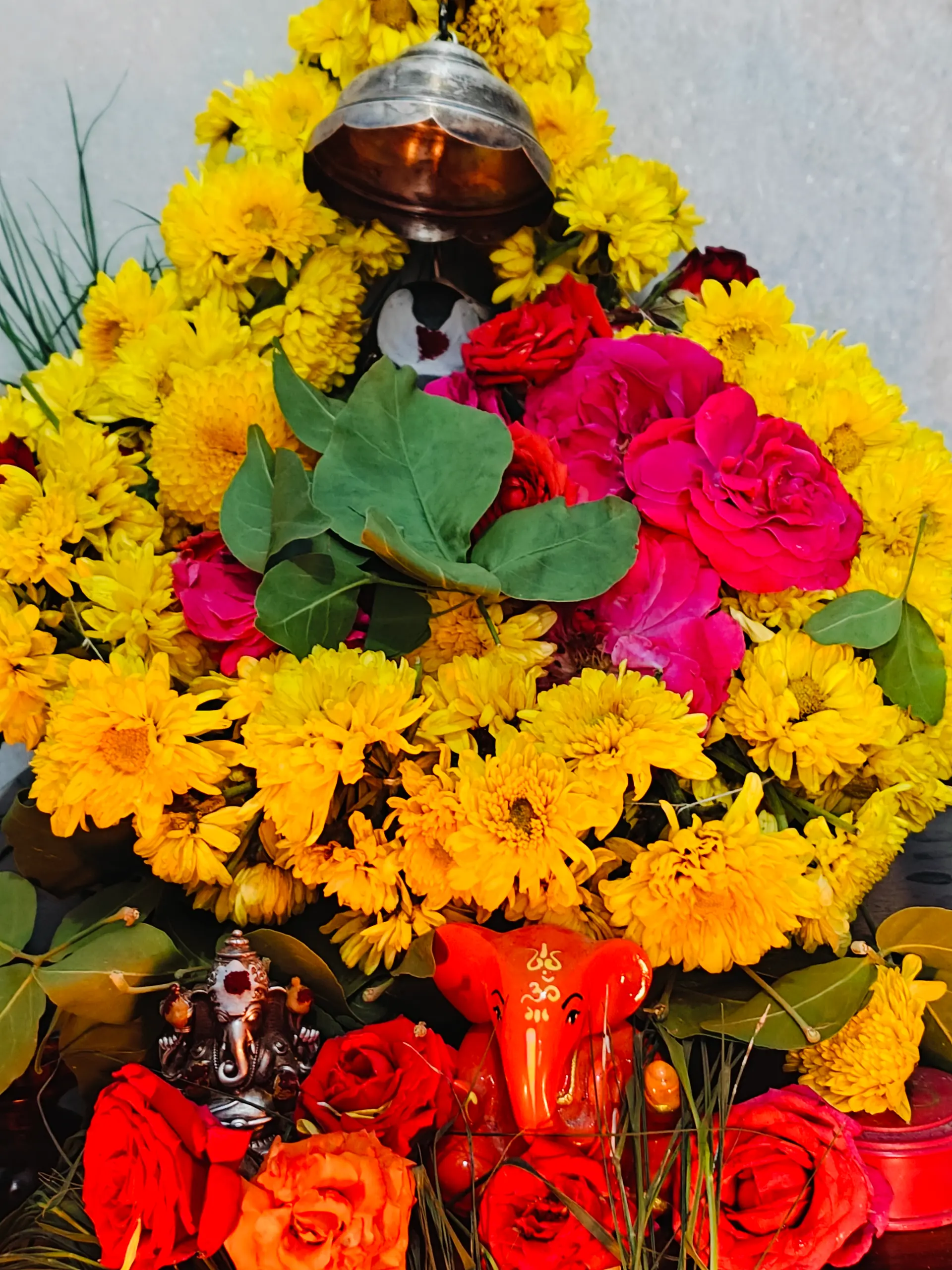
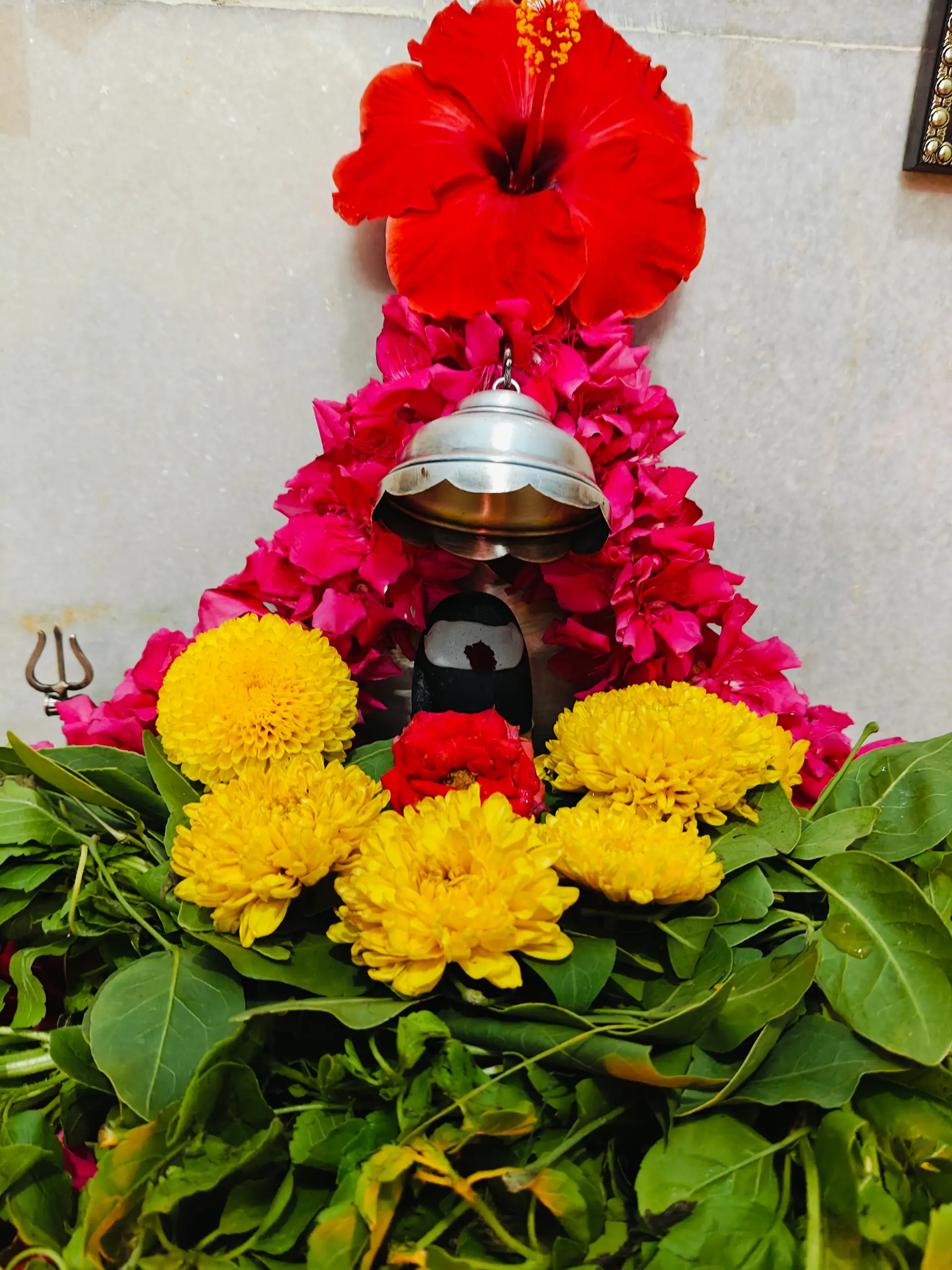
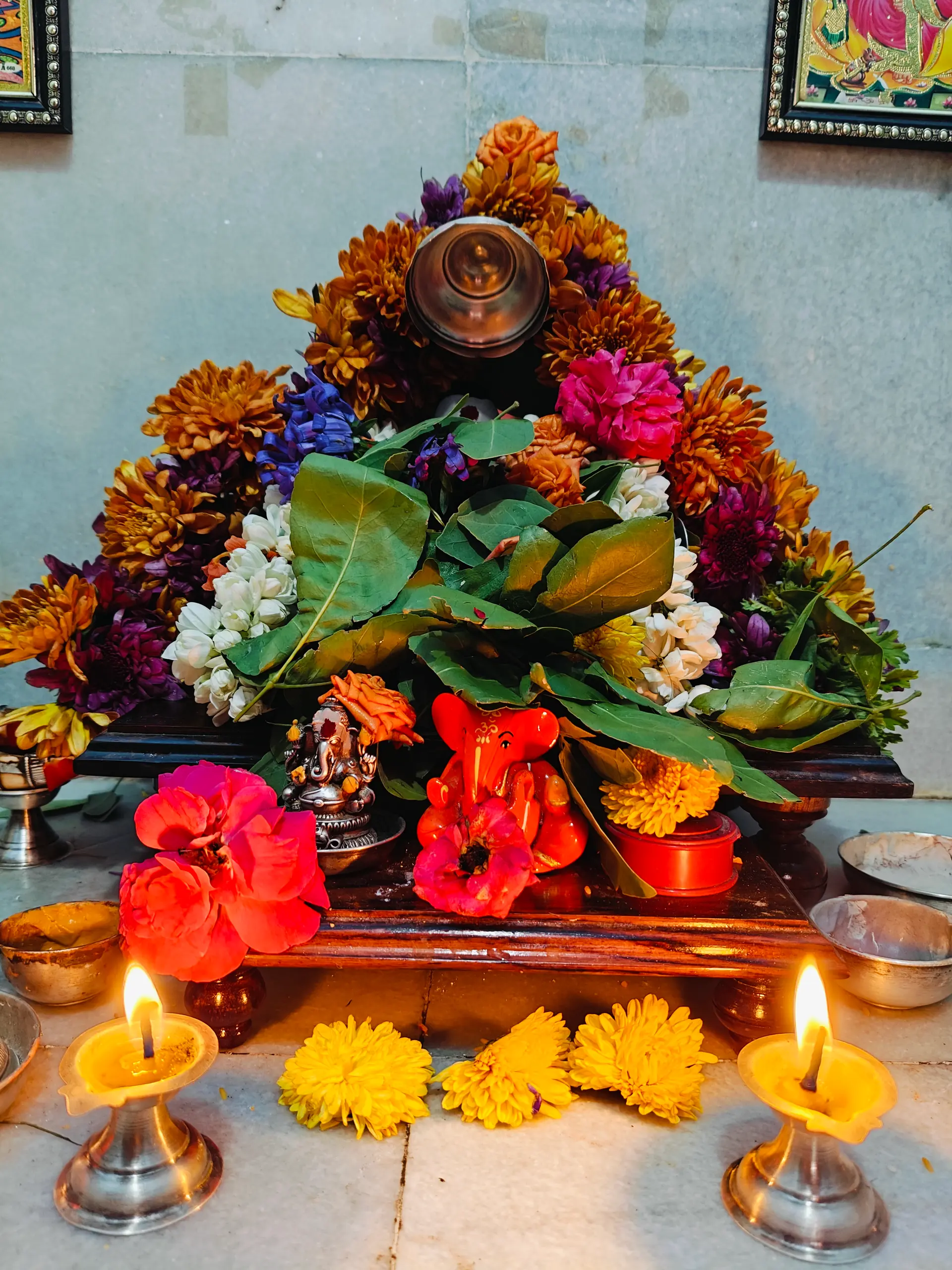
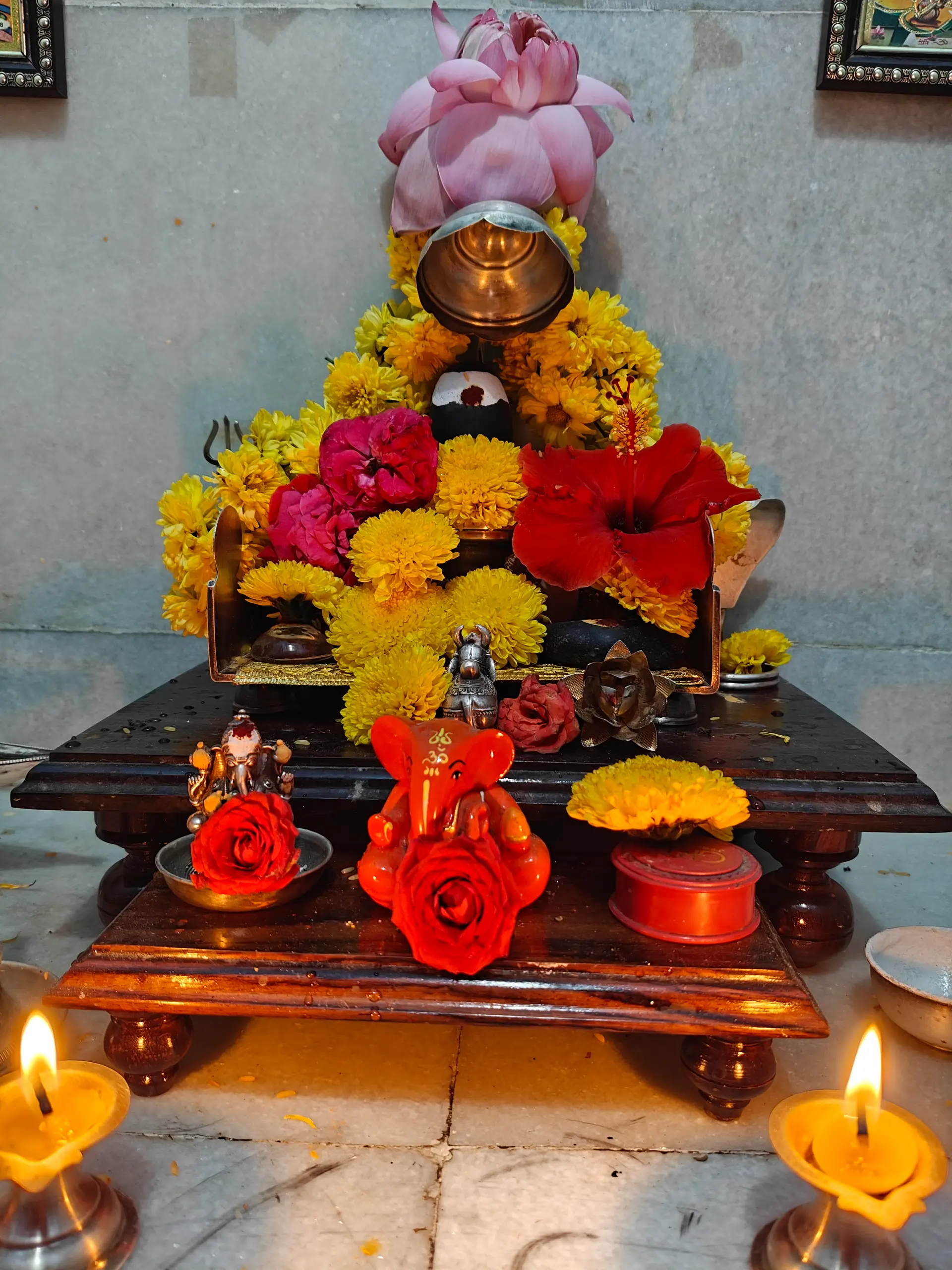
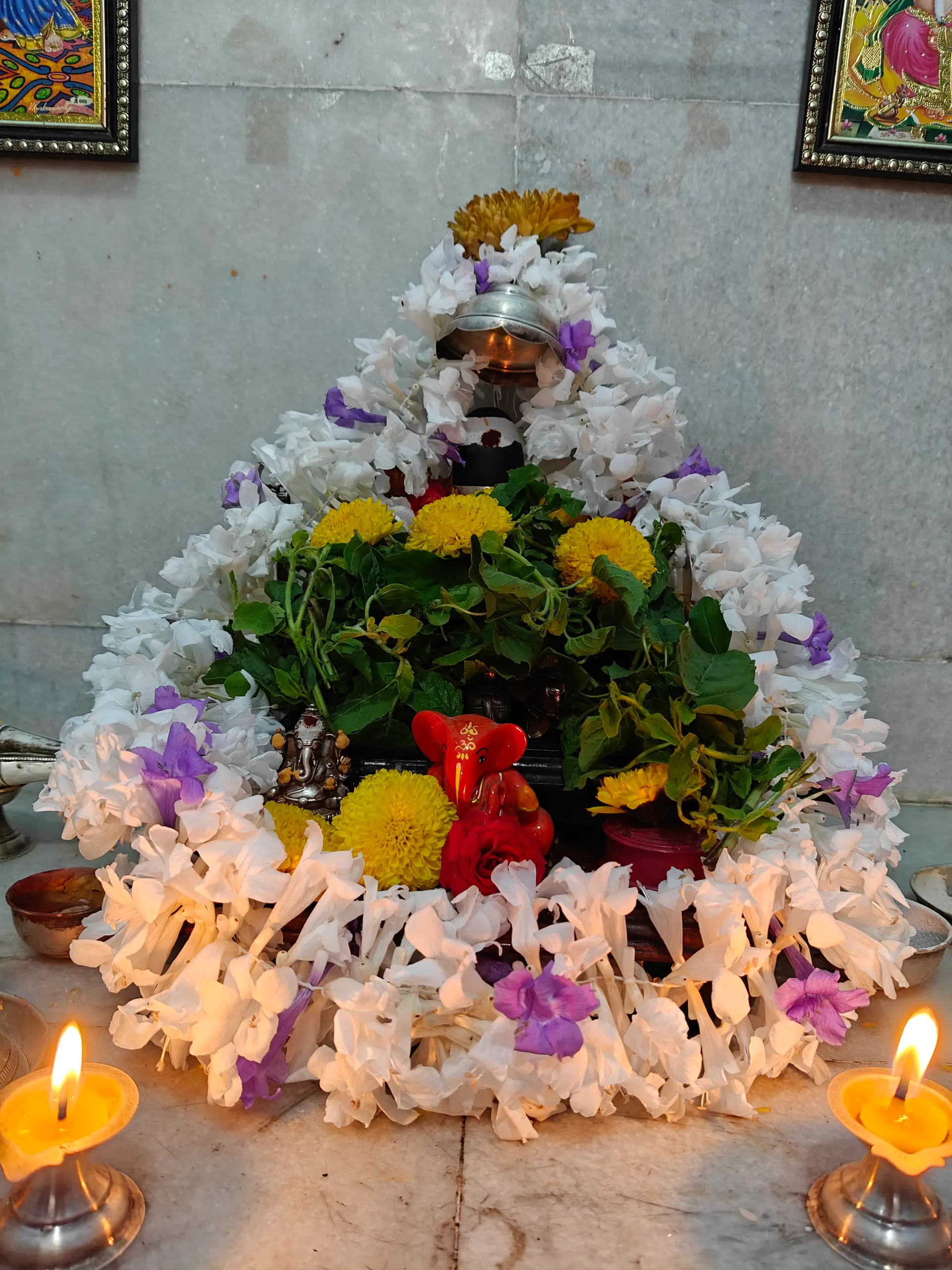
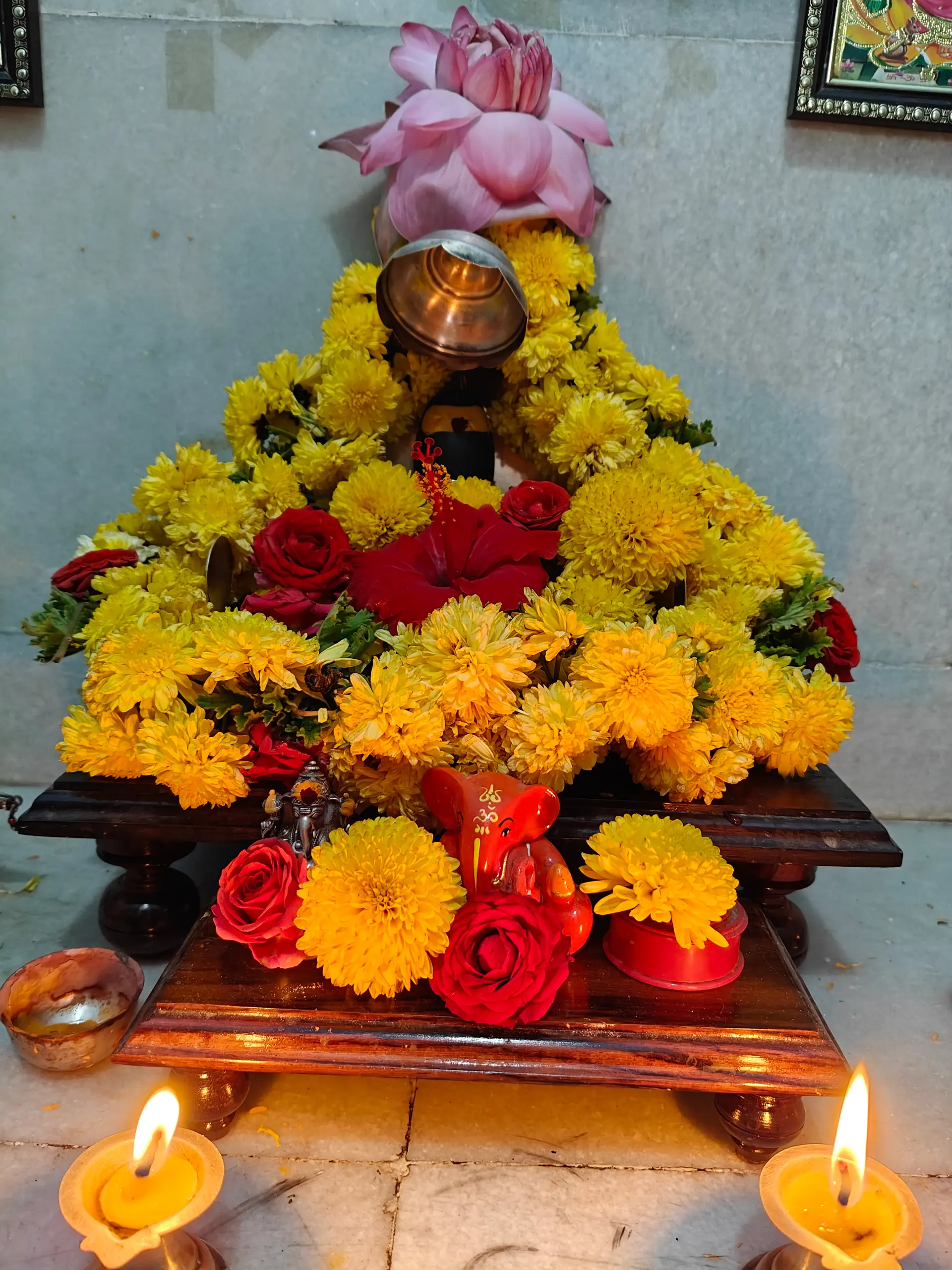
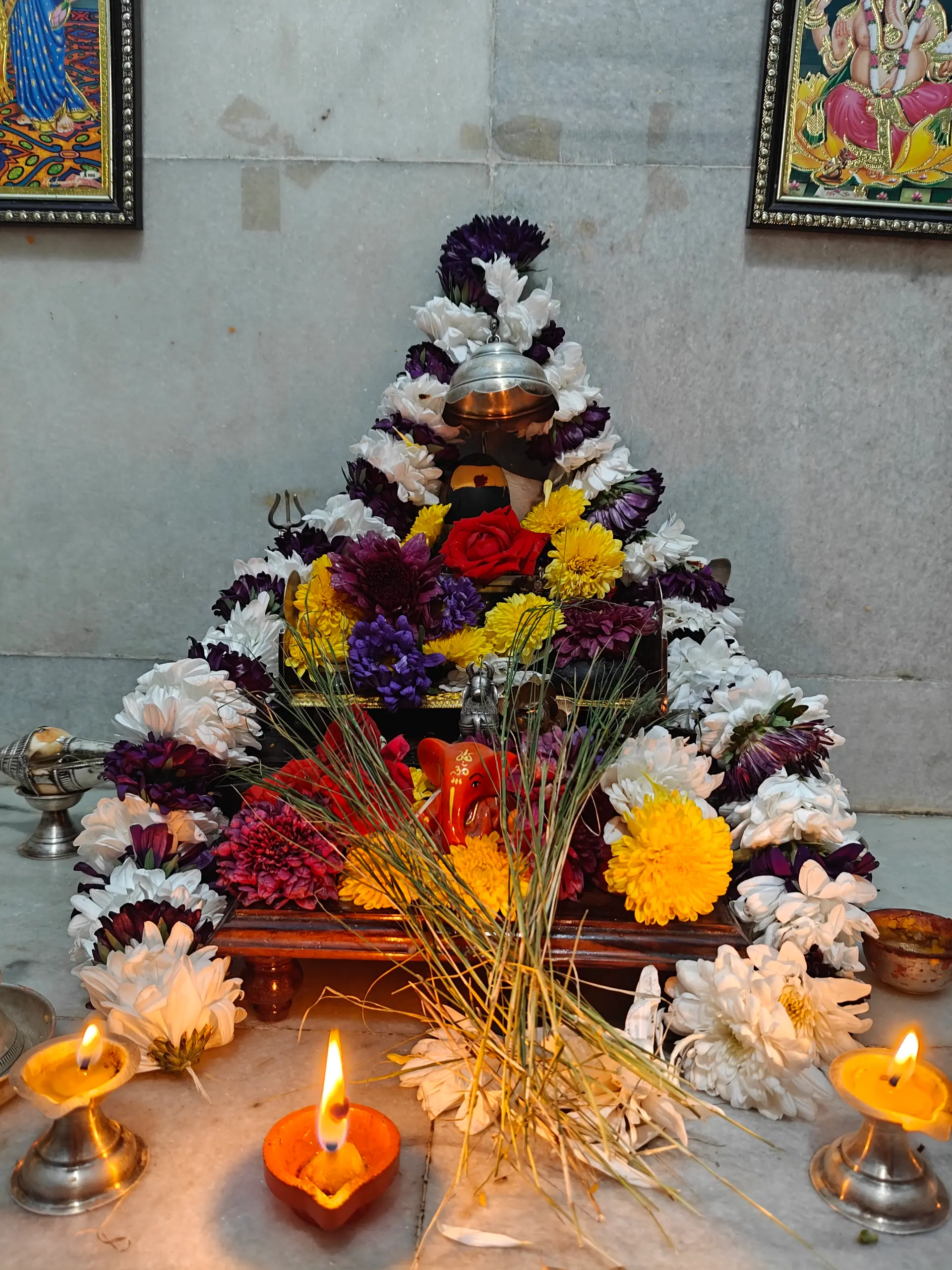
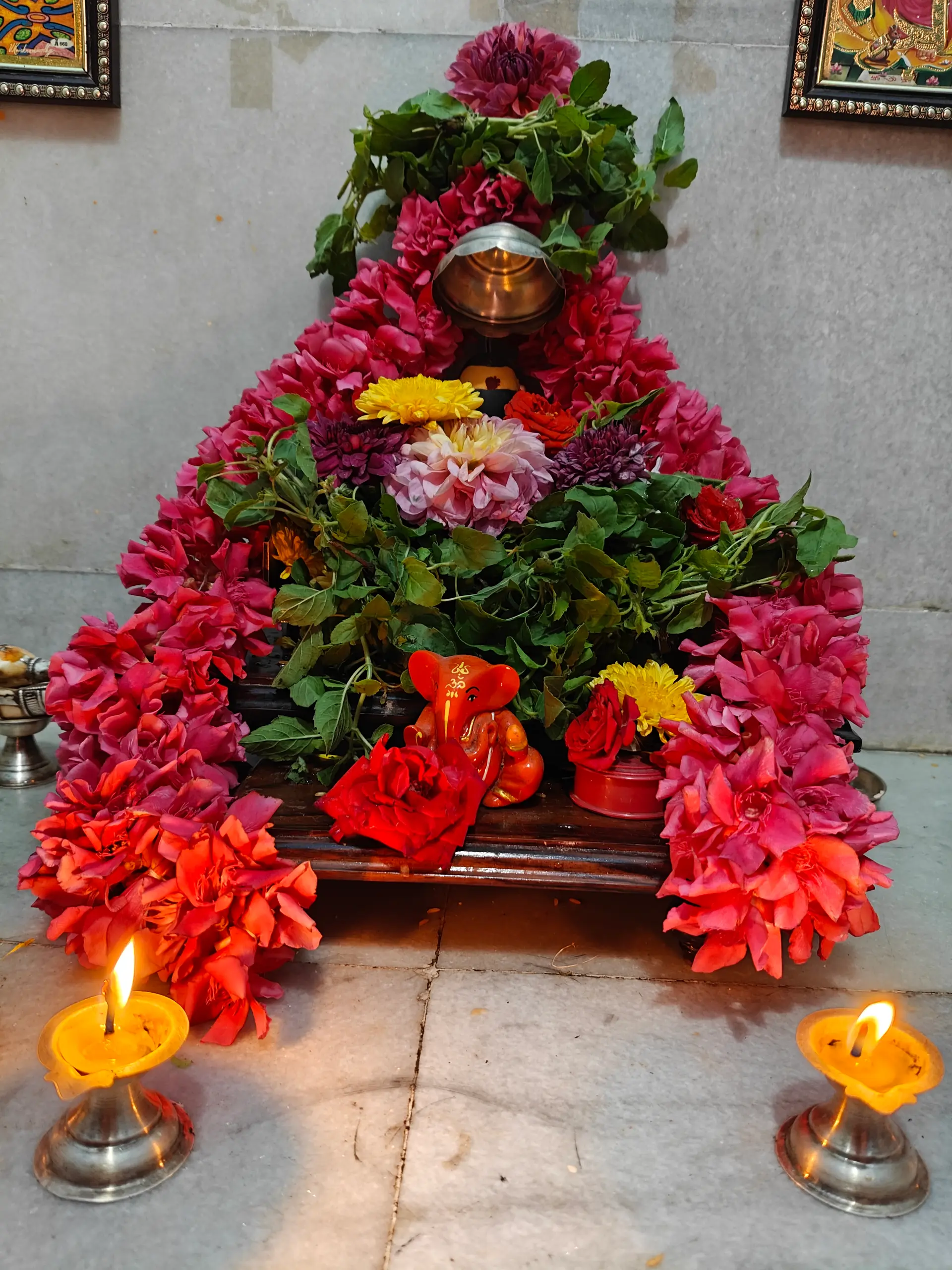
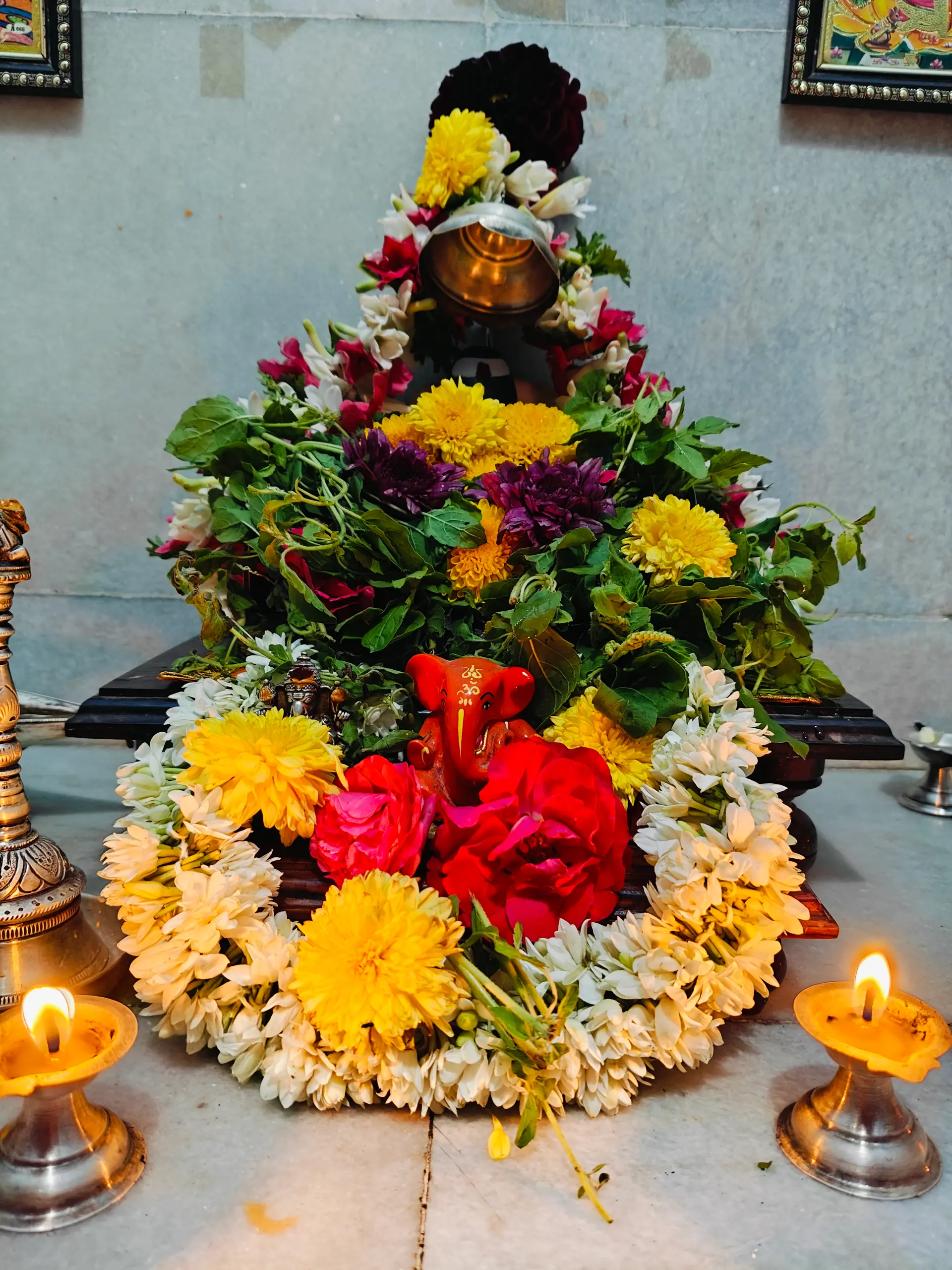
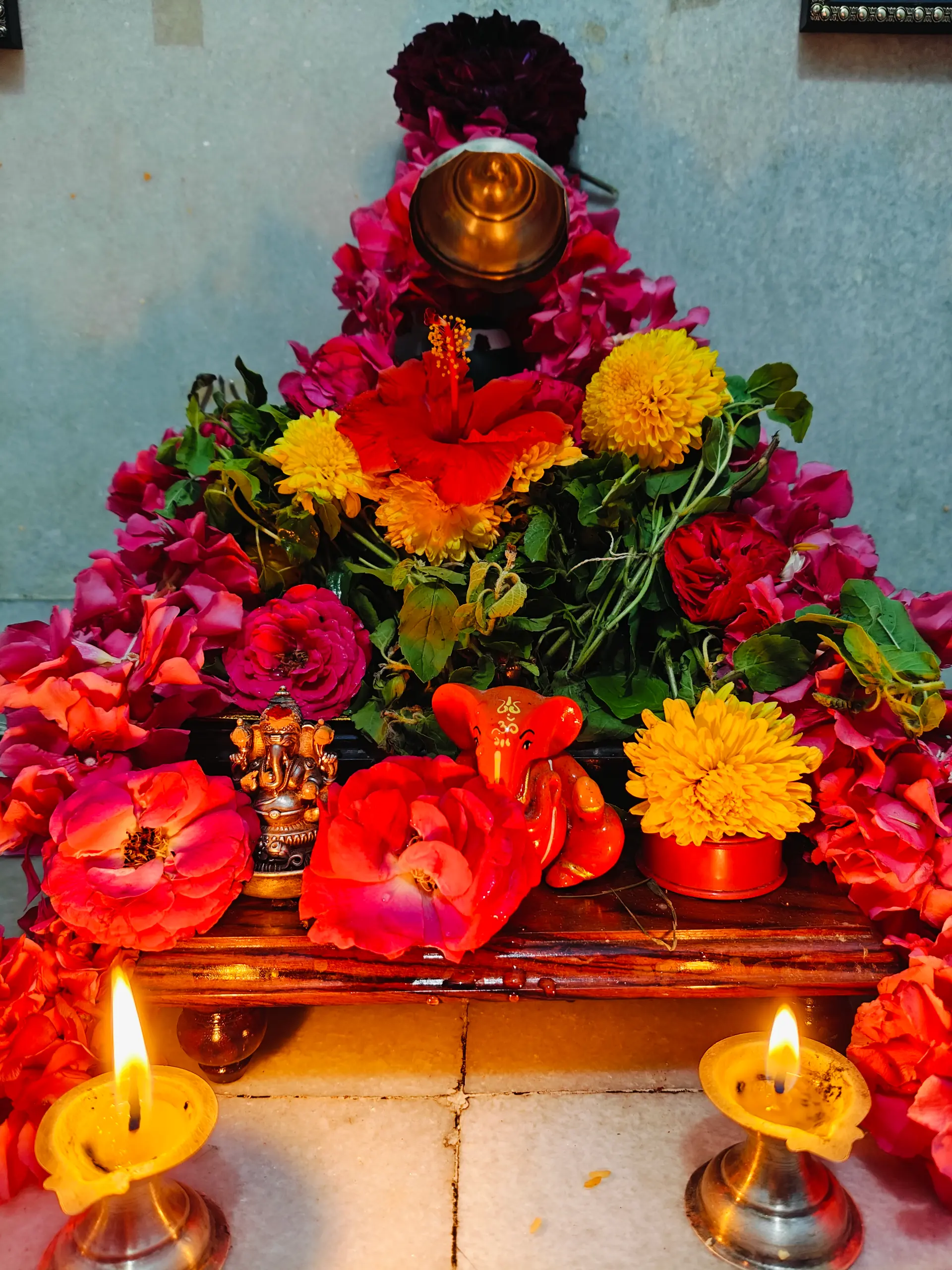
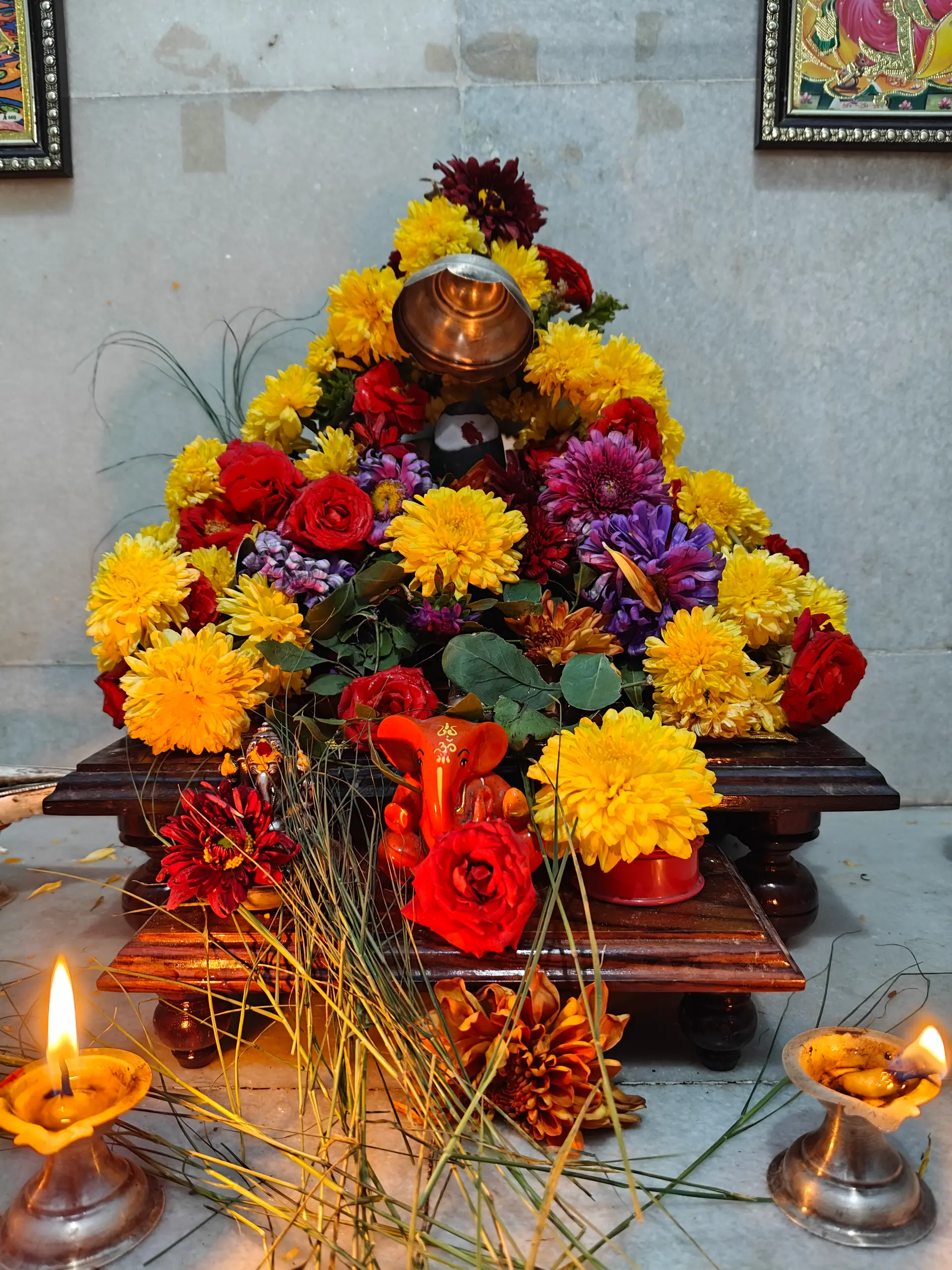
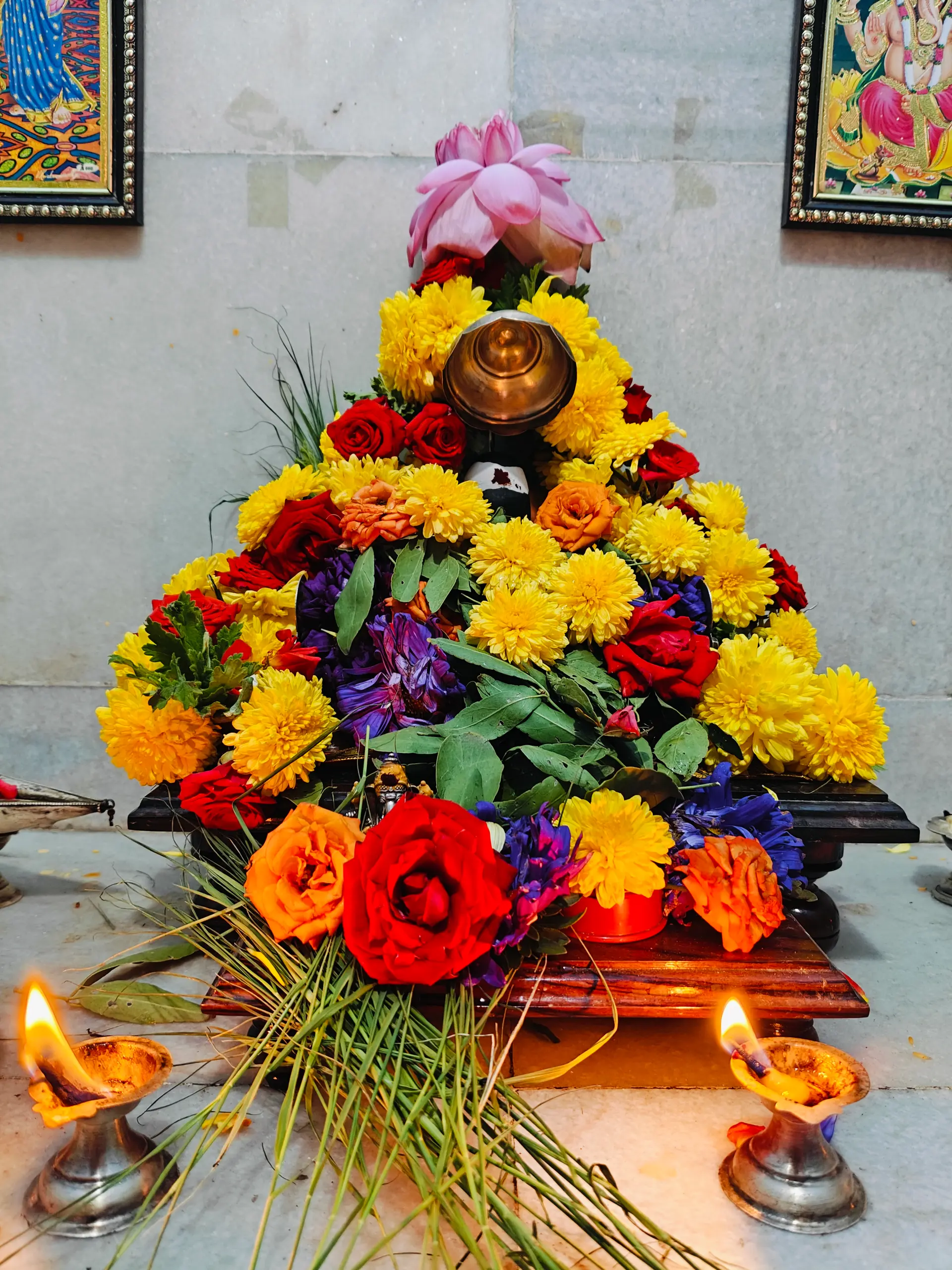
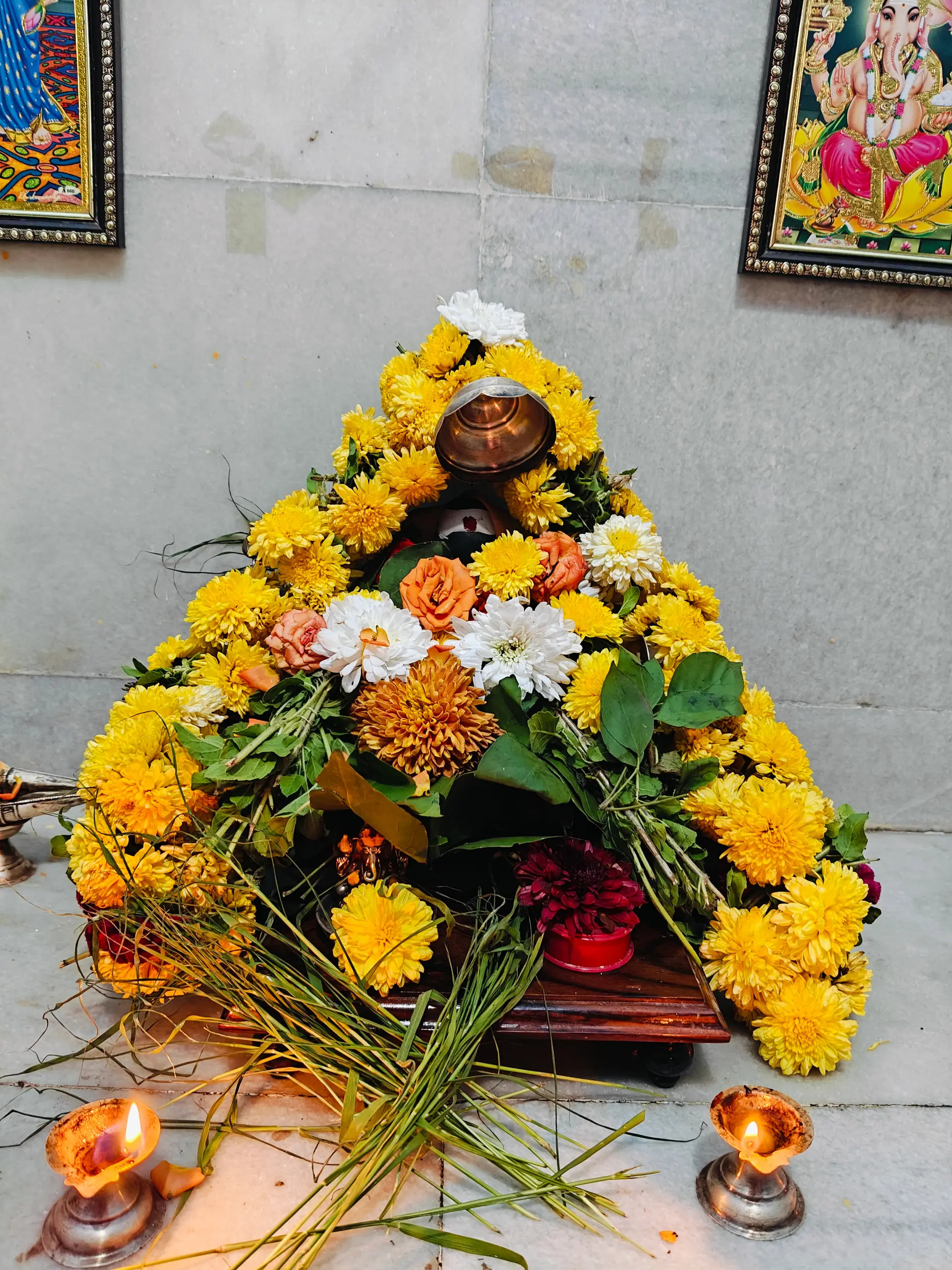
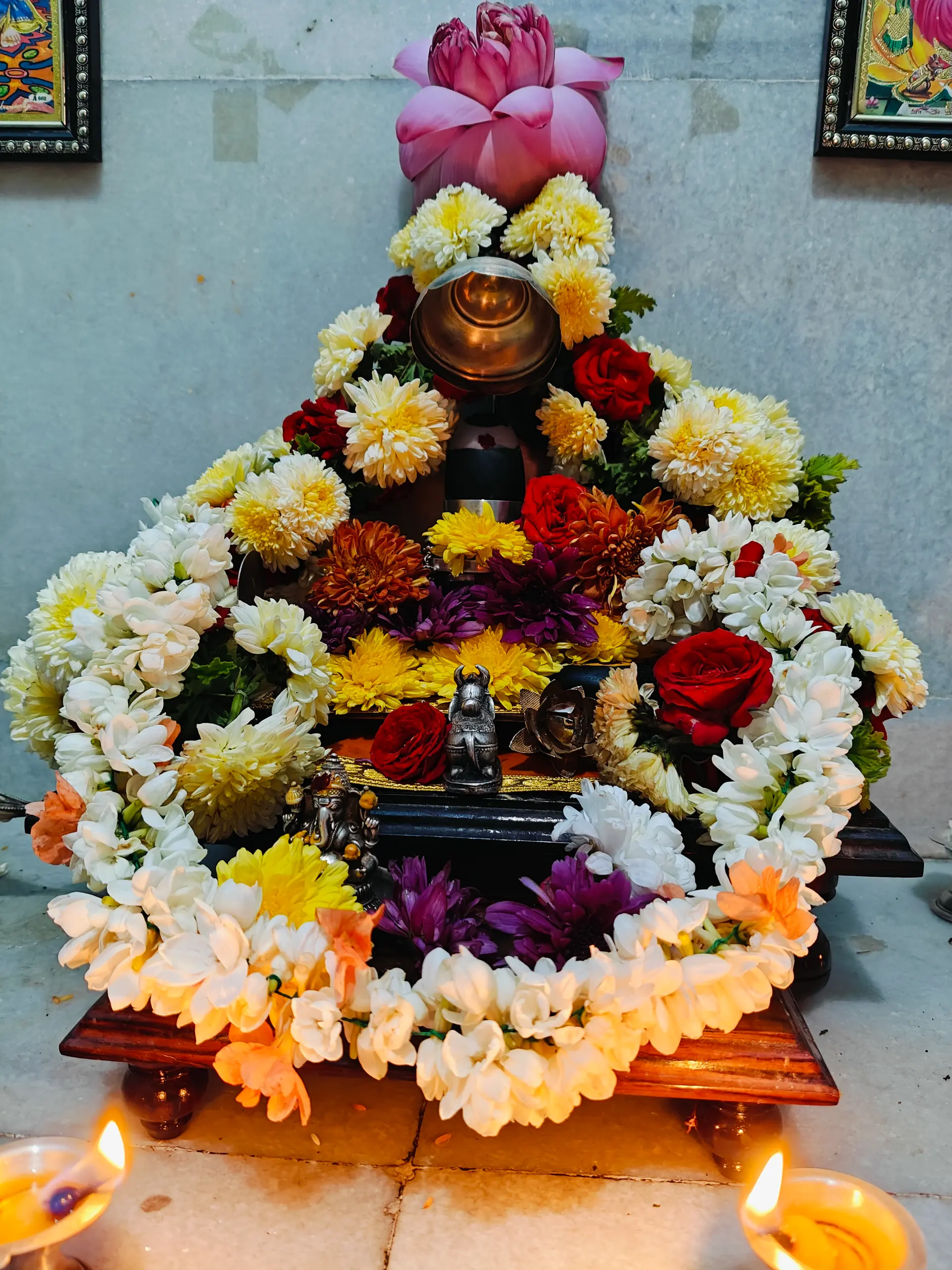
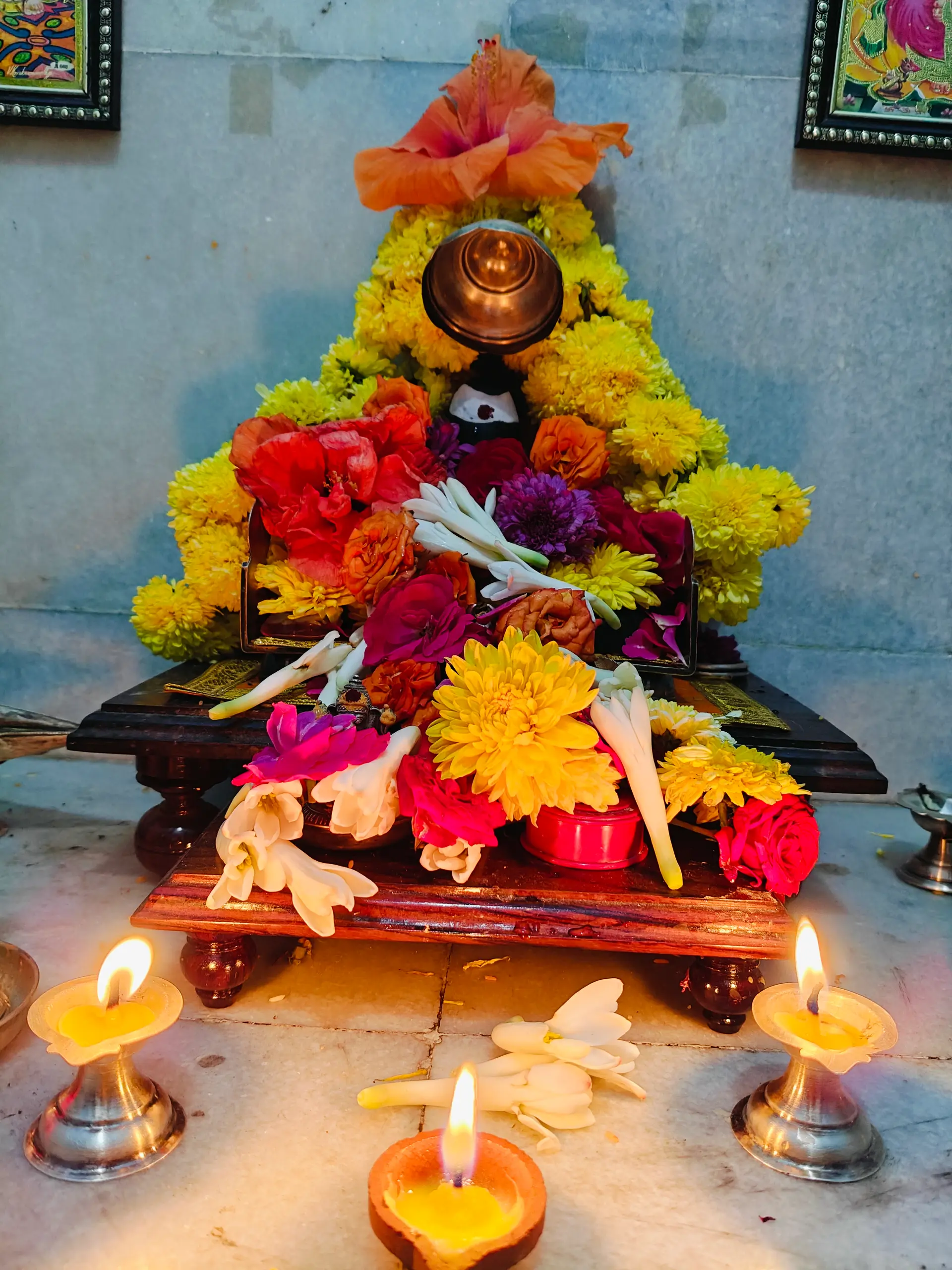
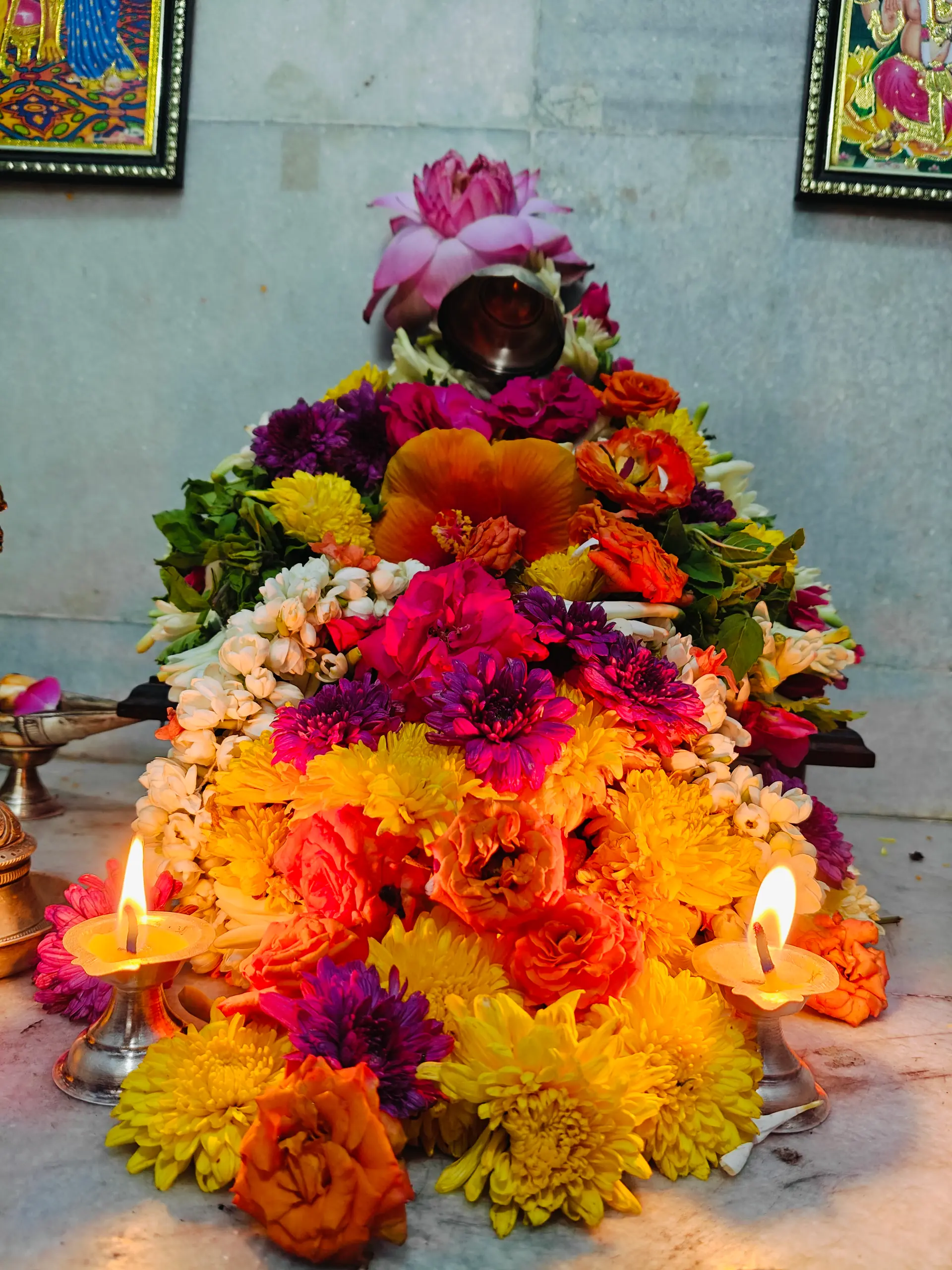
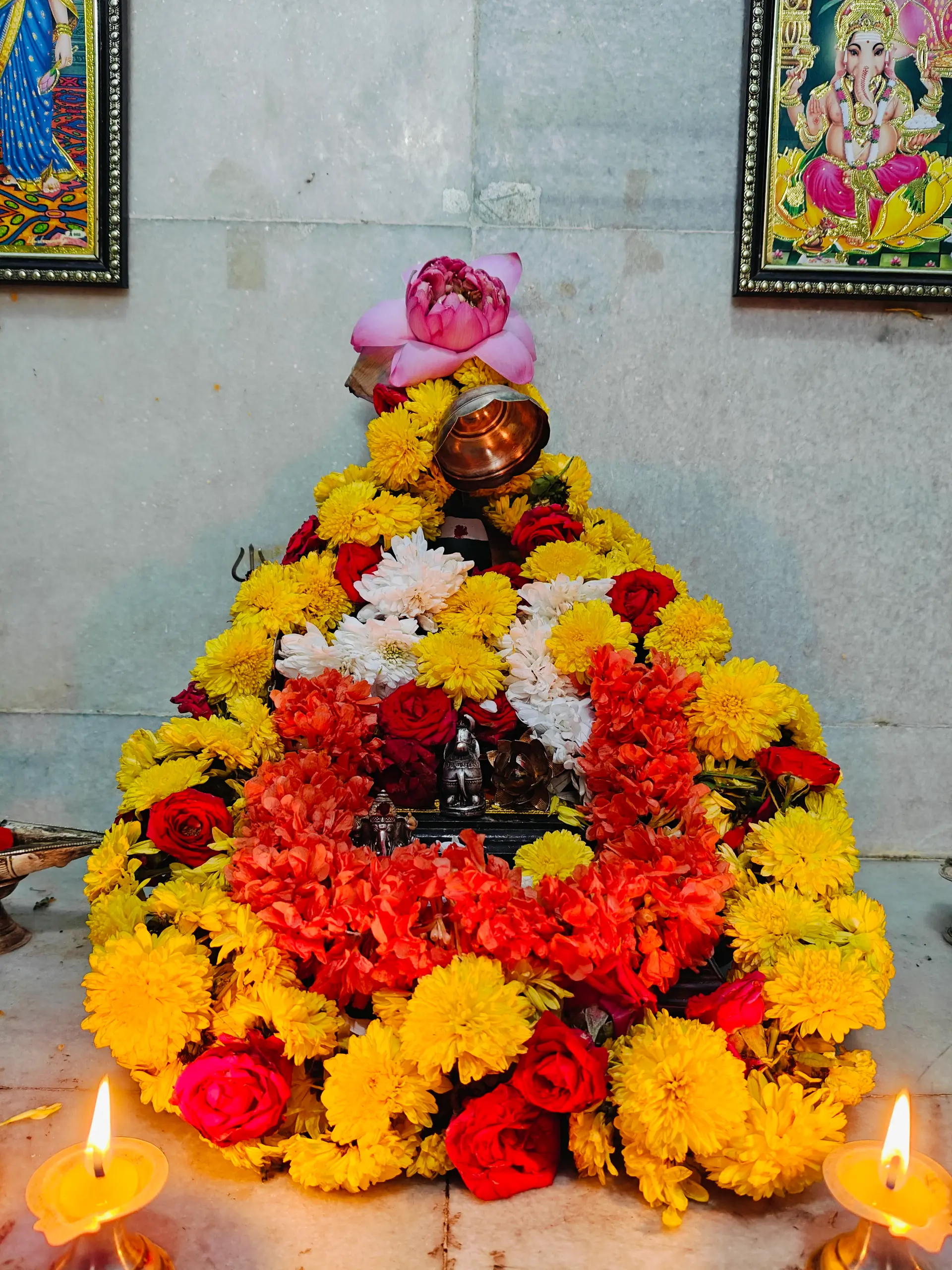
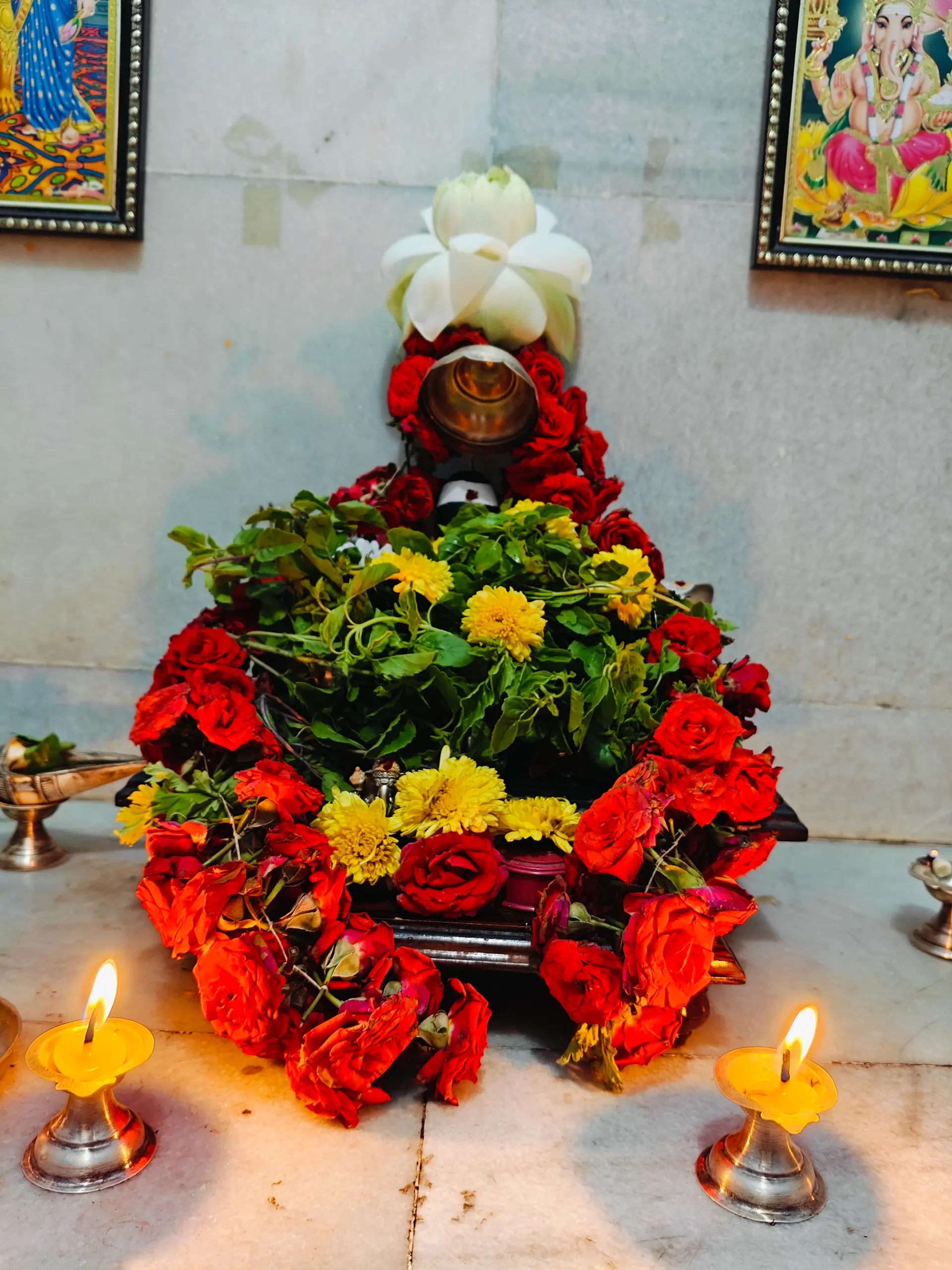
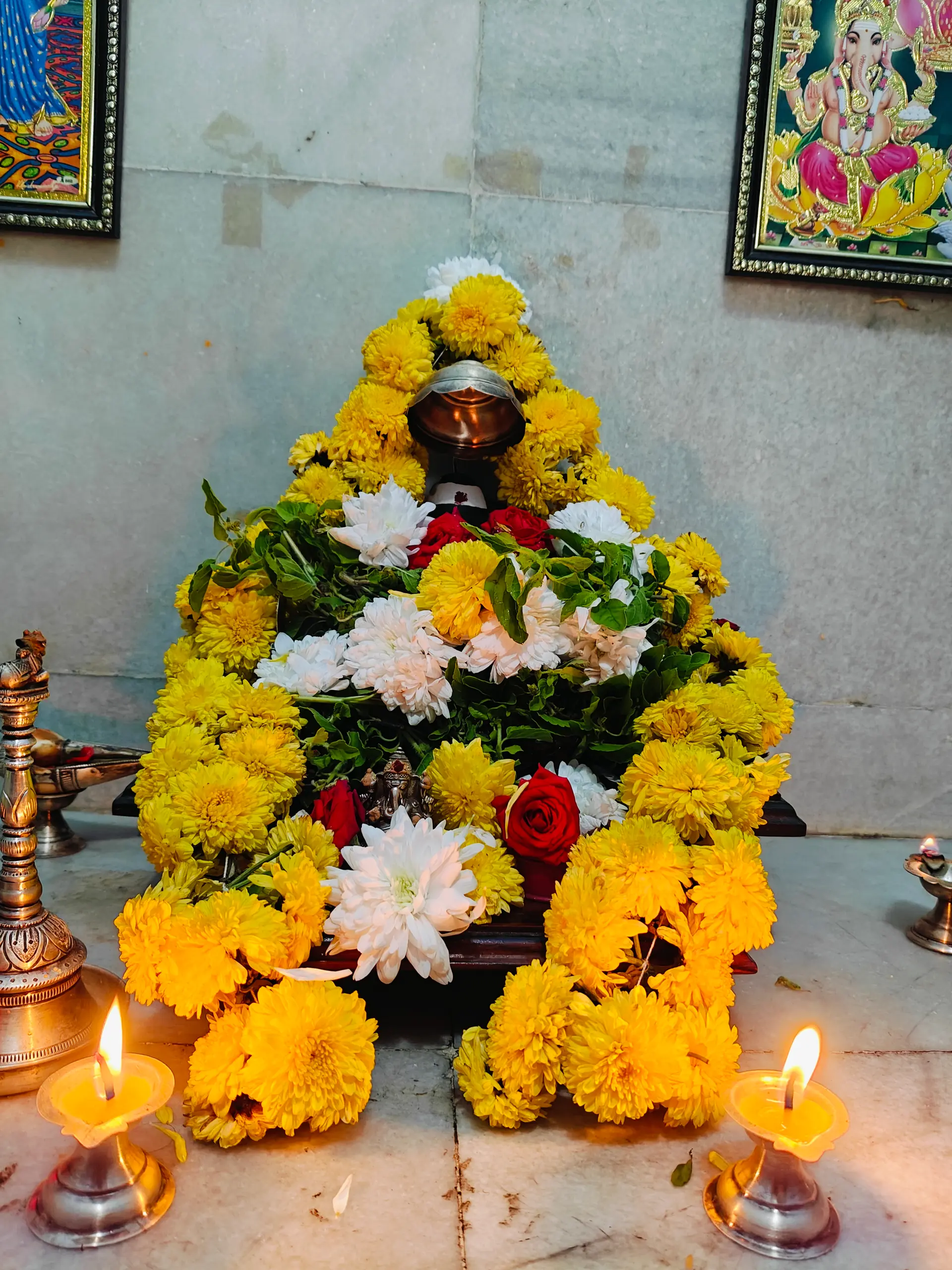
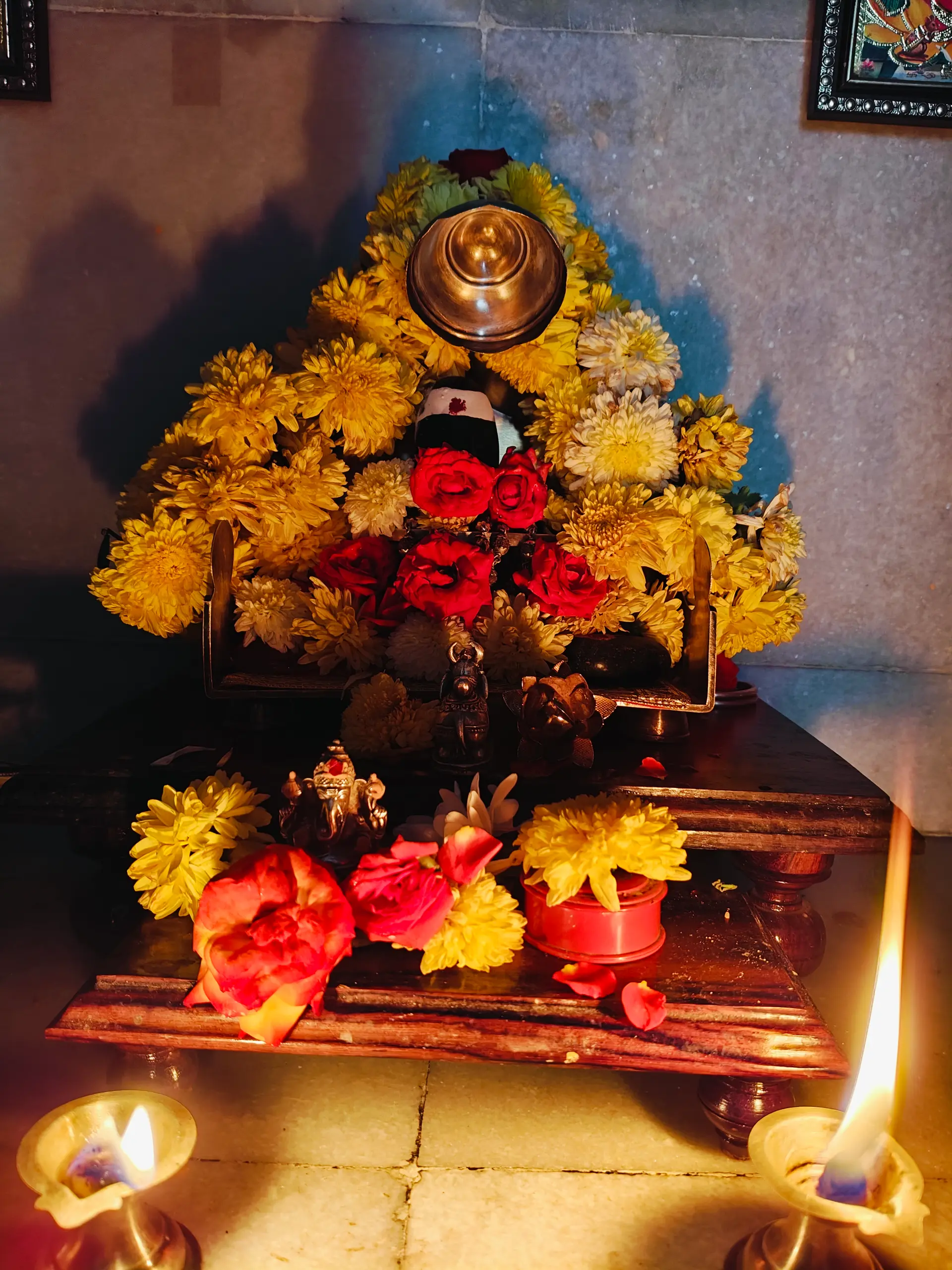
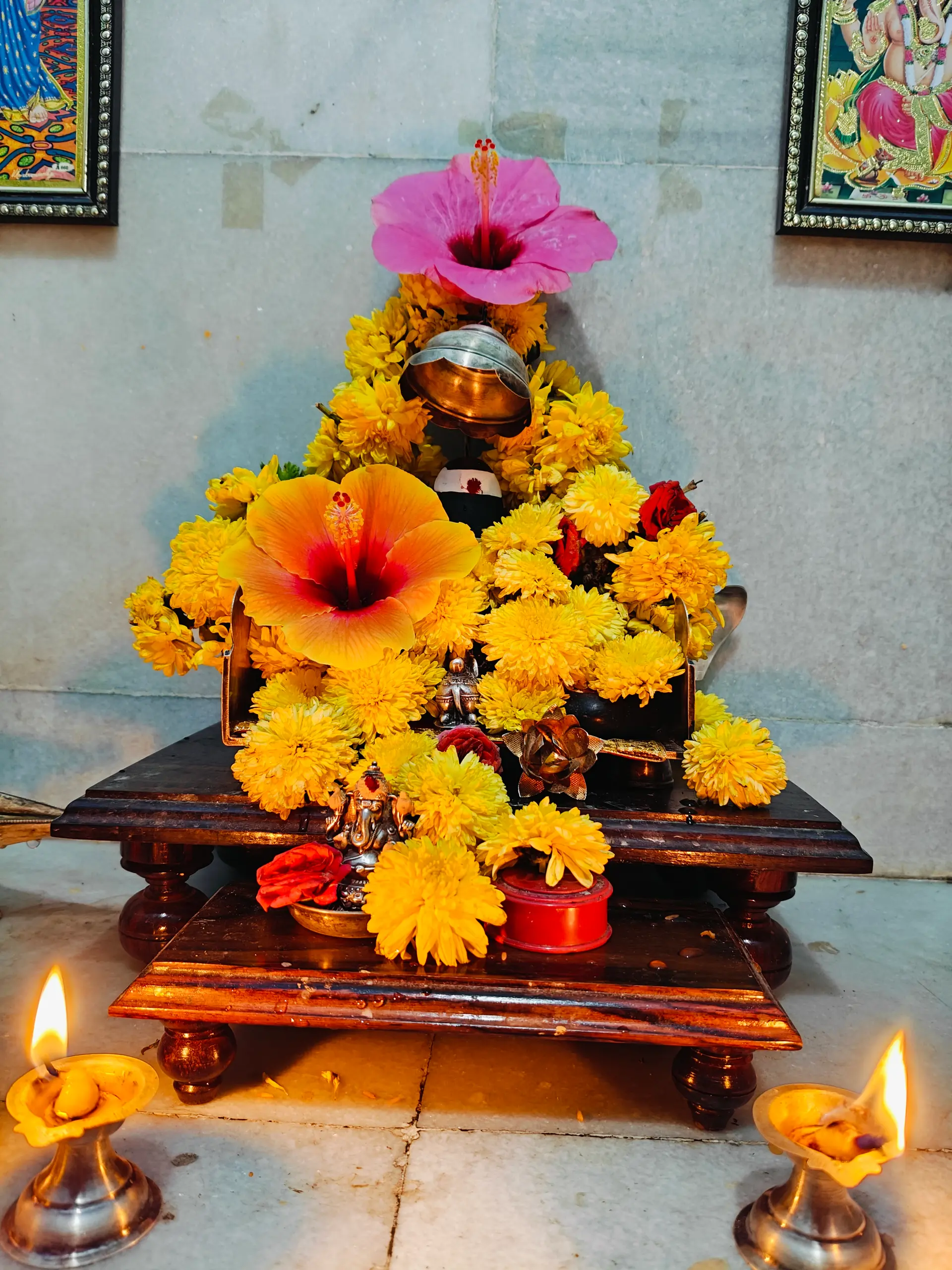
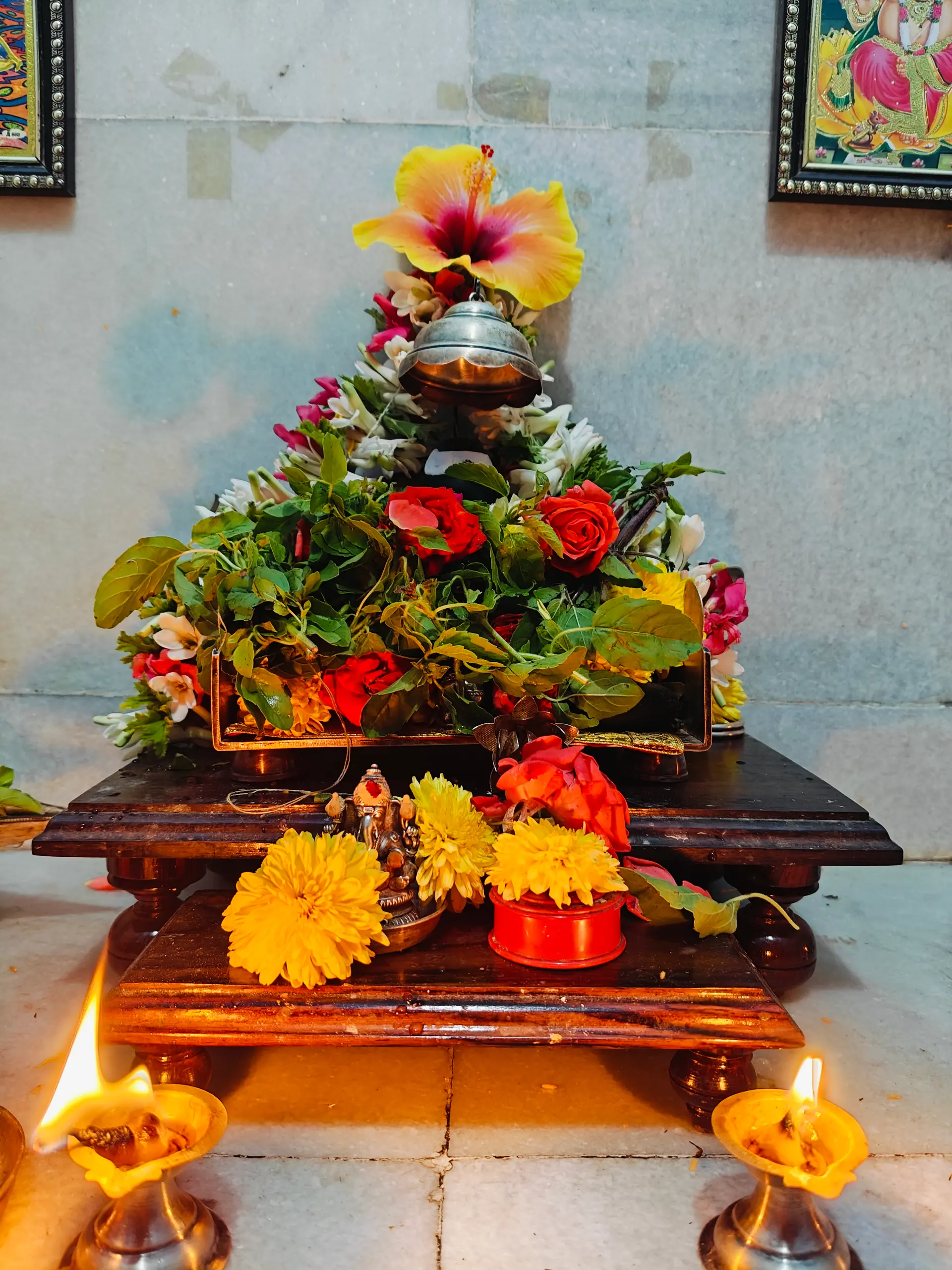
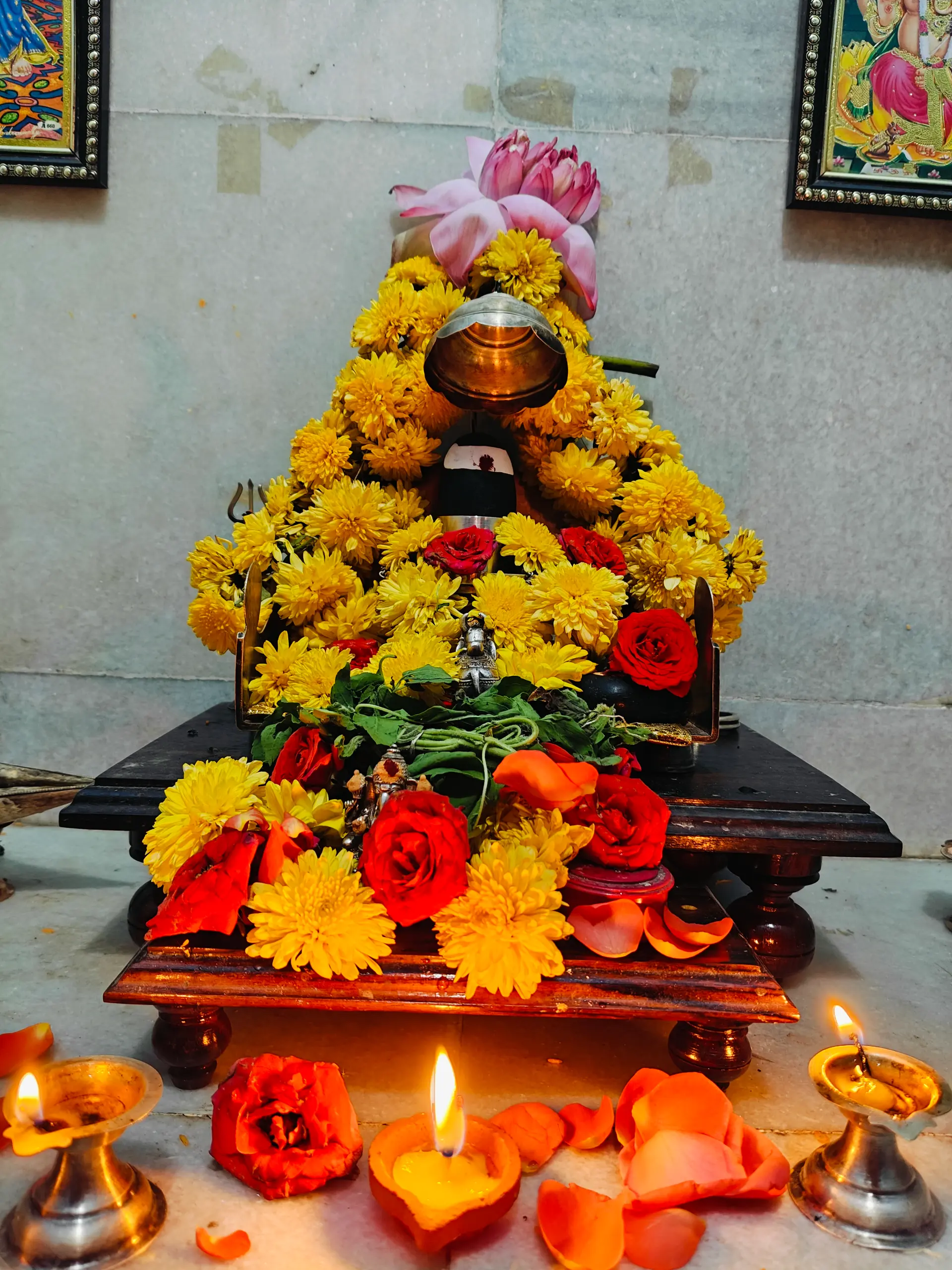
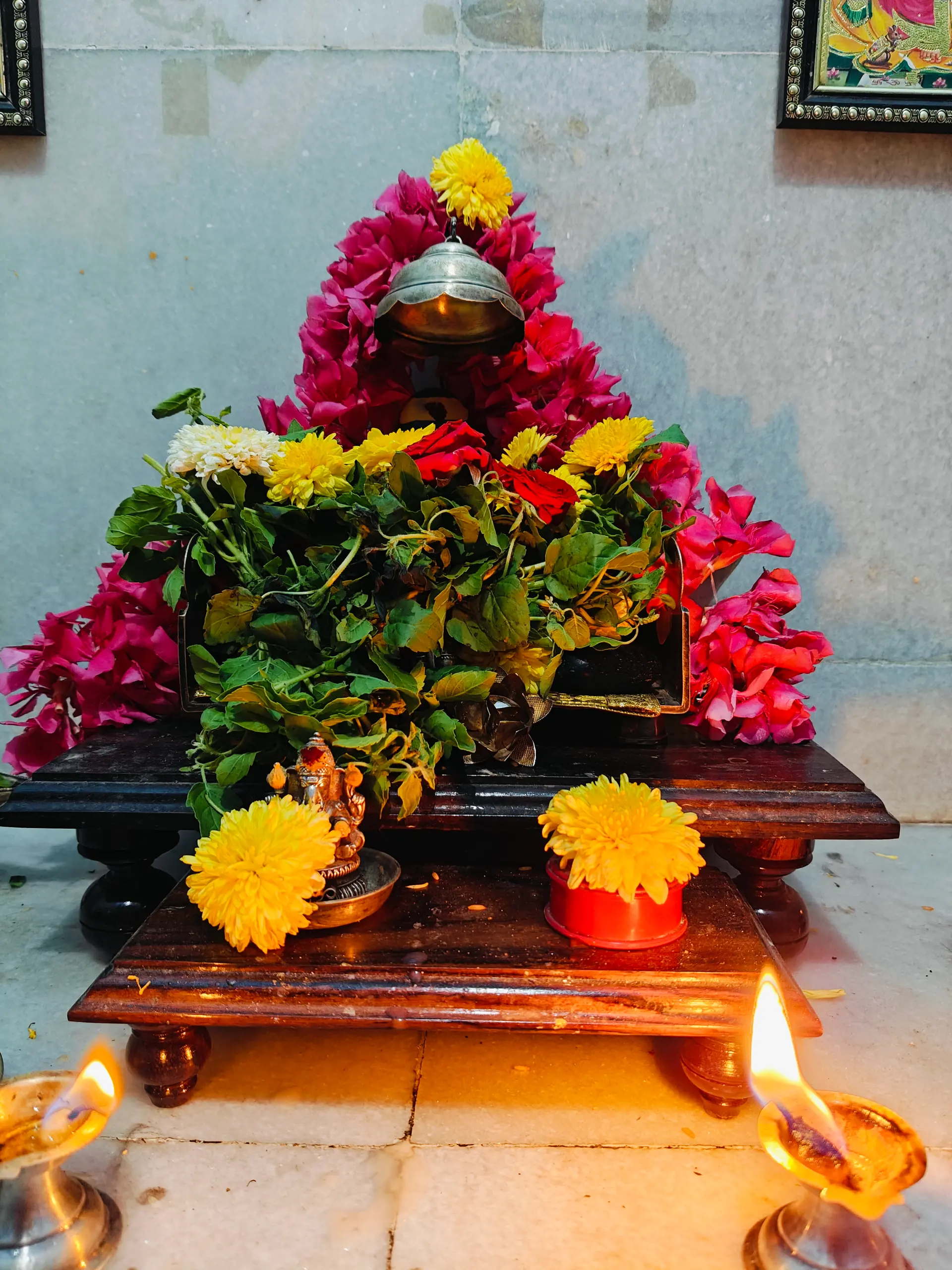
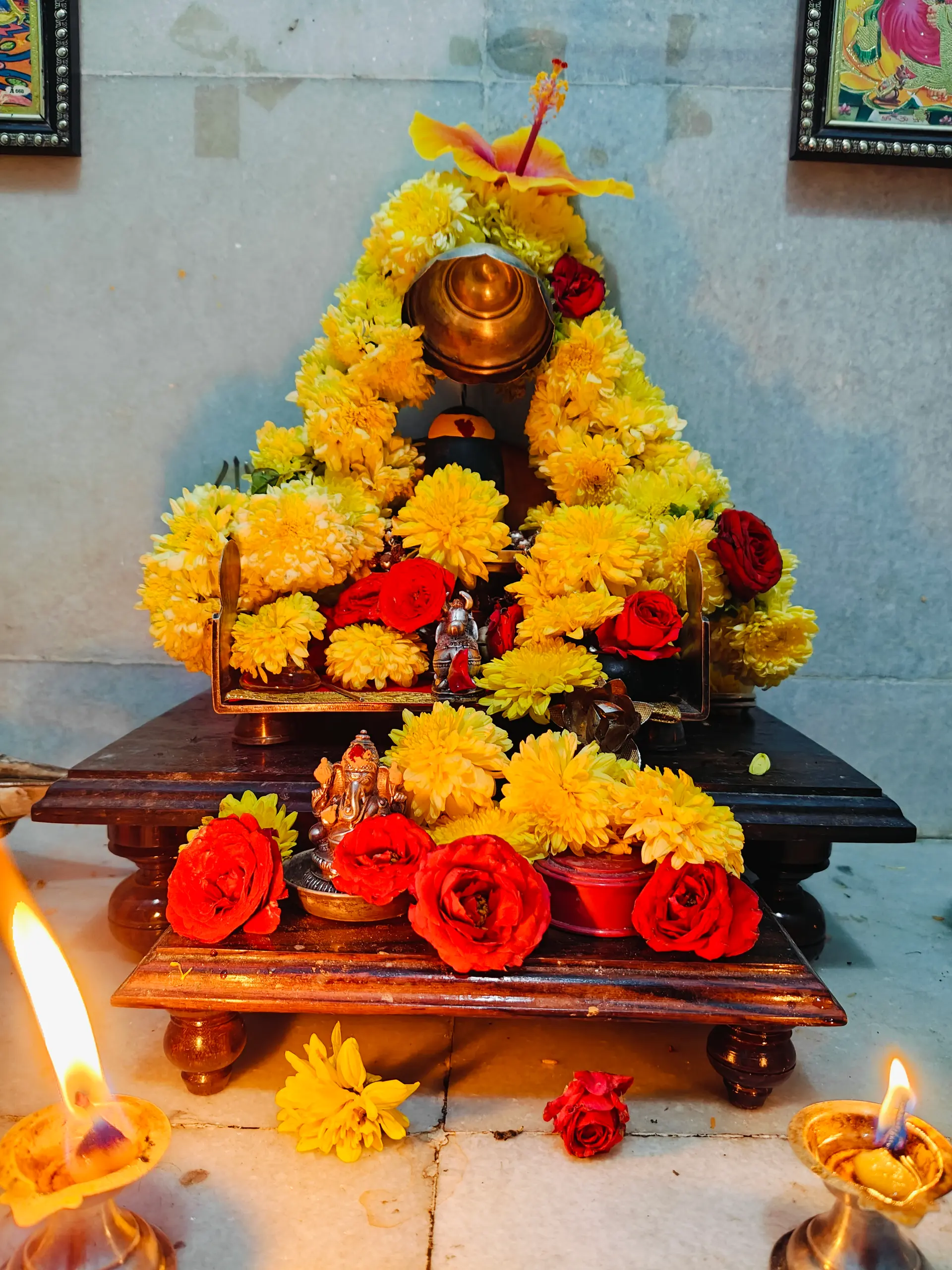
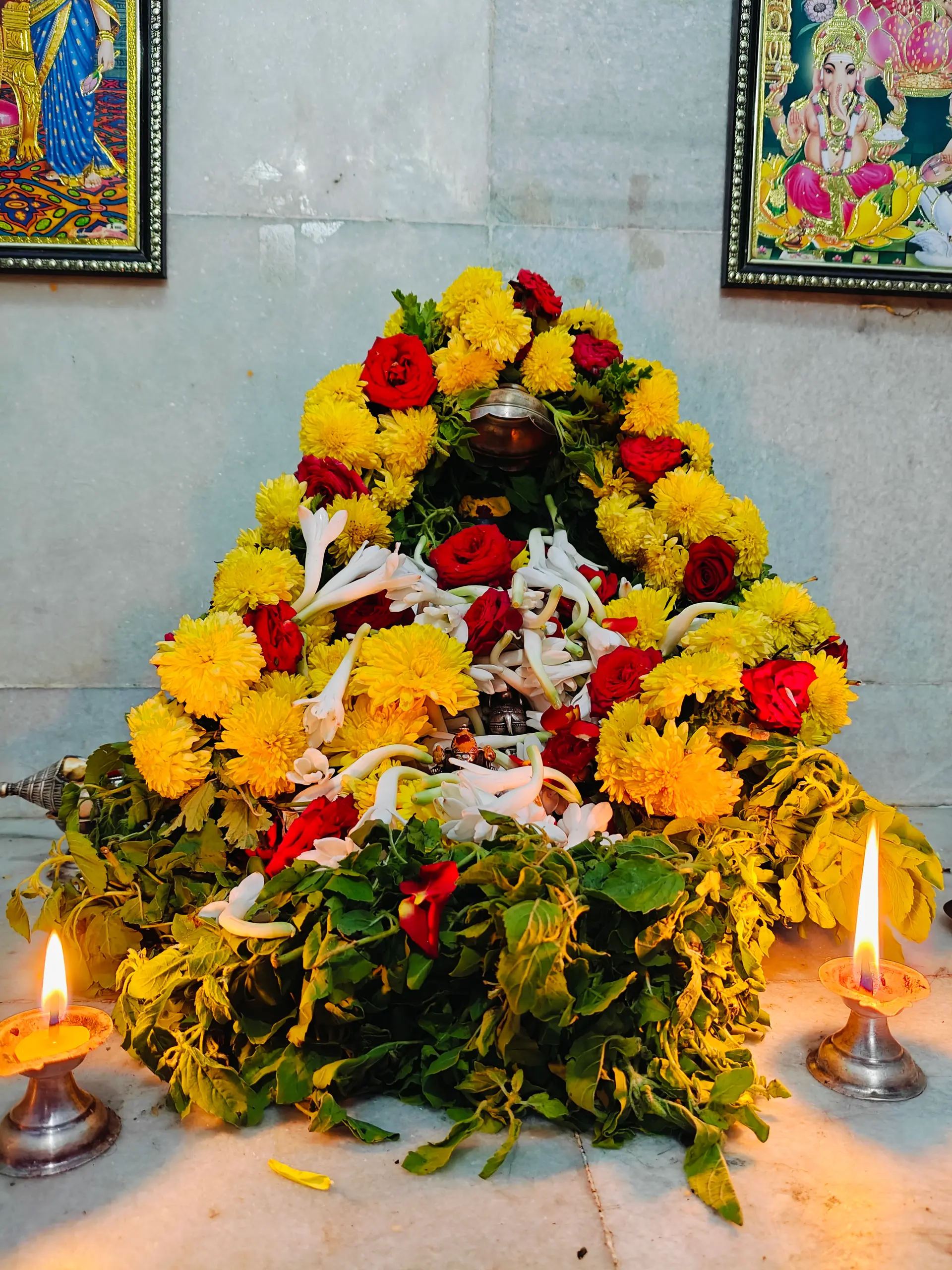
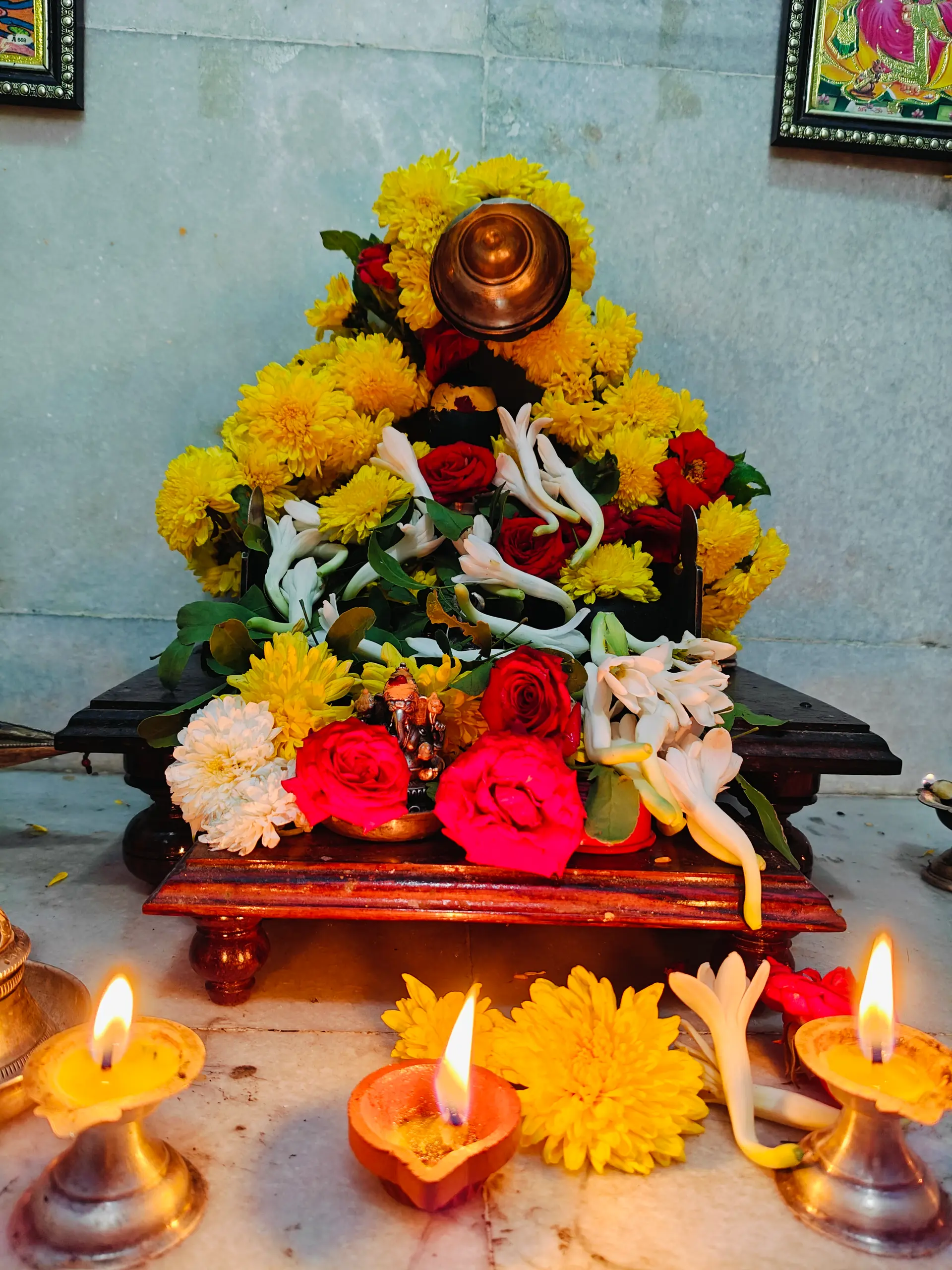
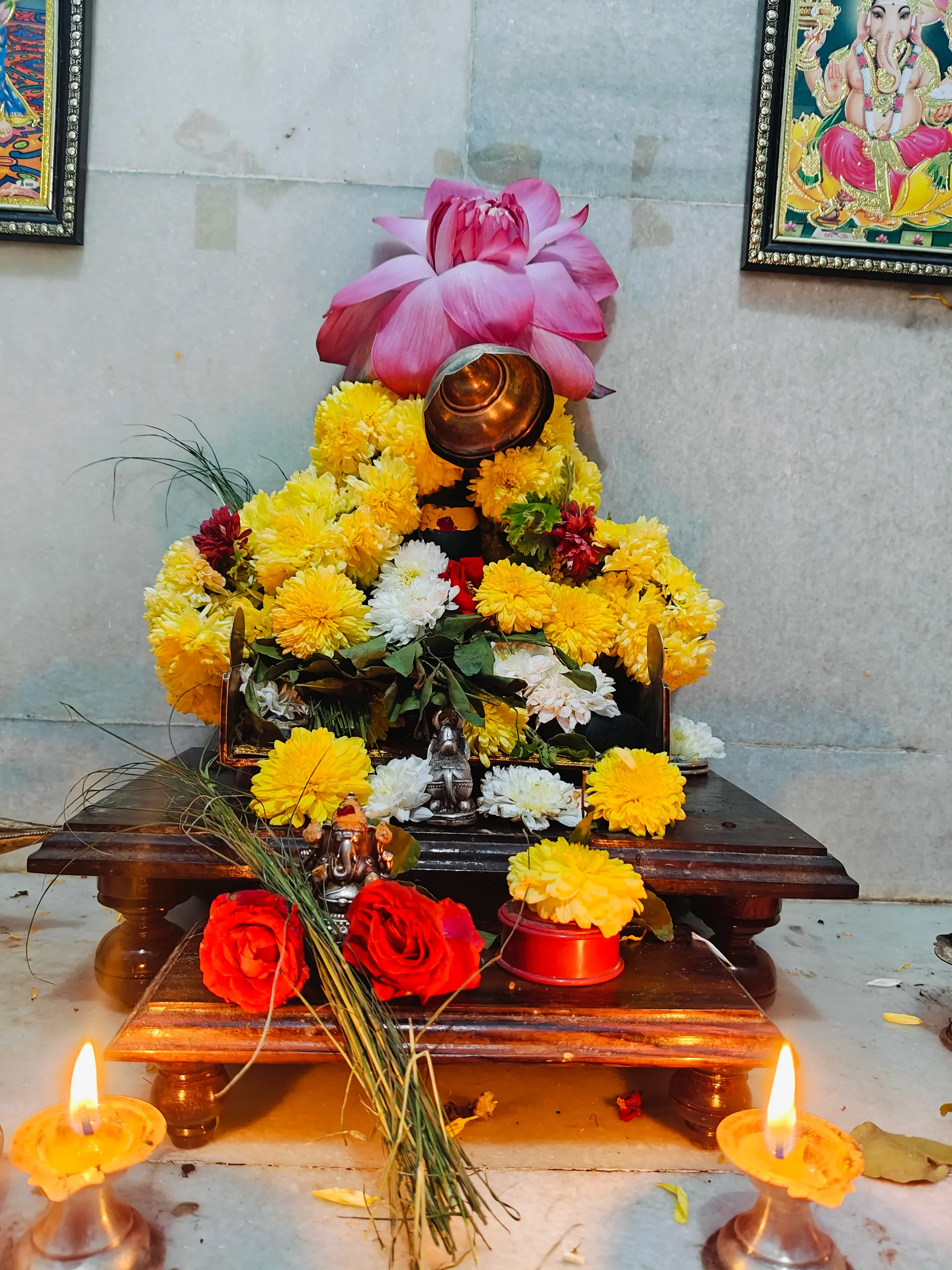
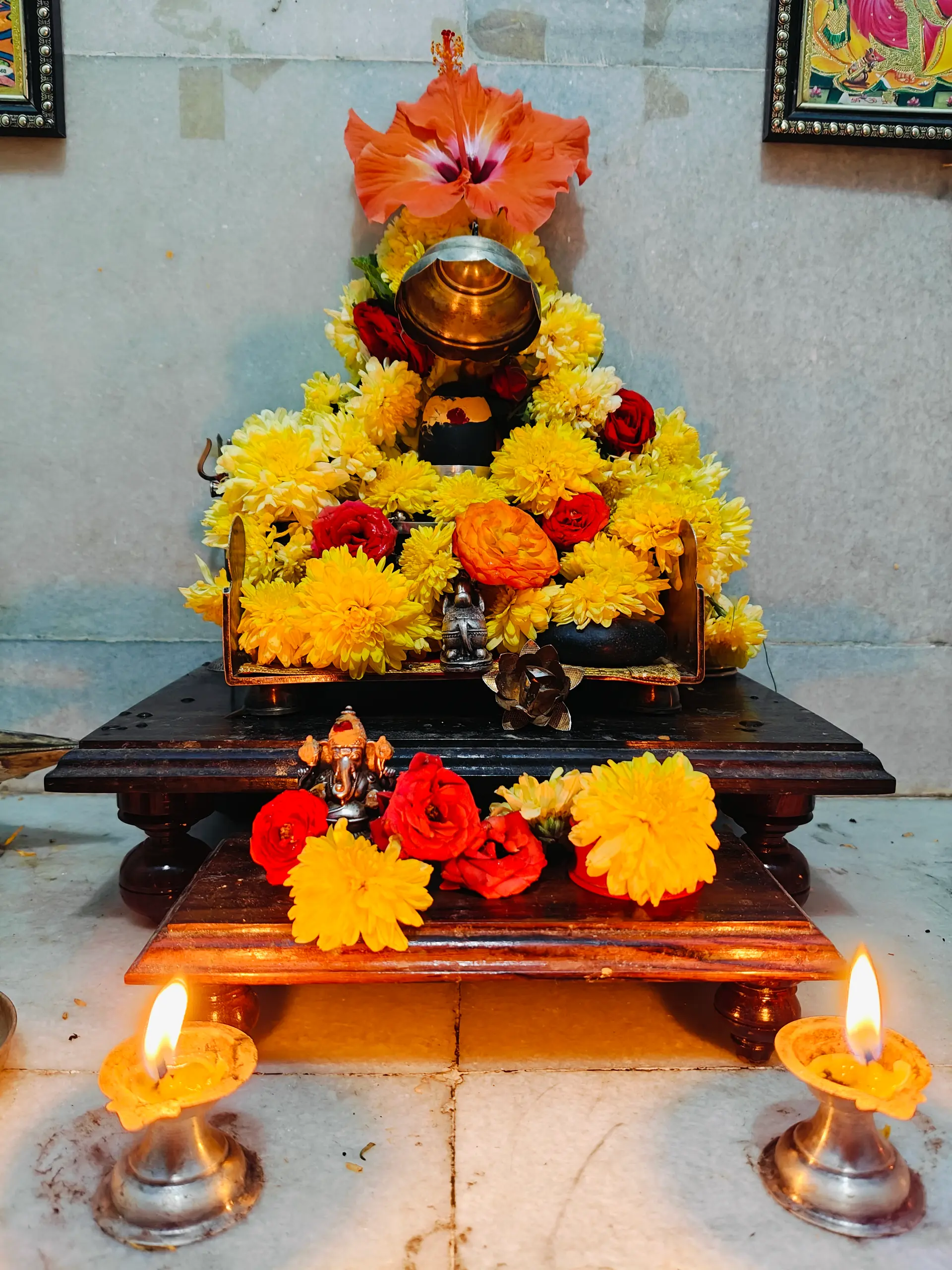
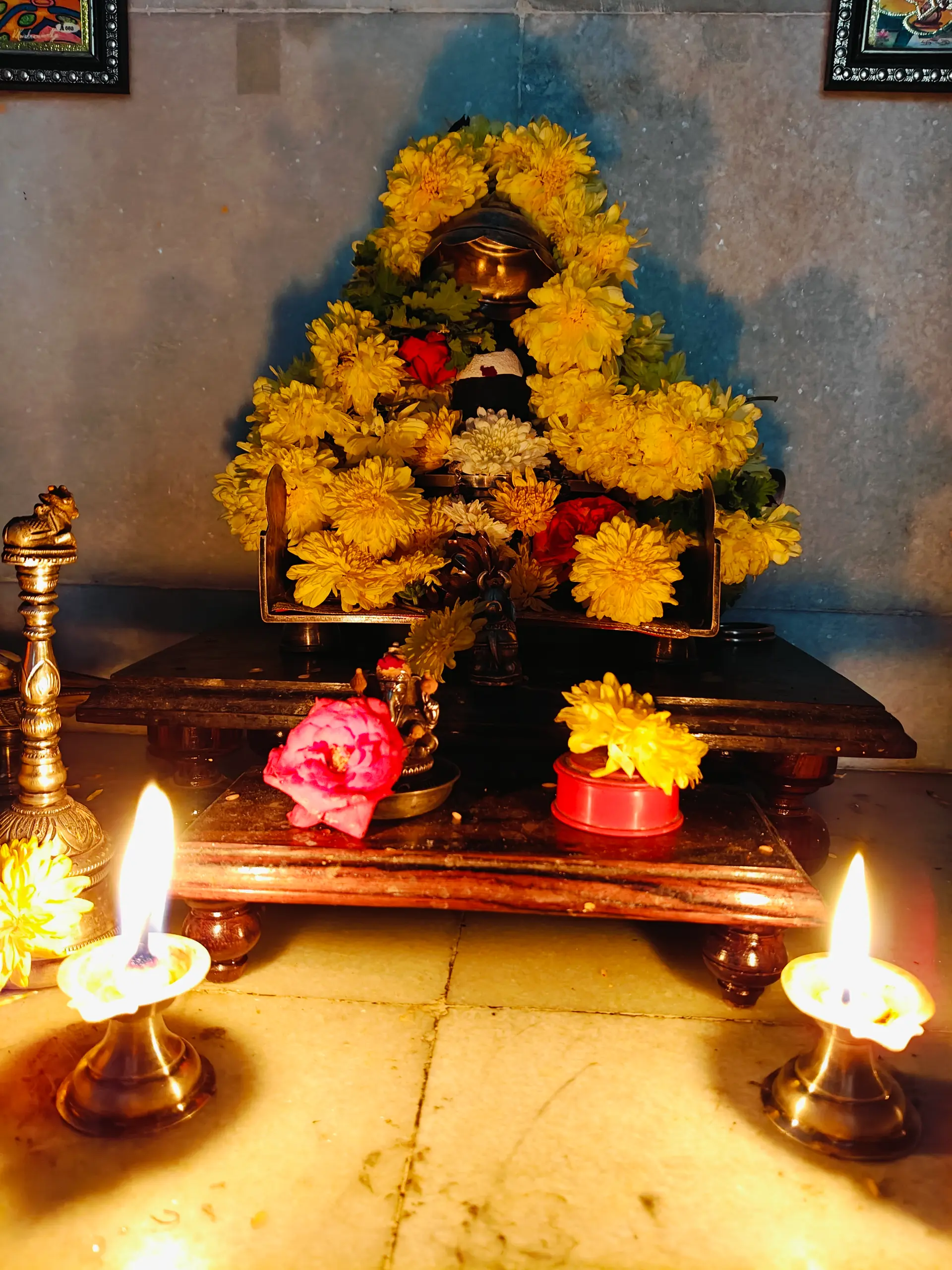
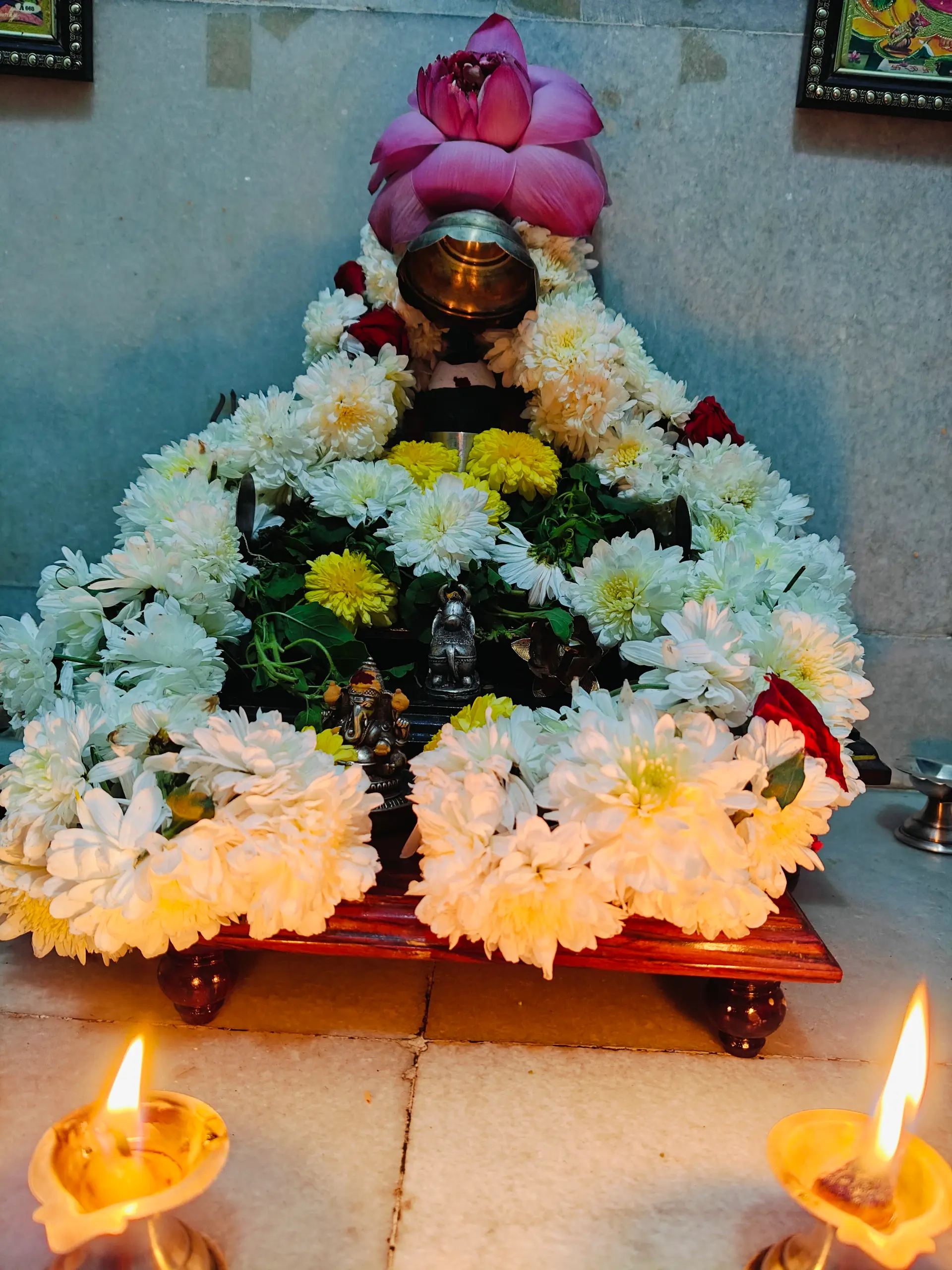
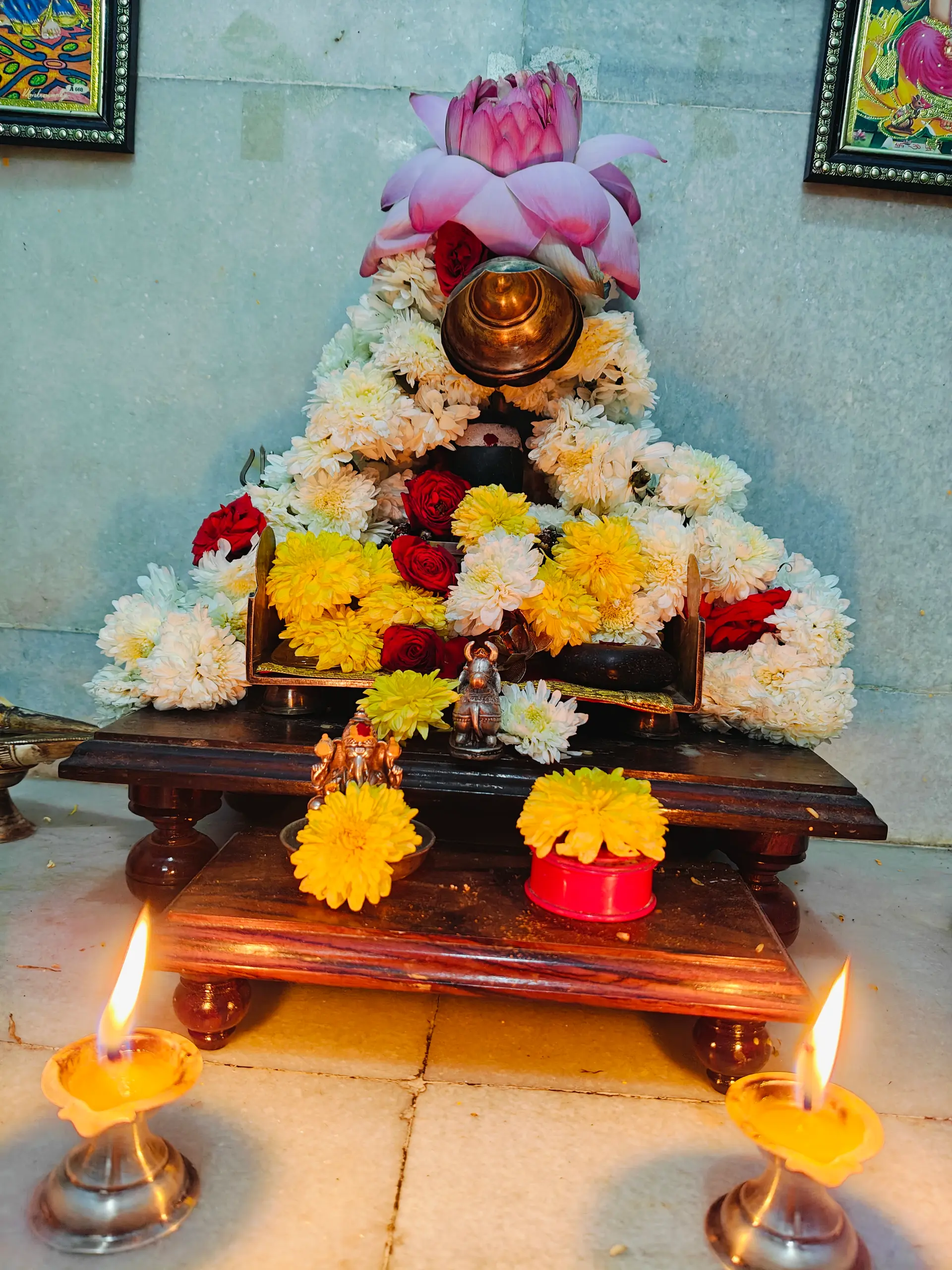
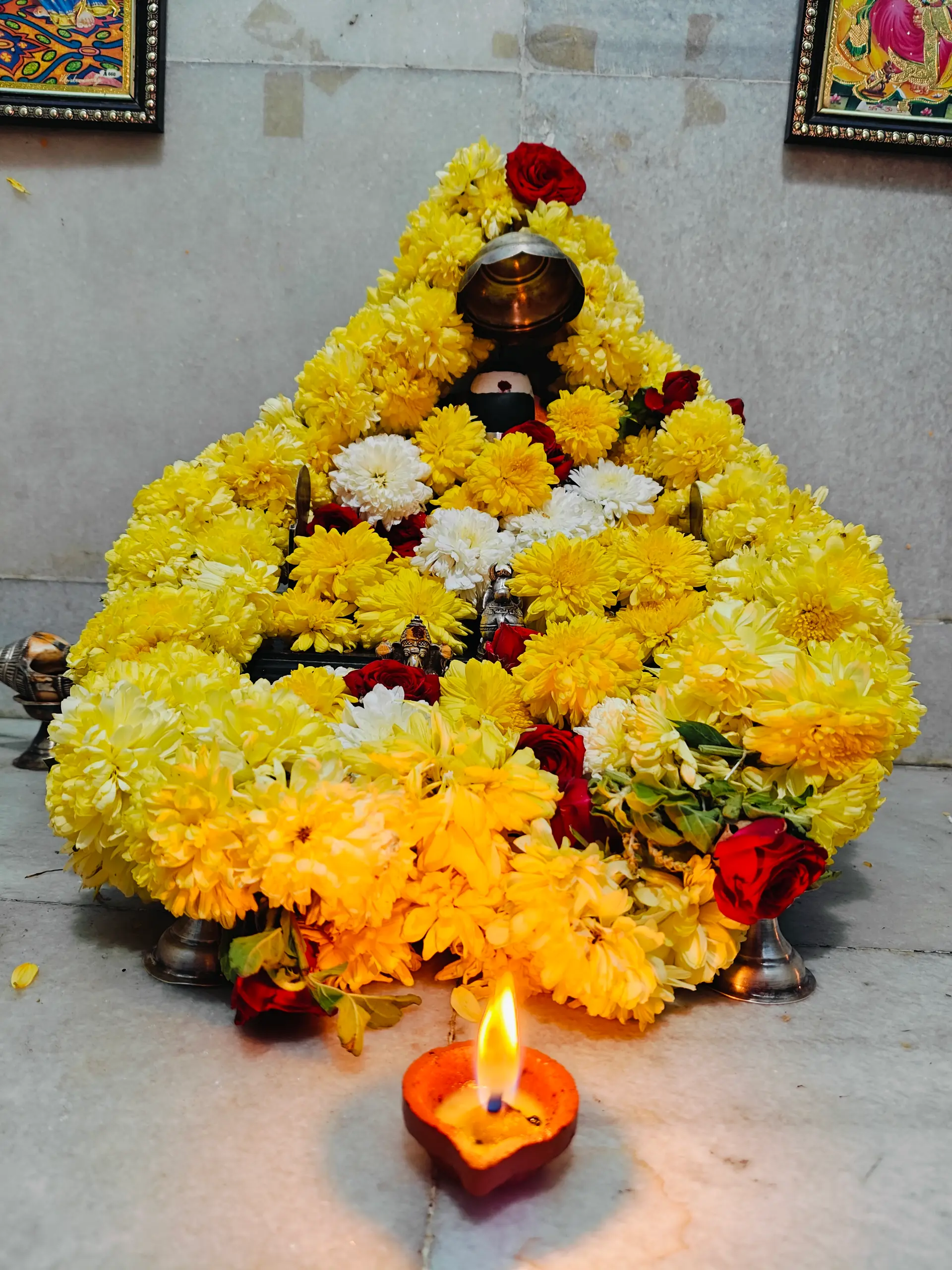
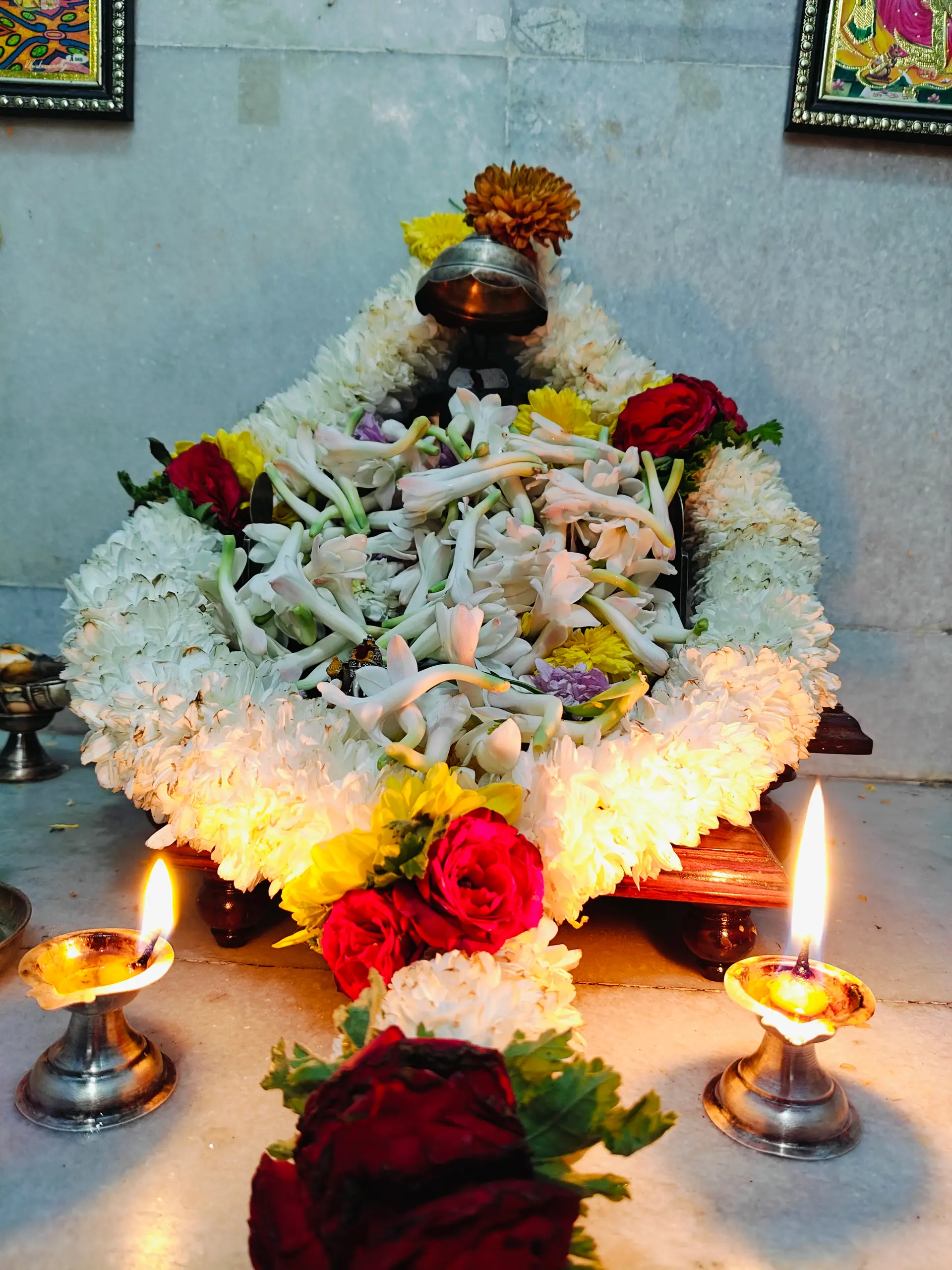
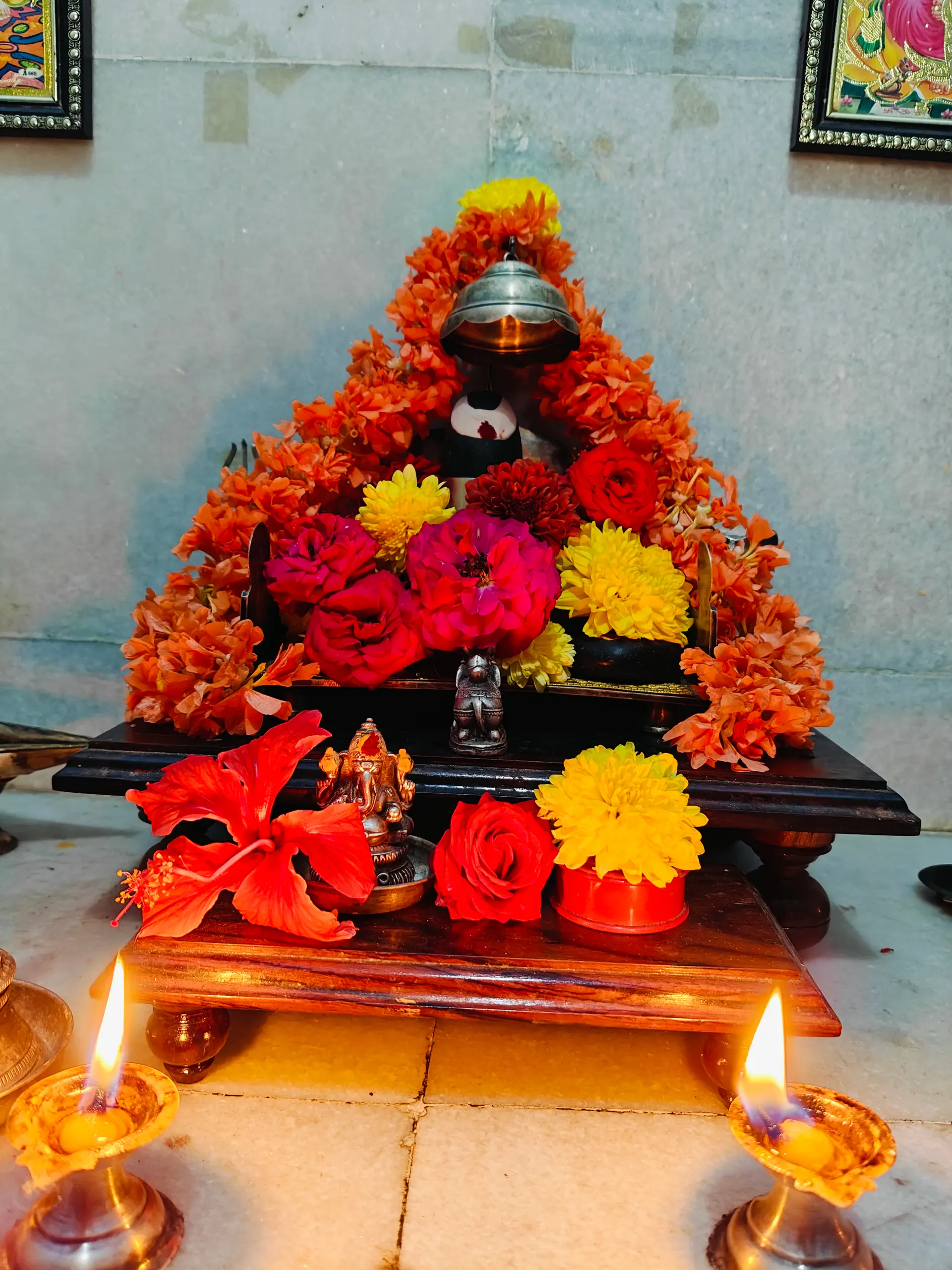
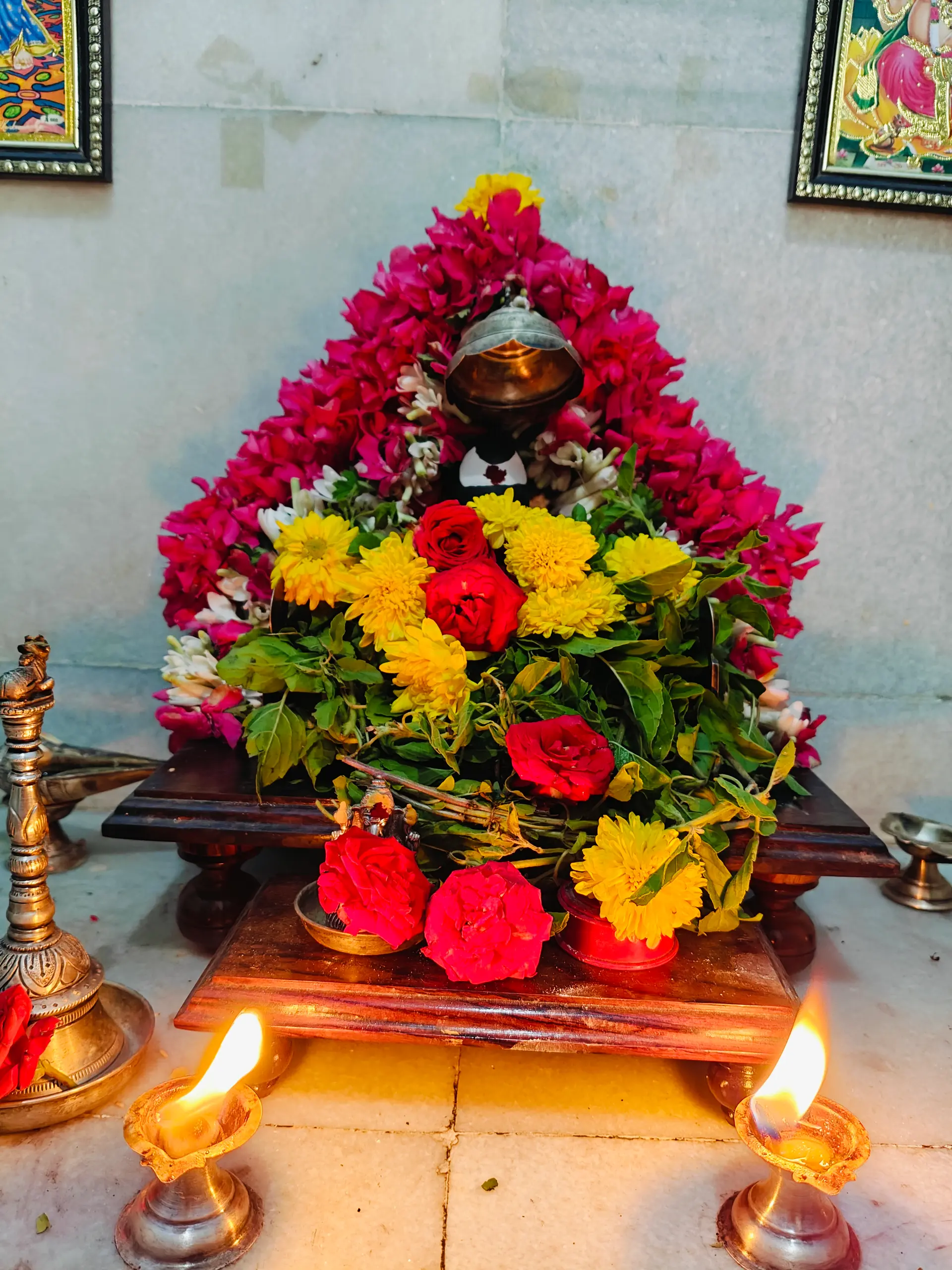
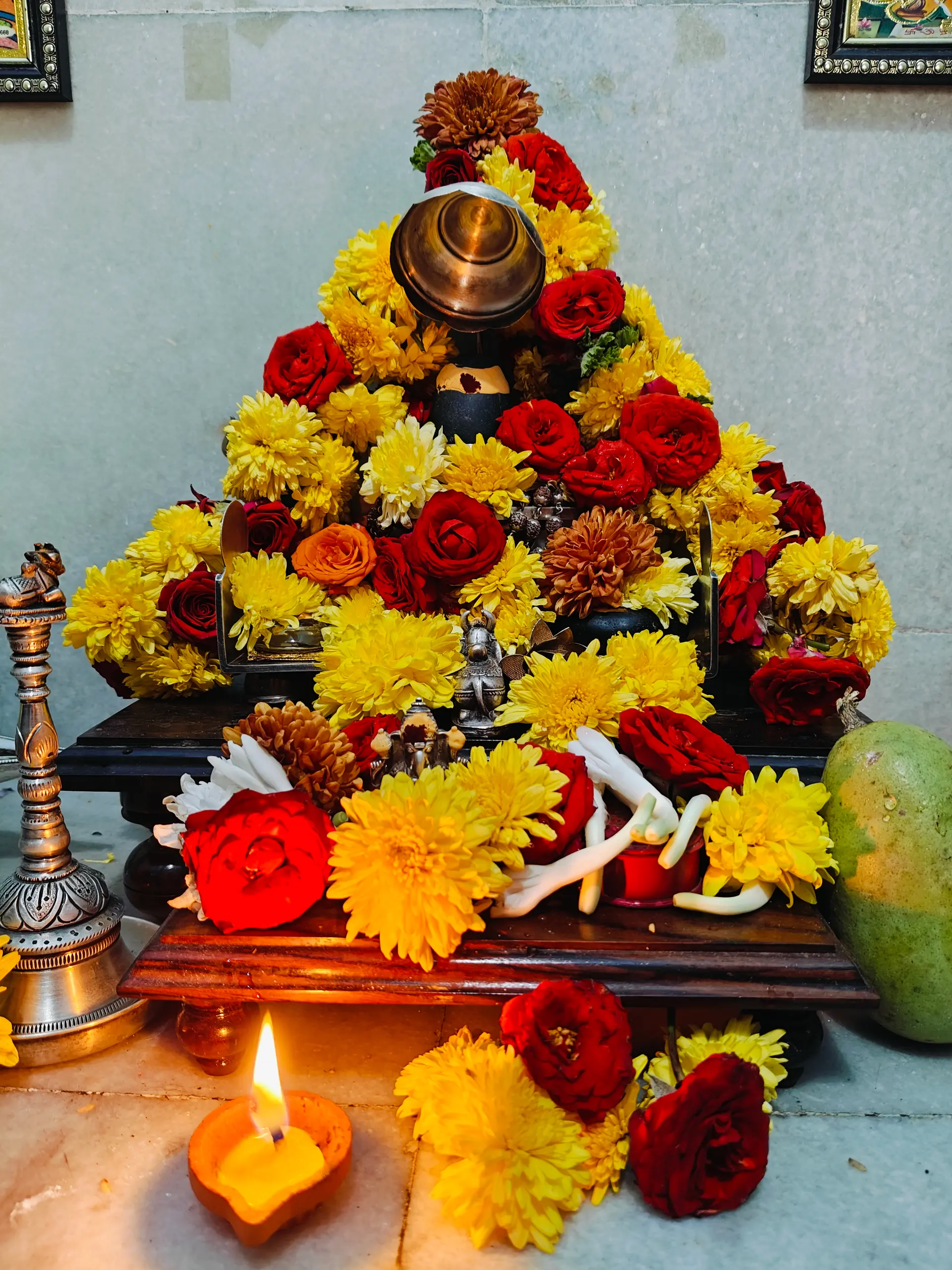
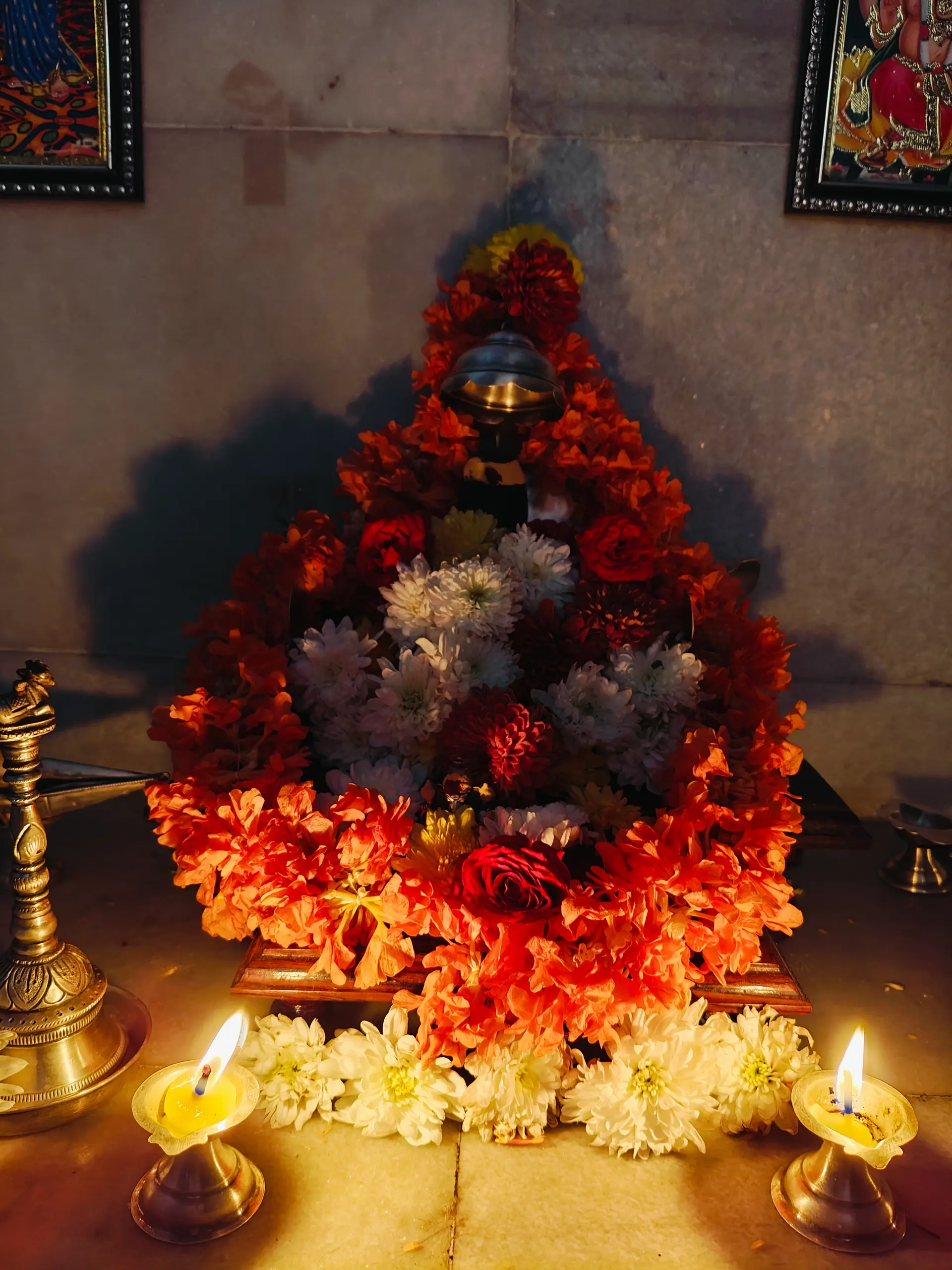
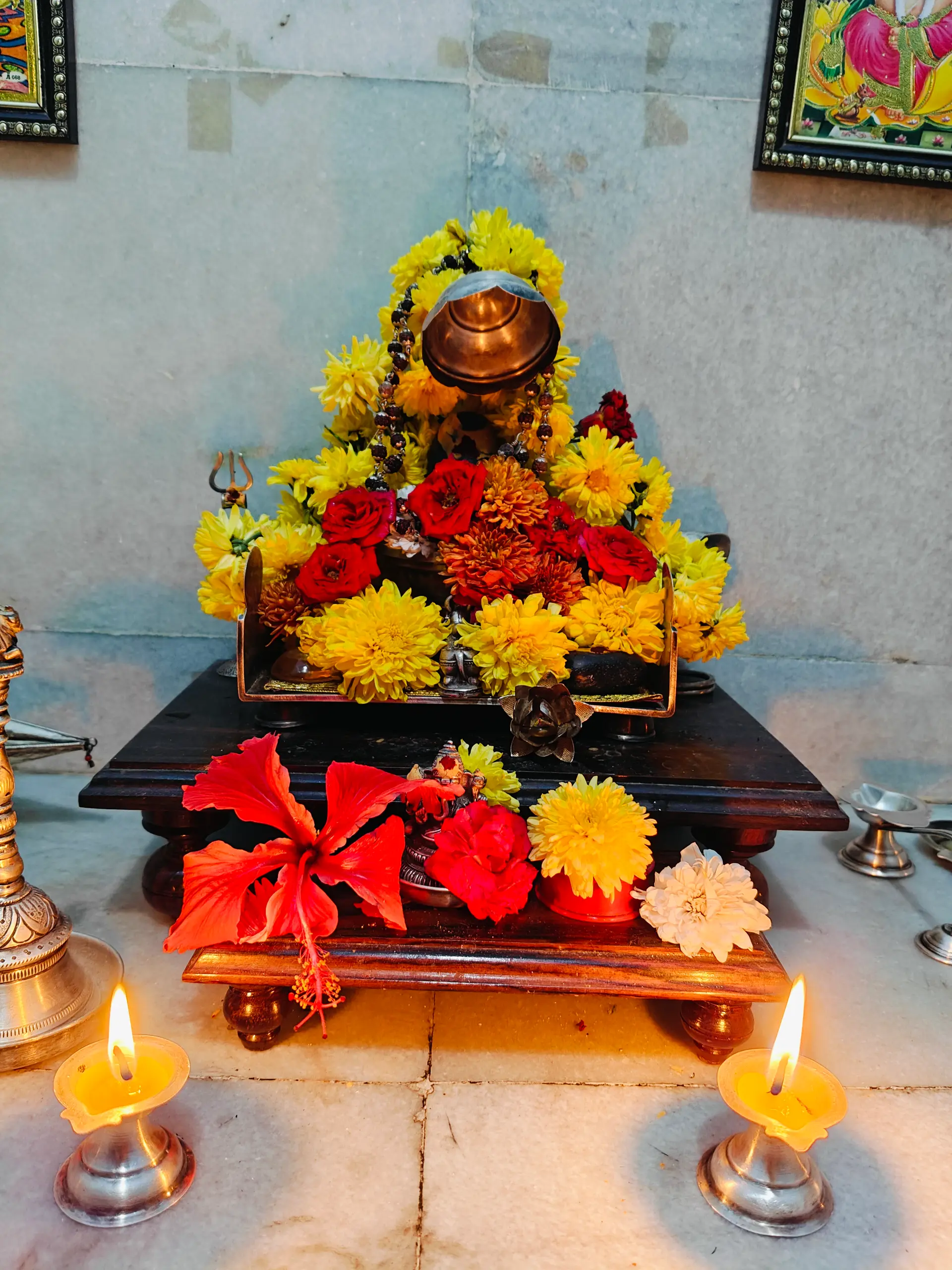
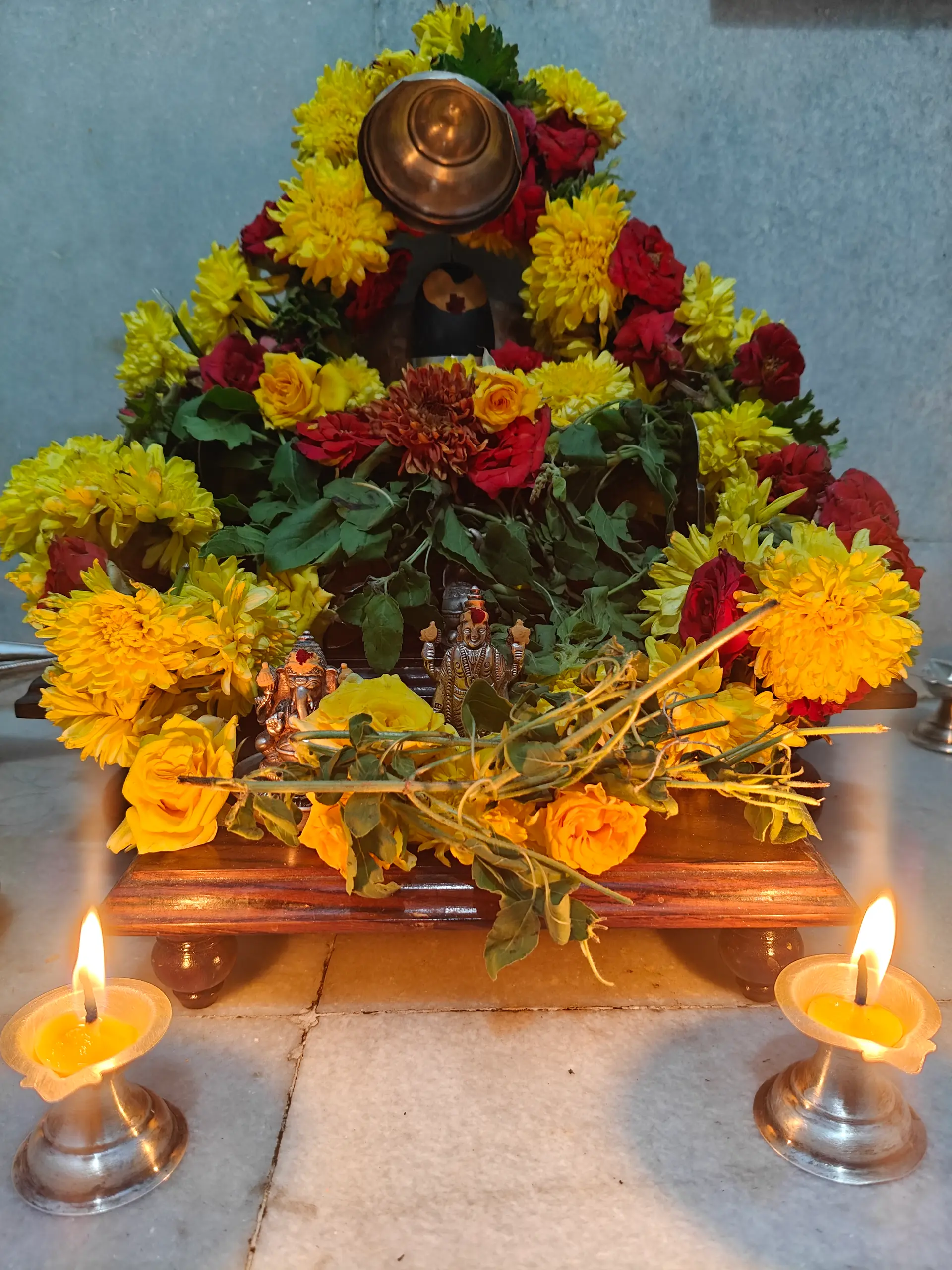
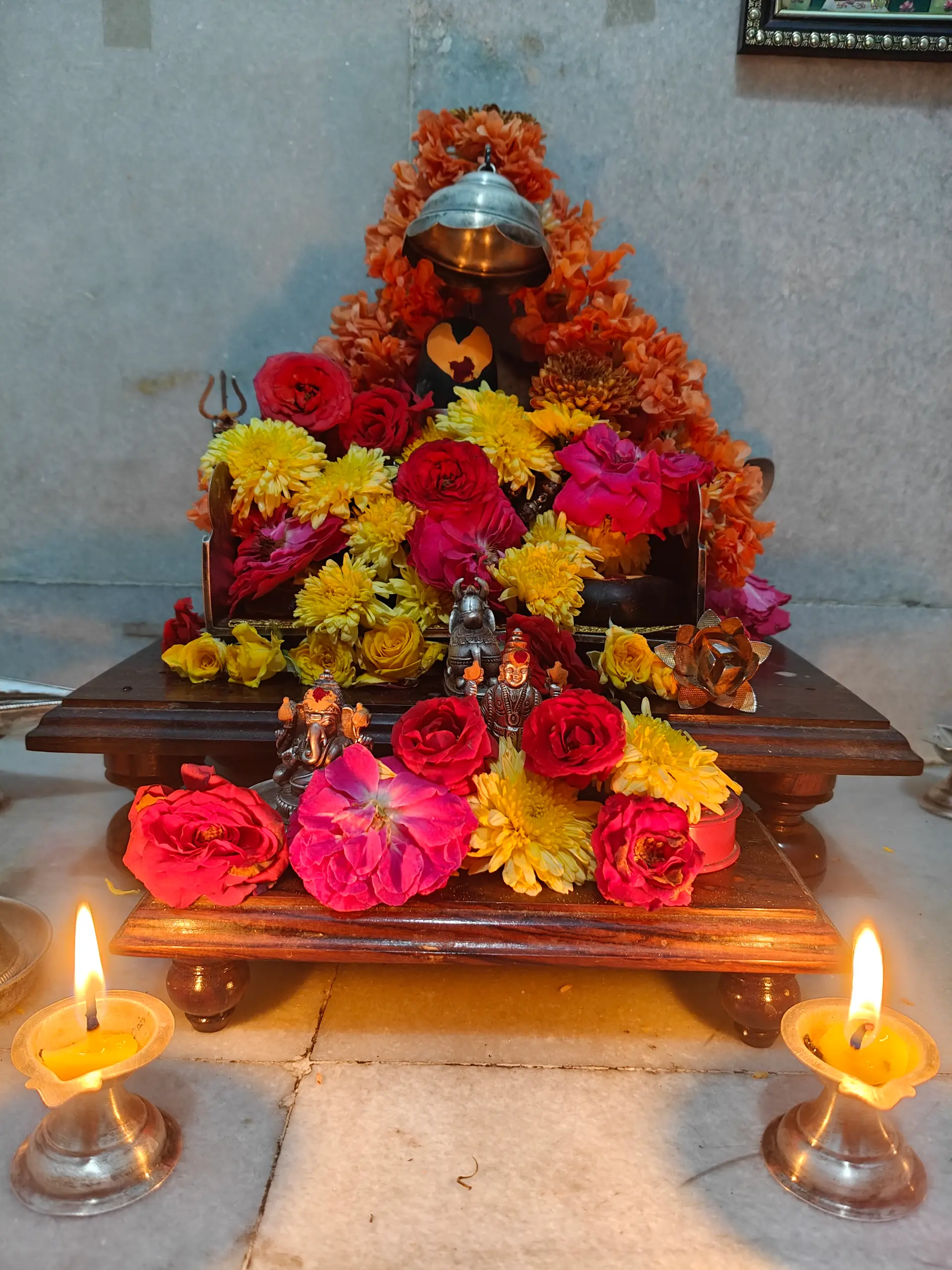
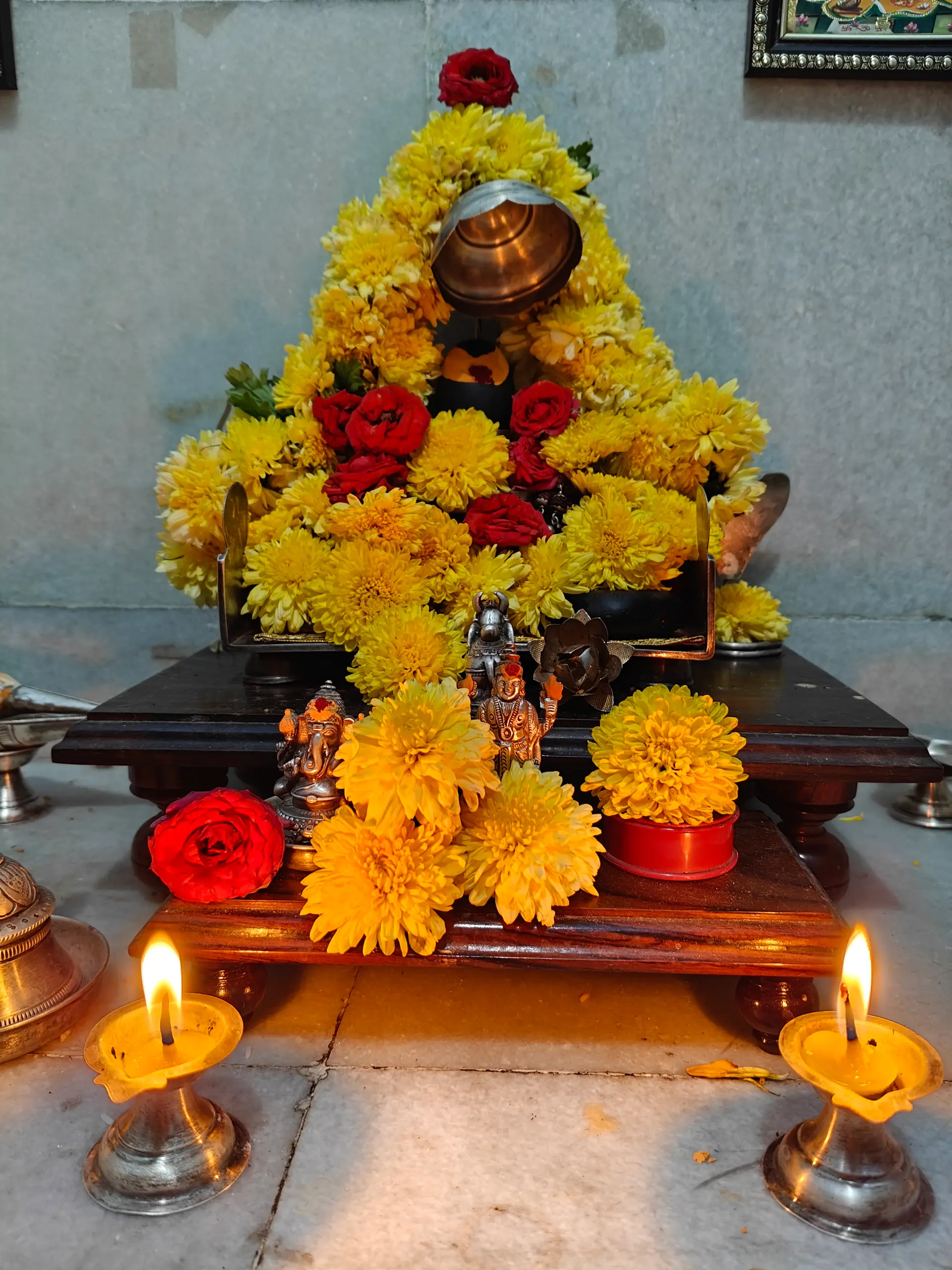
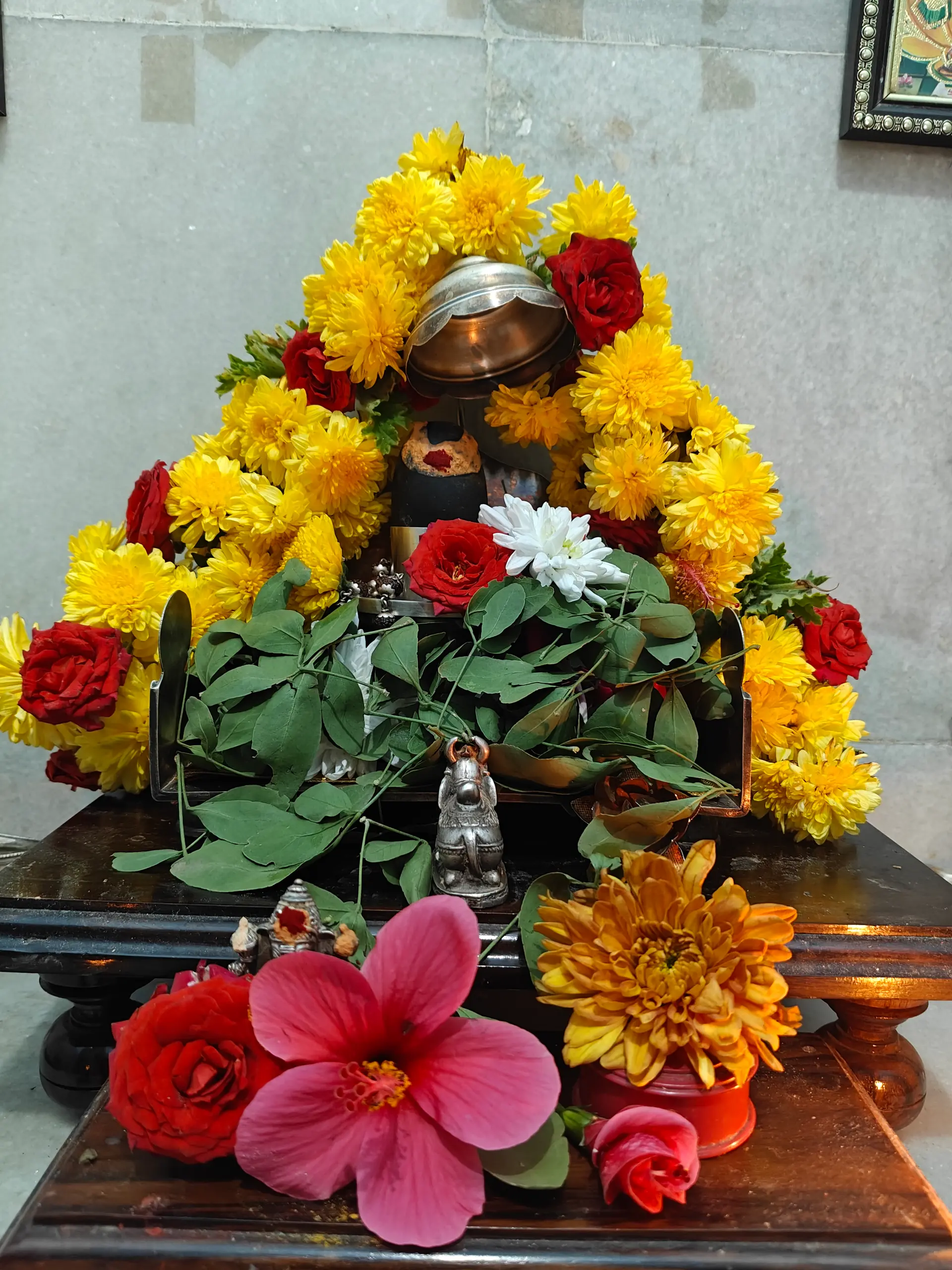
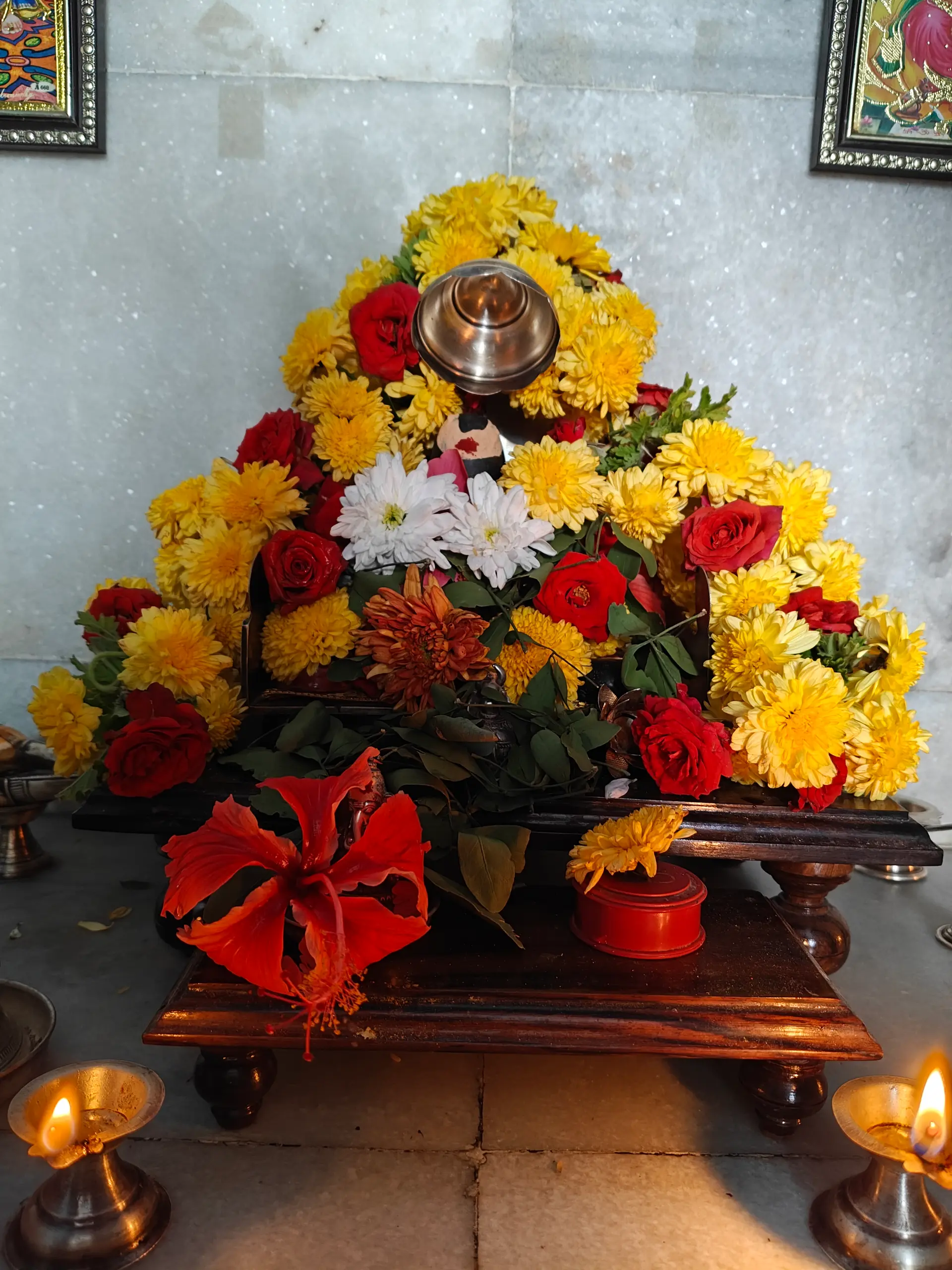
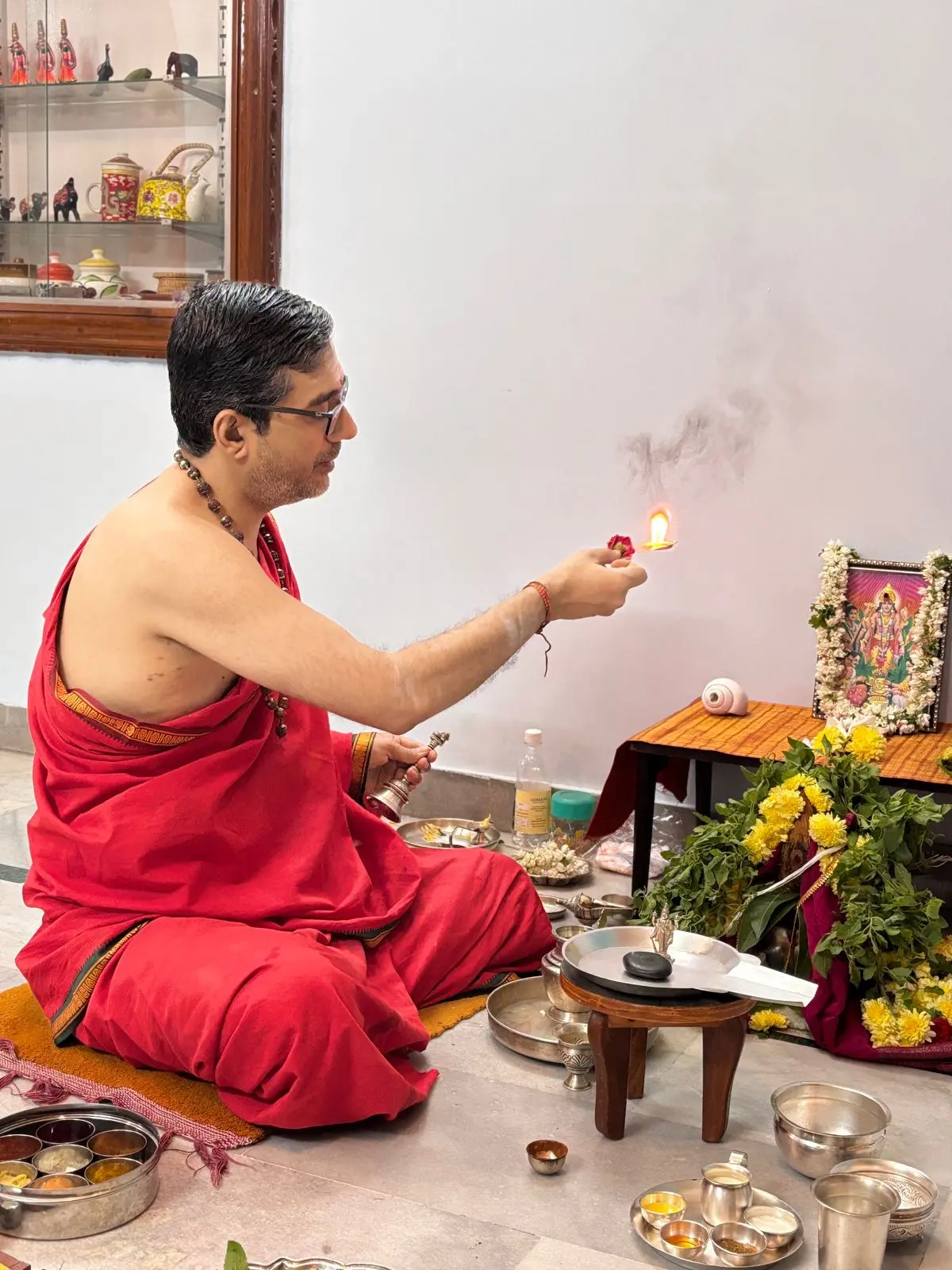
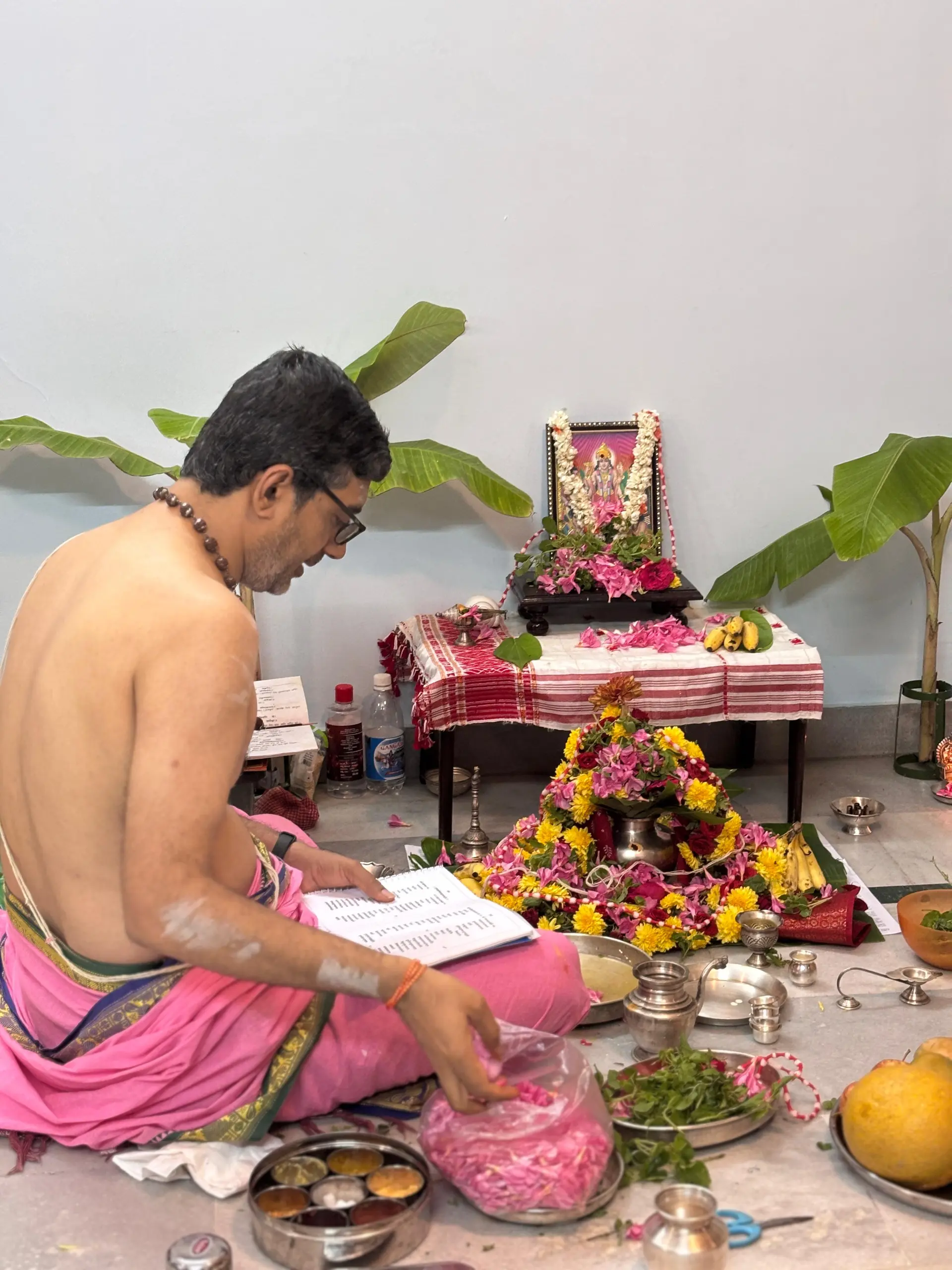
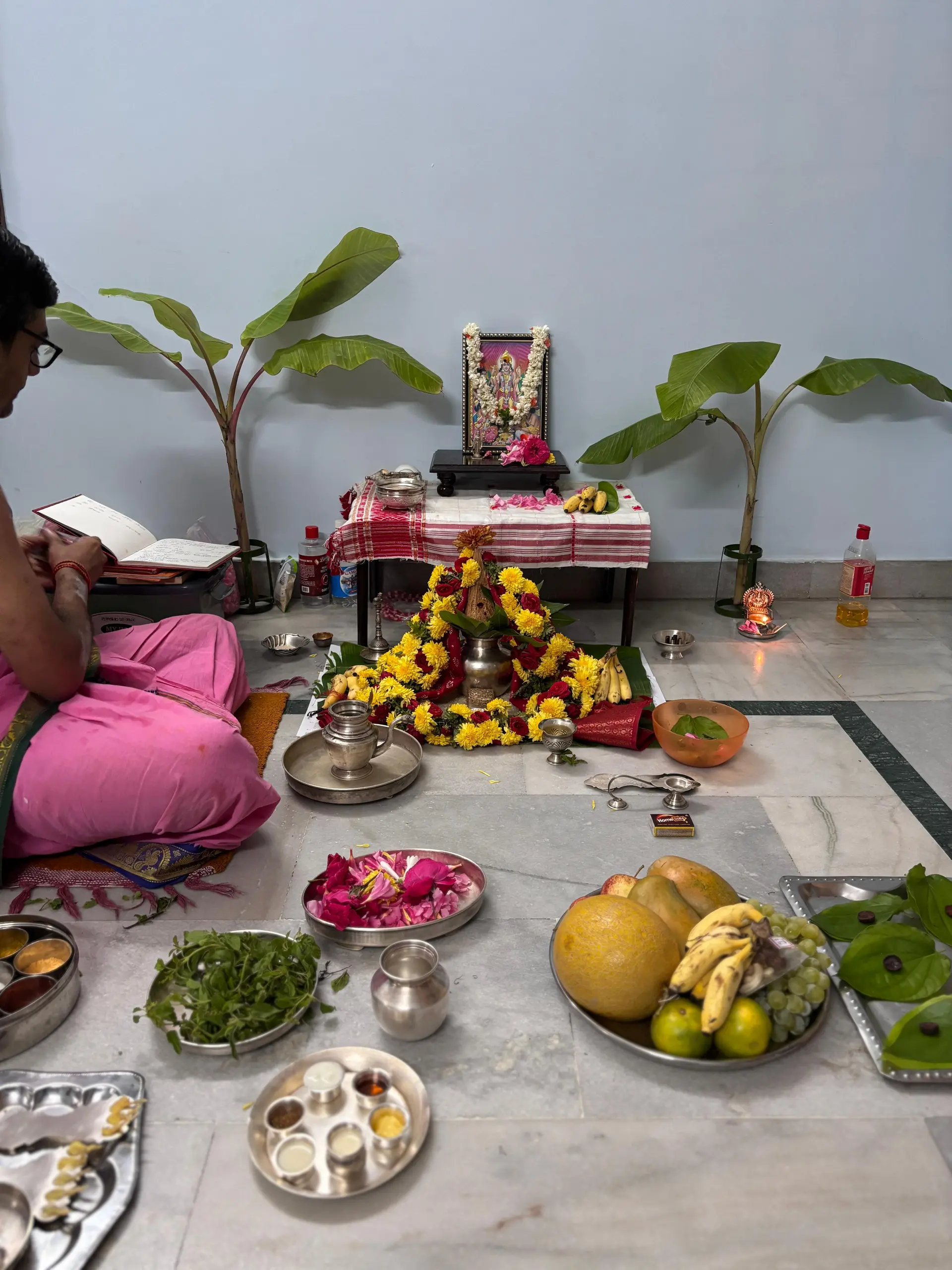
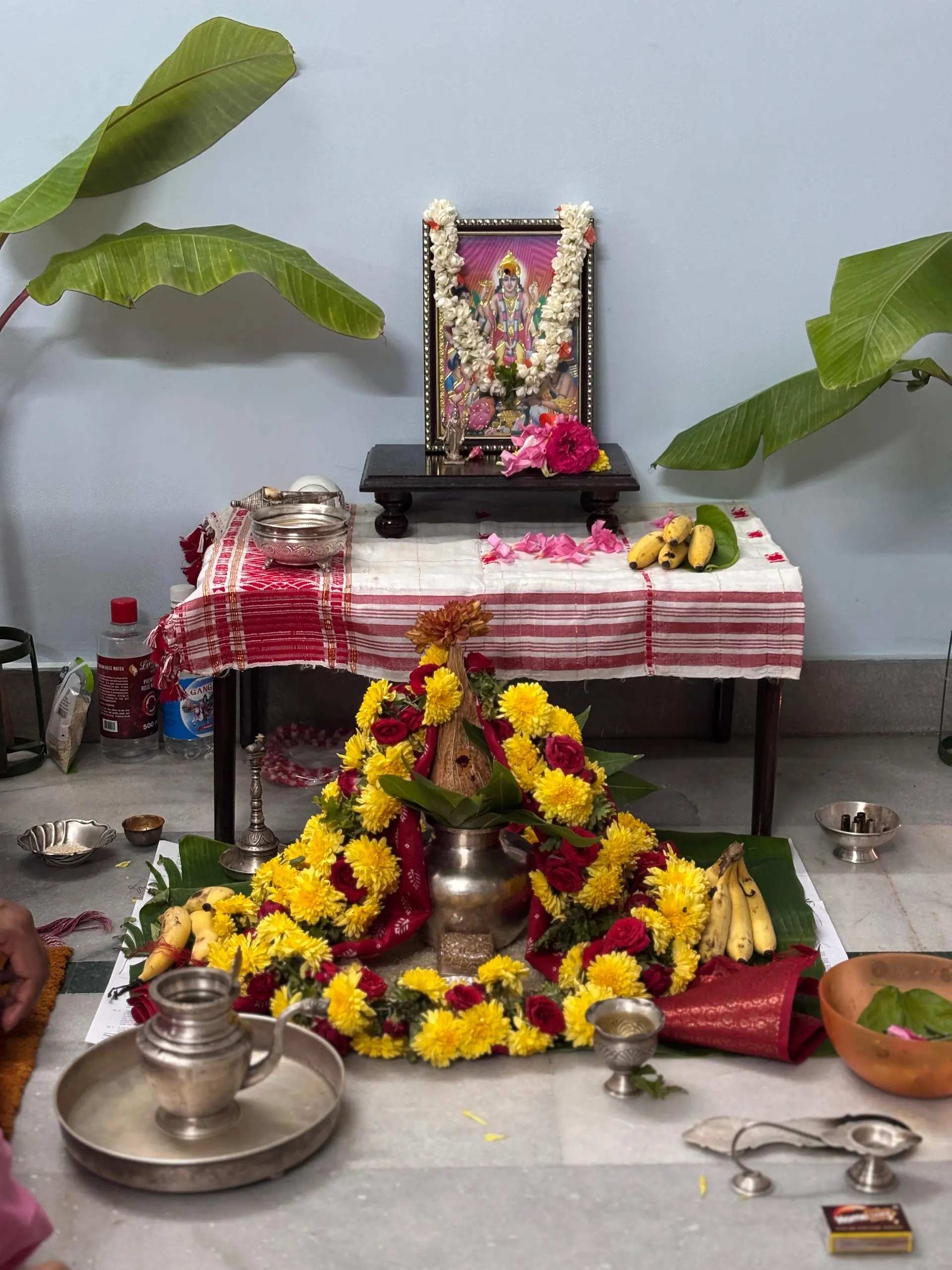
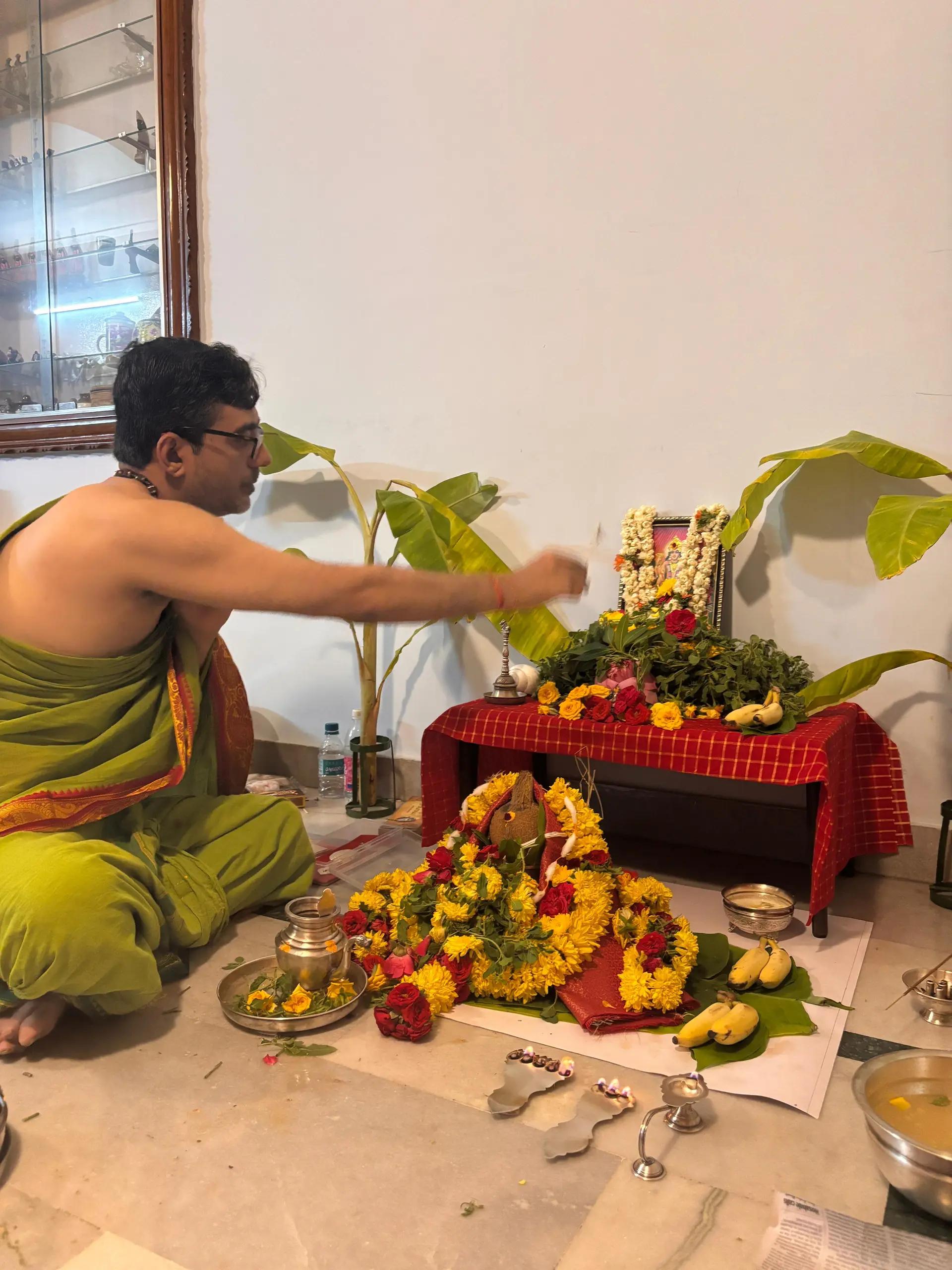
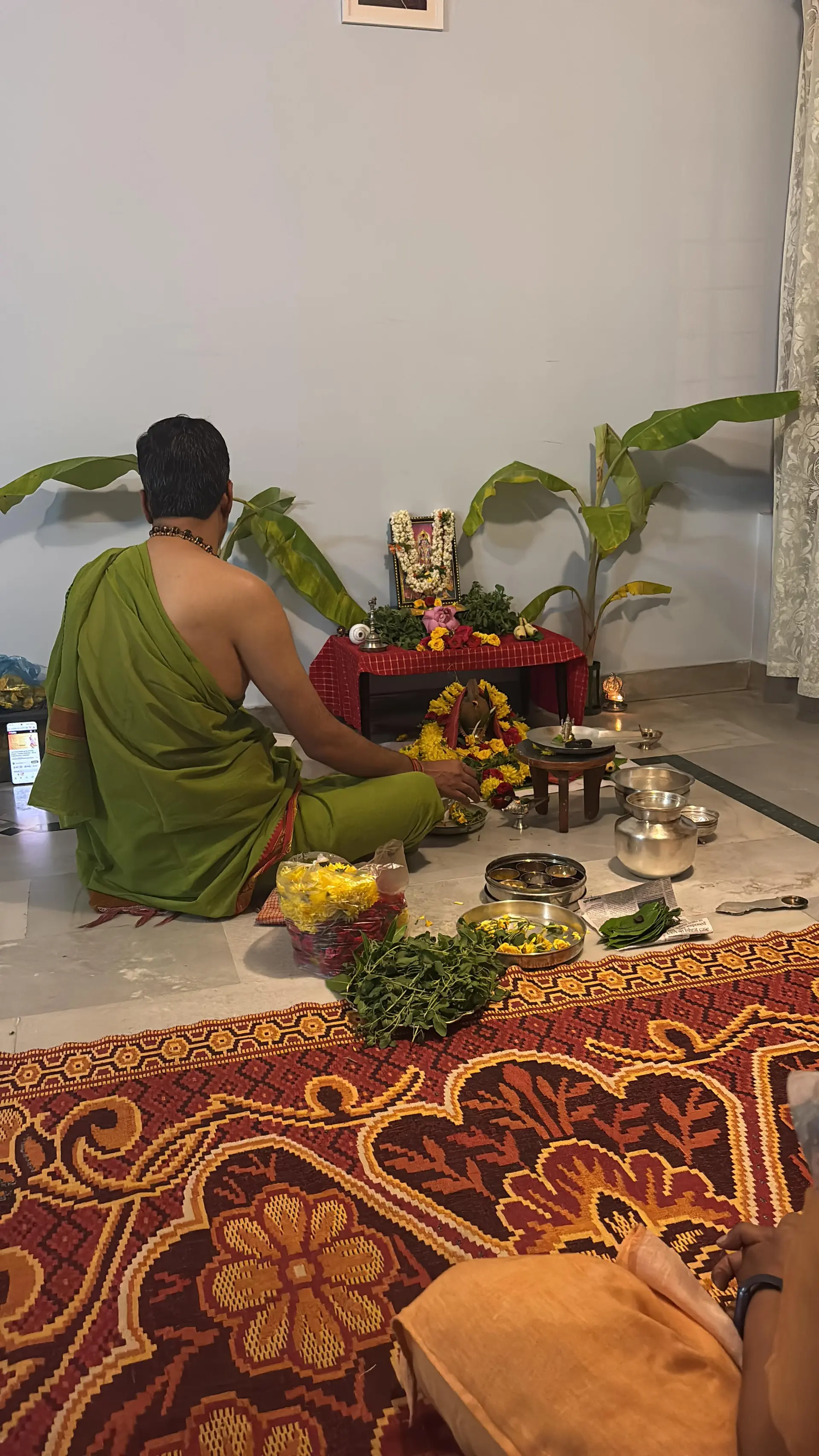
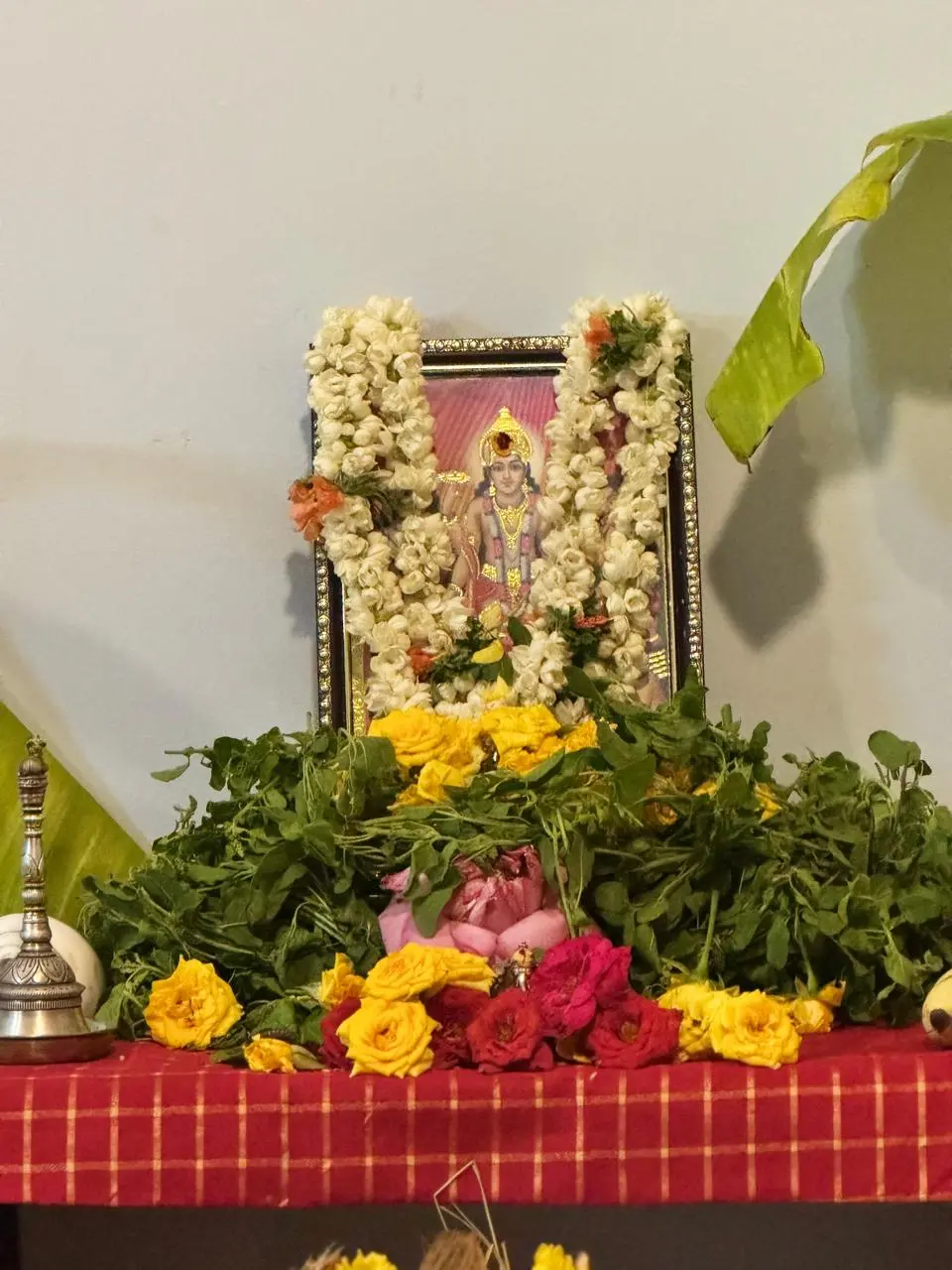
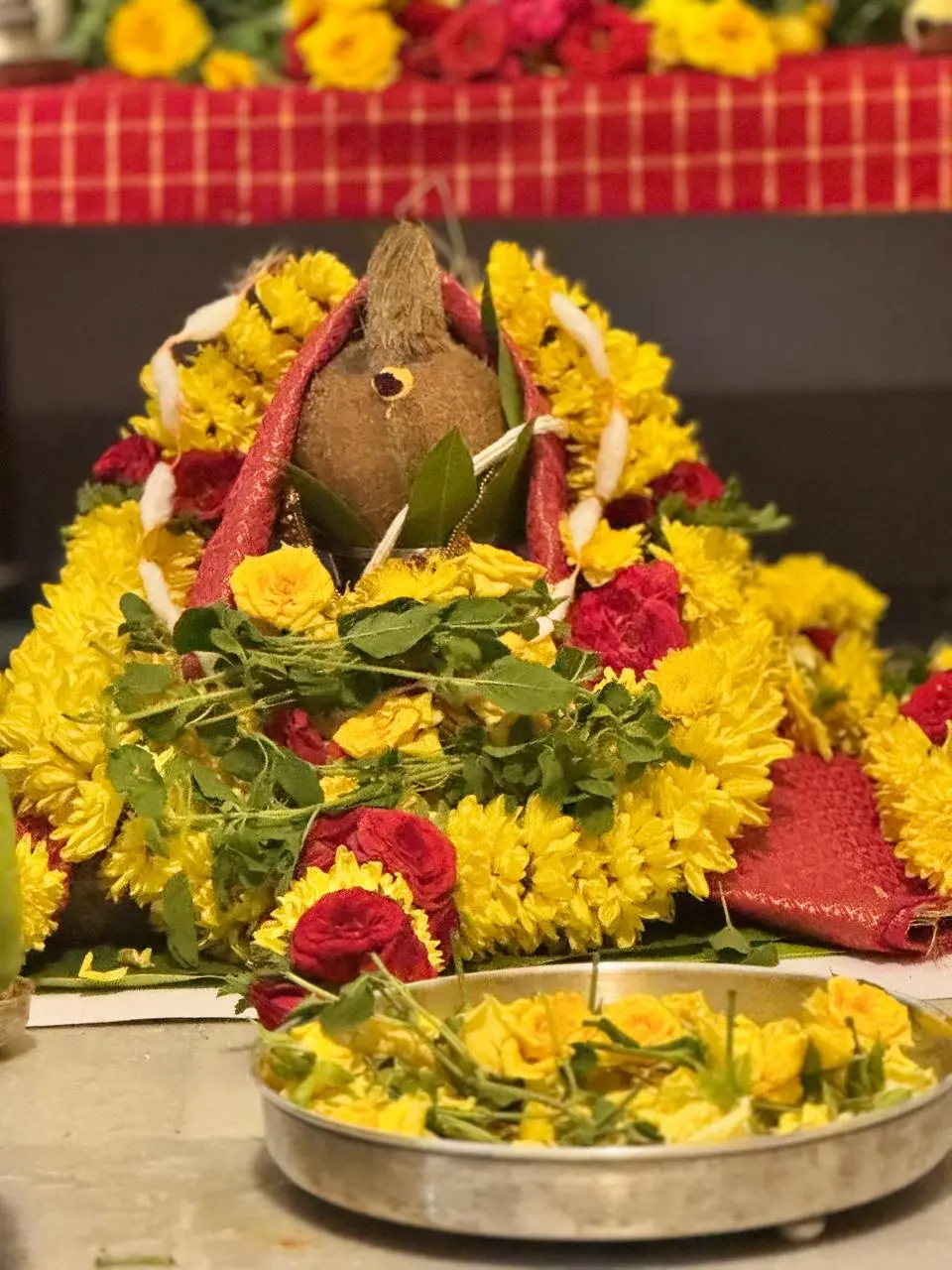
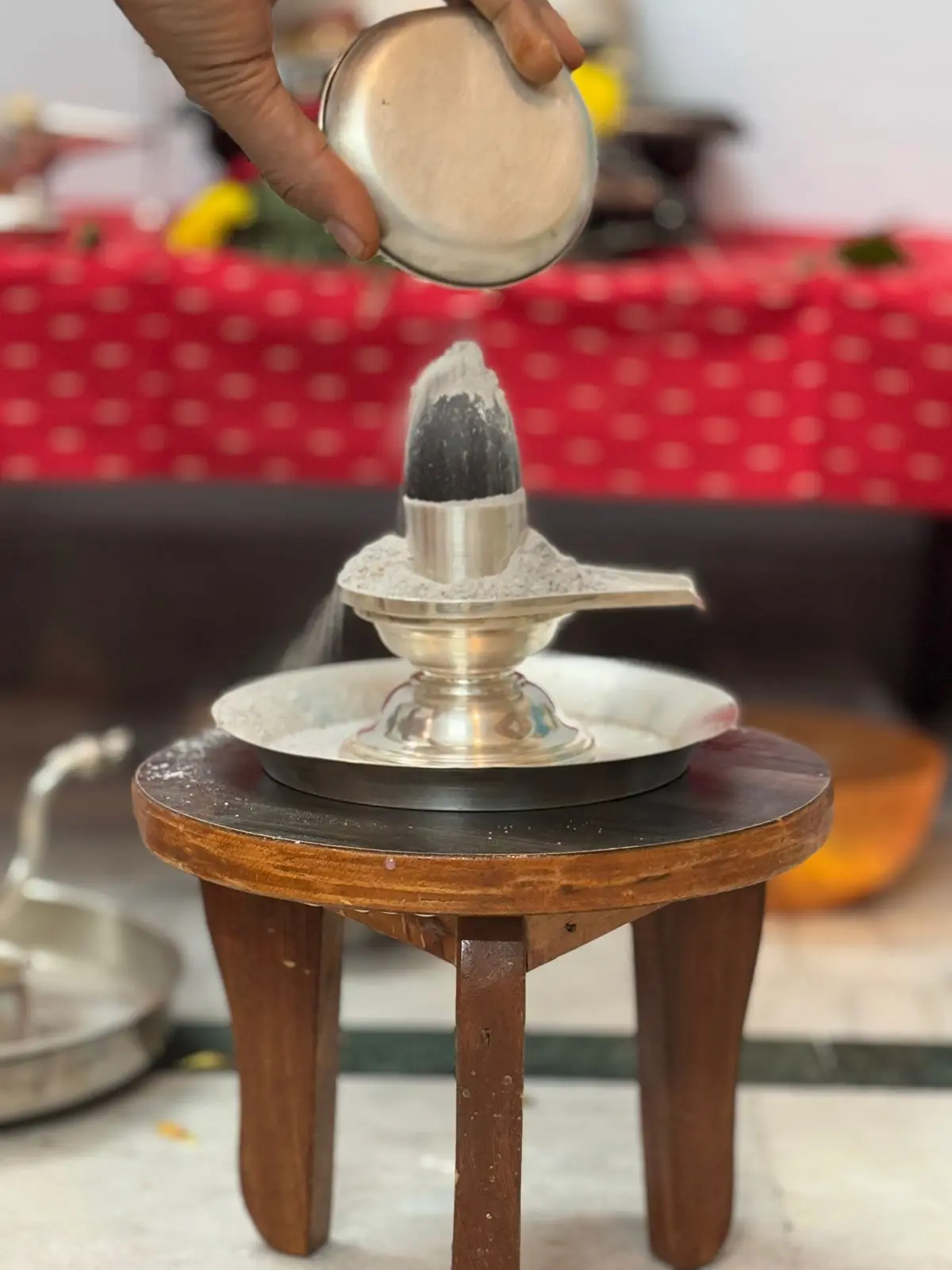
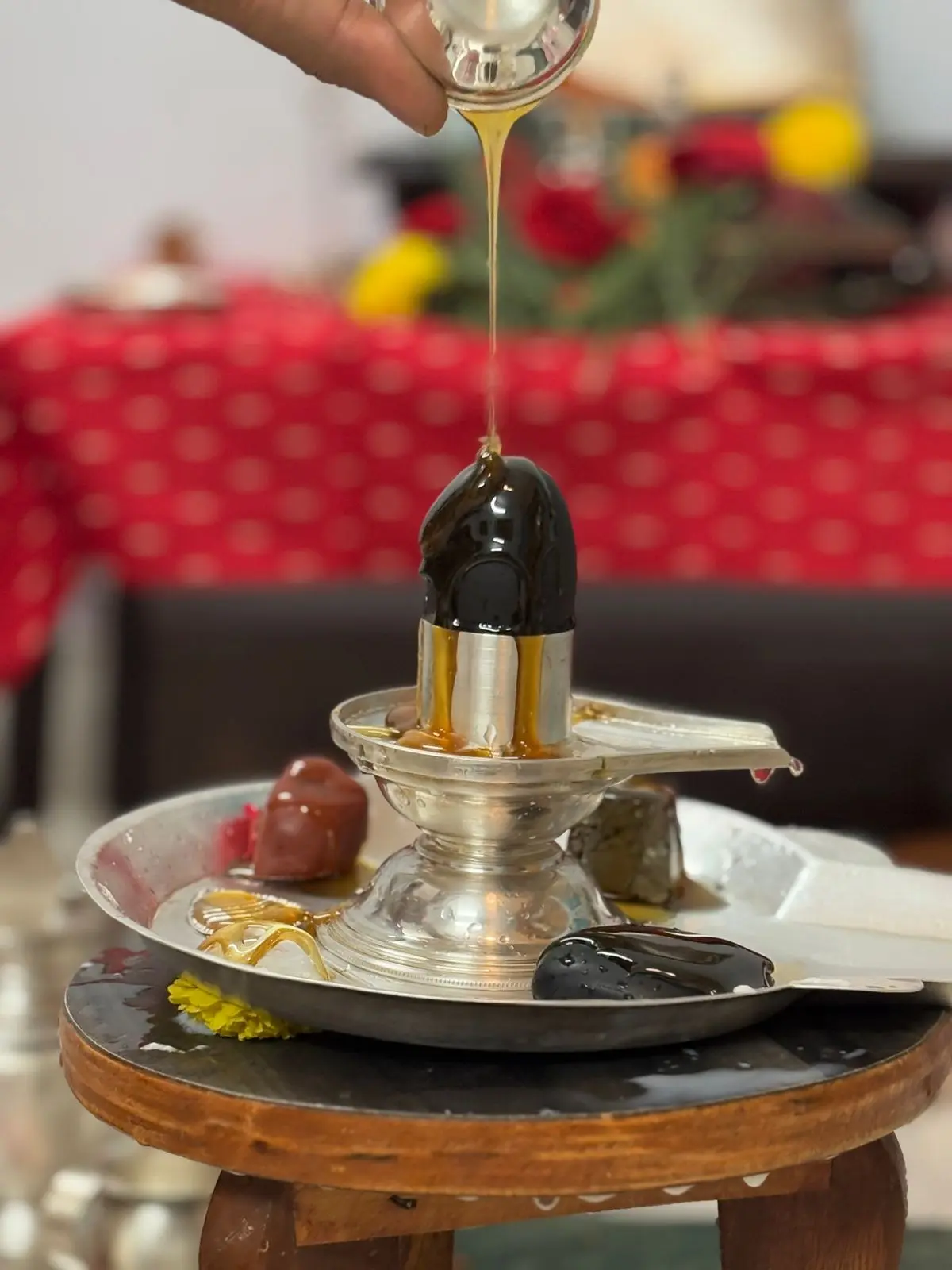
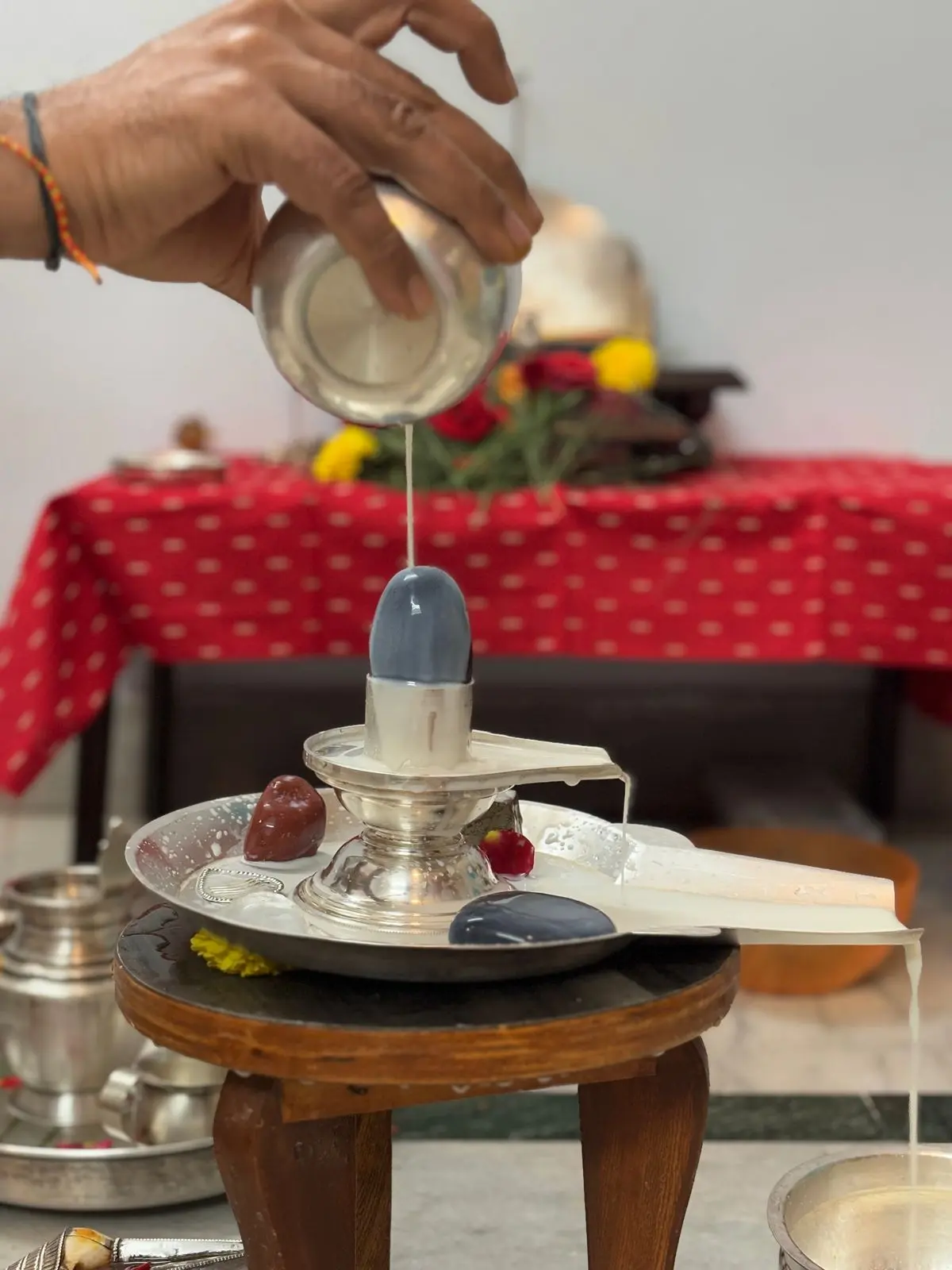
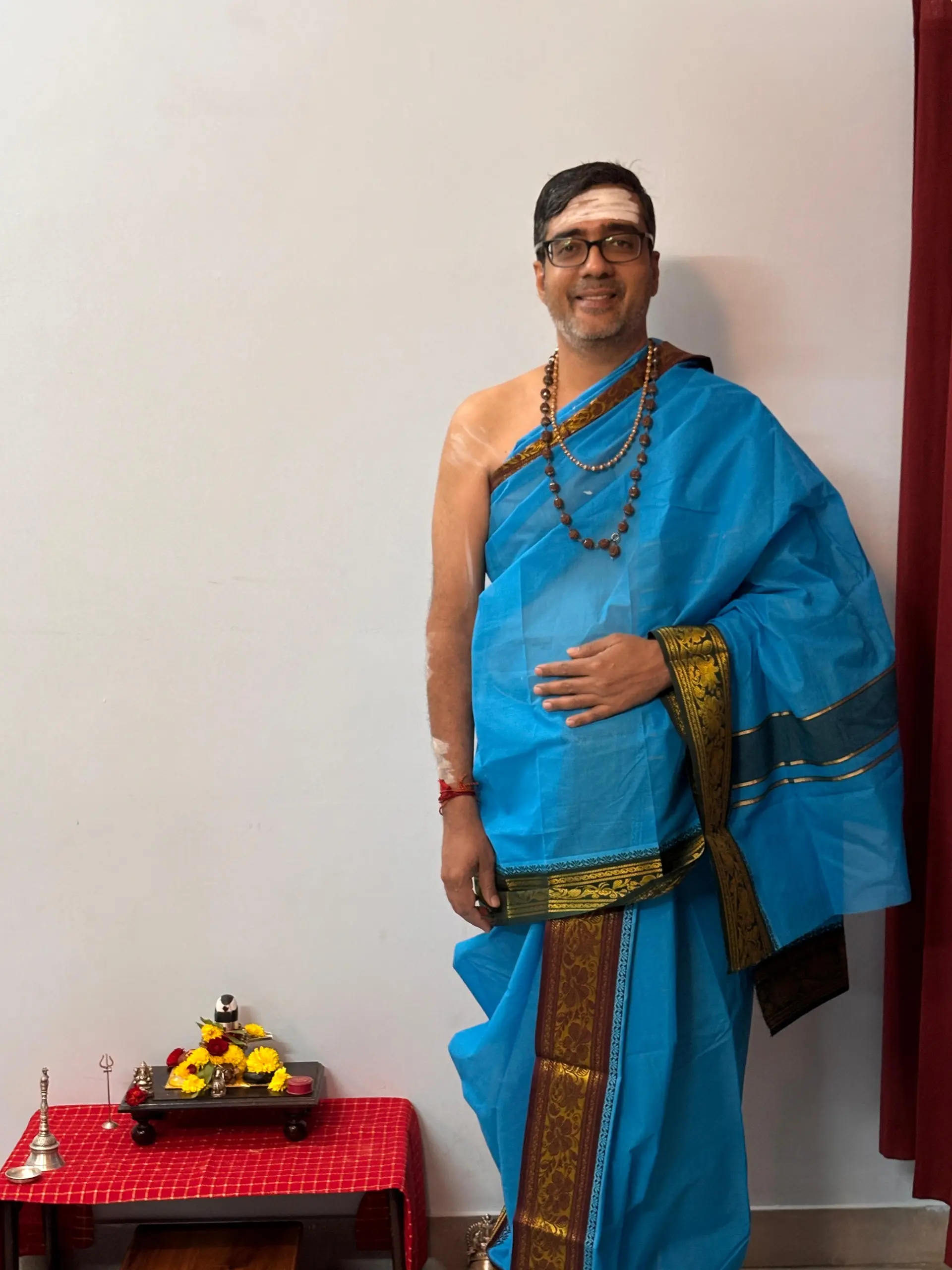
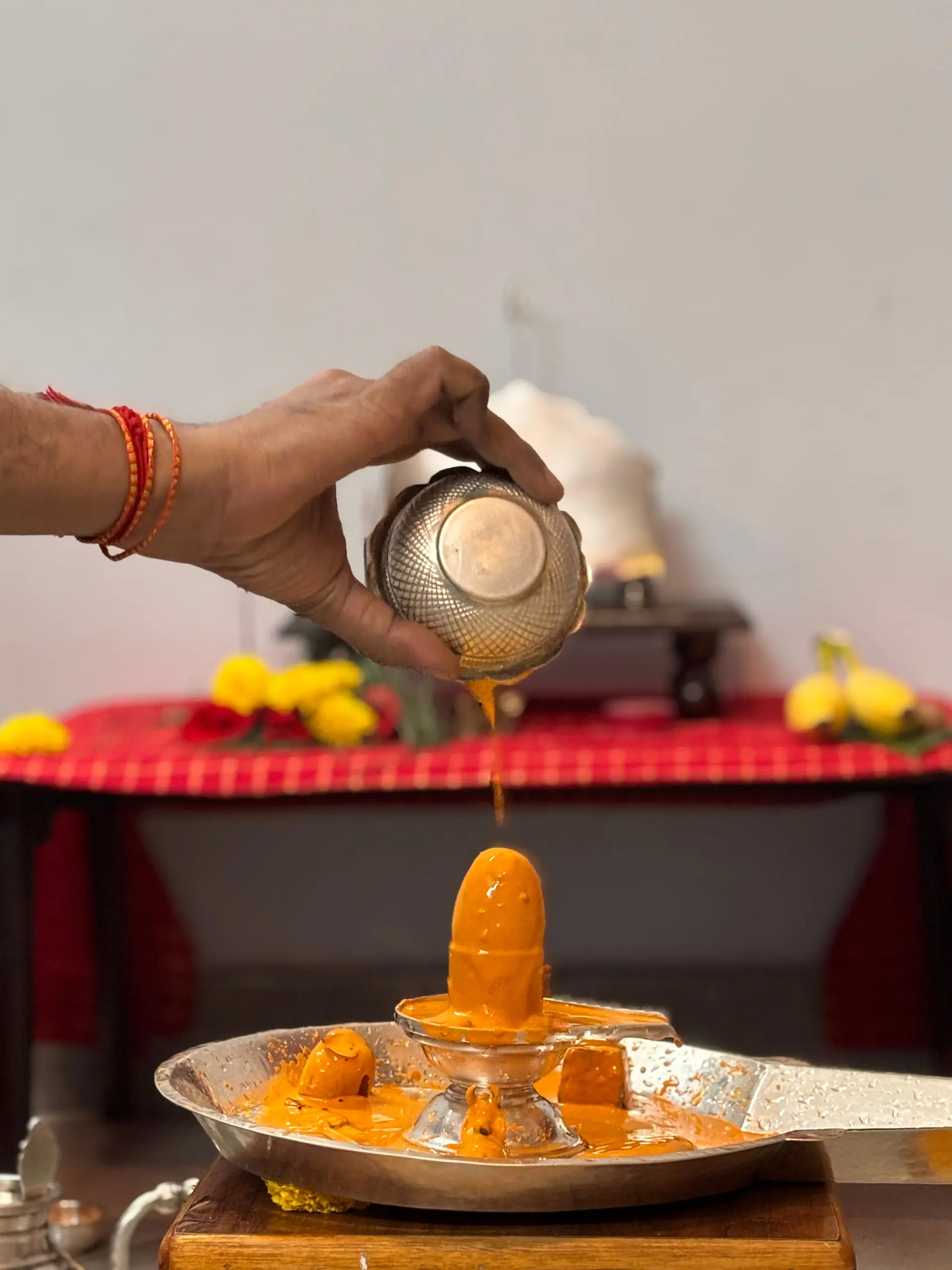
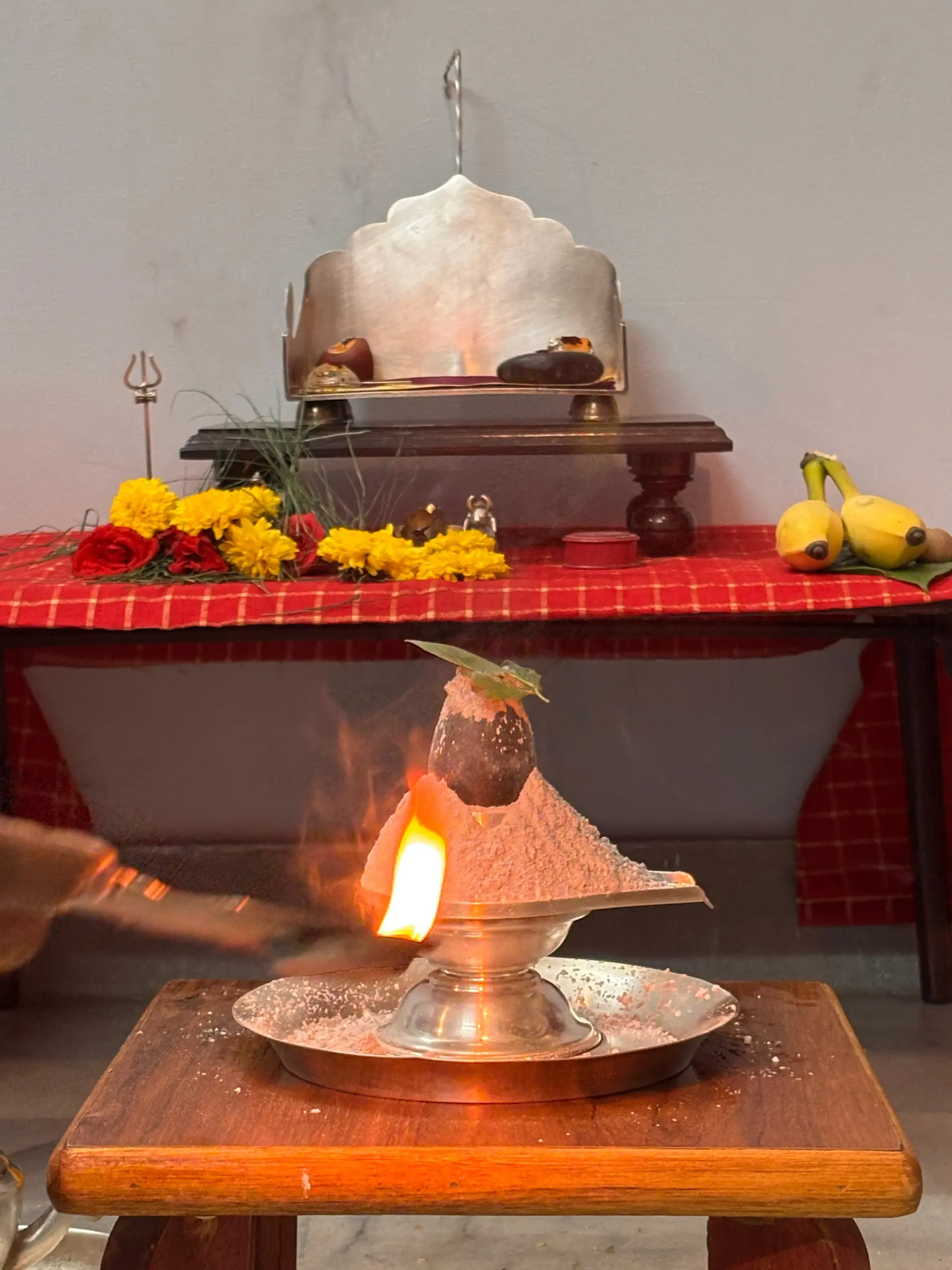
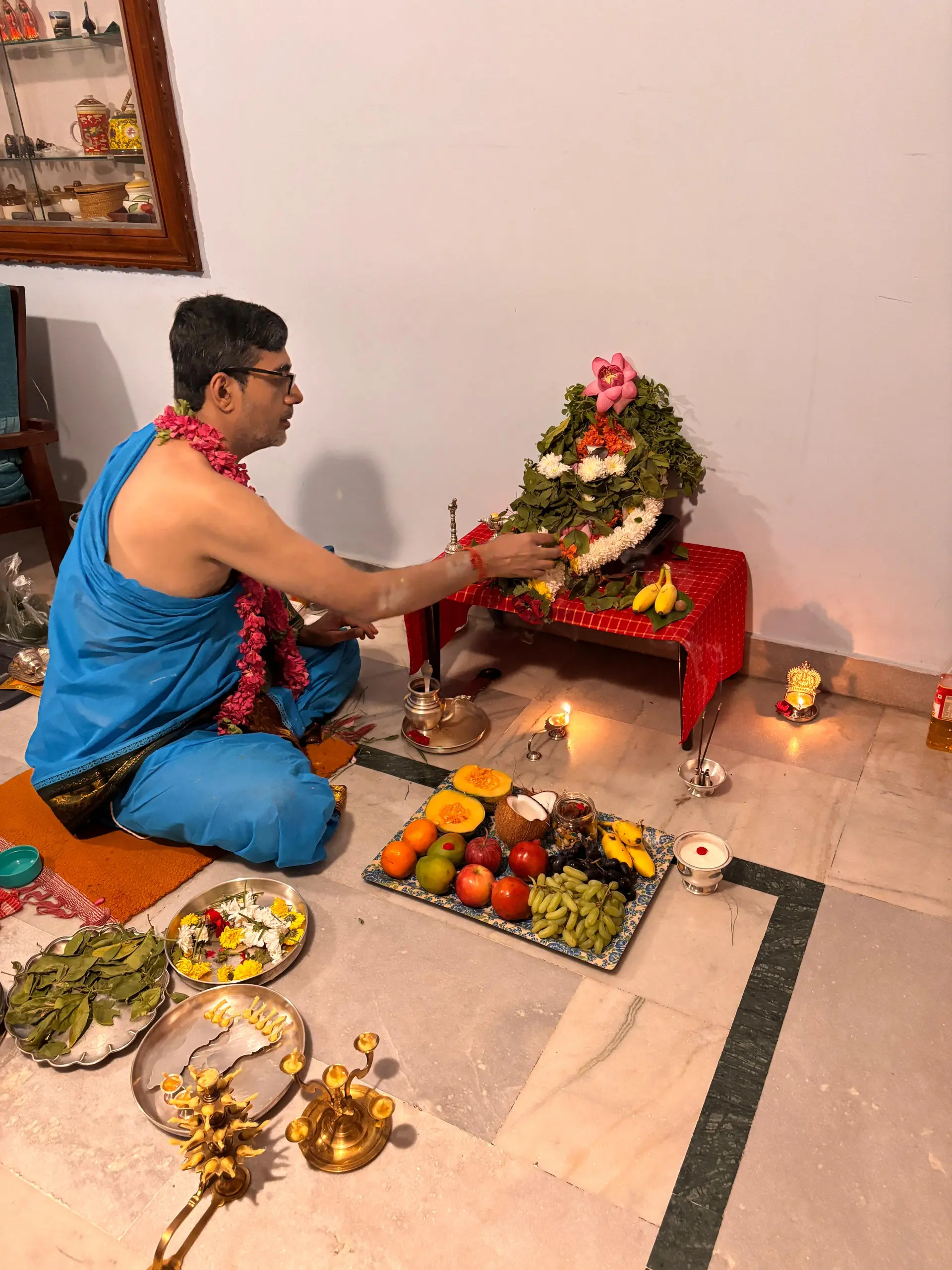
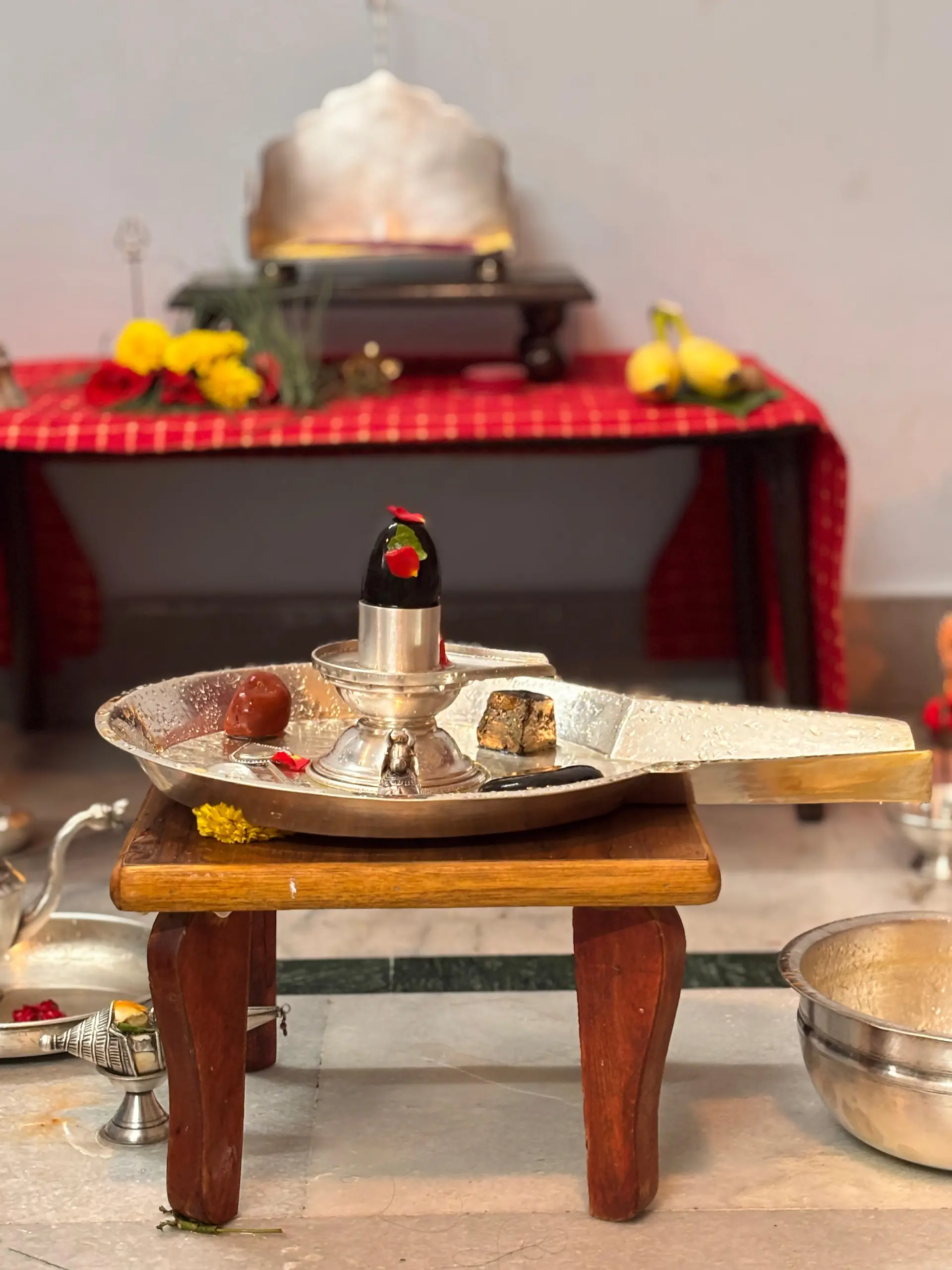
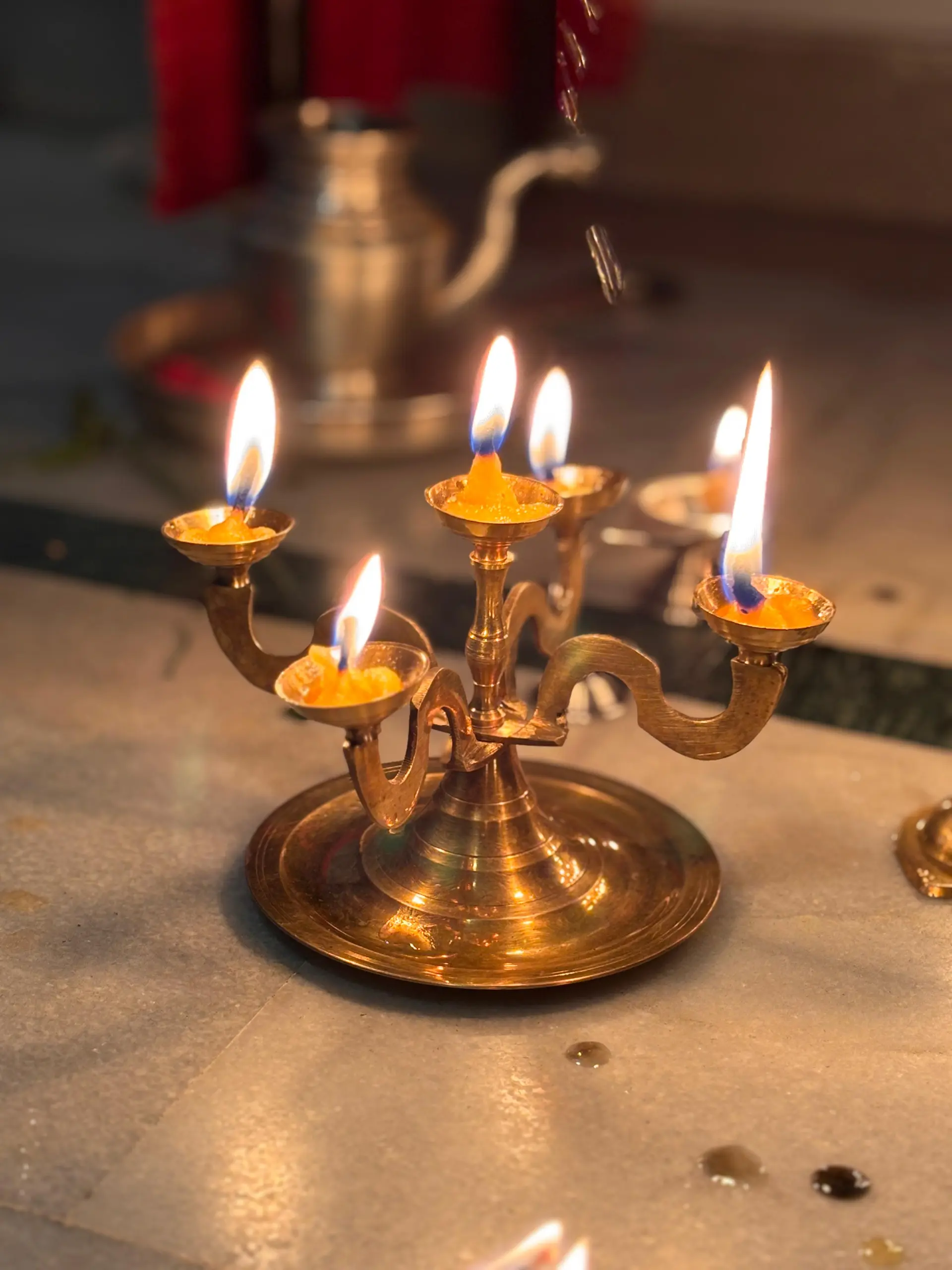
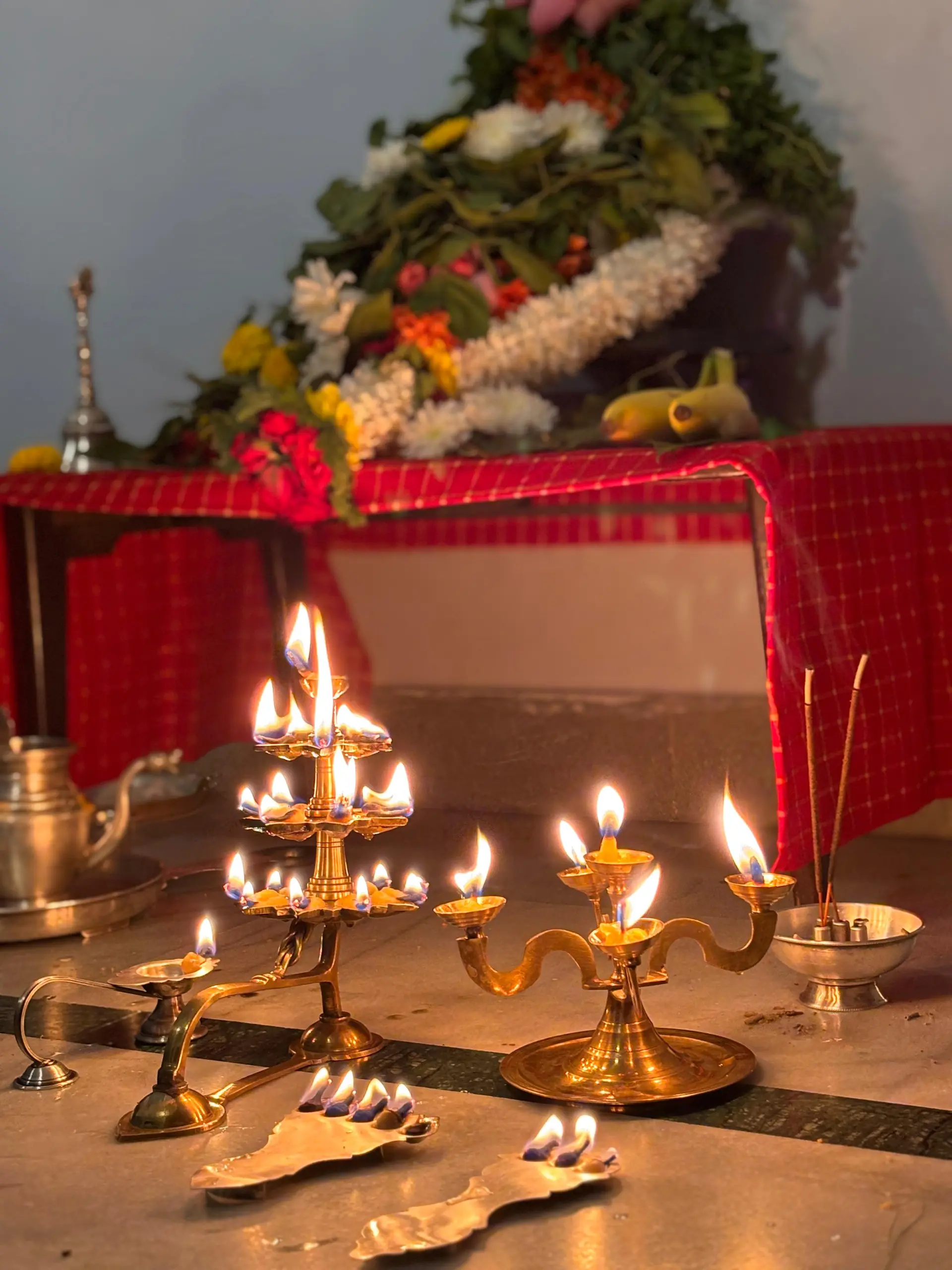
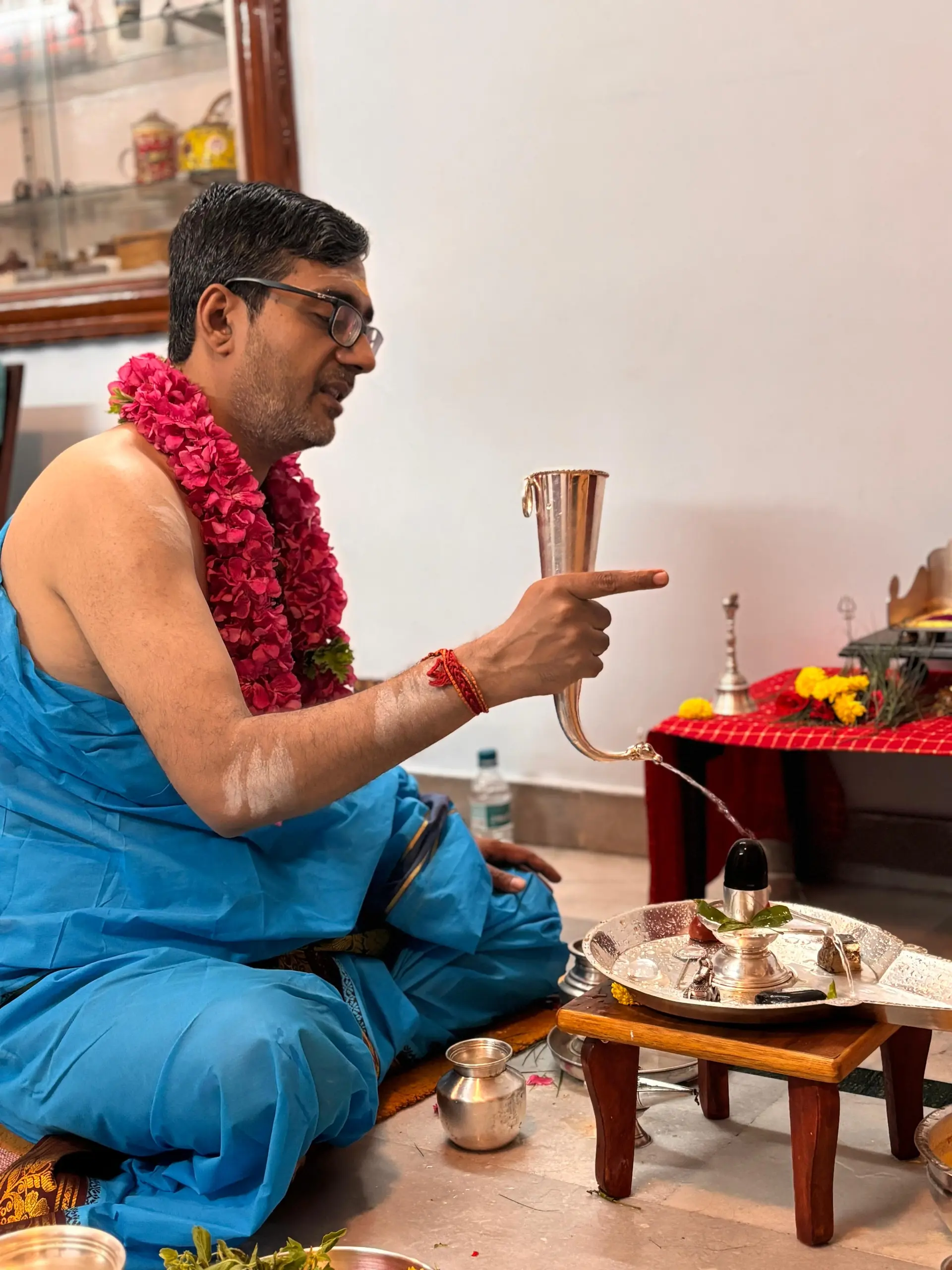
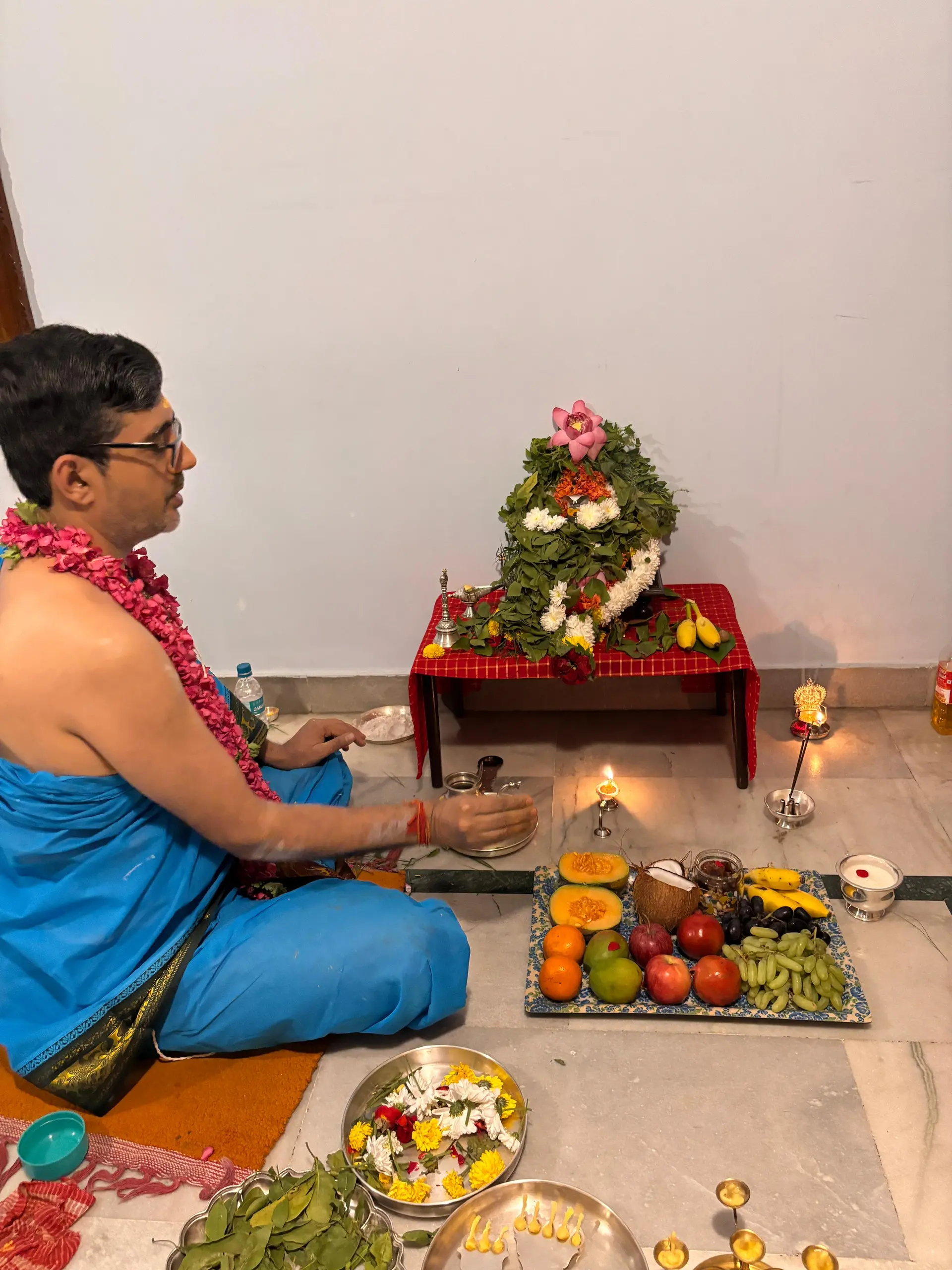
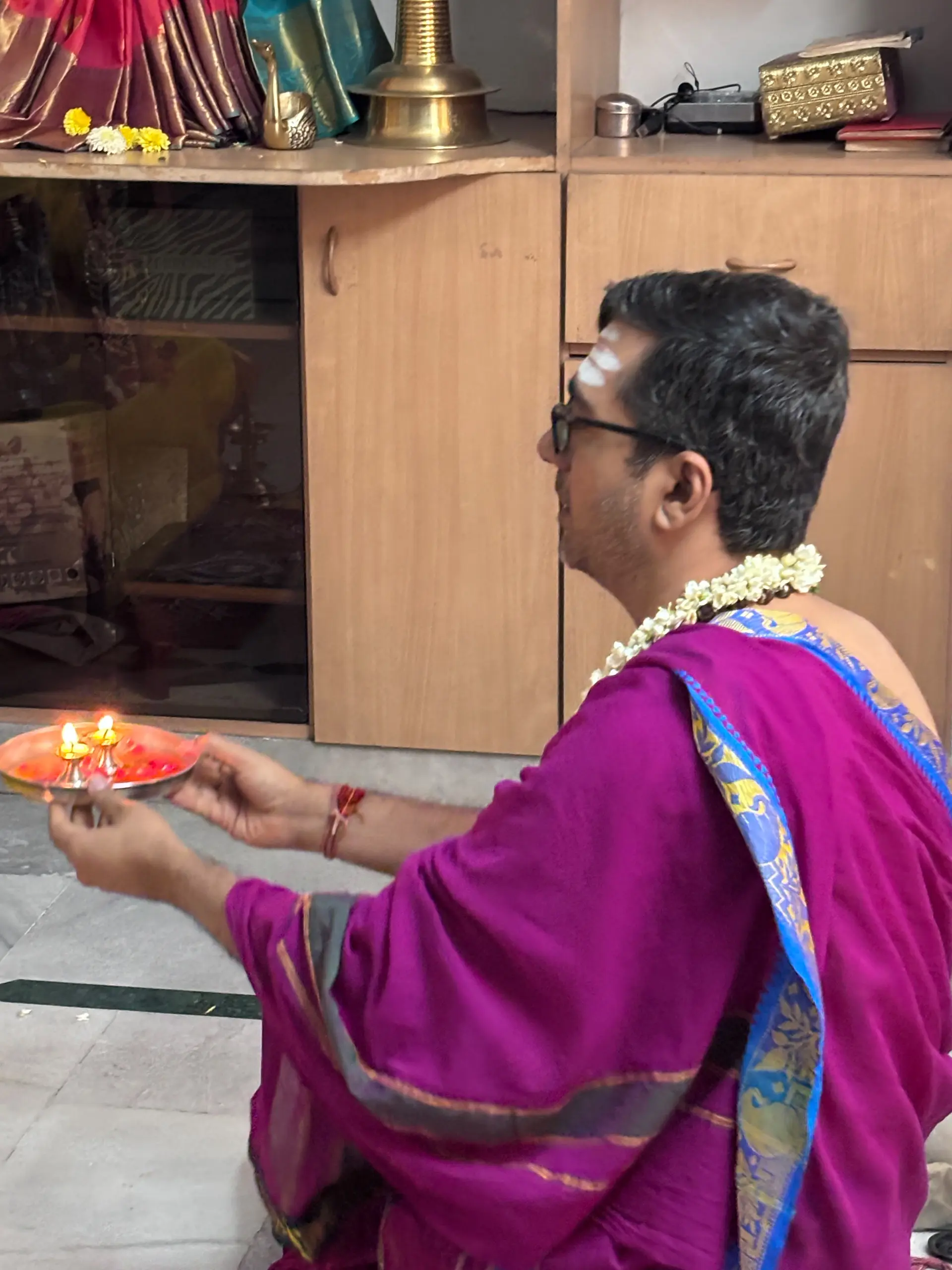
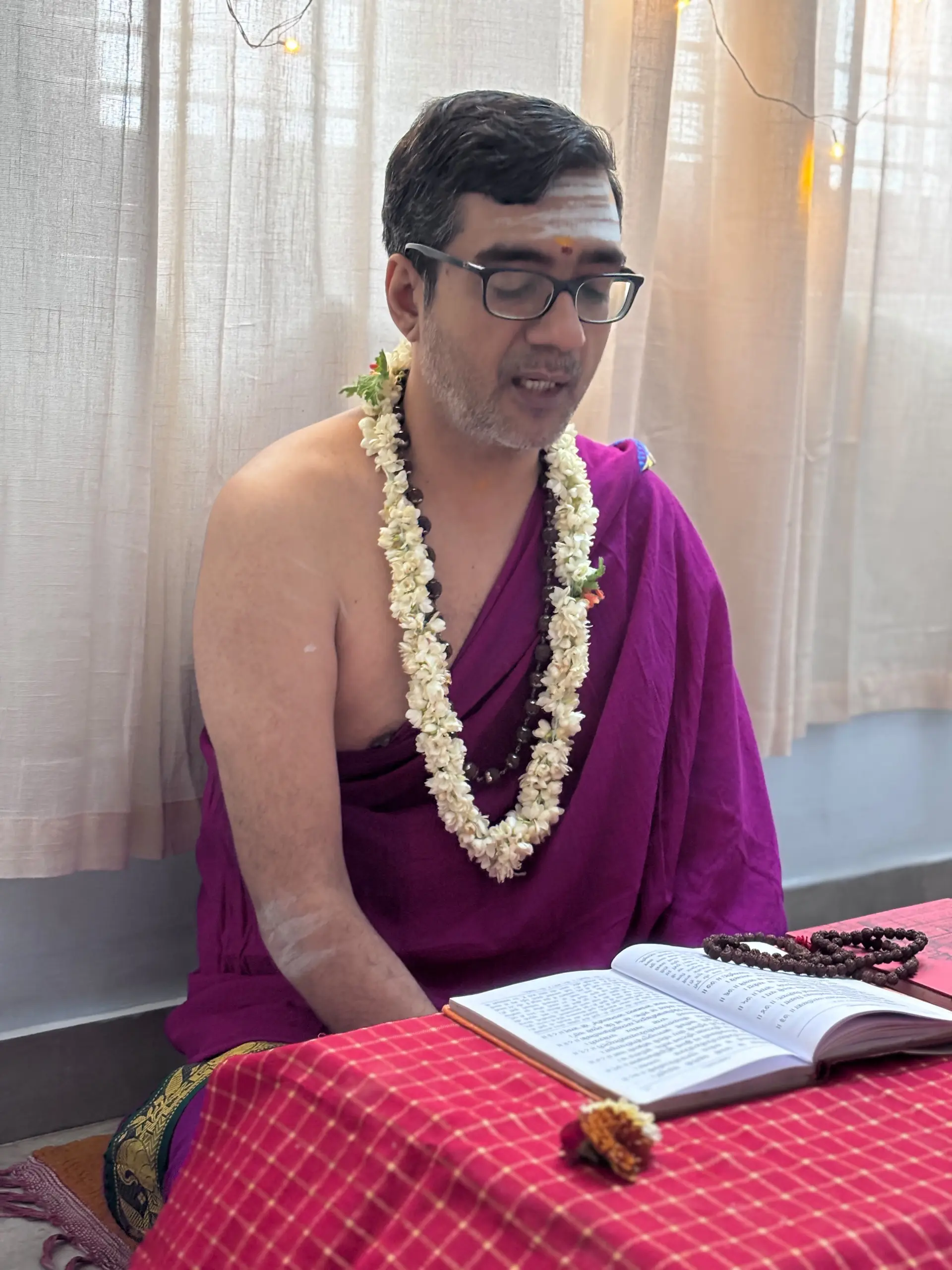
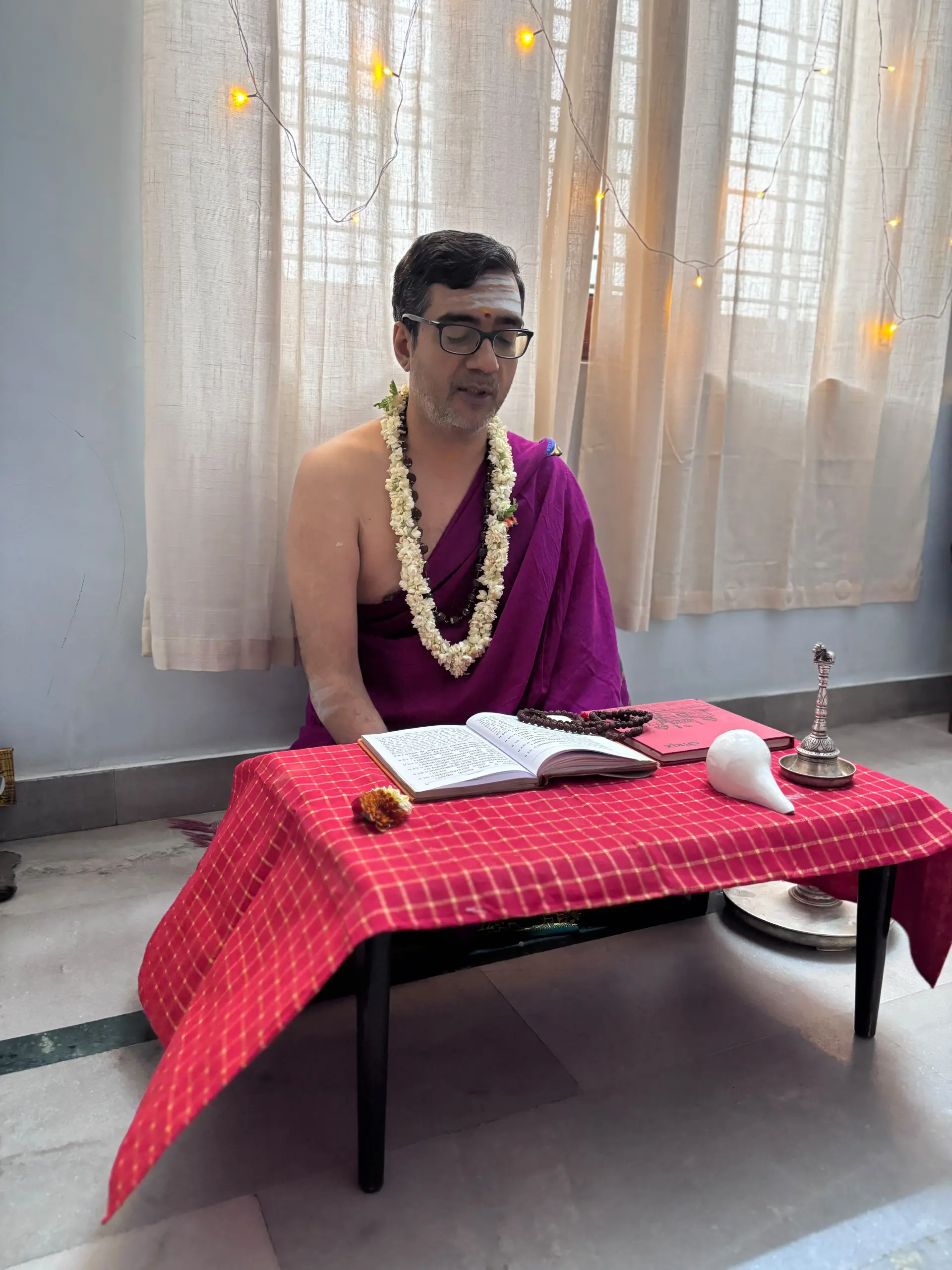
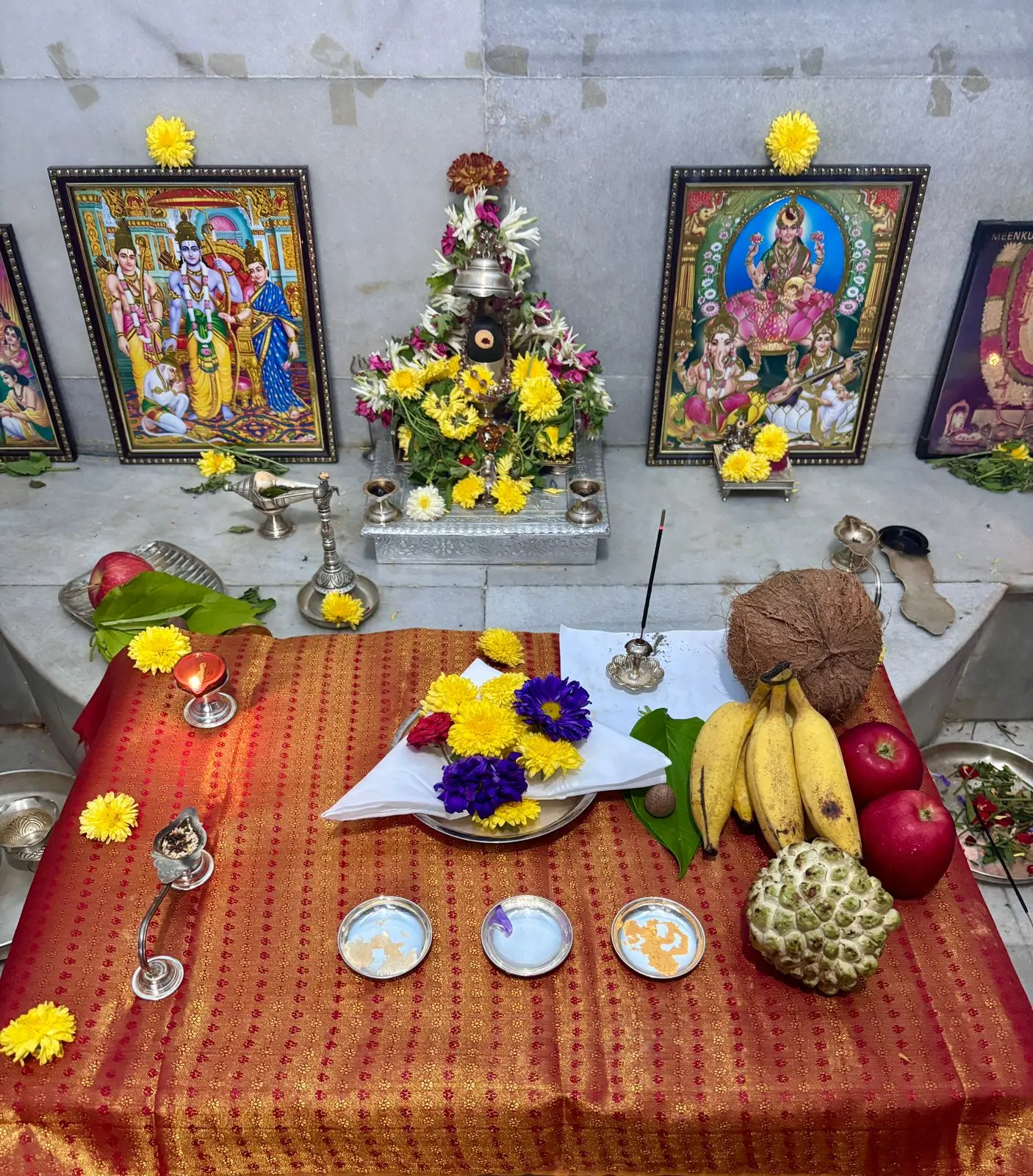
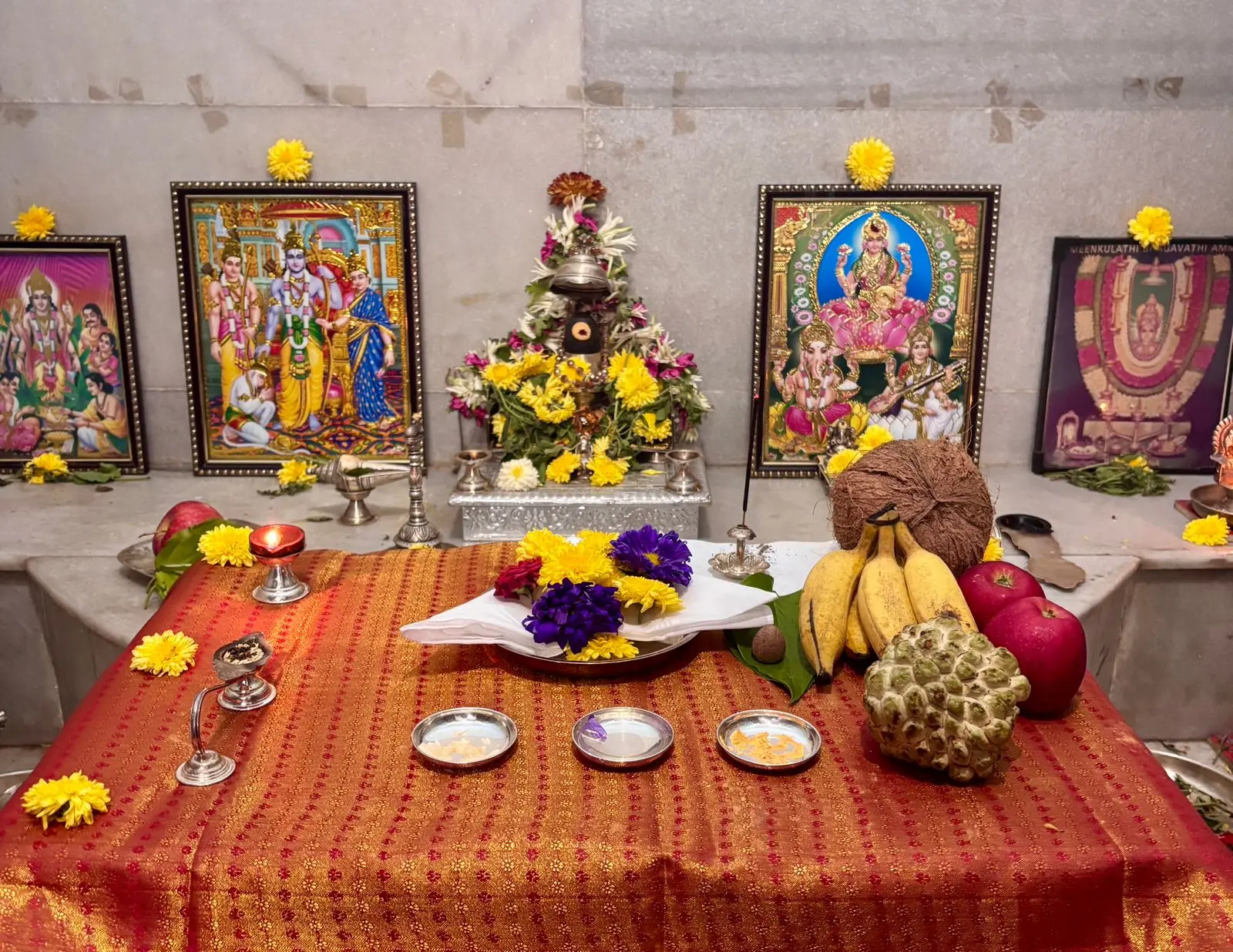
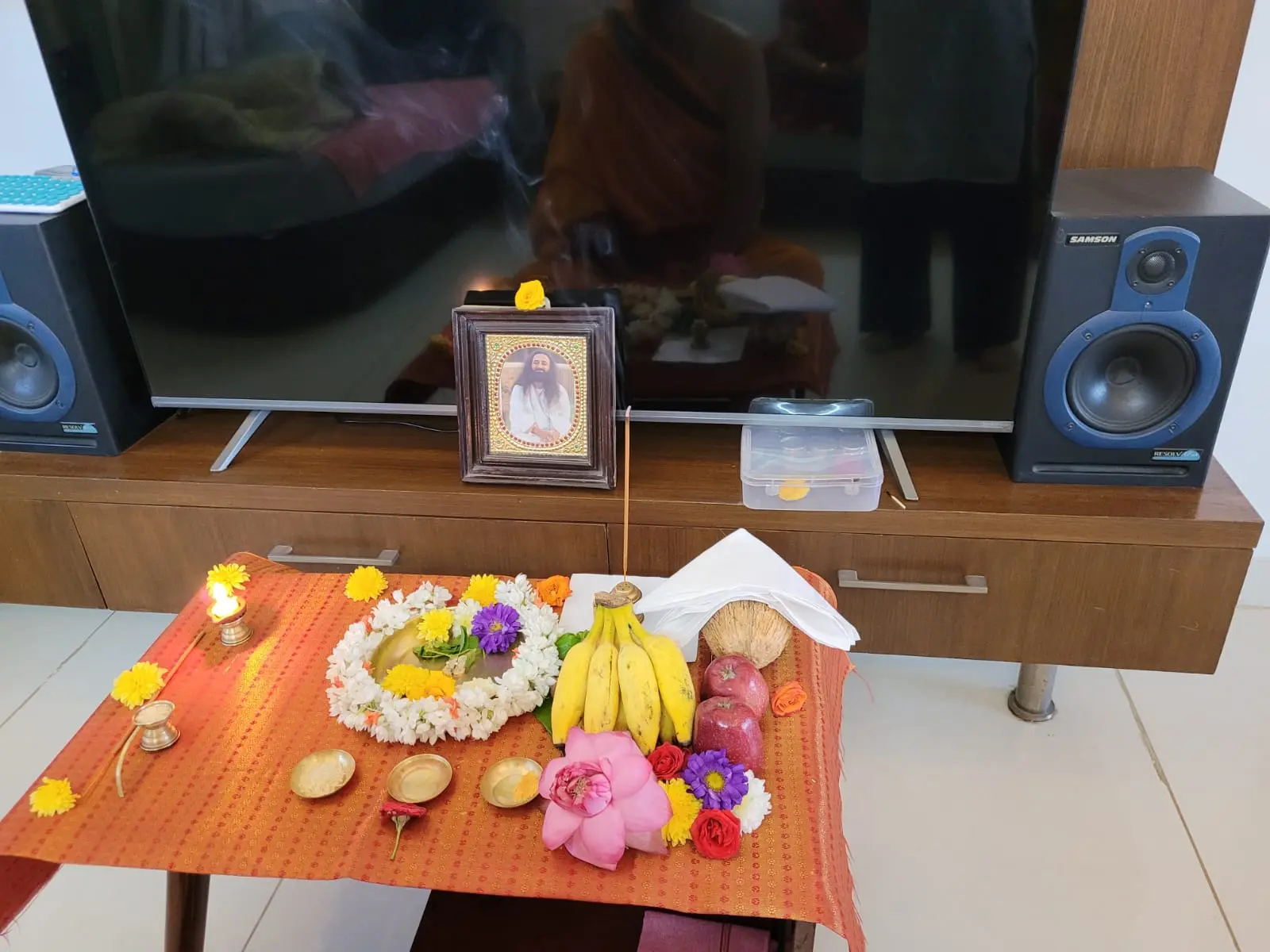
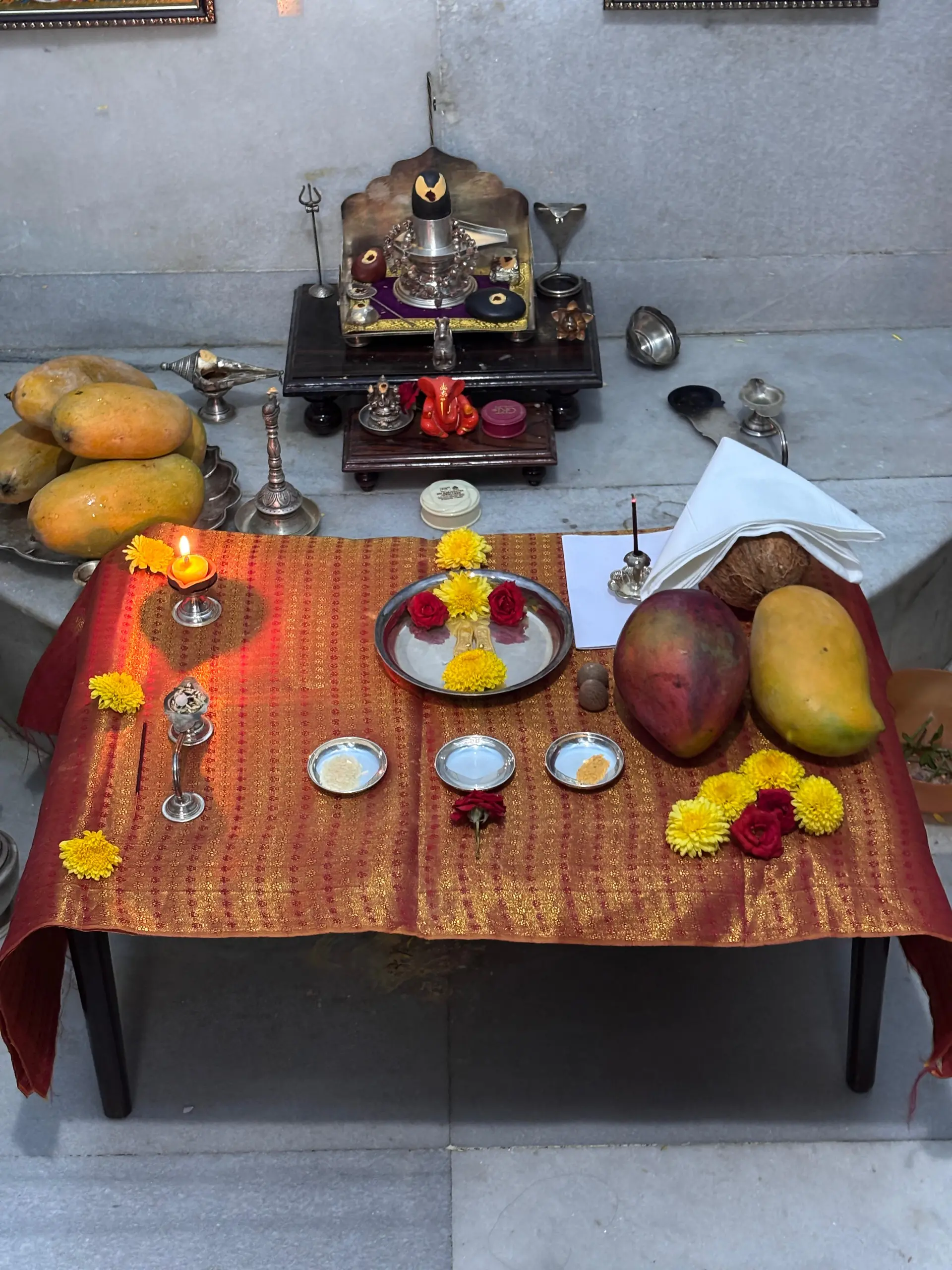
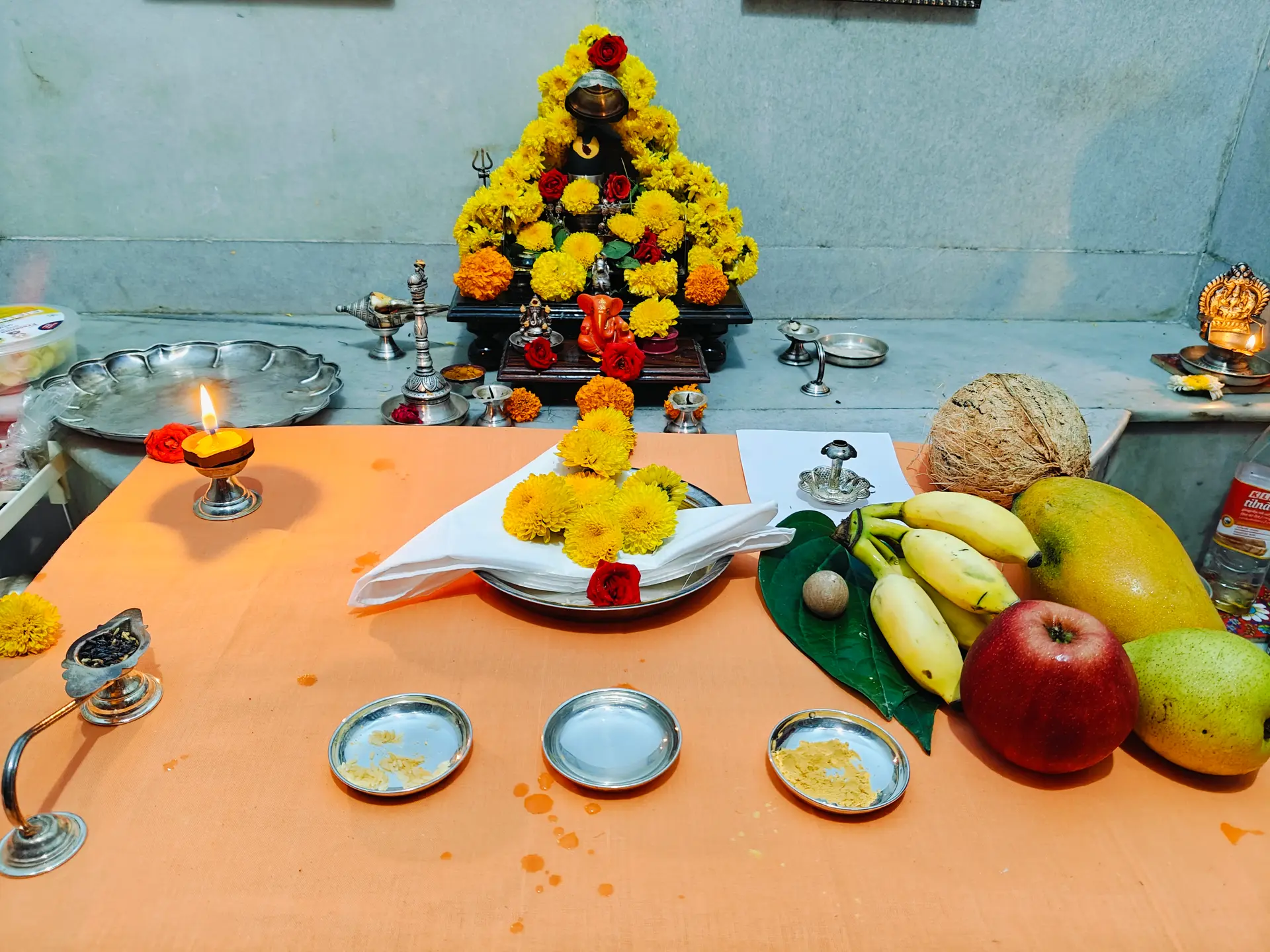
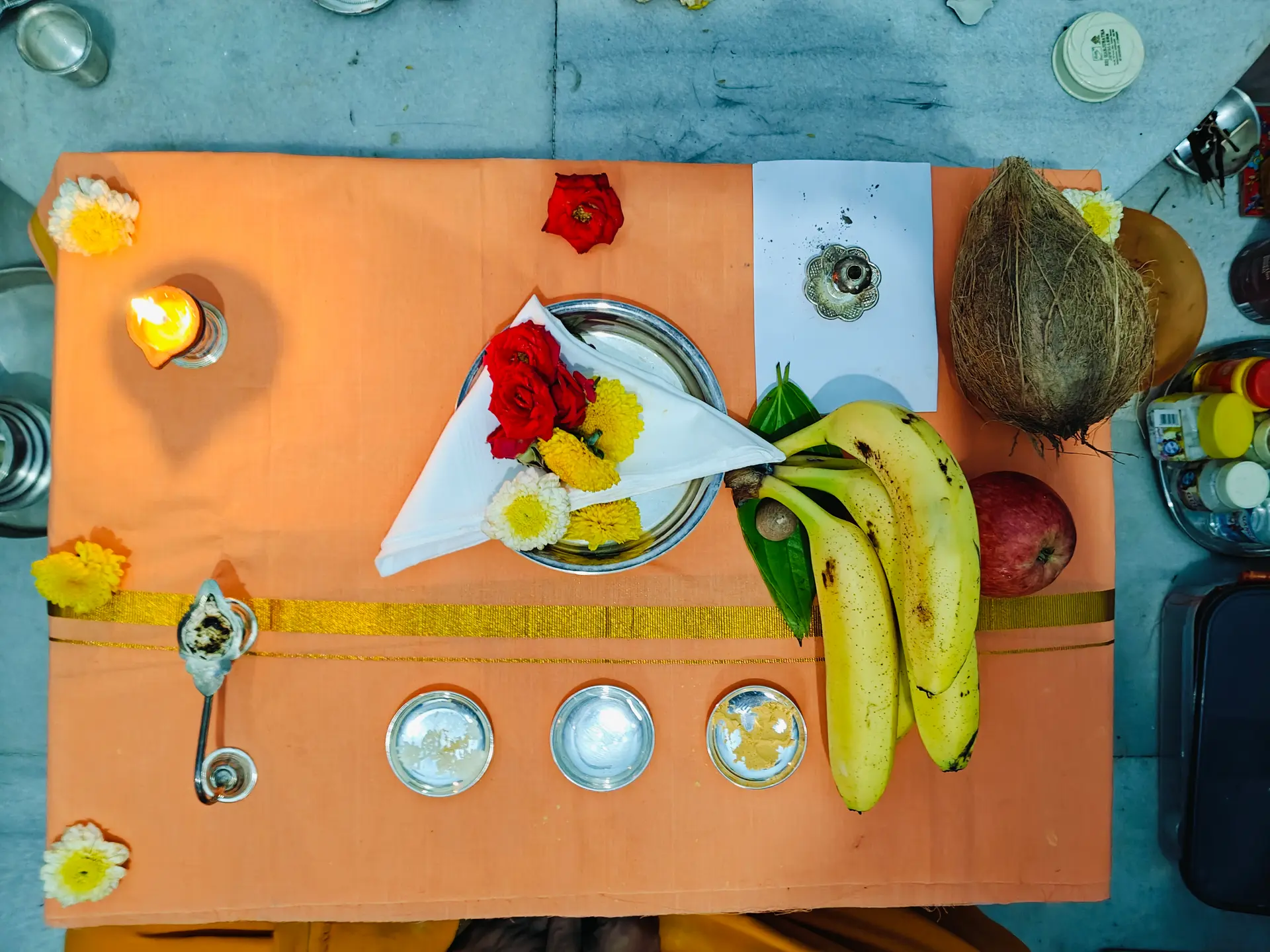
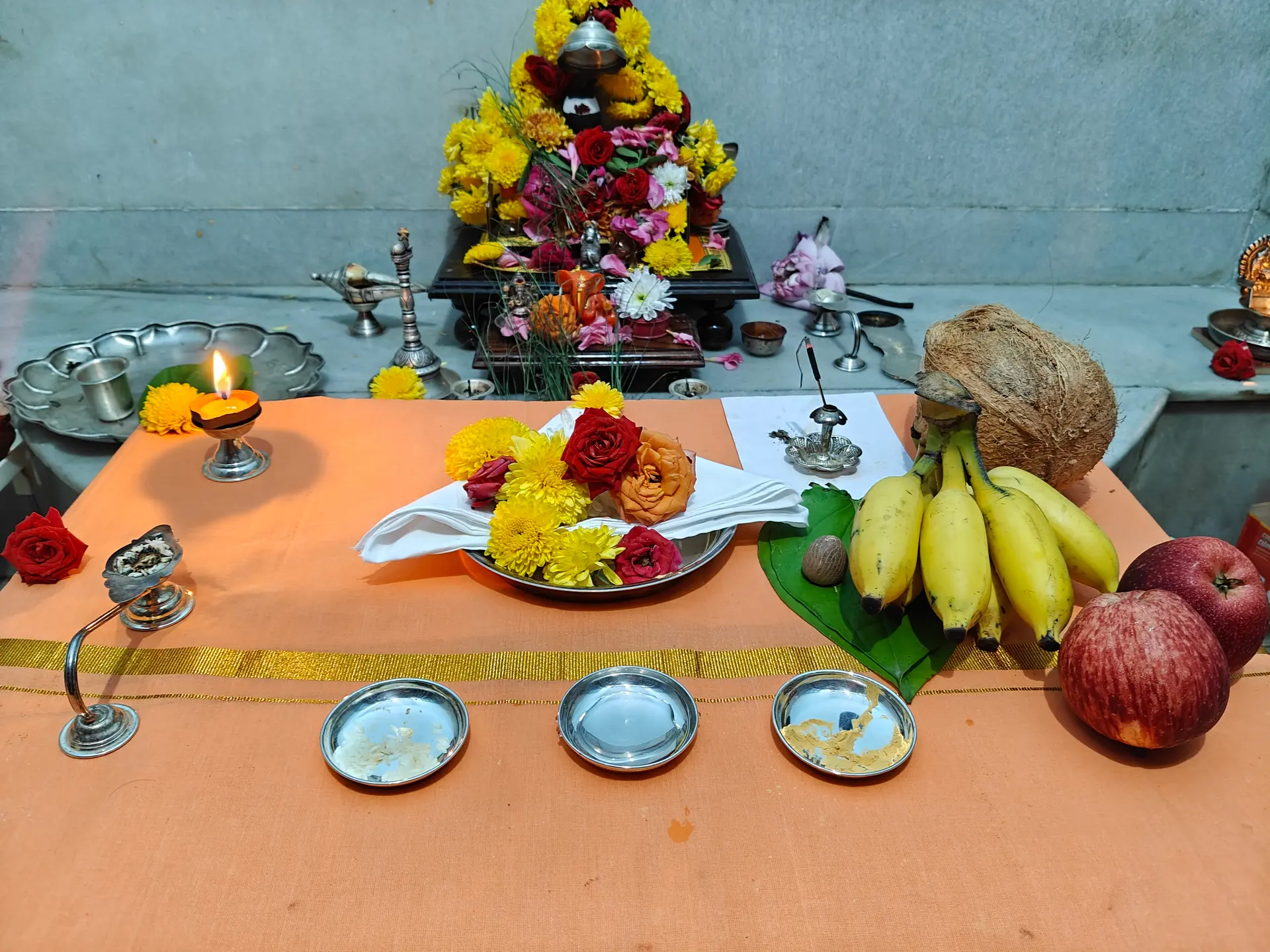
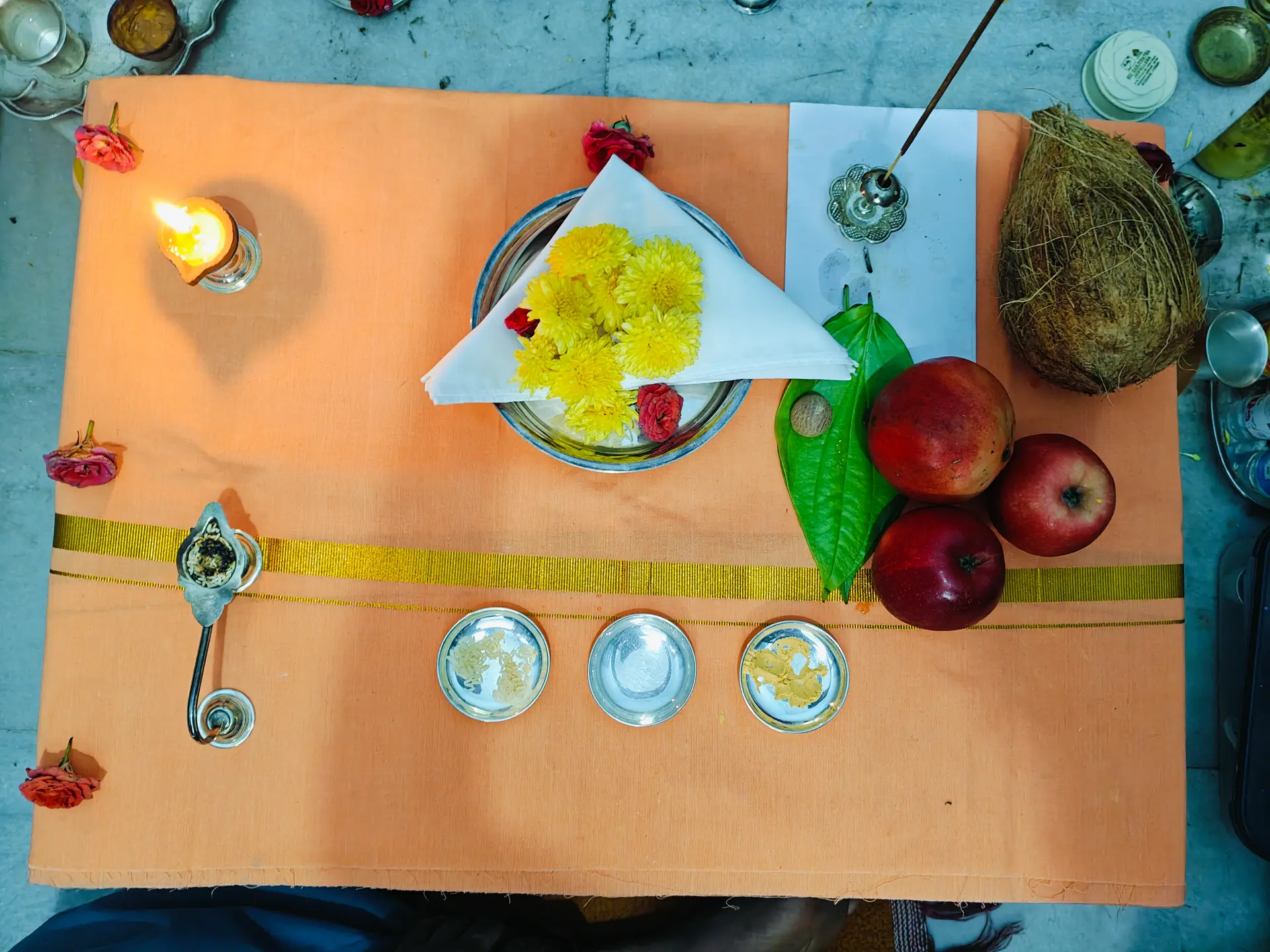
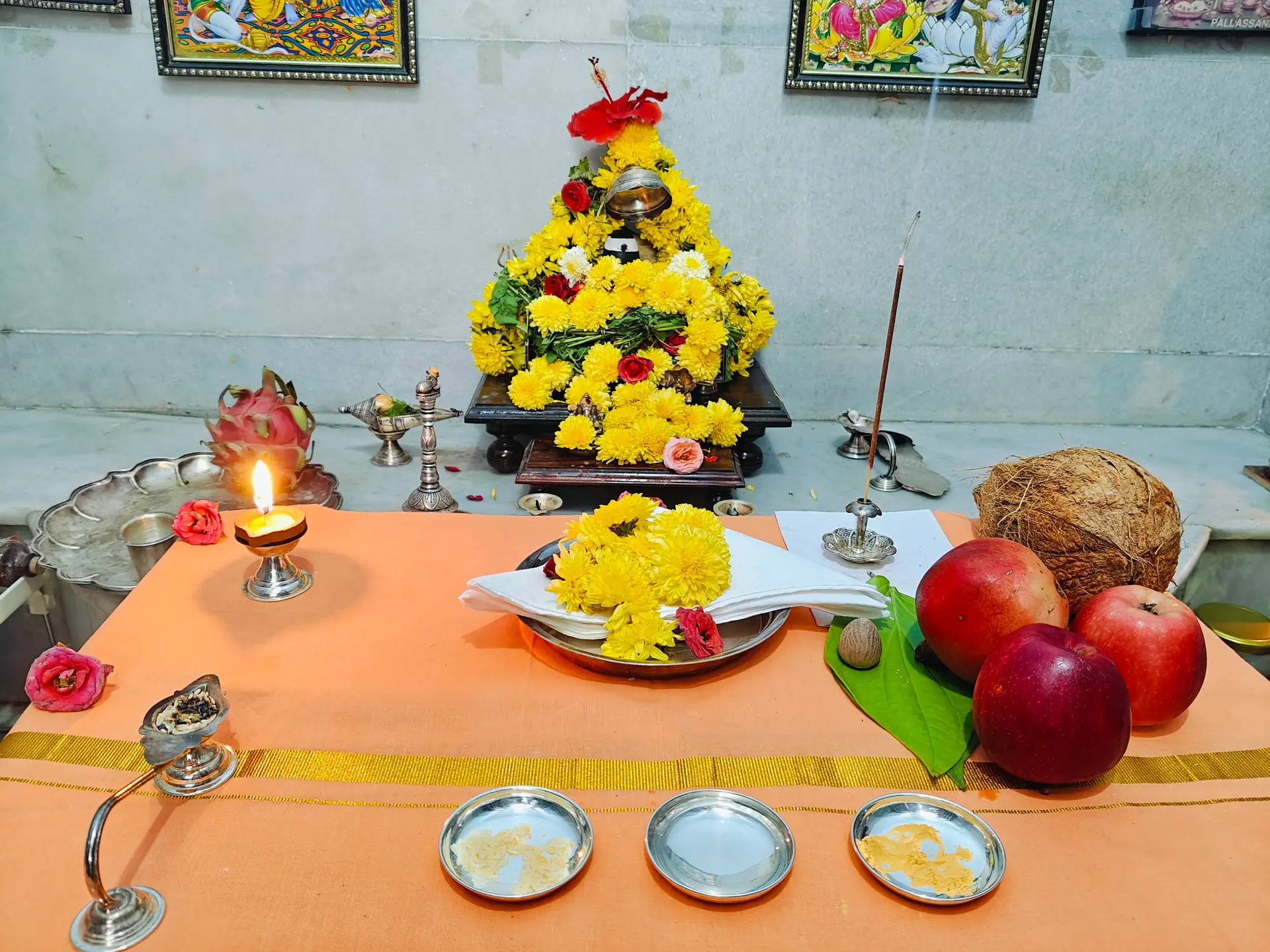
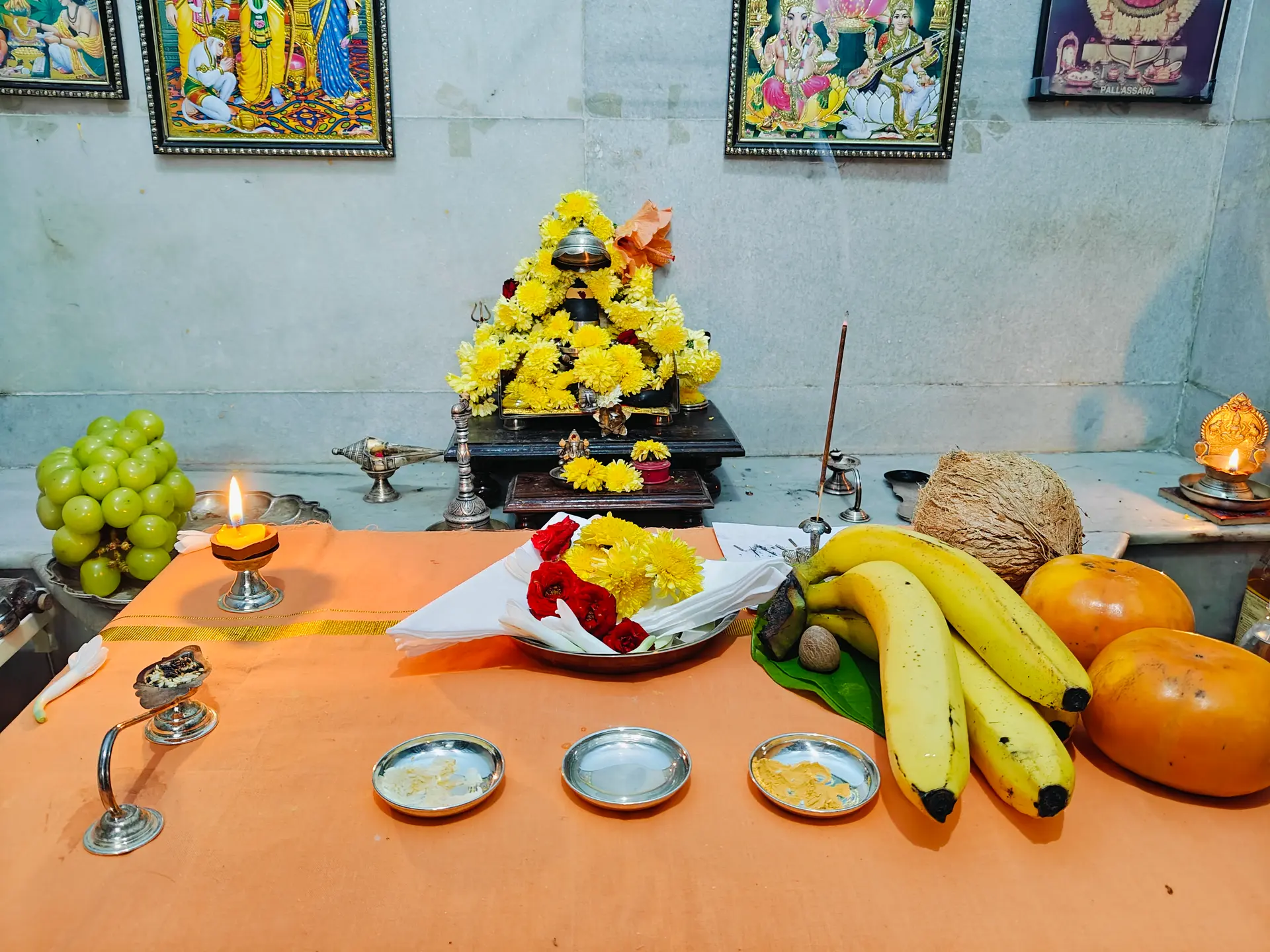
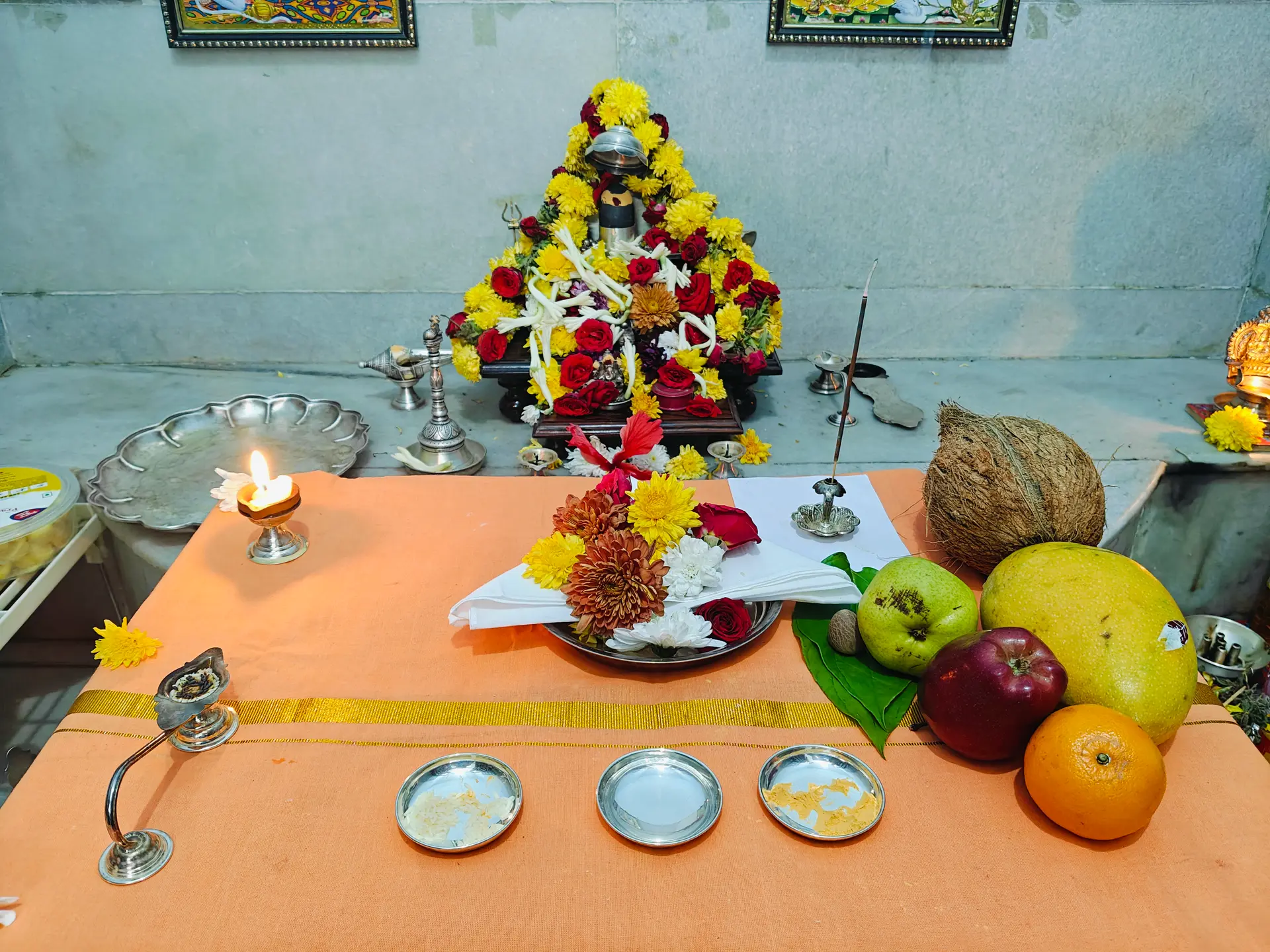
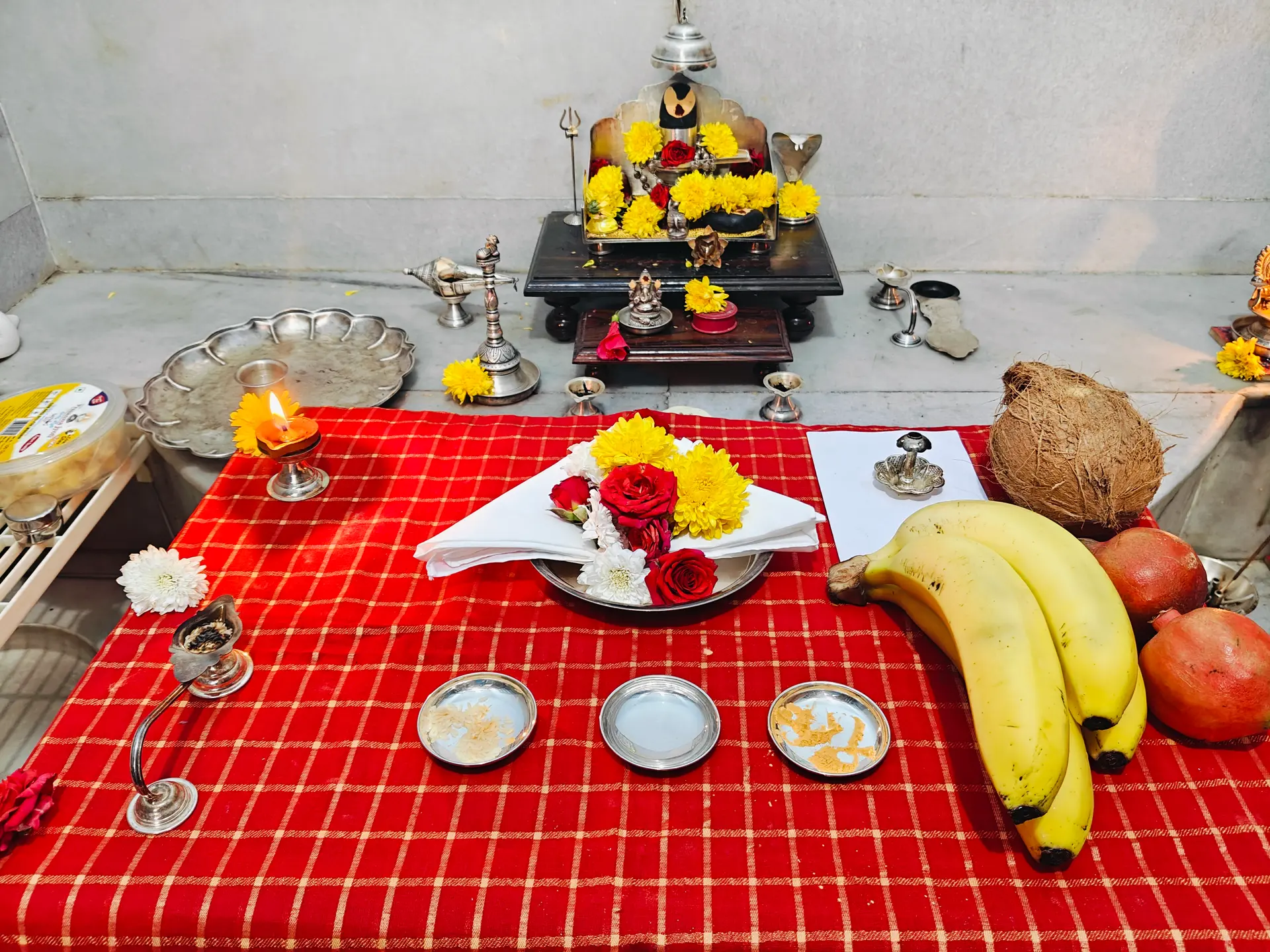
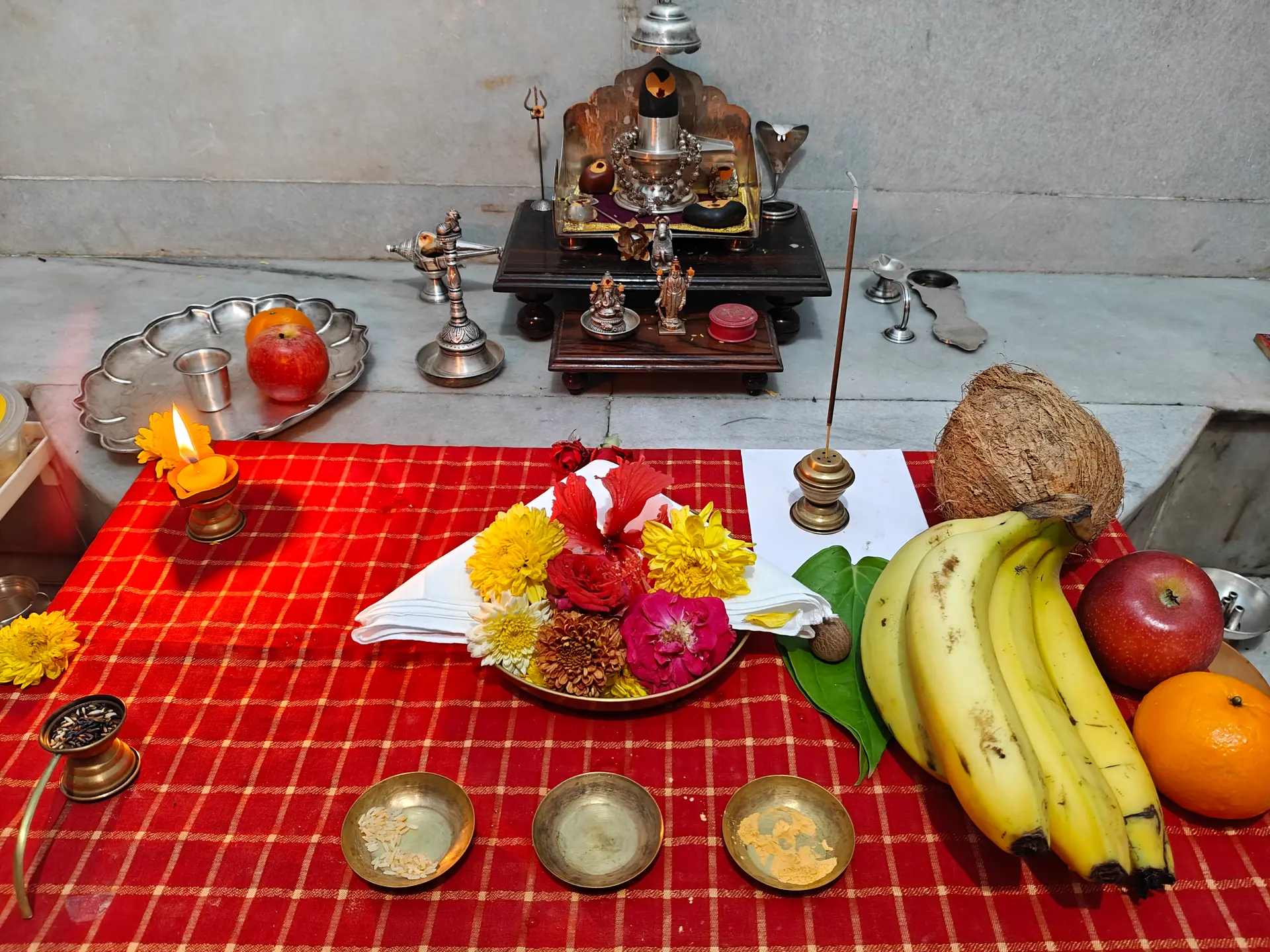
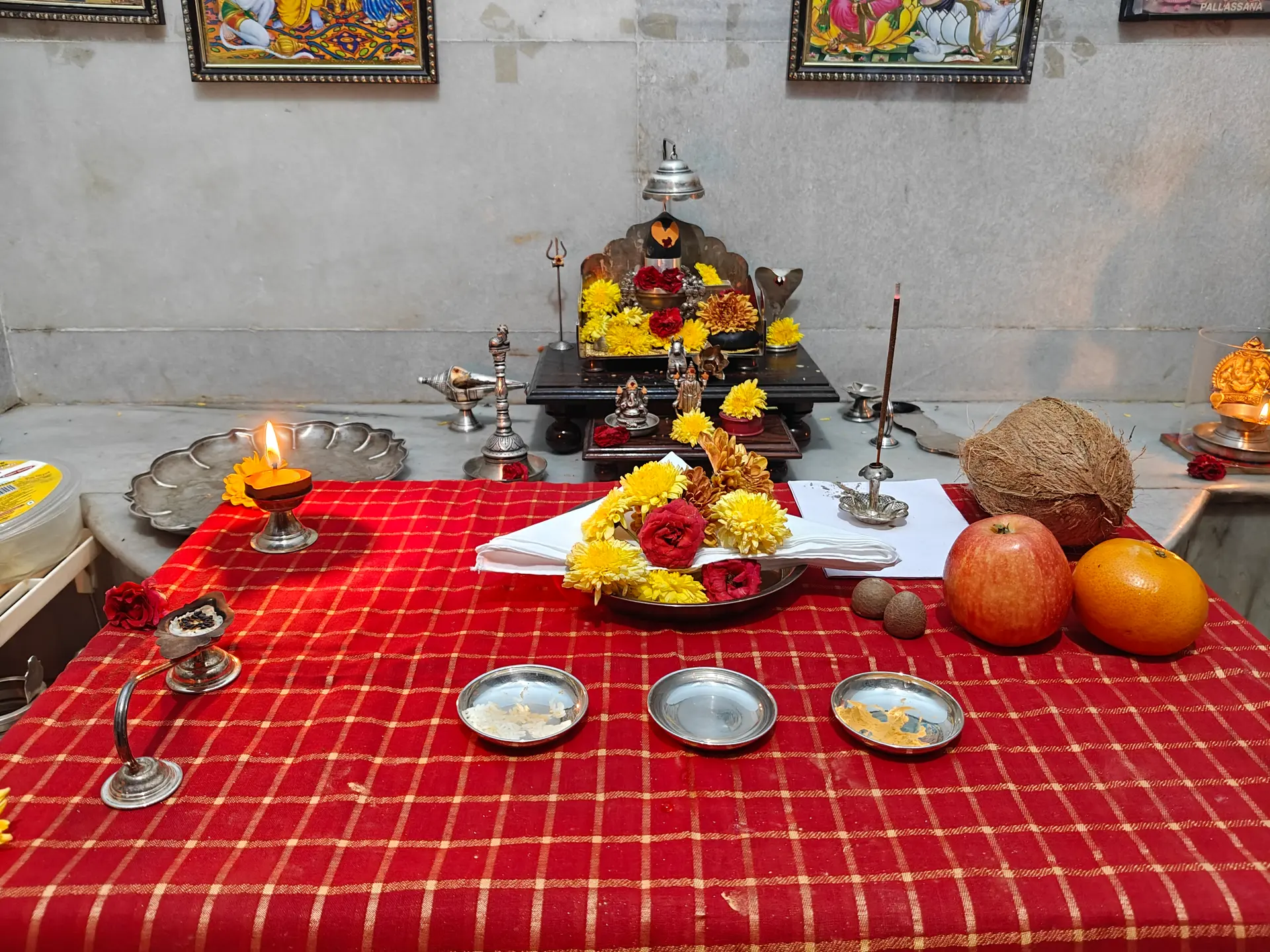
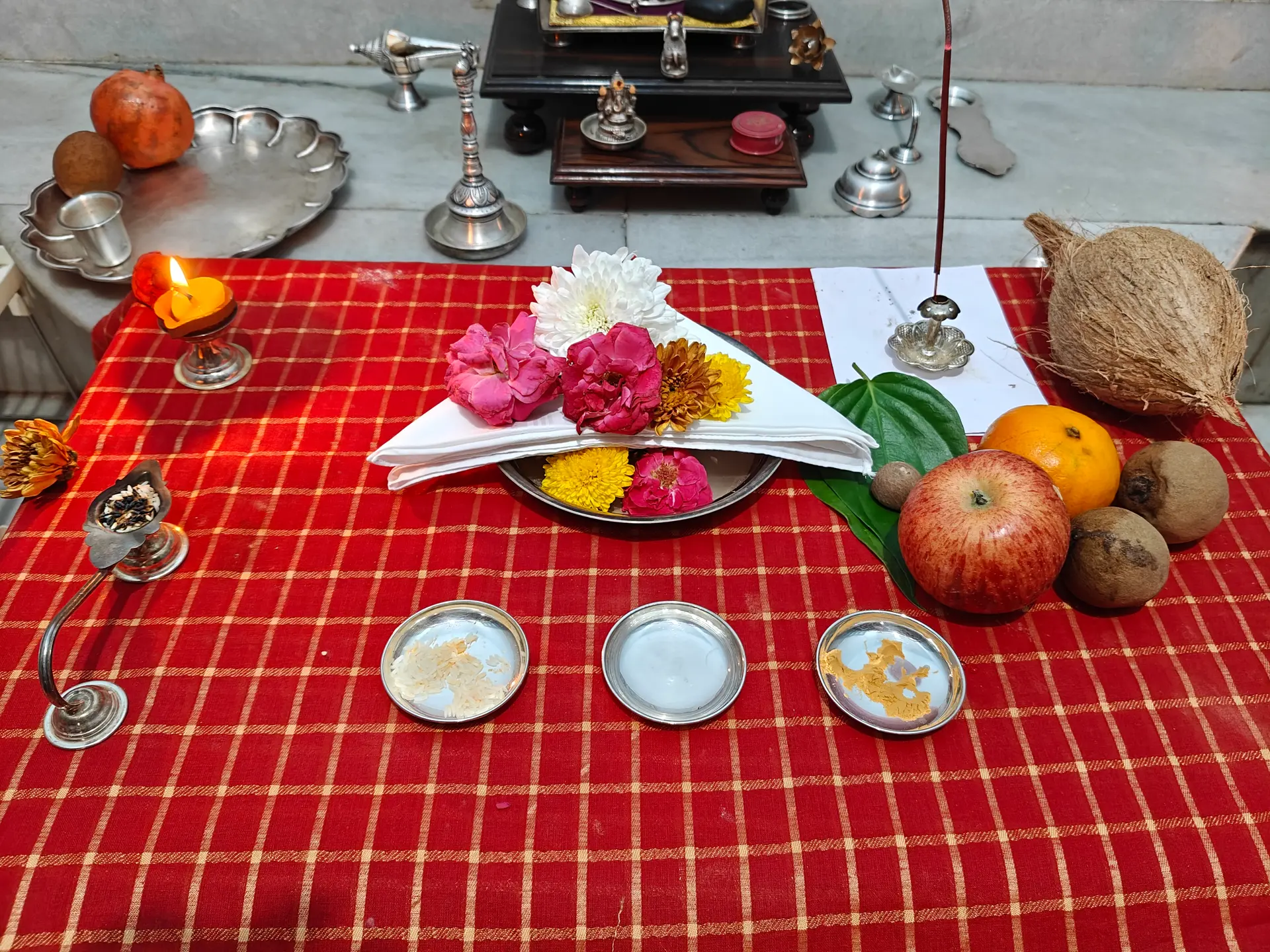
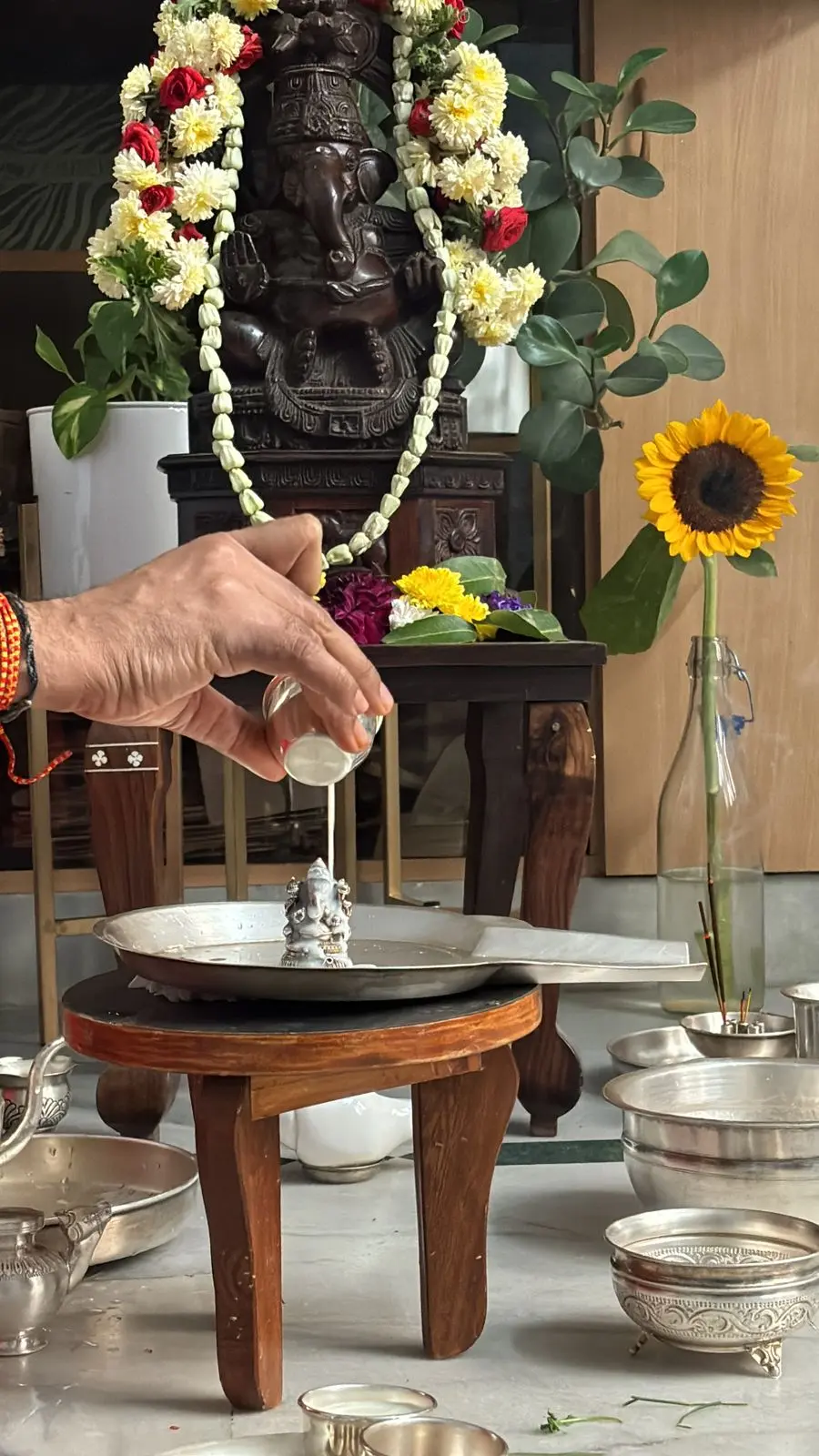
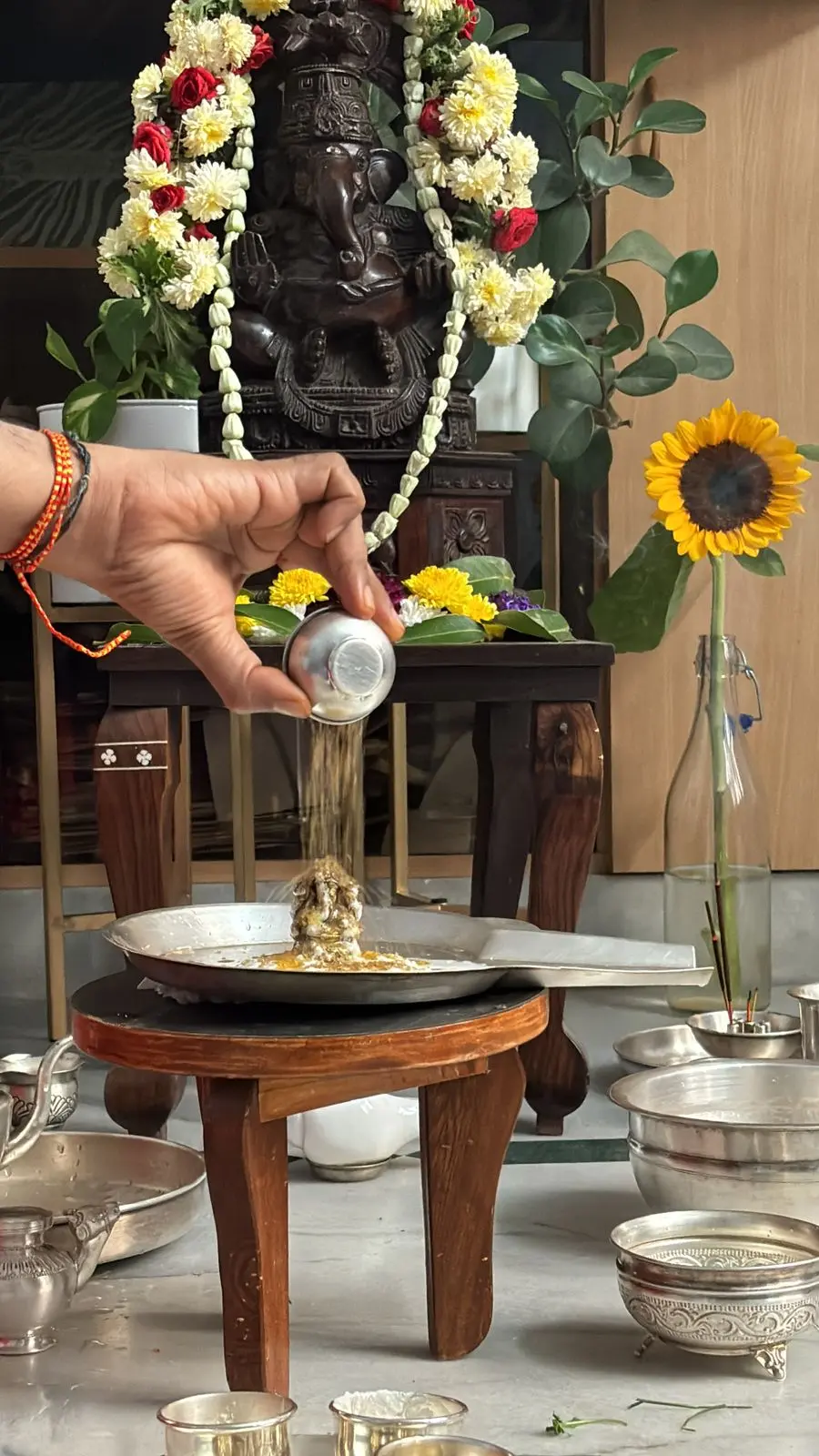
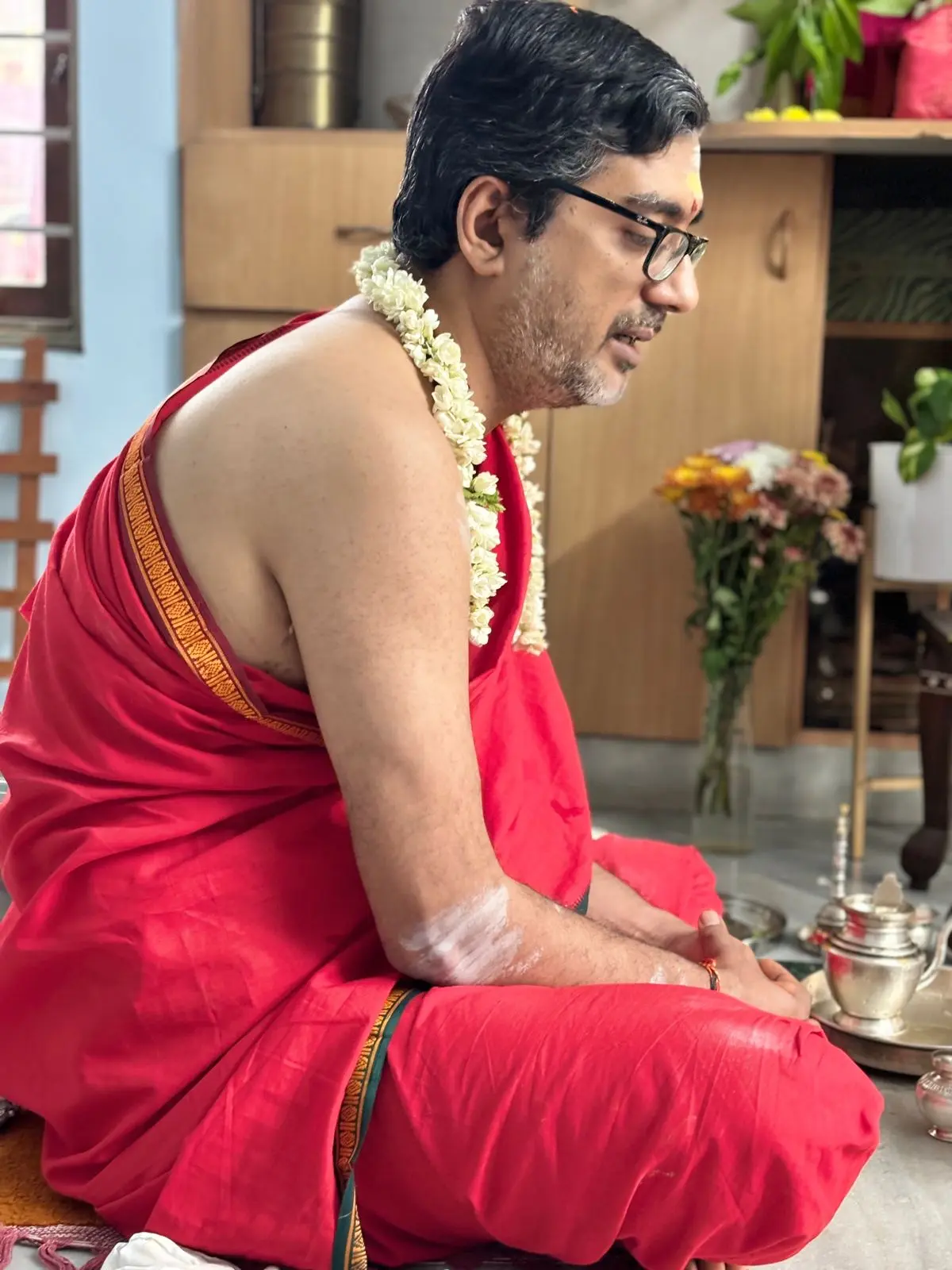
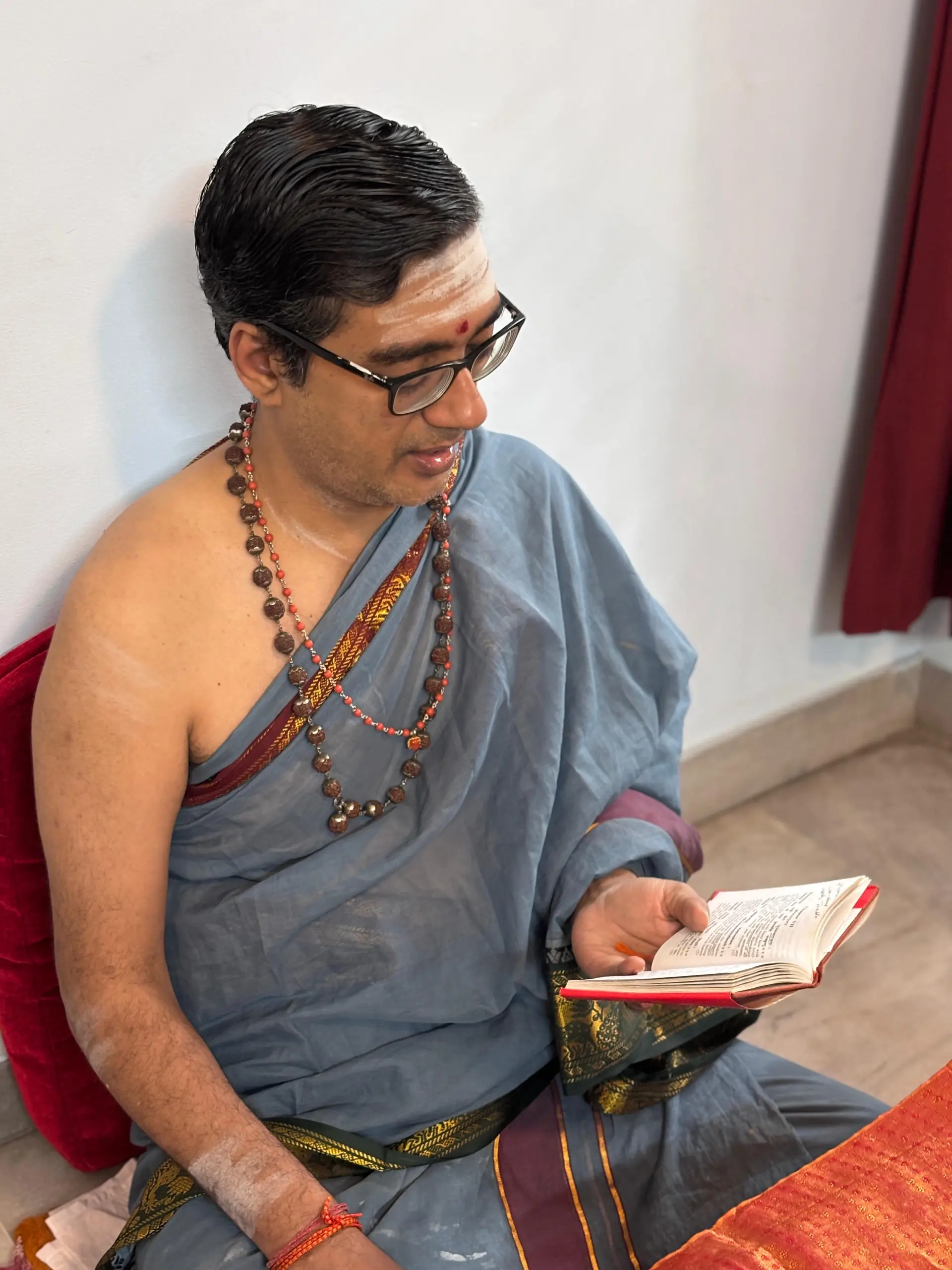
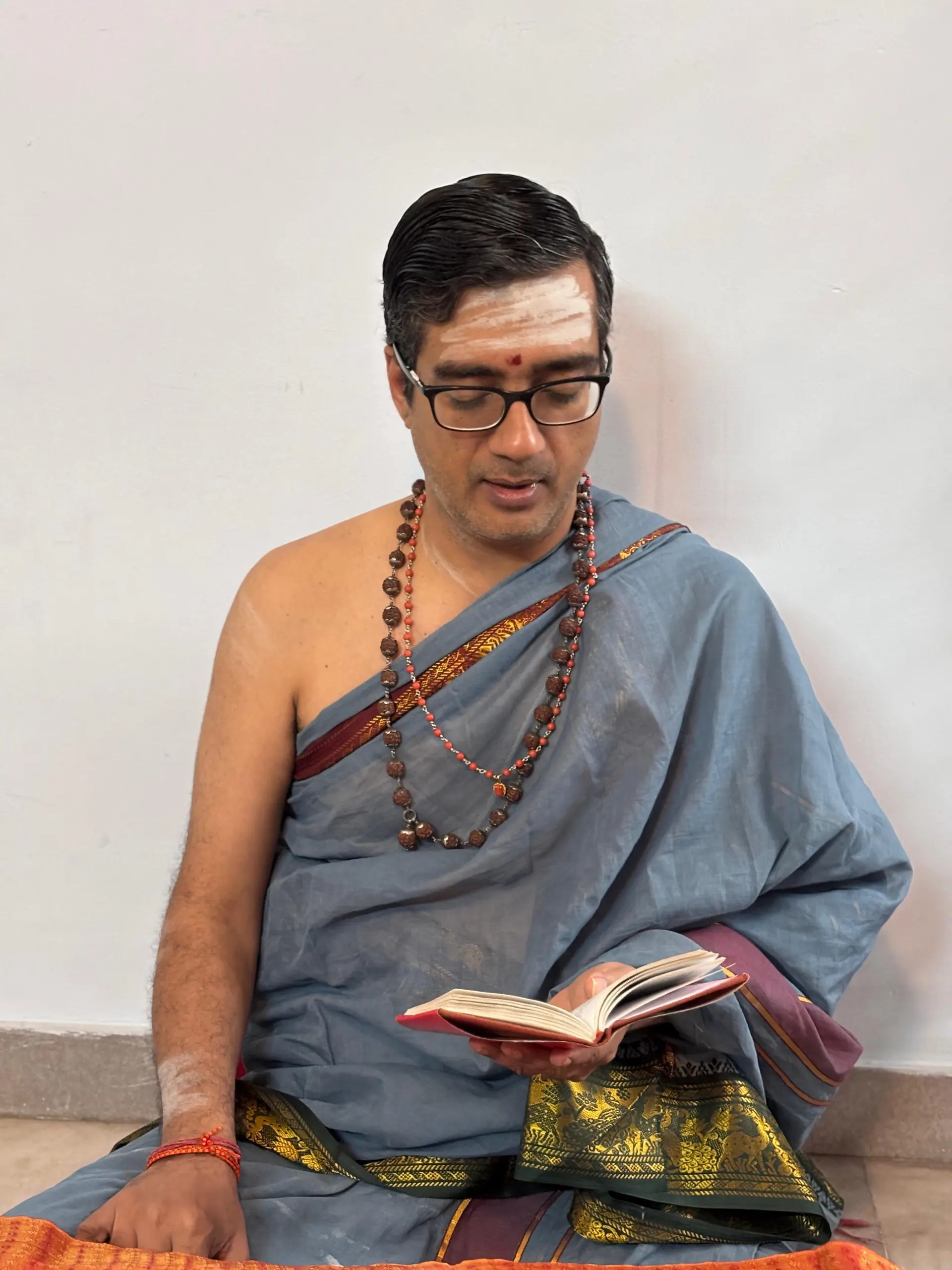
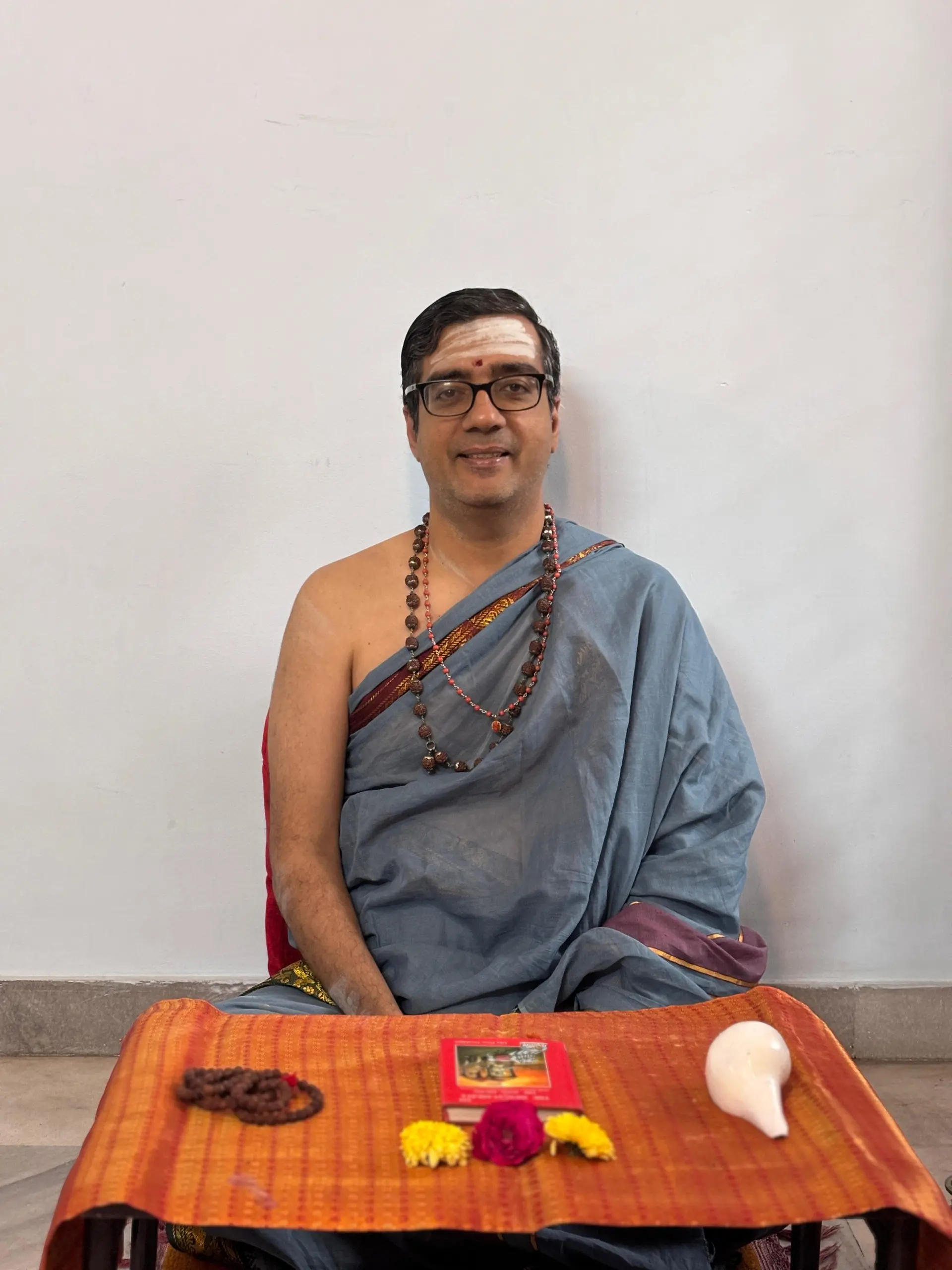
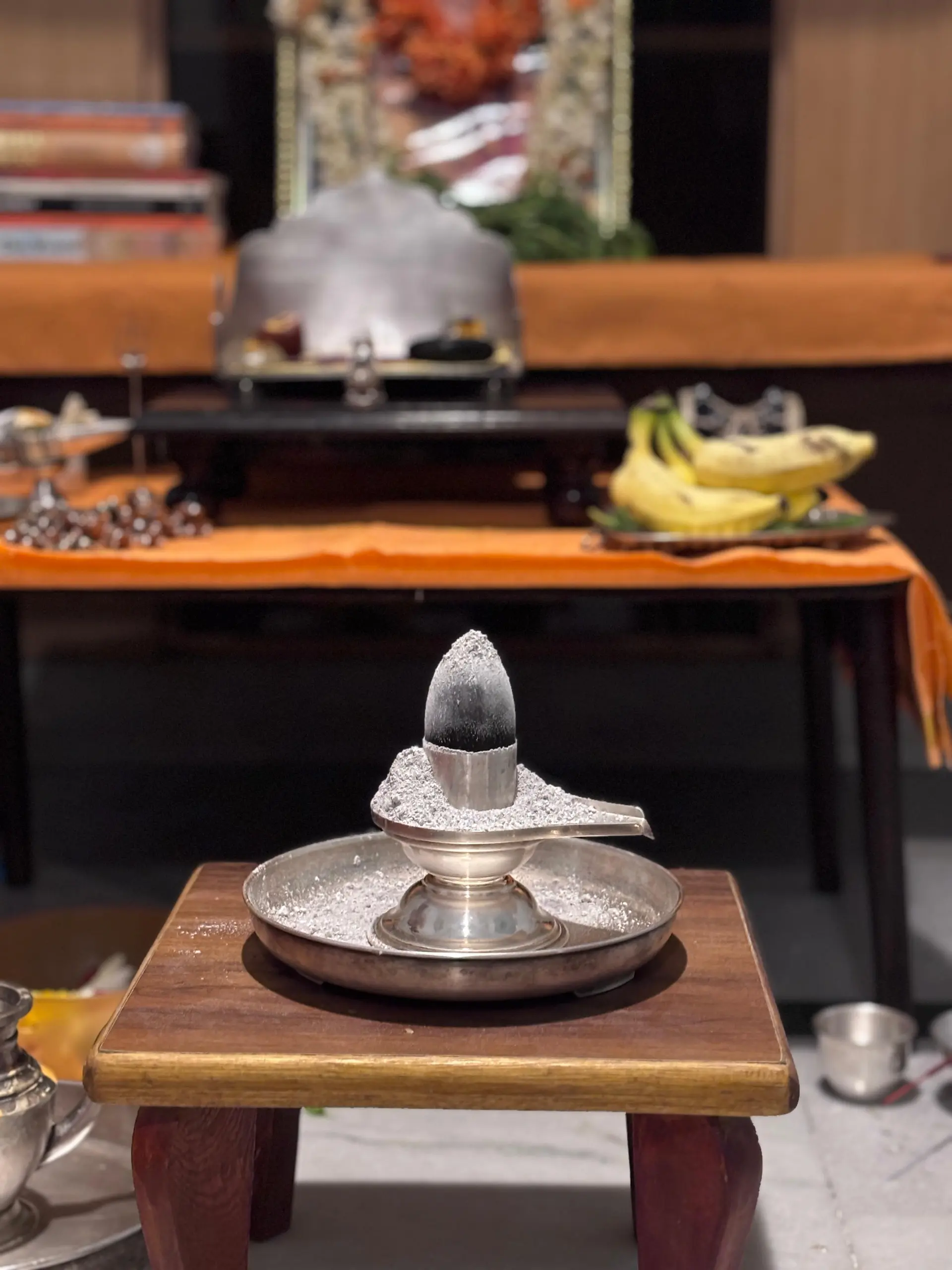
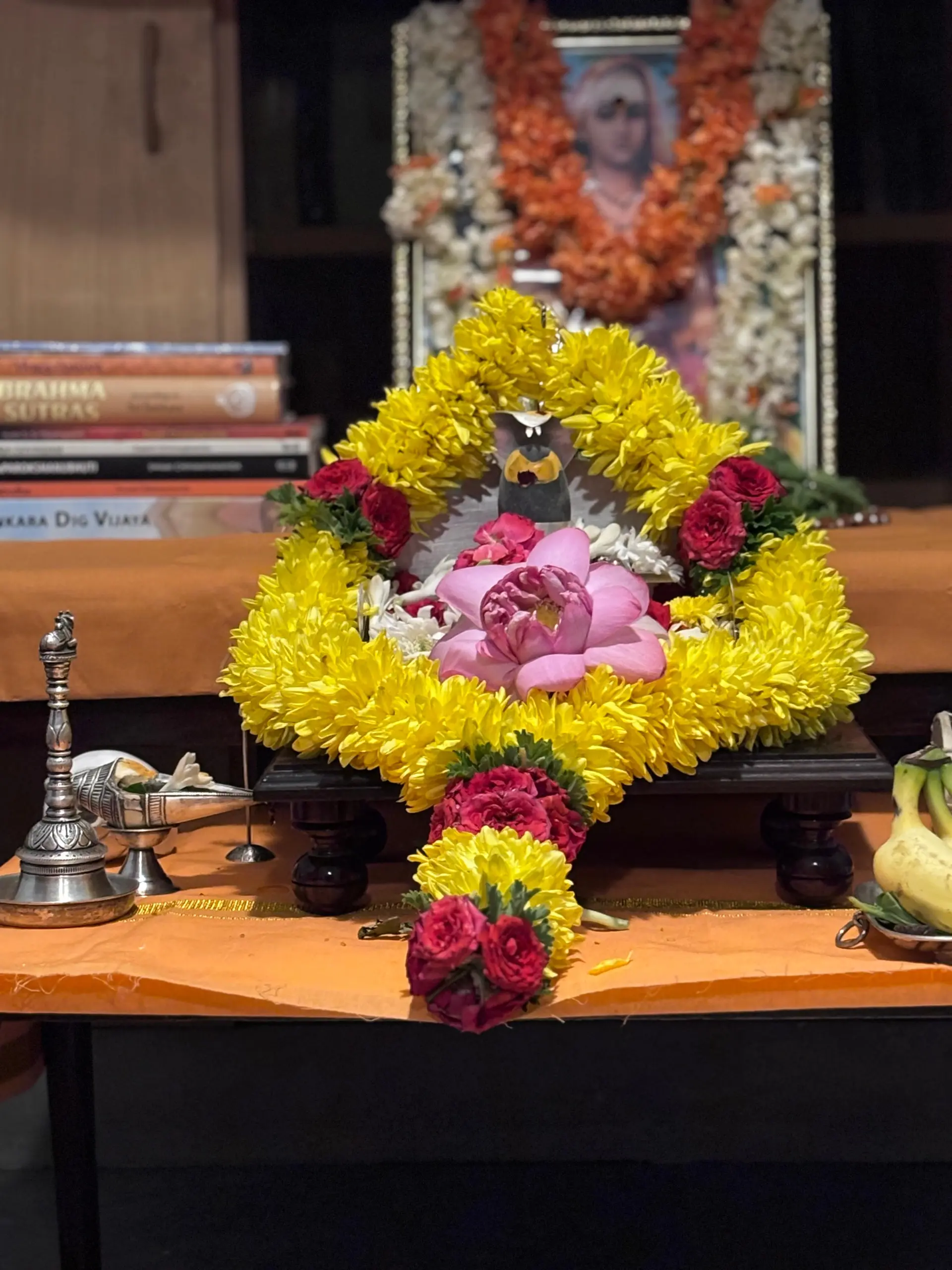
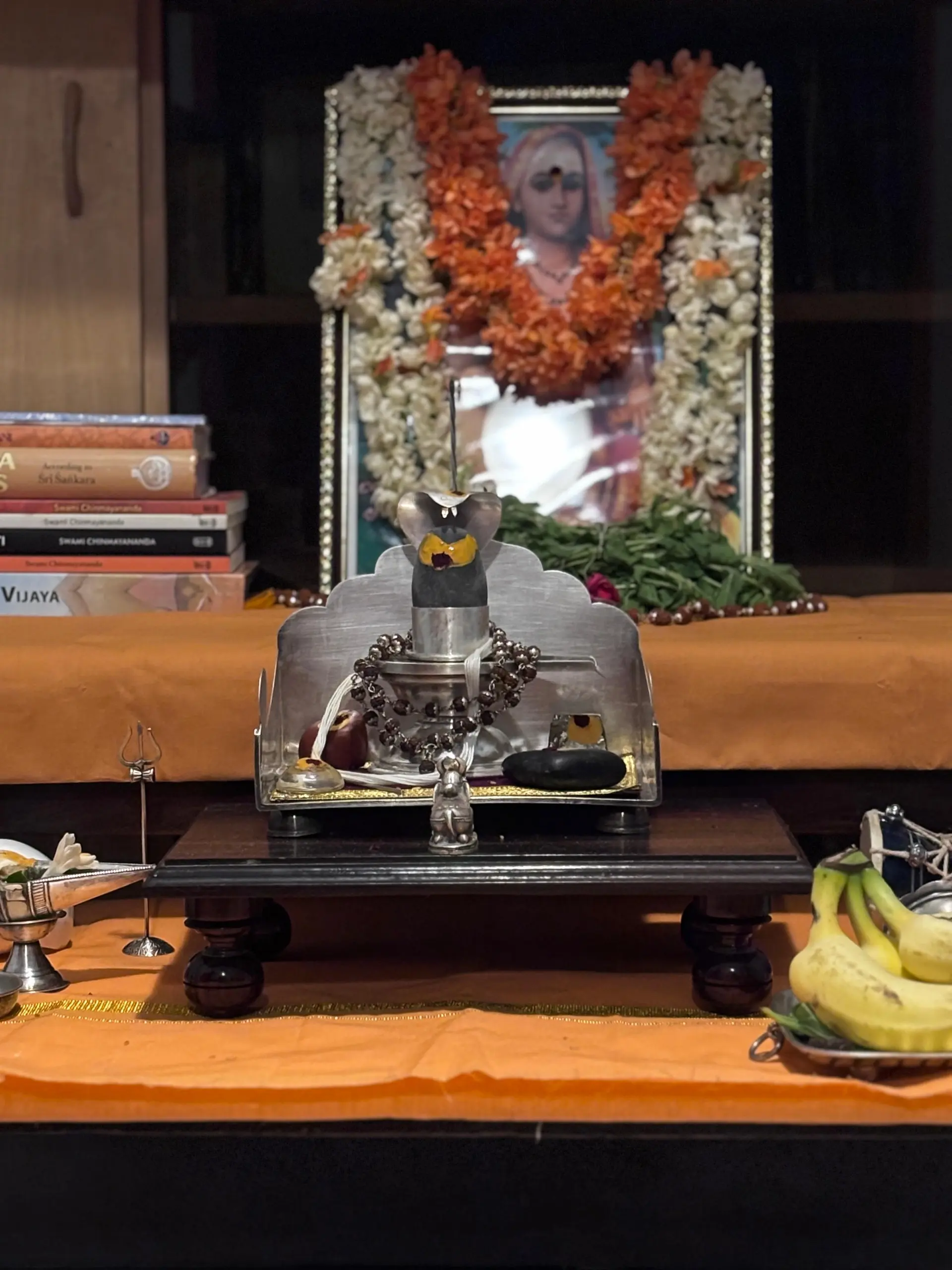
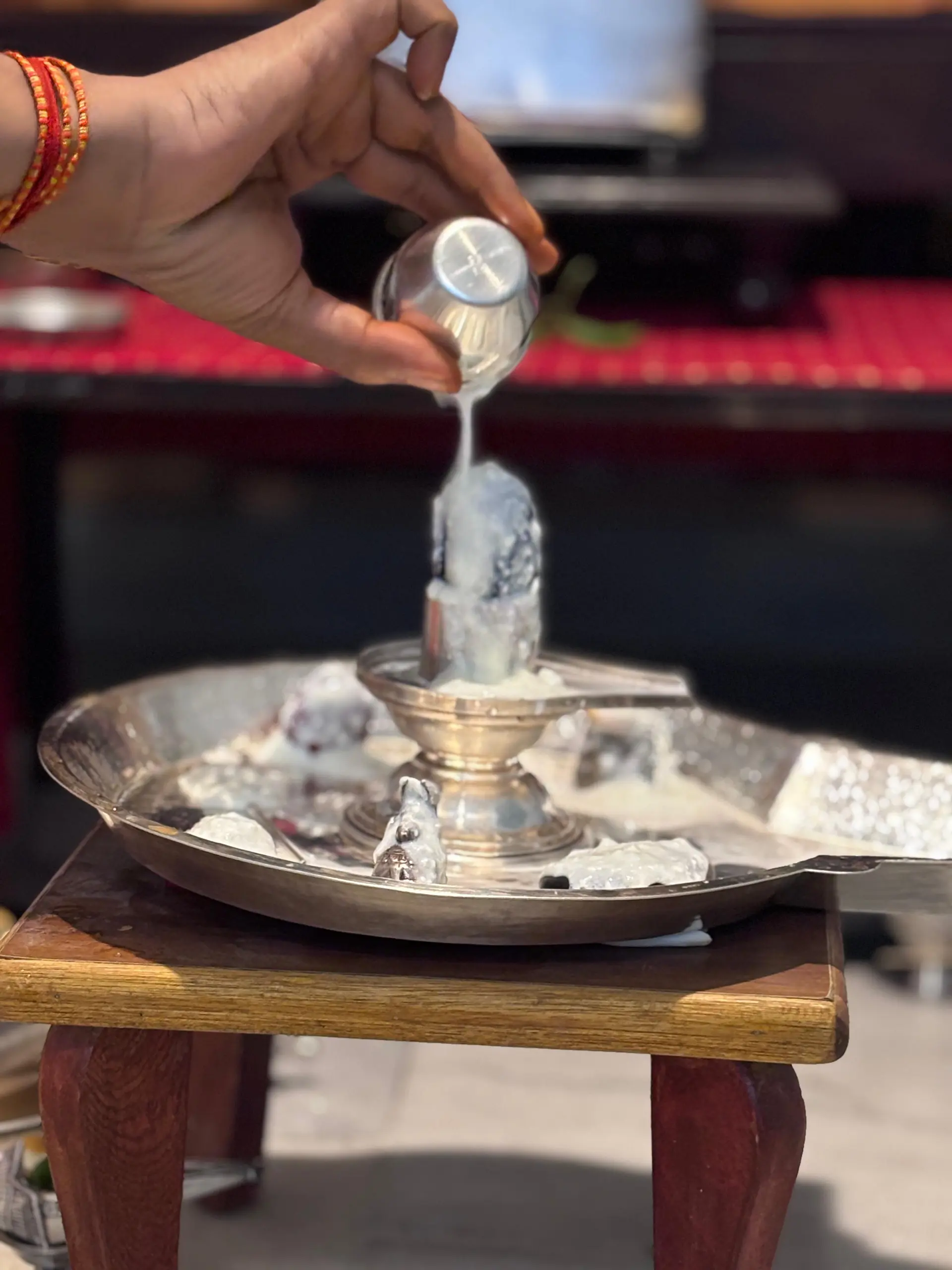
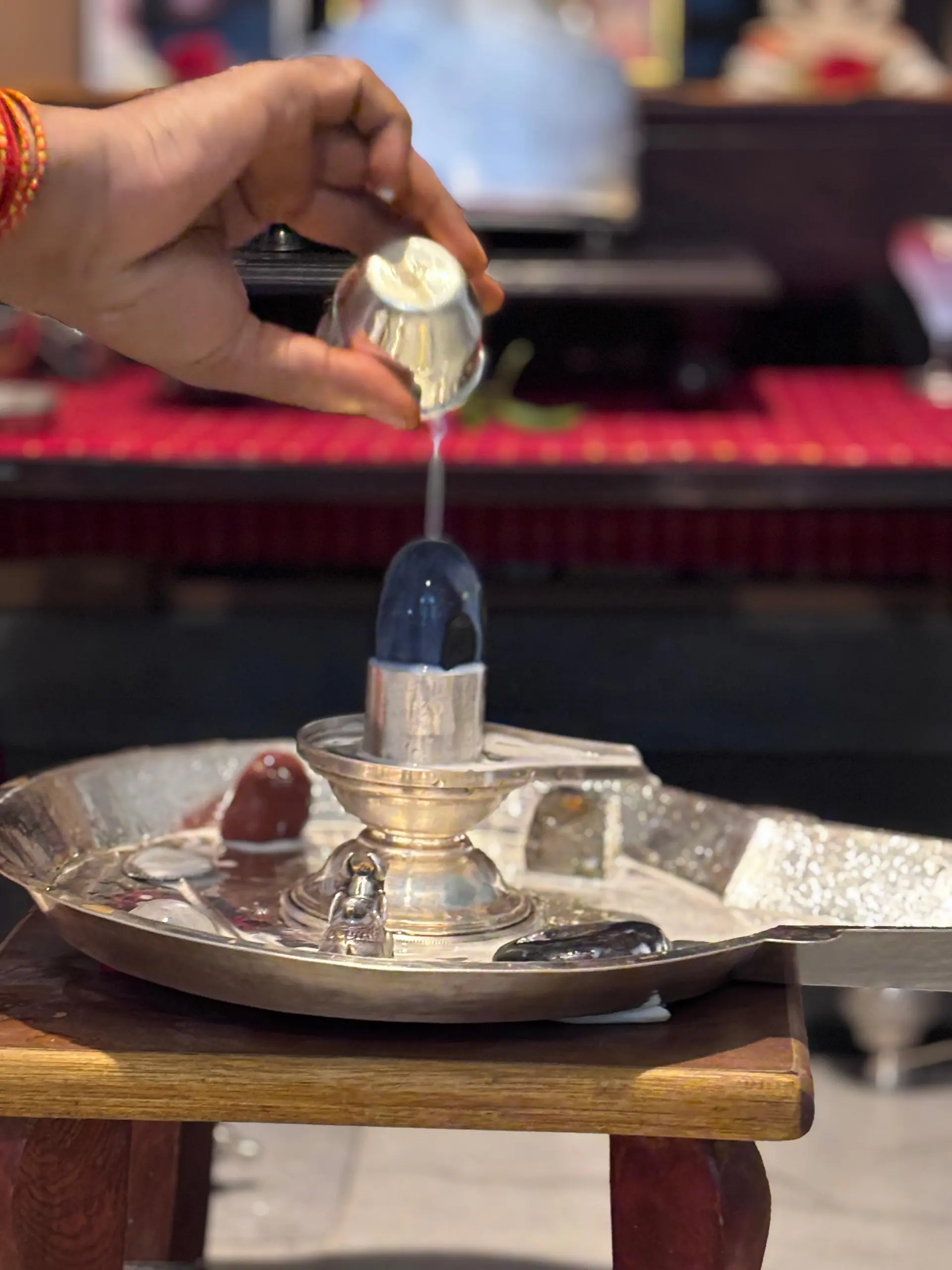
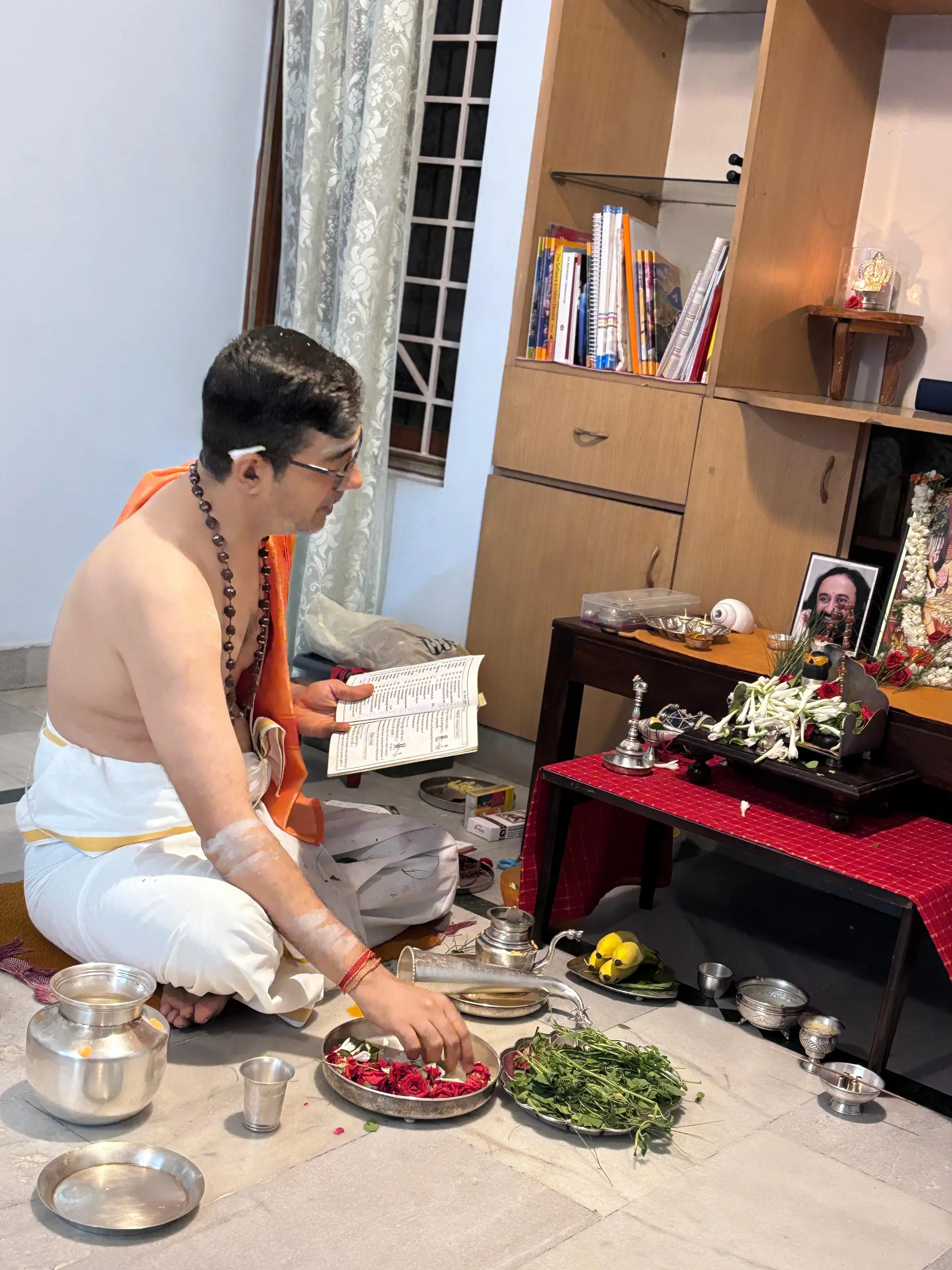
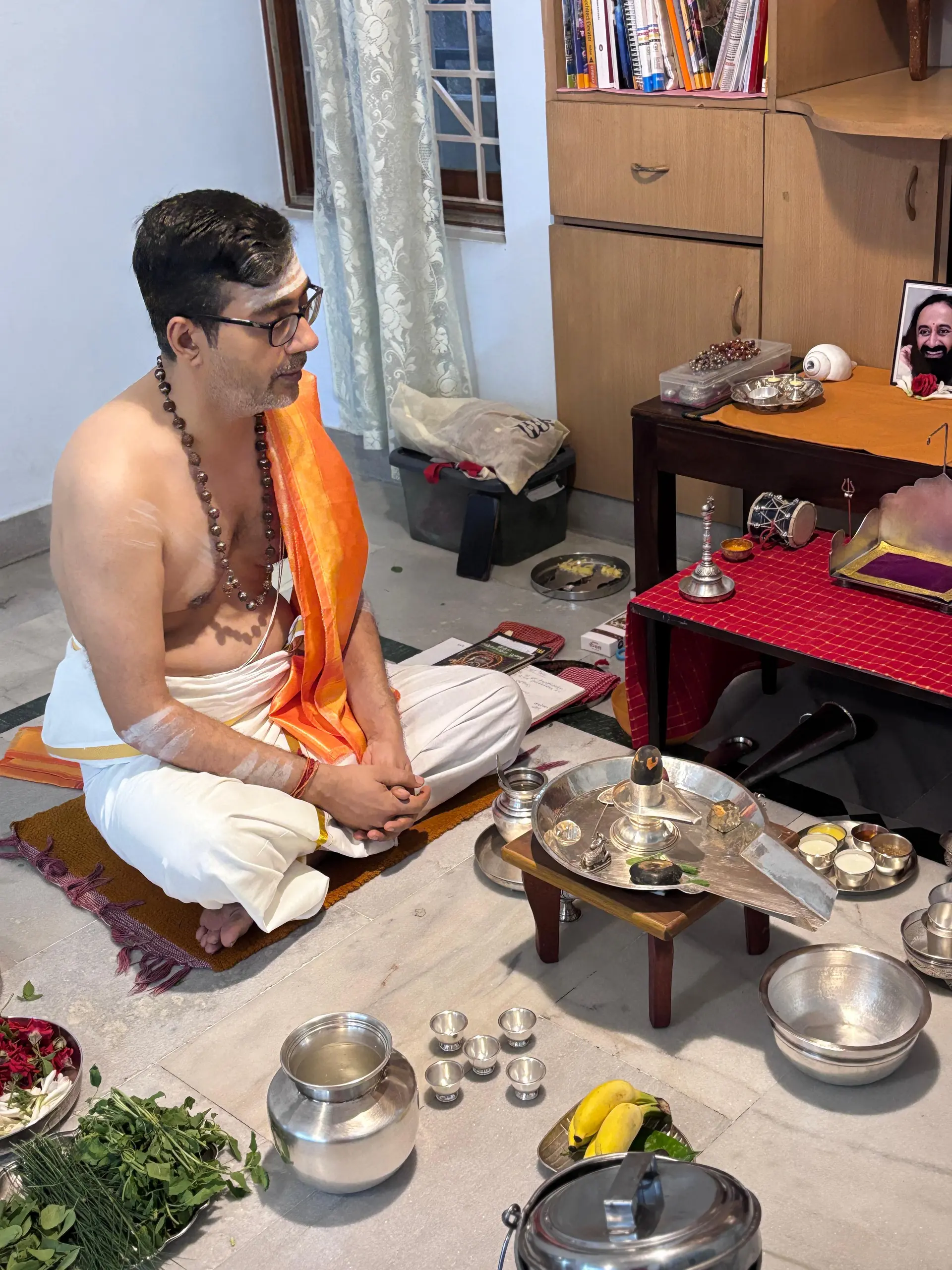
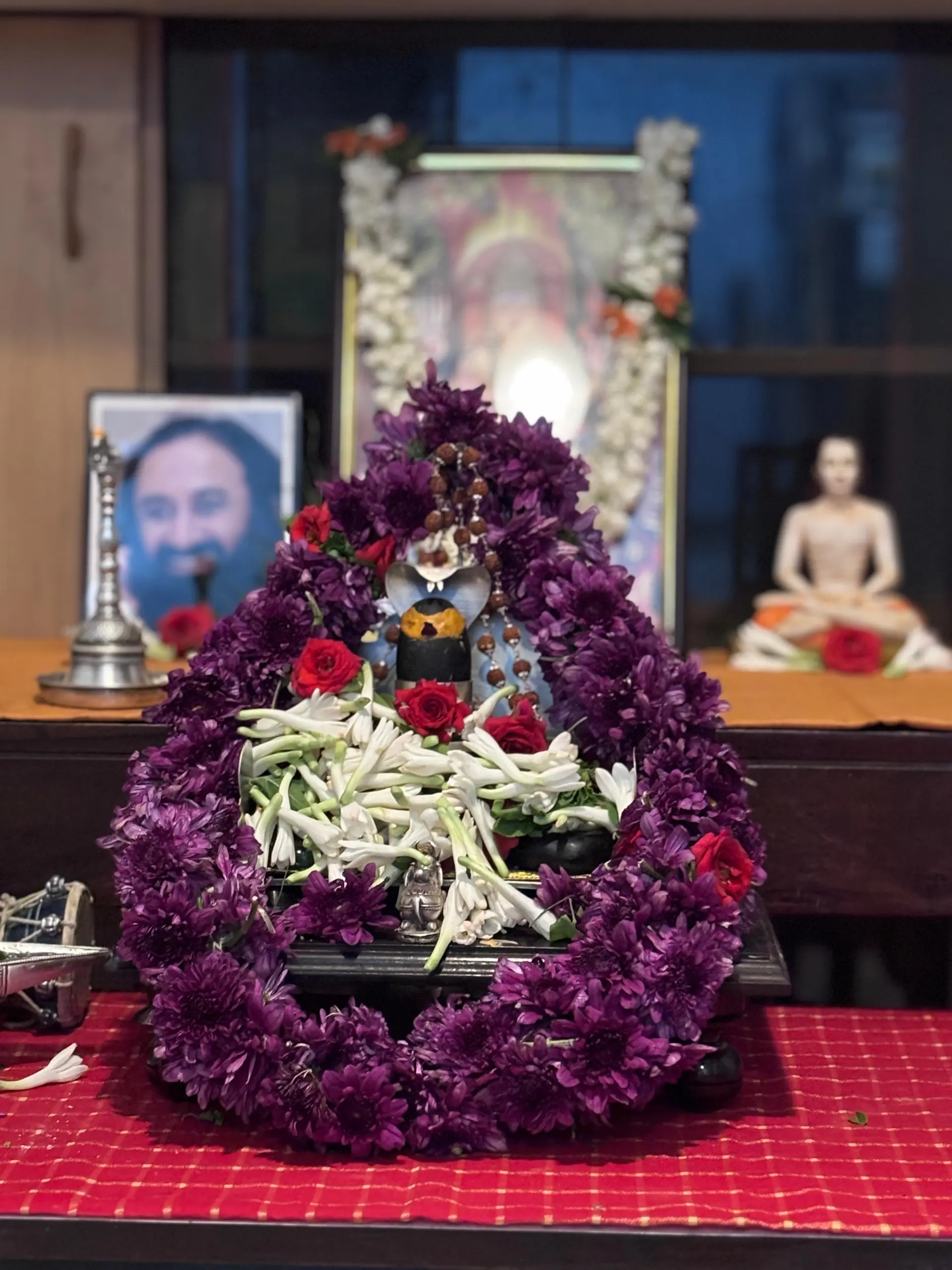
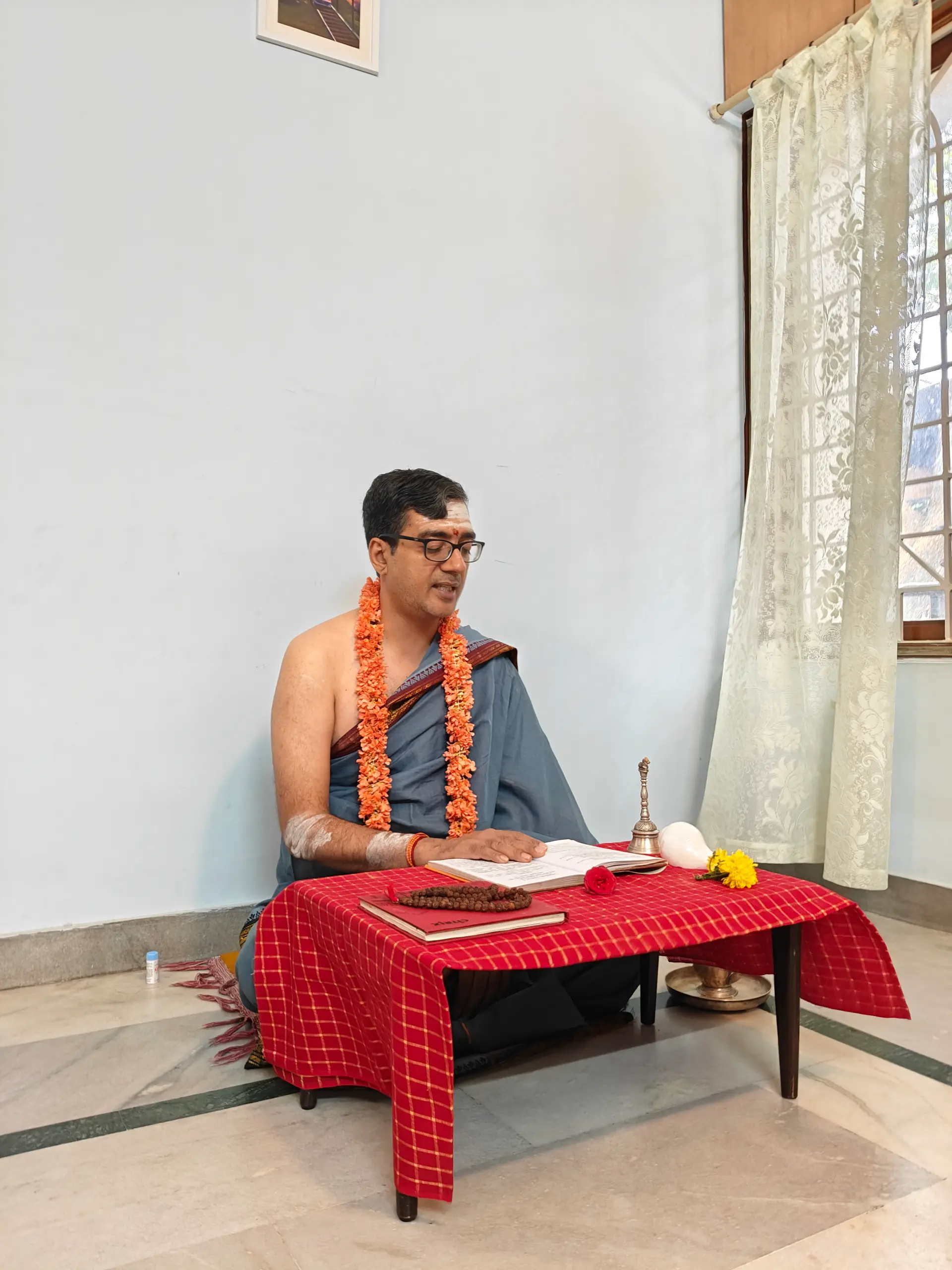
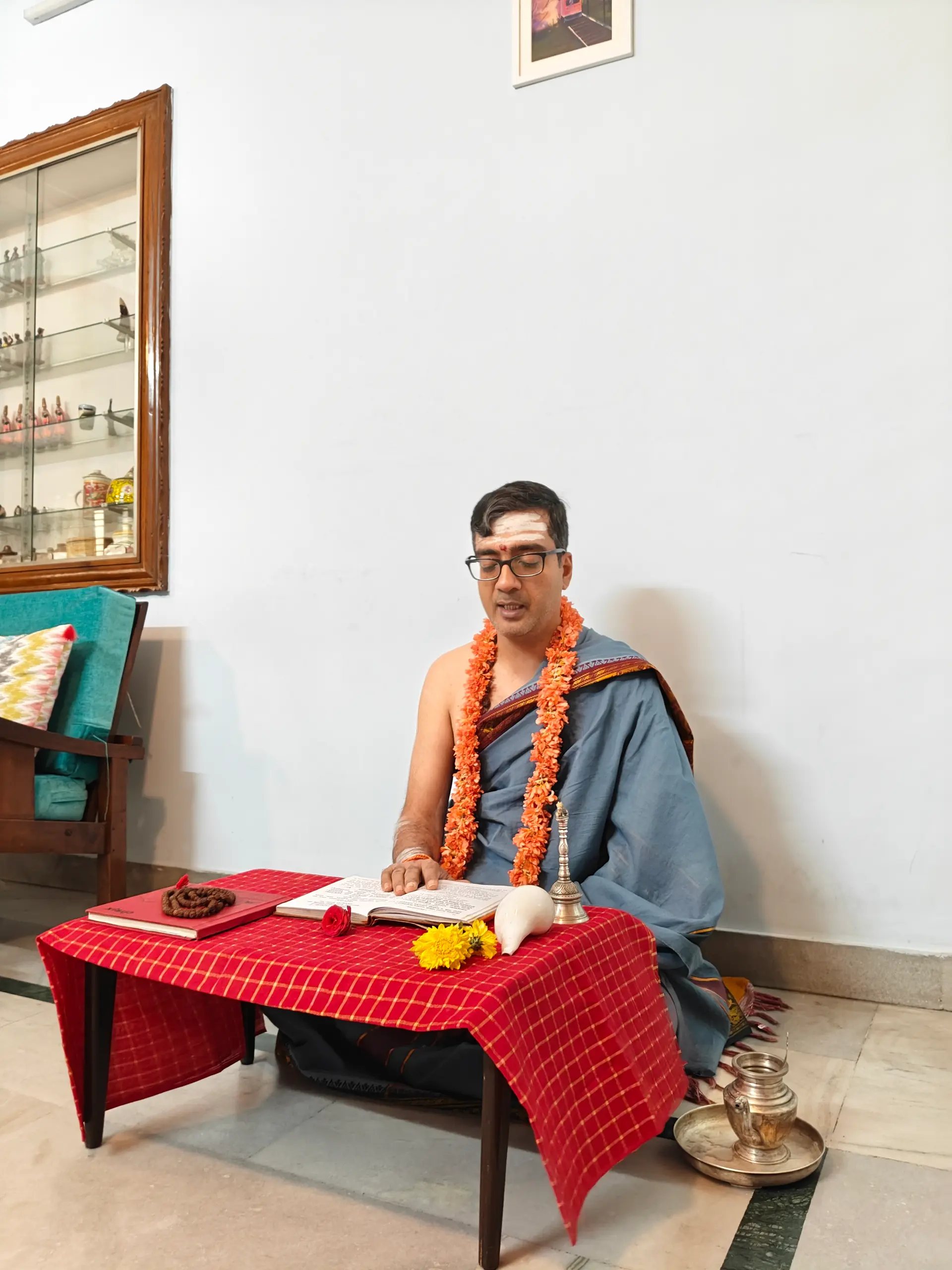
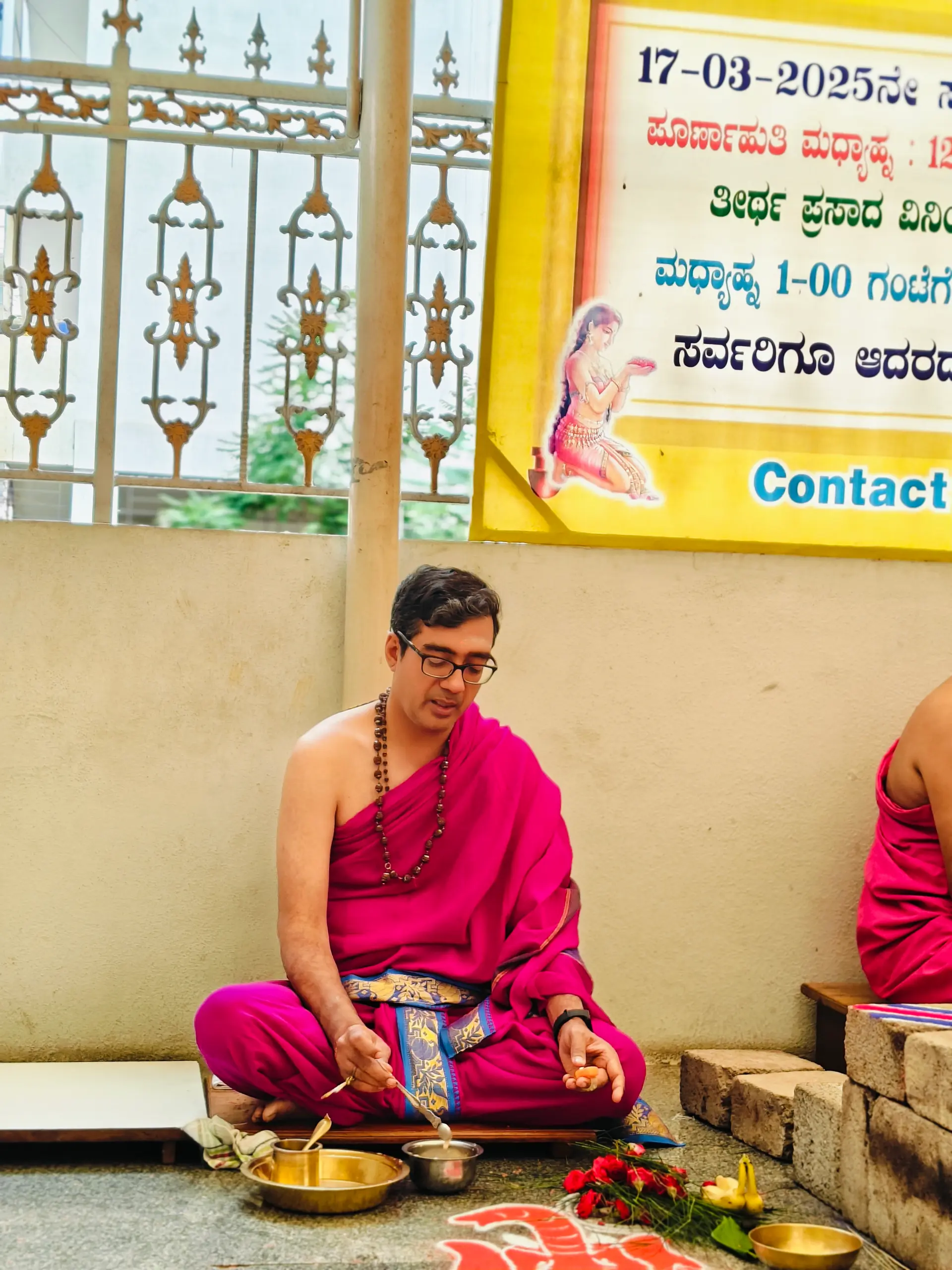
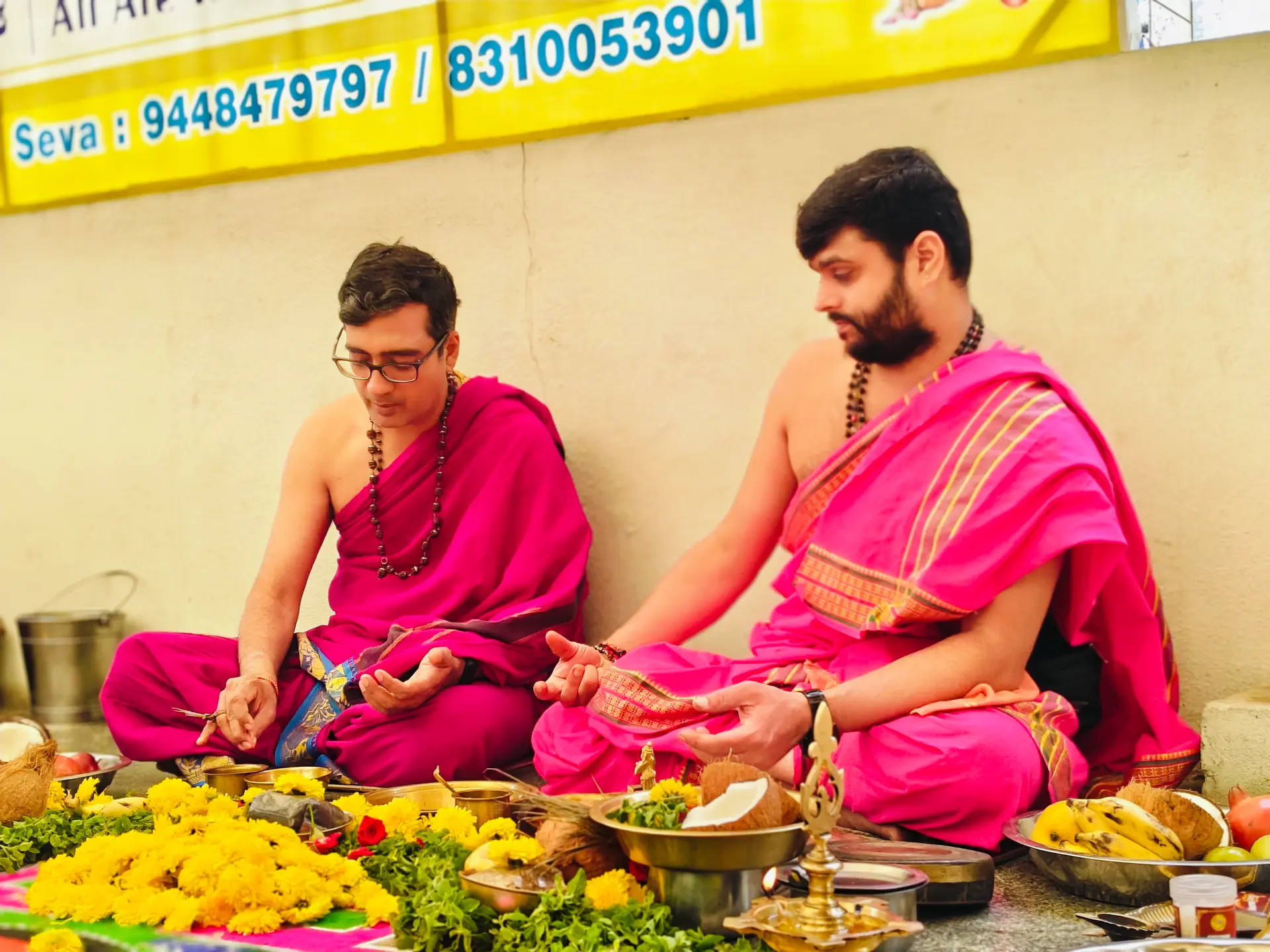
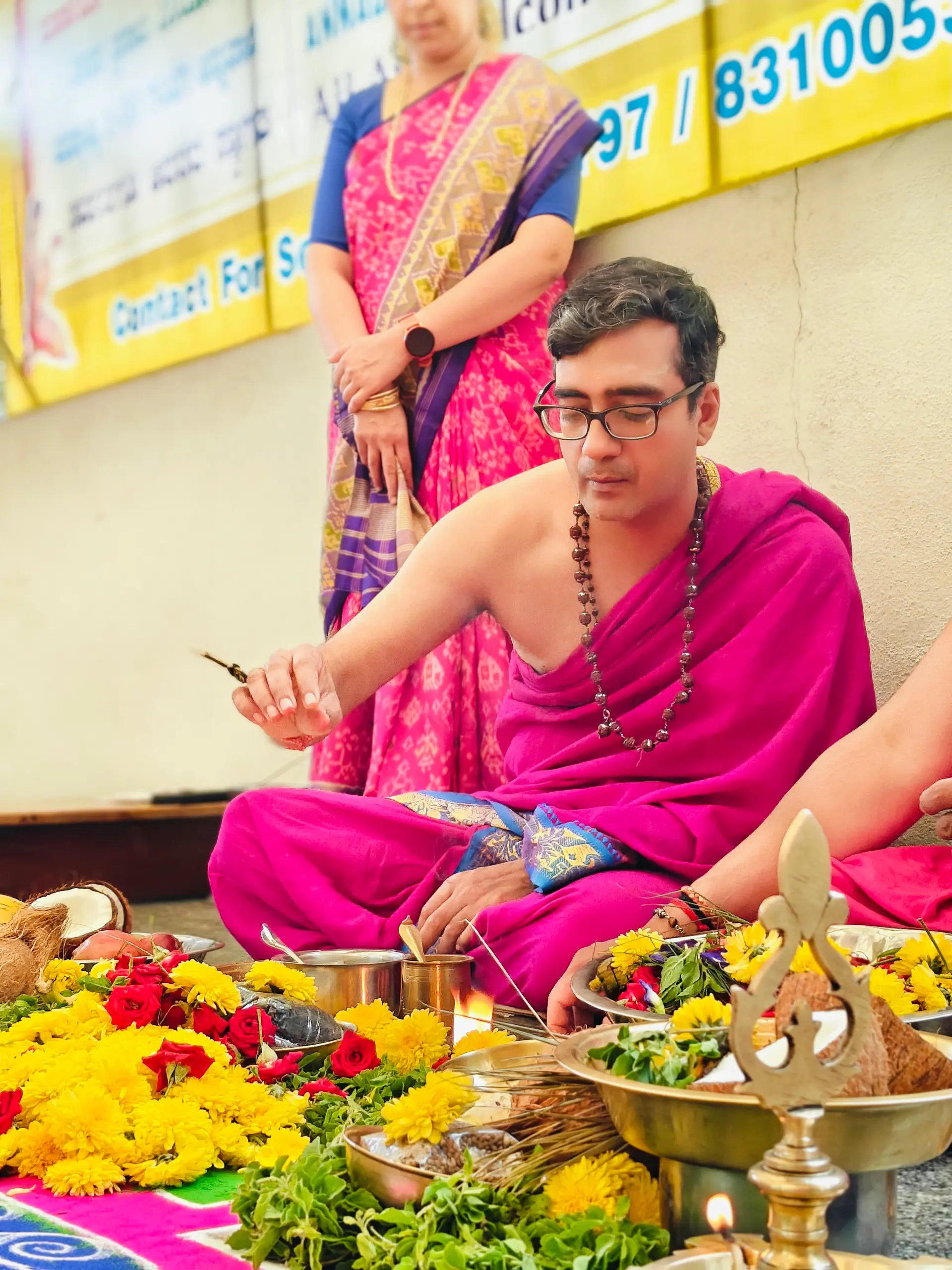
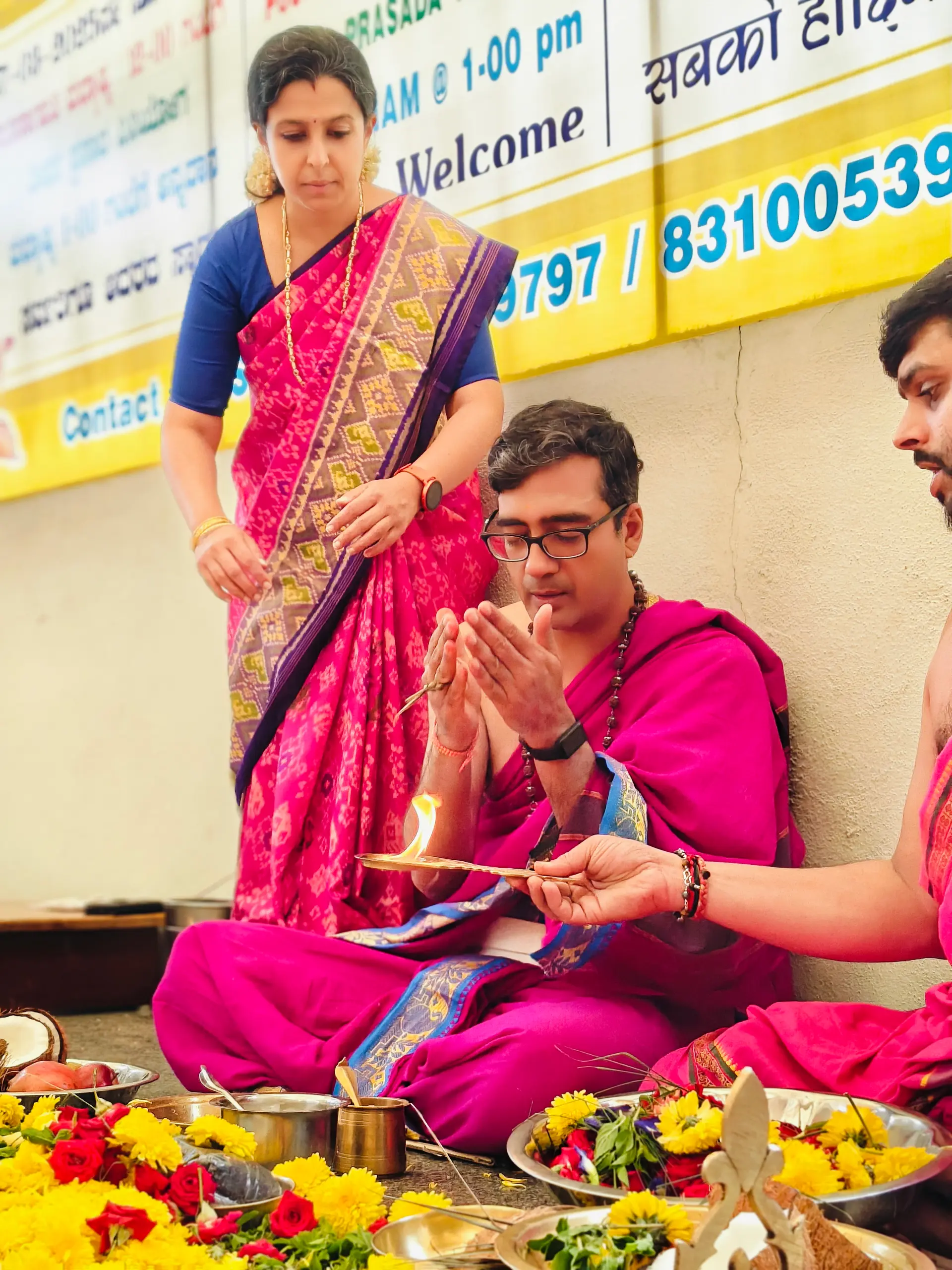
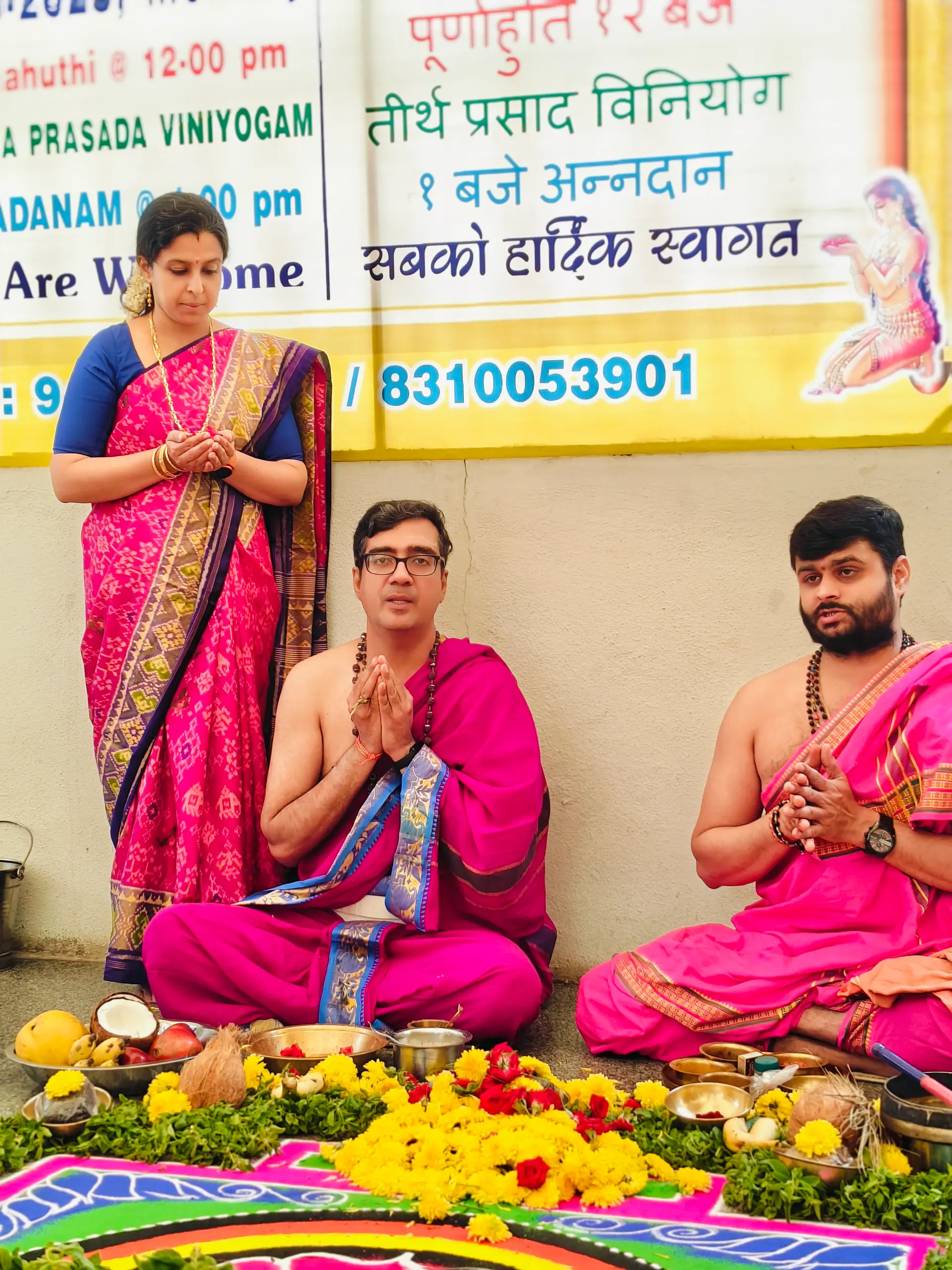
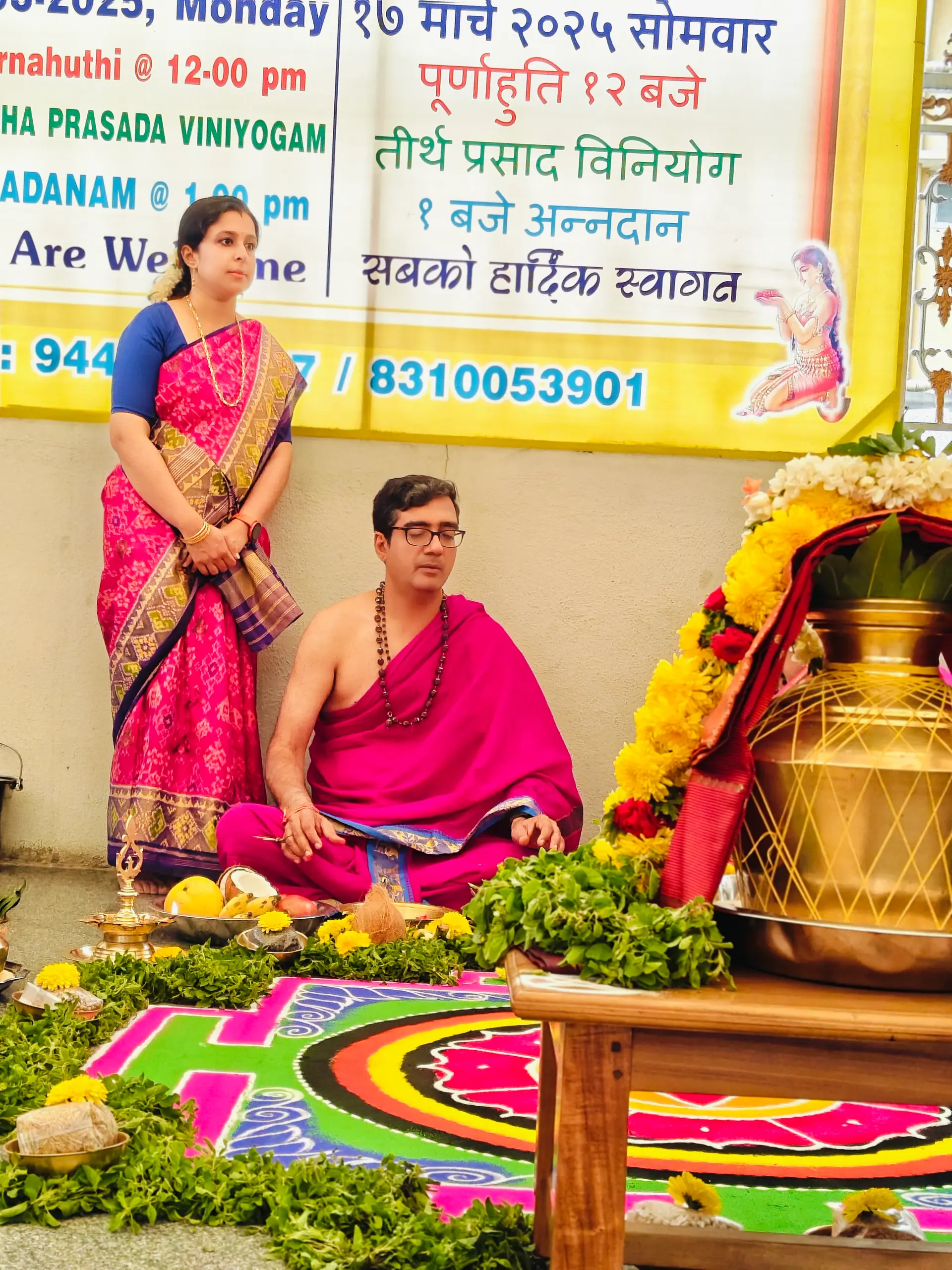
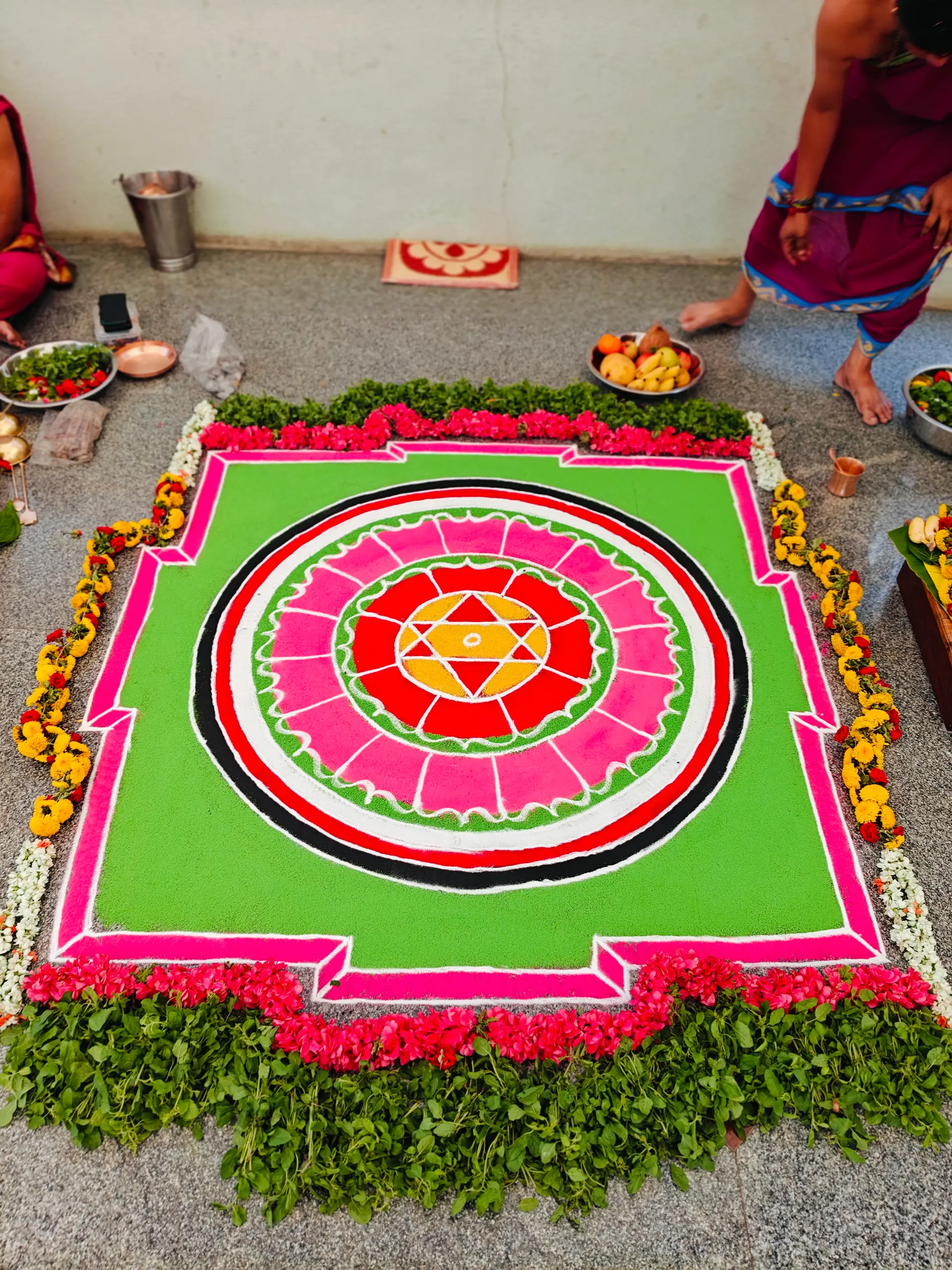
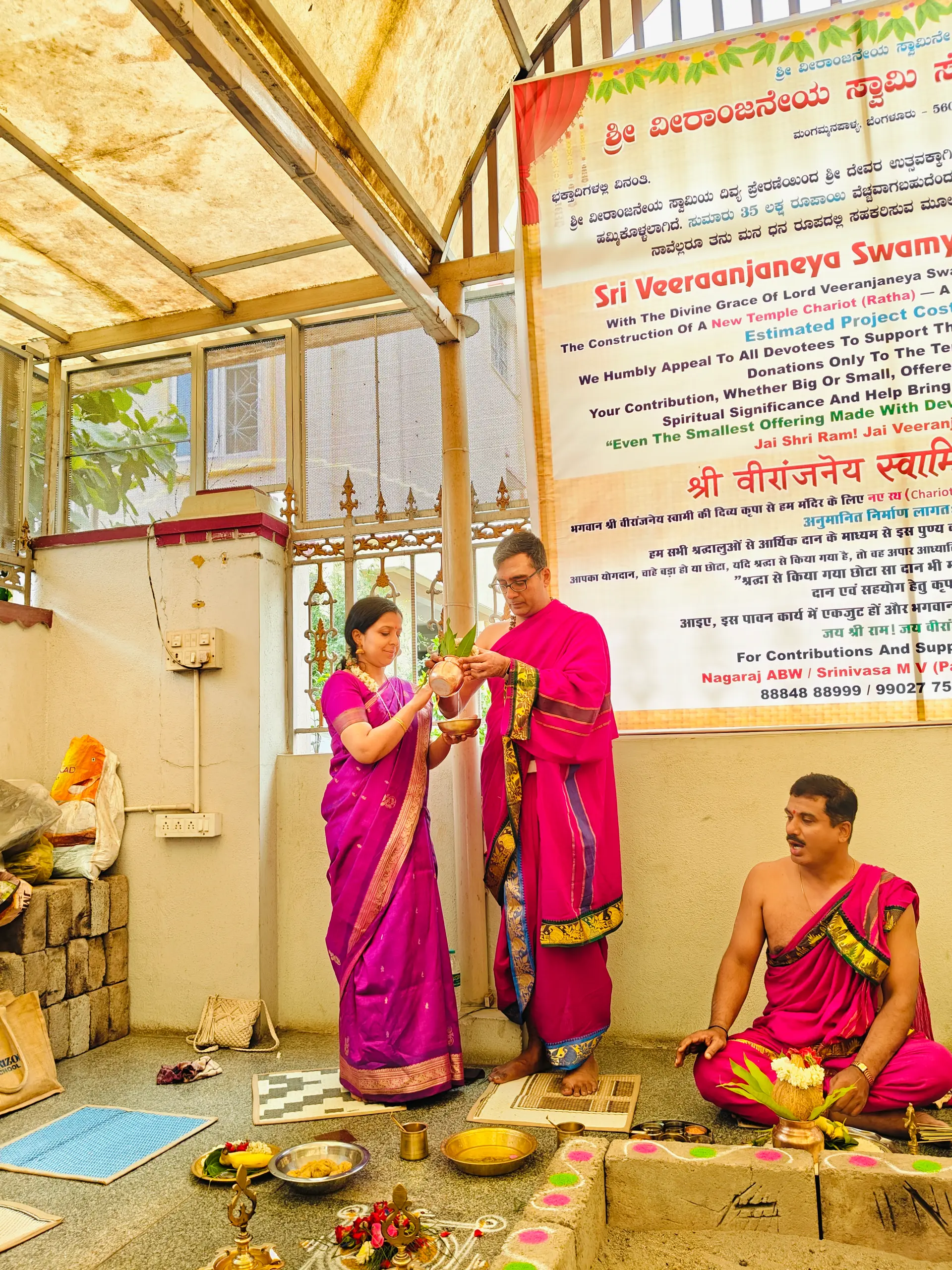
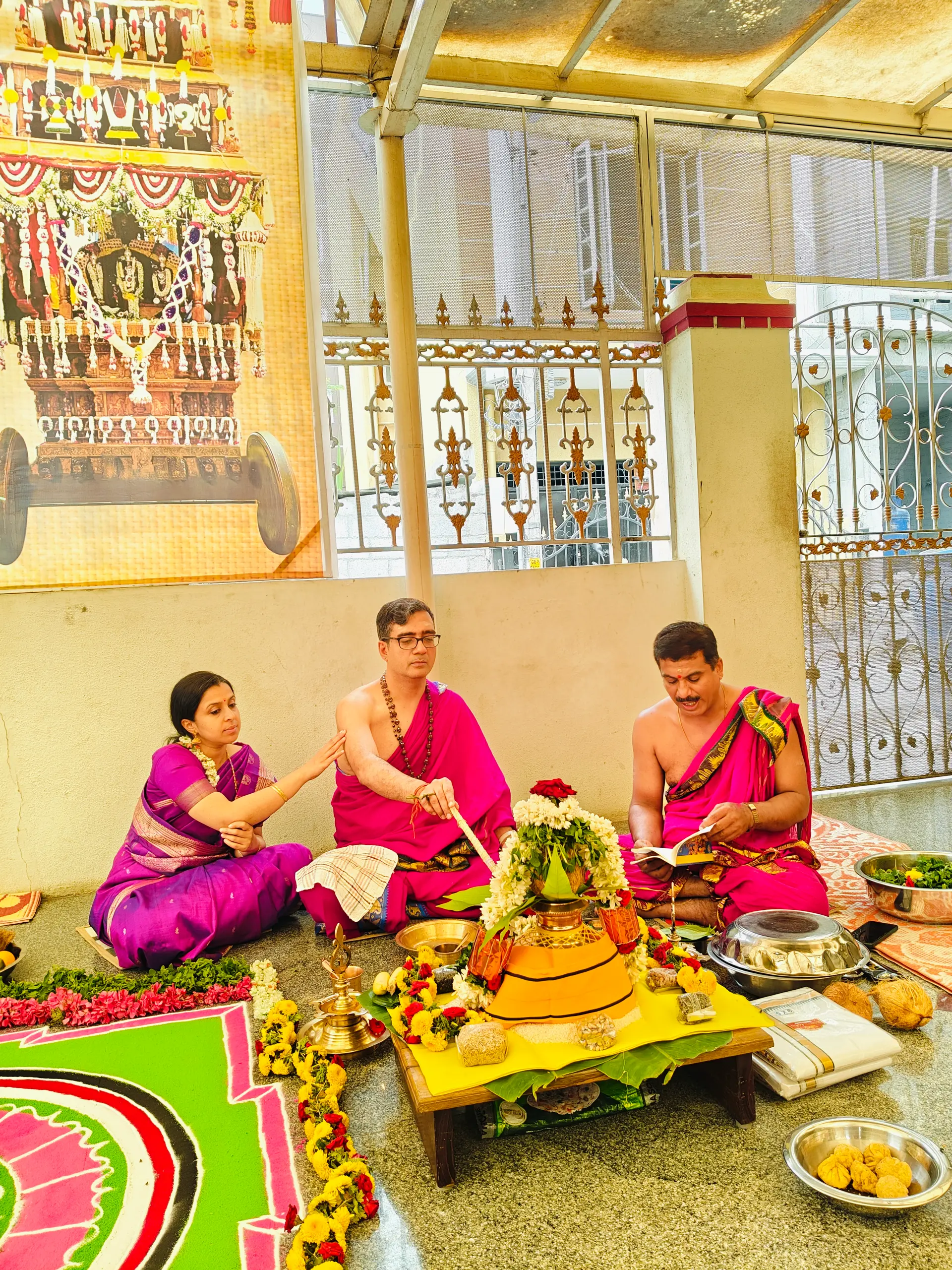
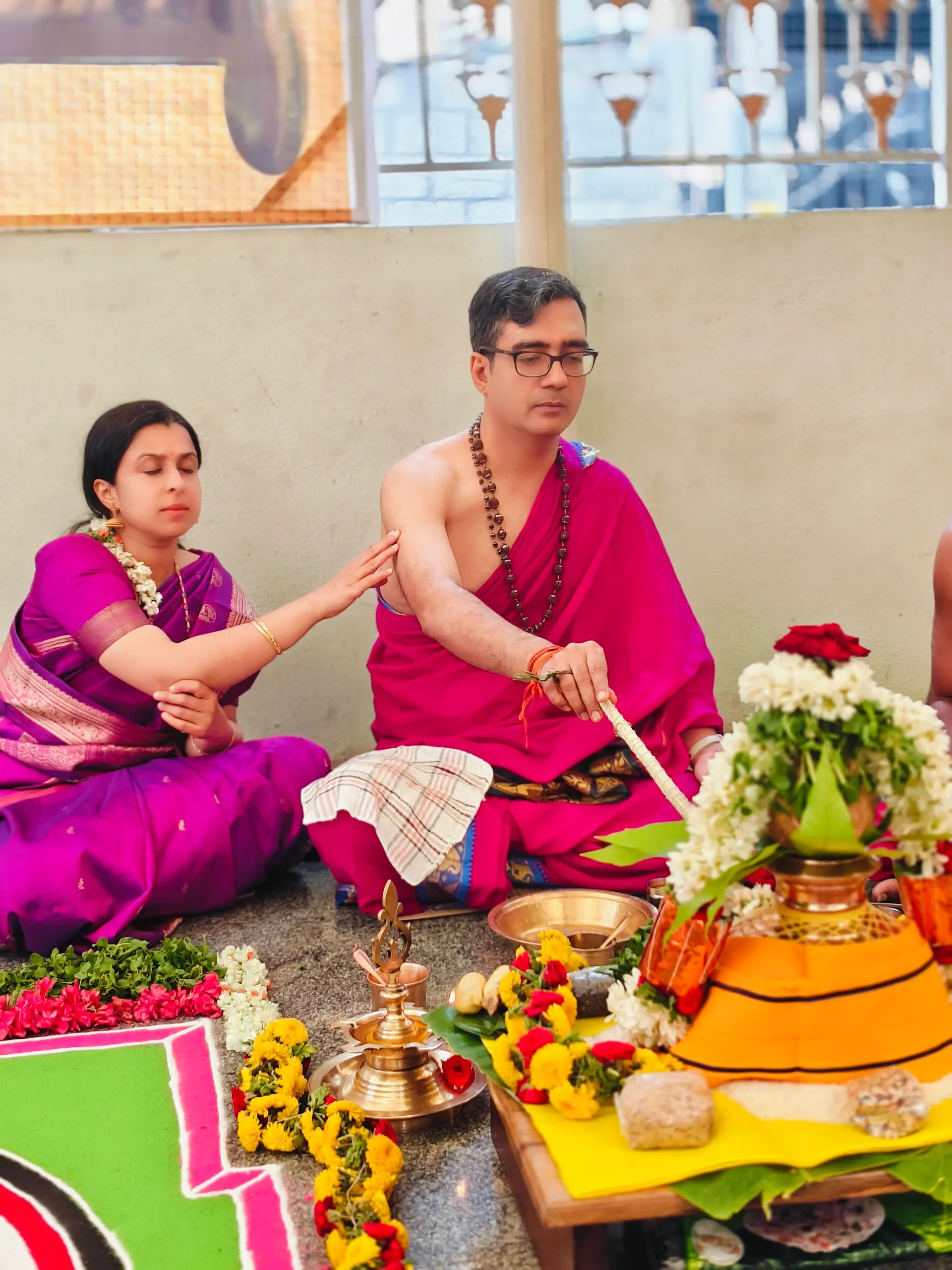
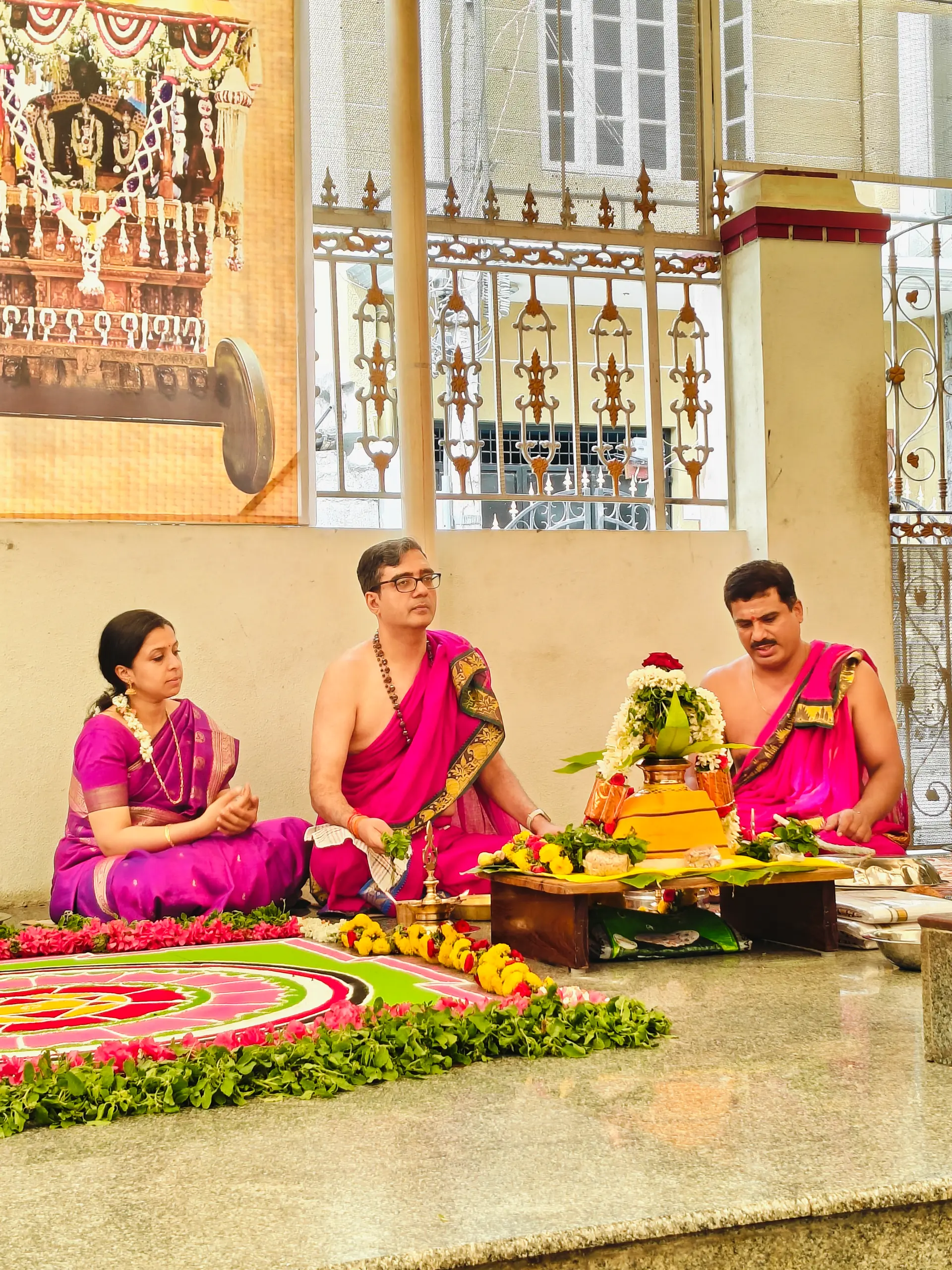
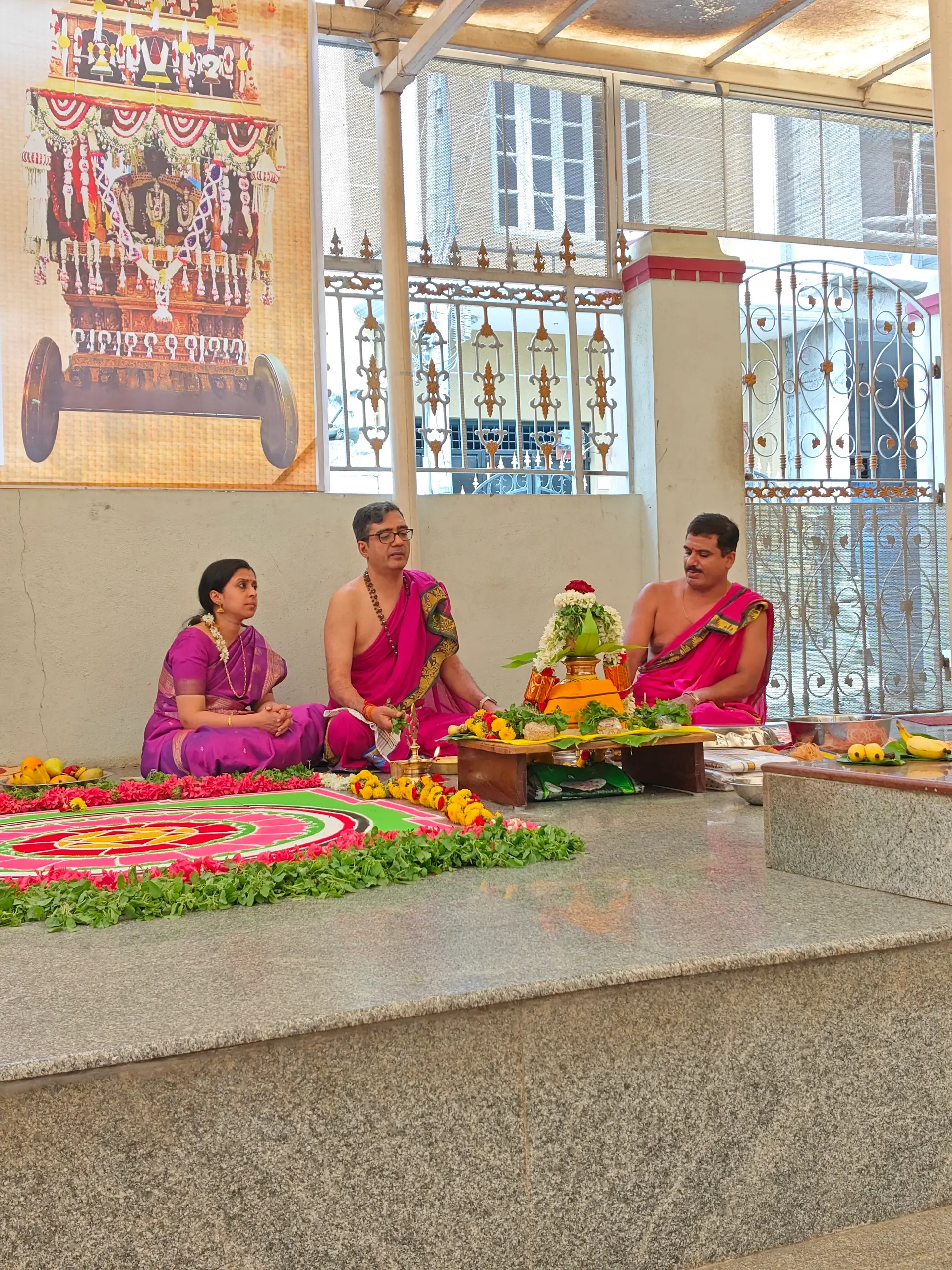
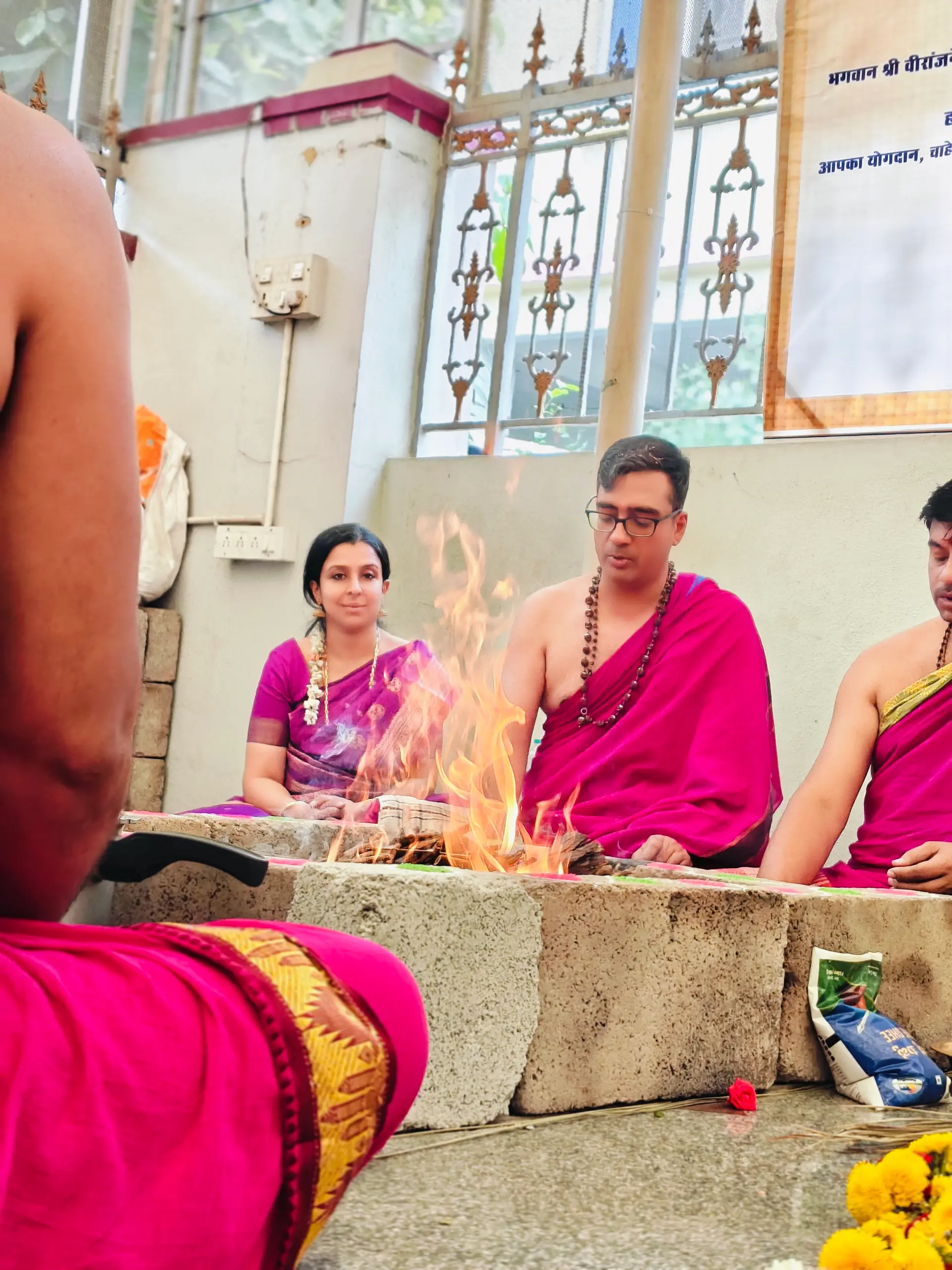
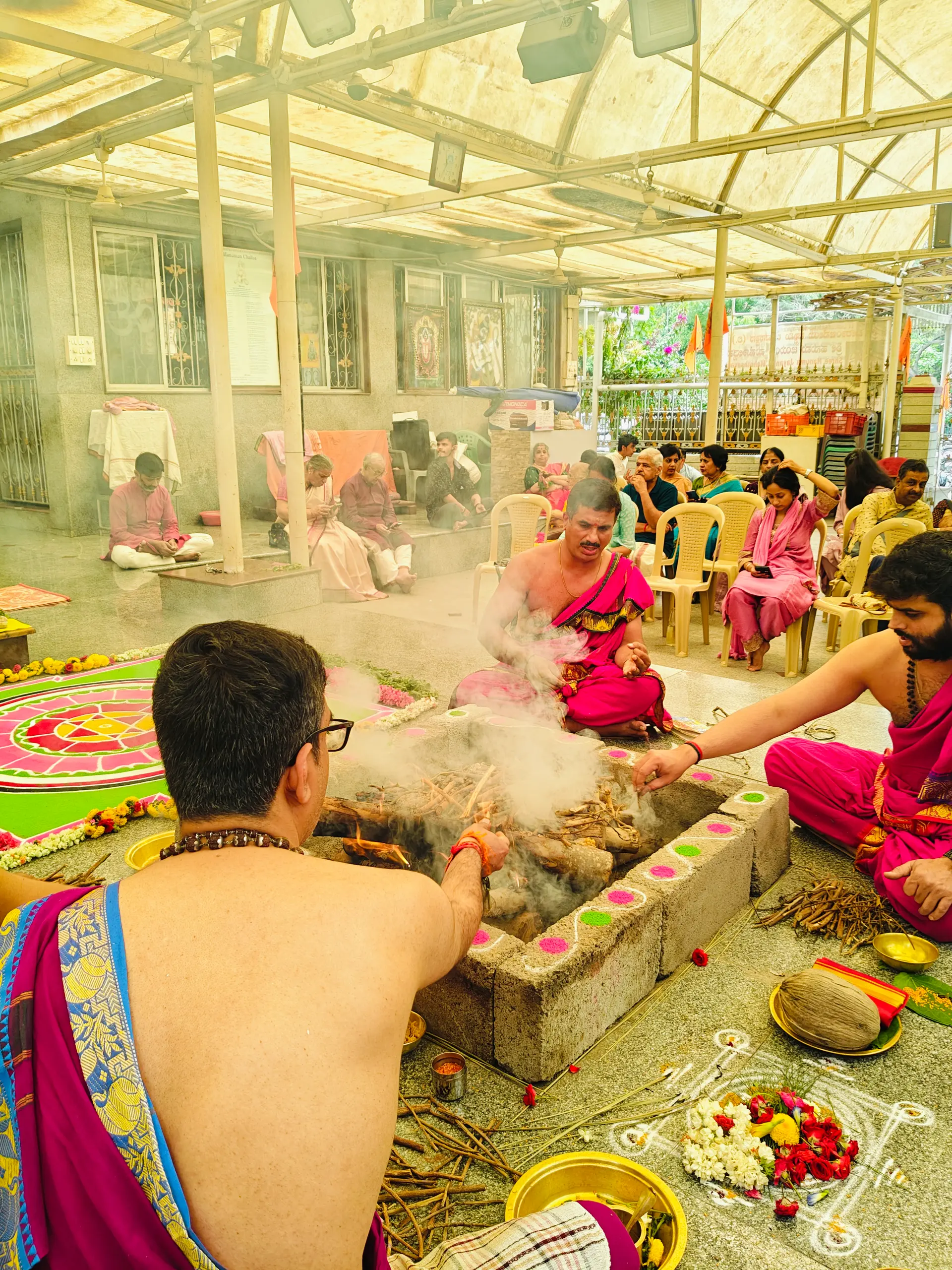
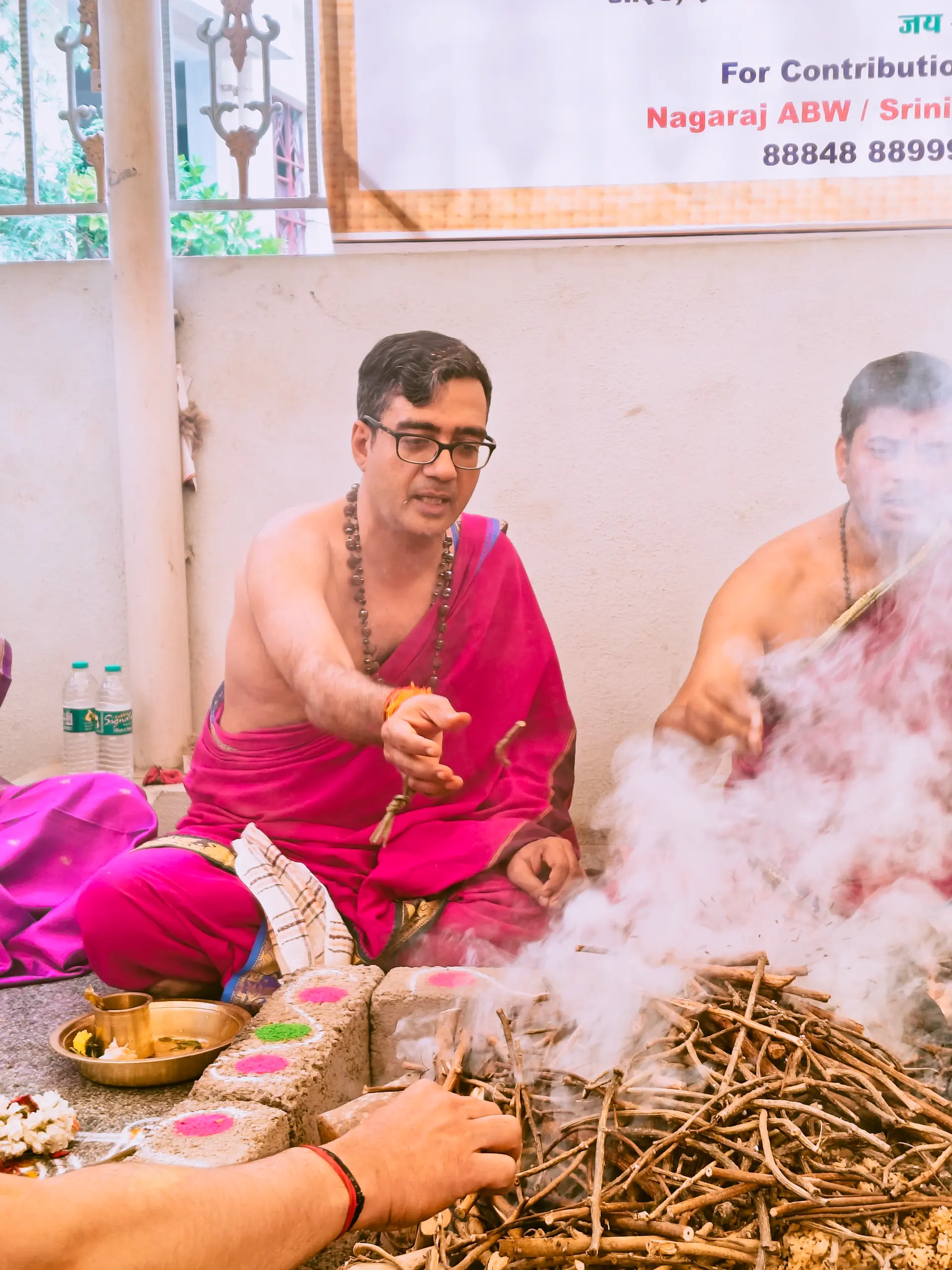
Rudra puja
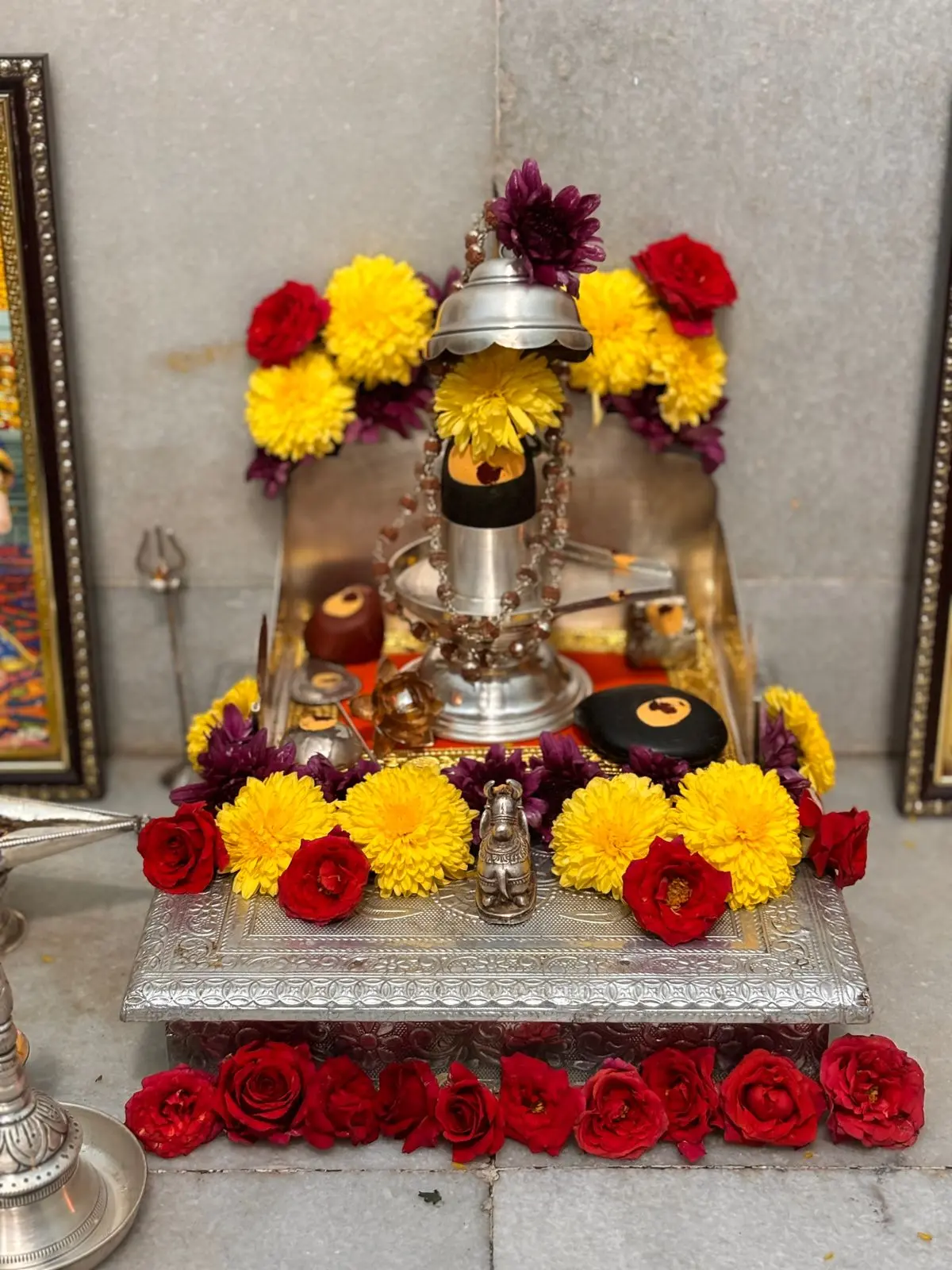
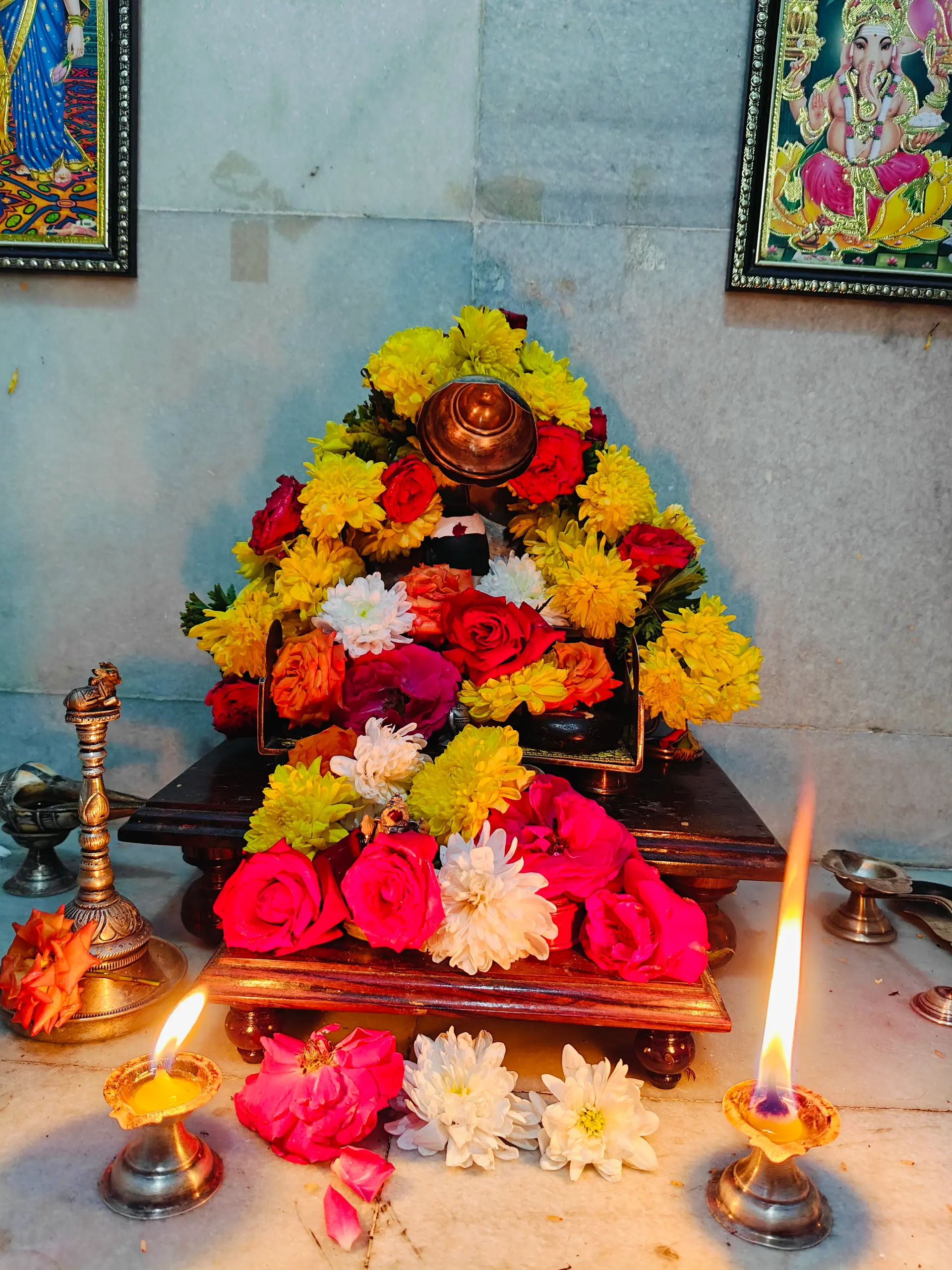
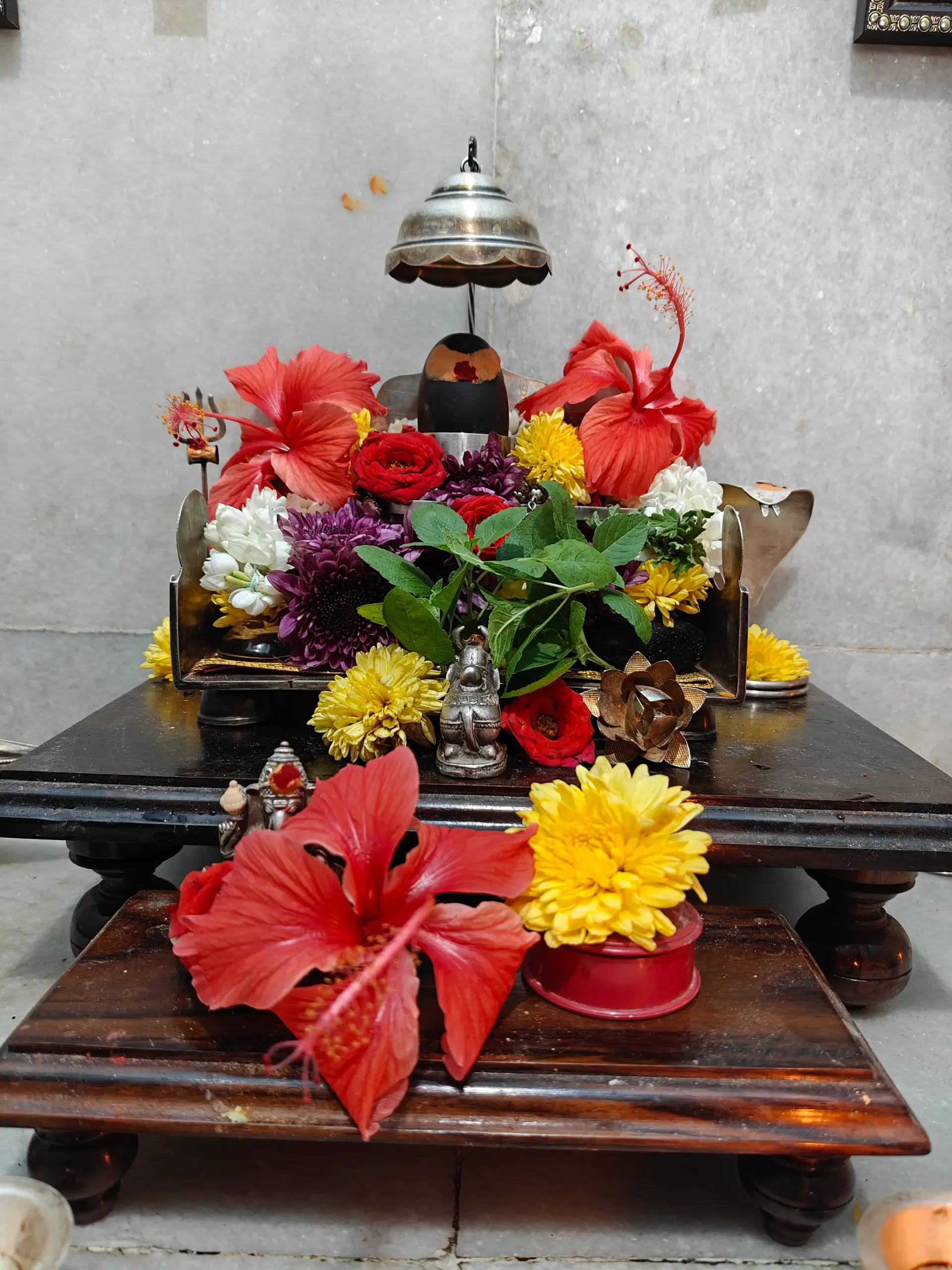
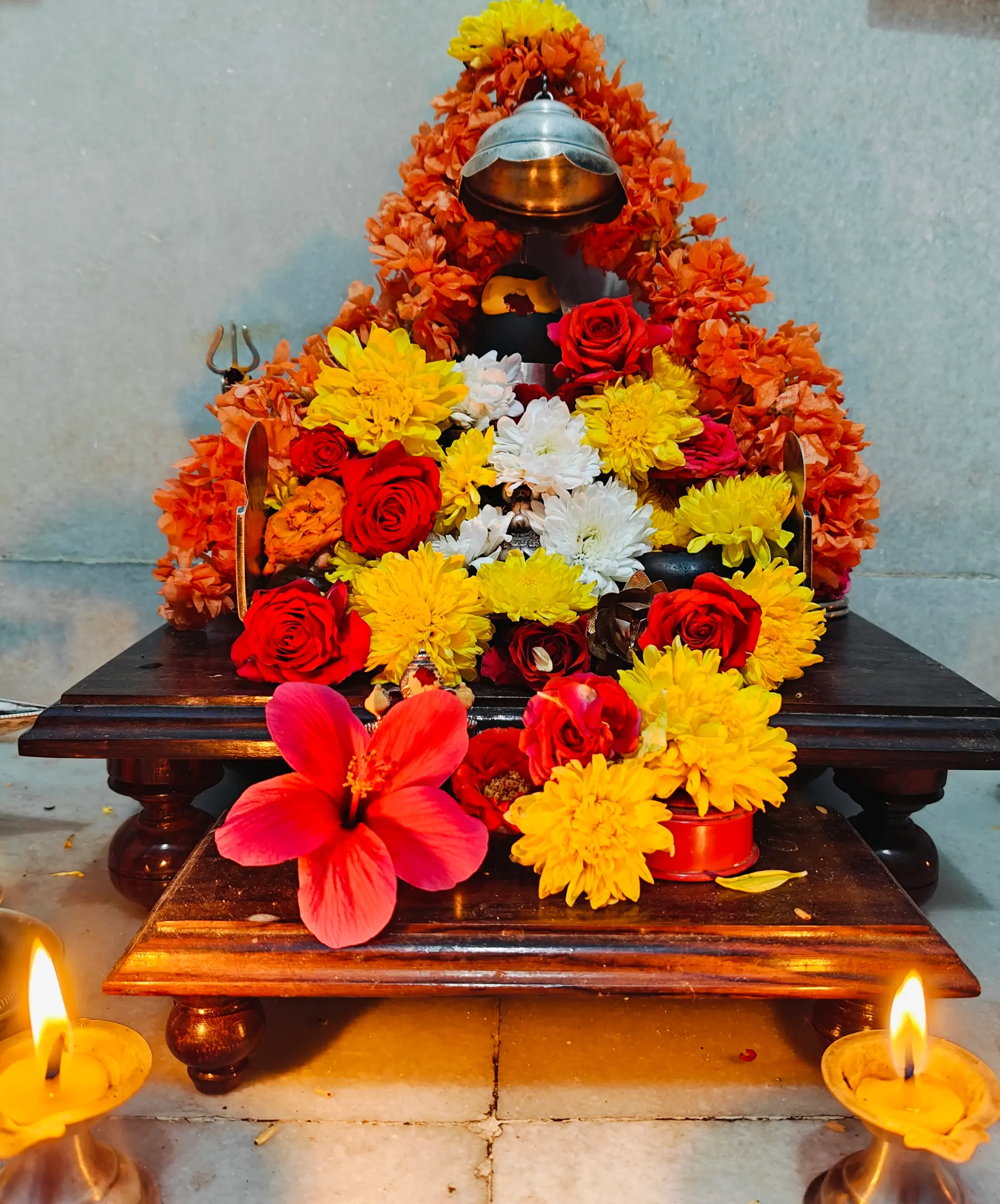
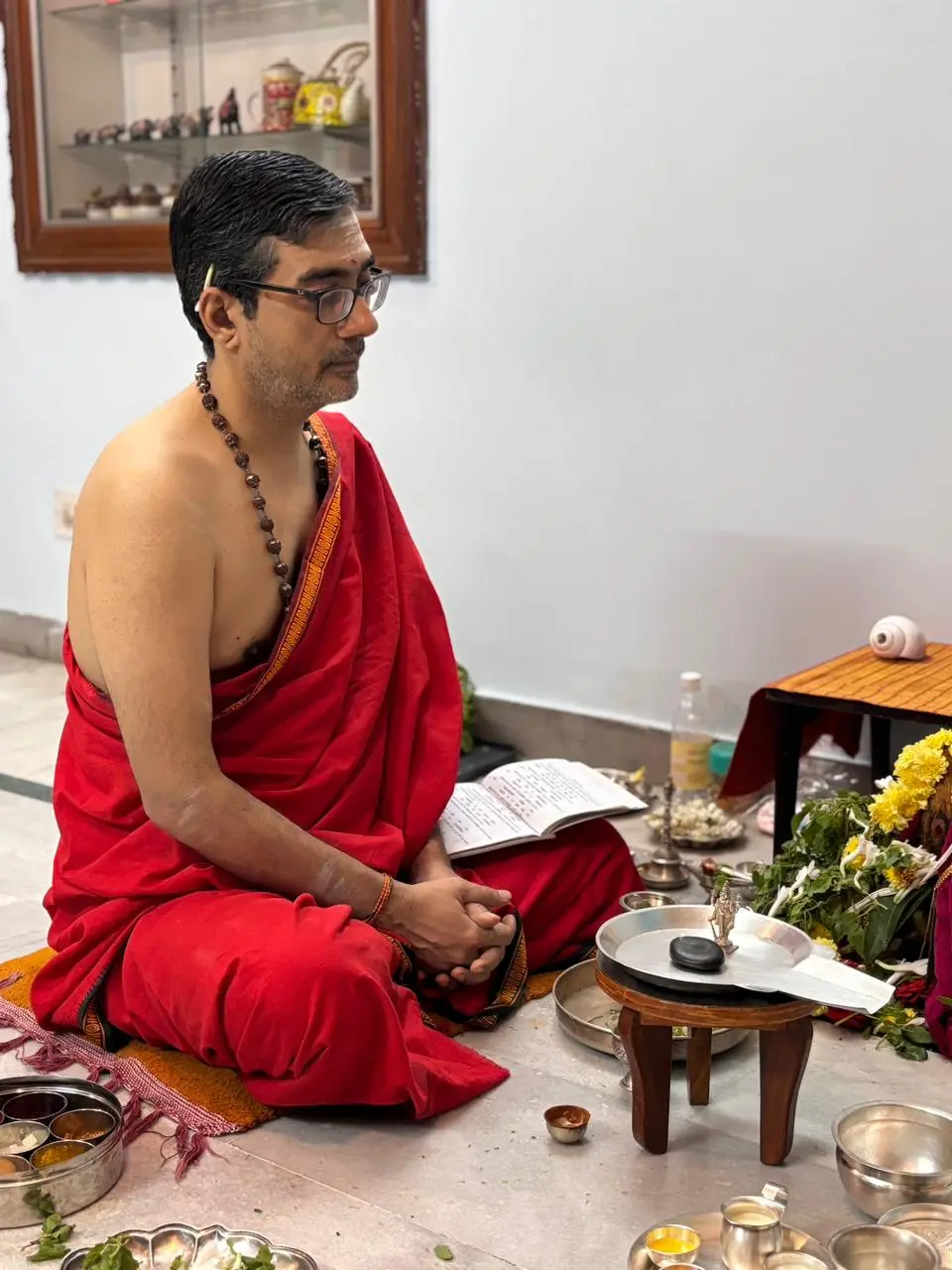
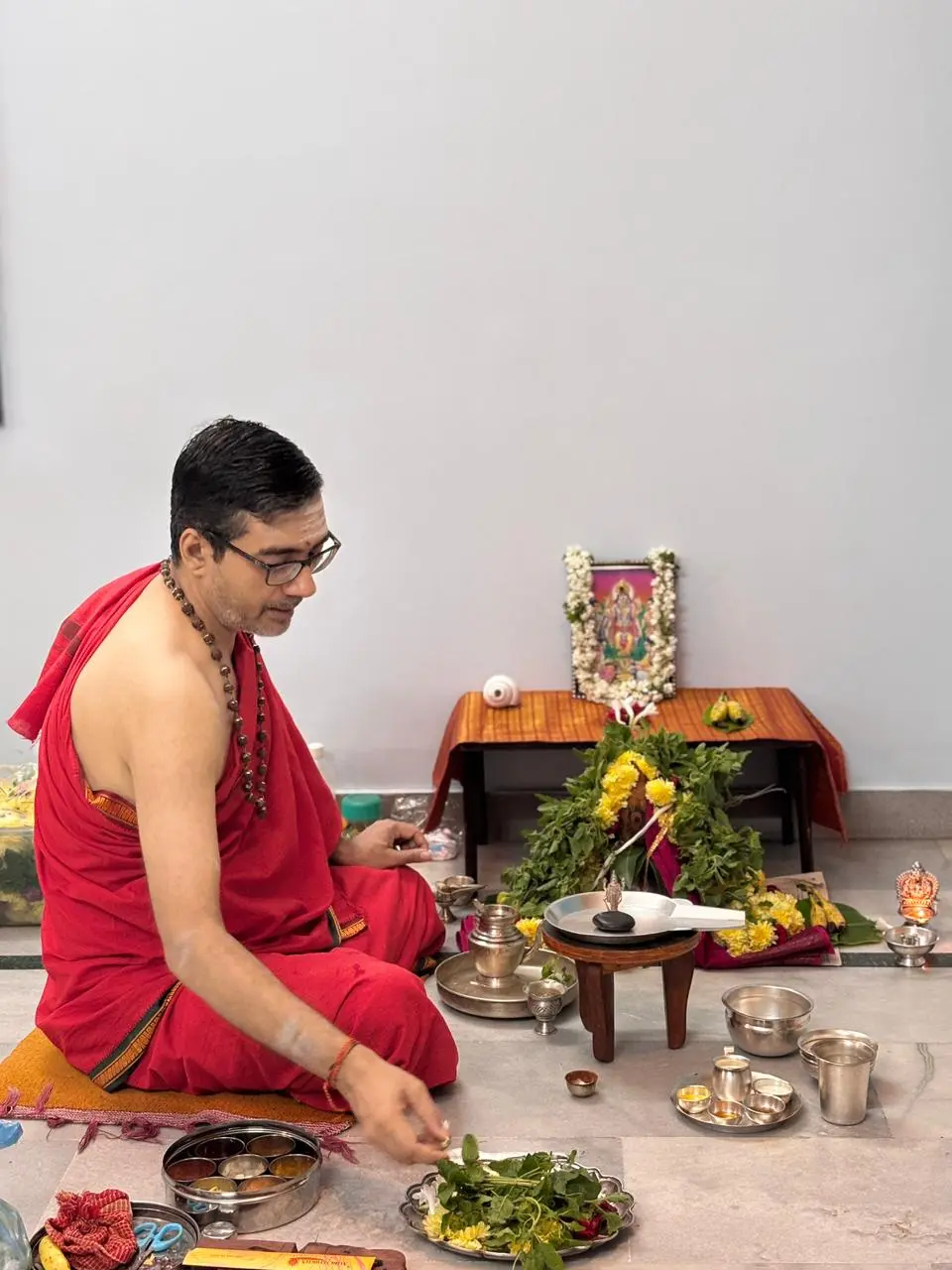
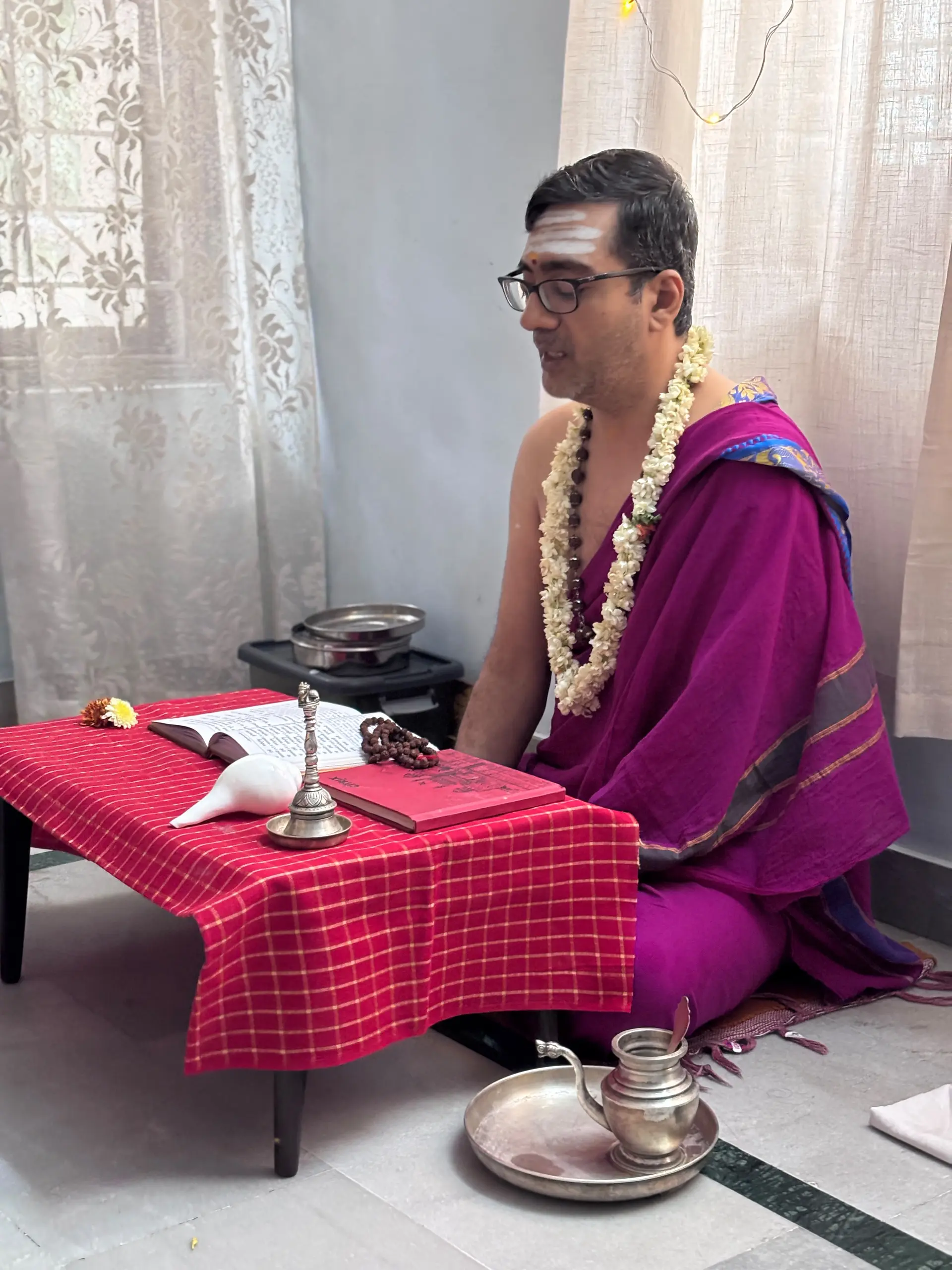
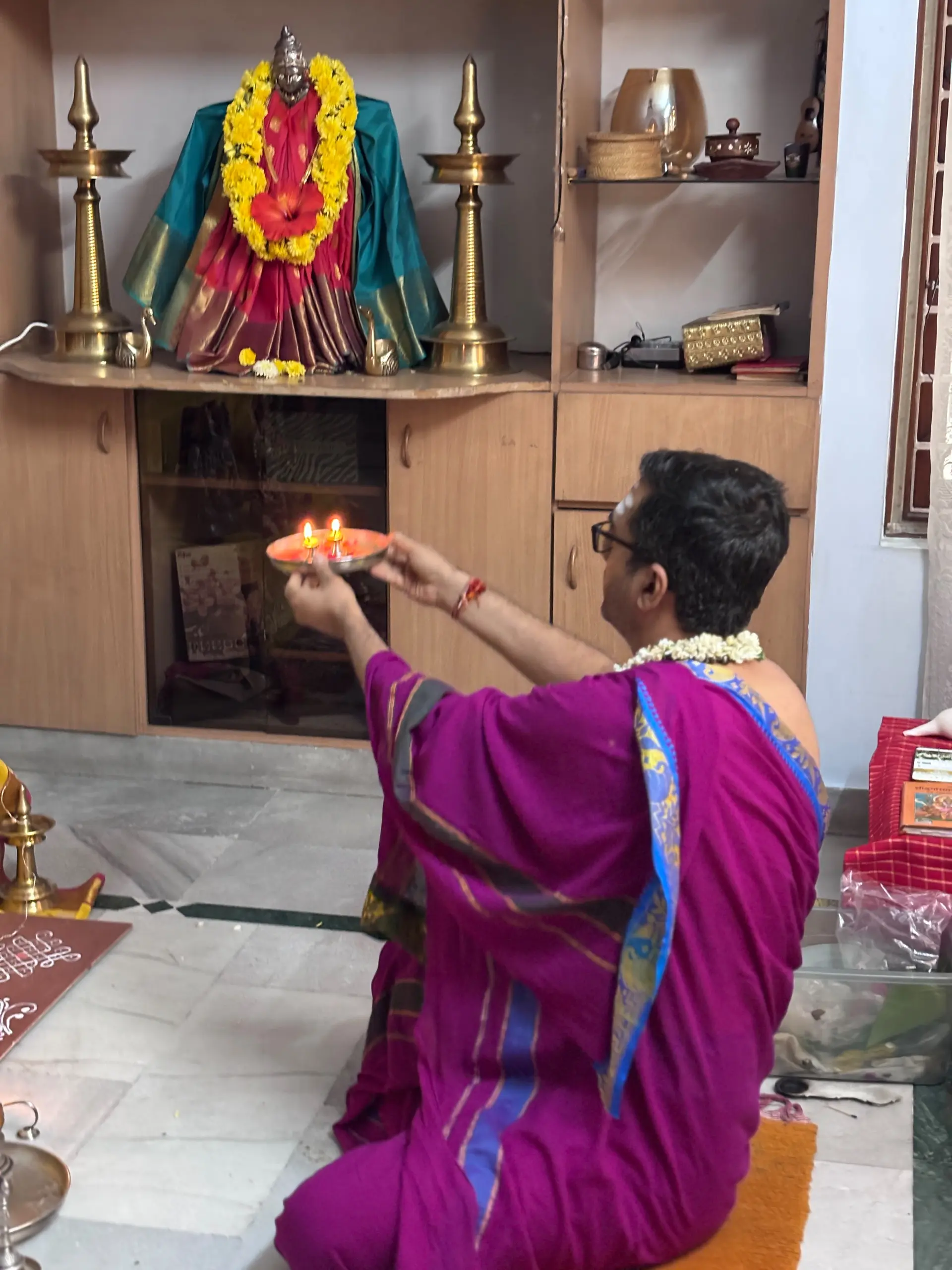
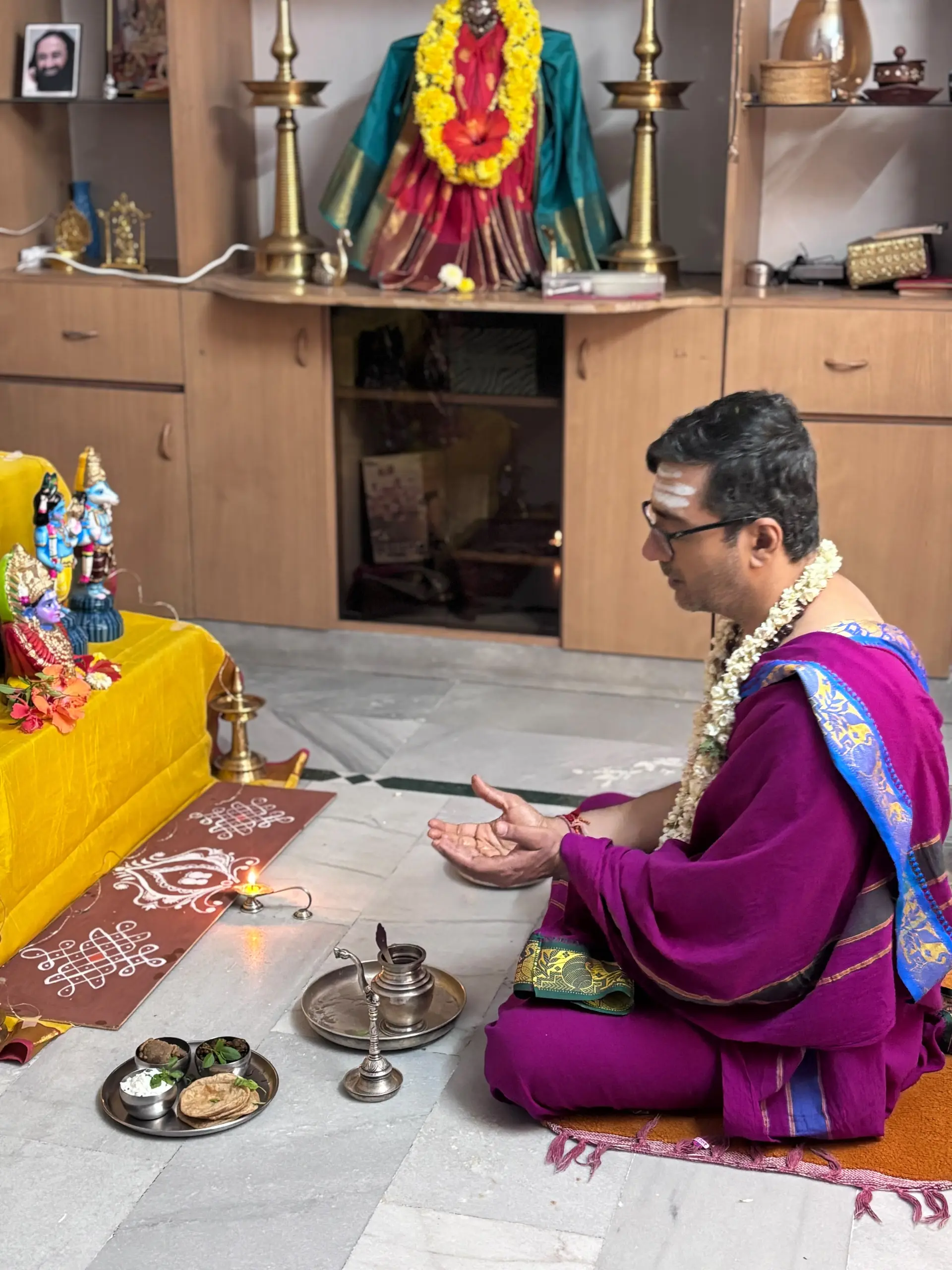
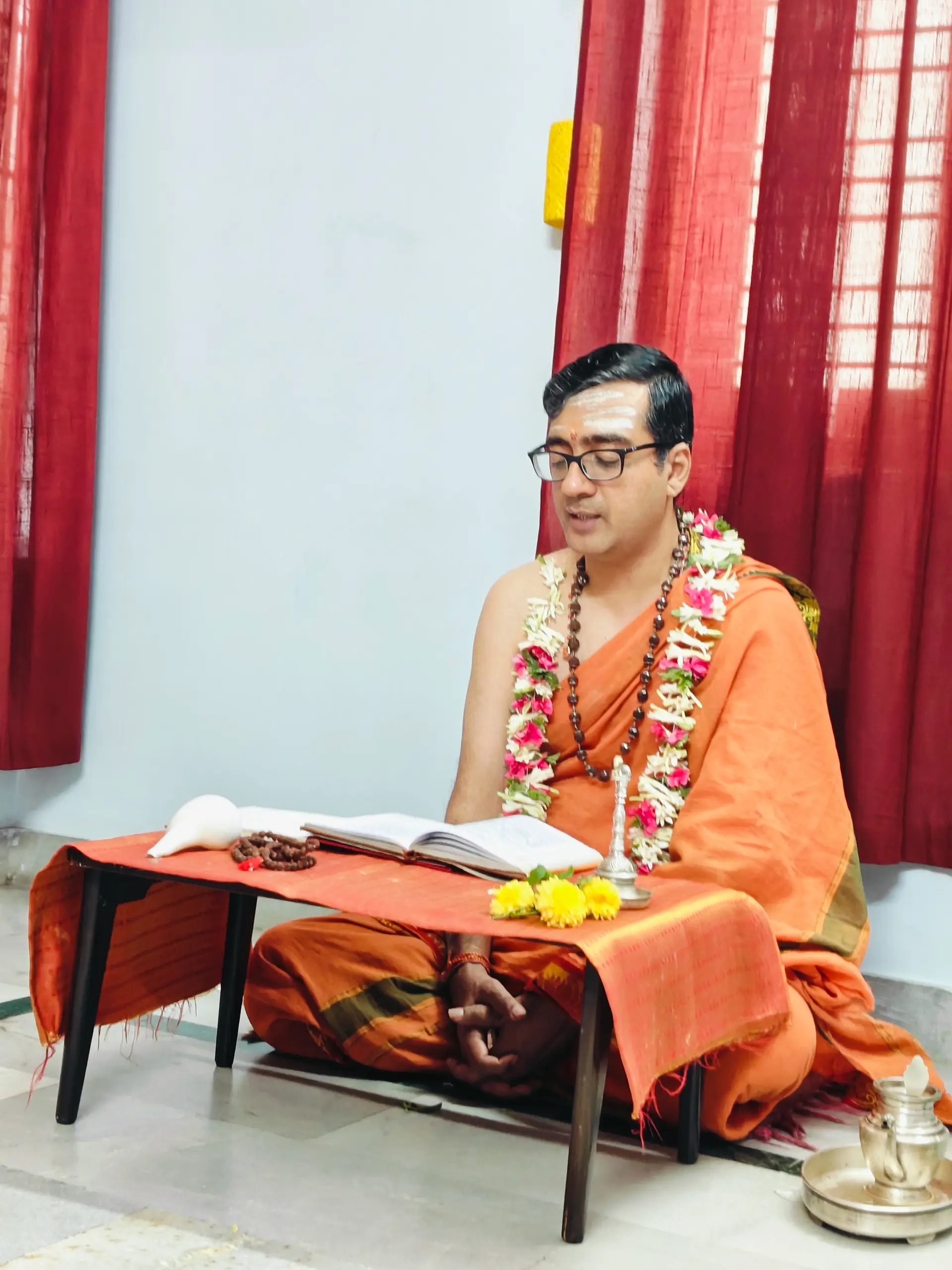
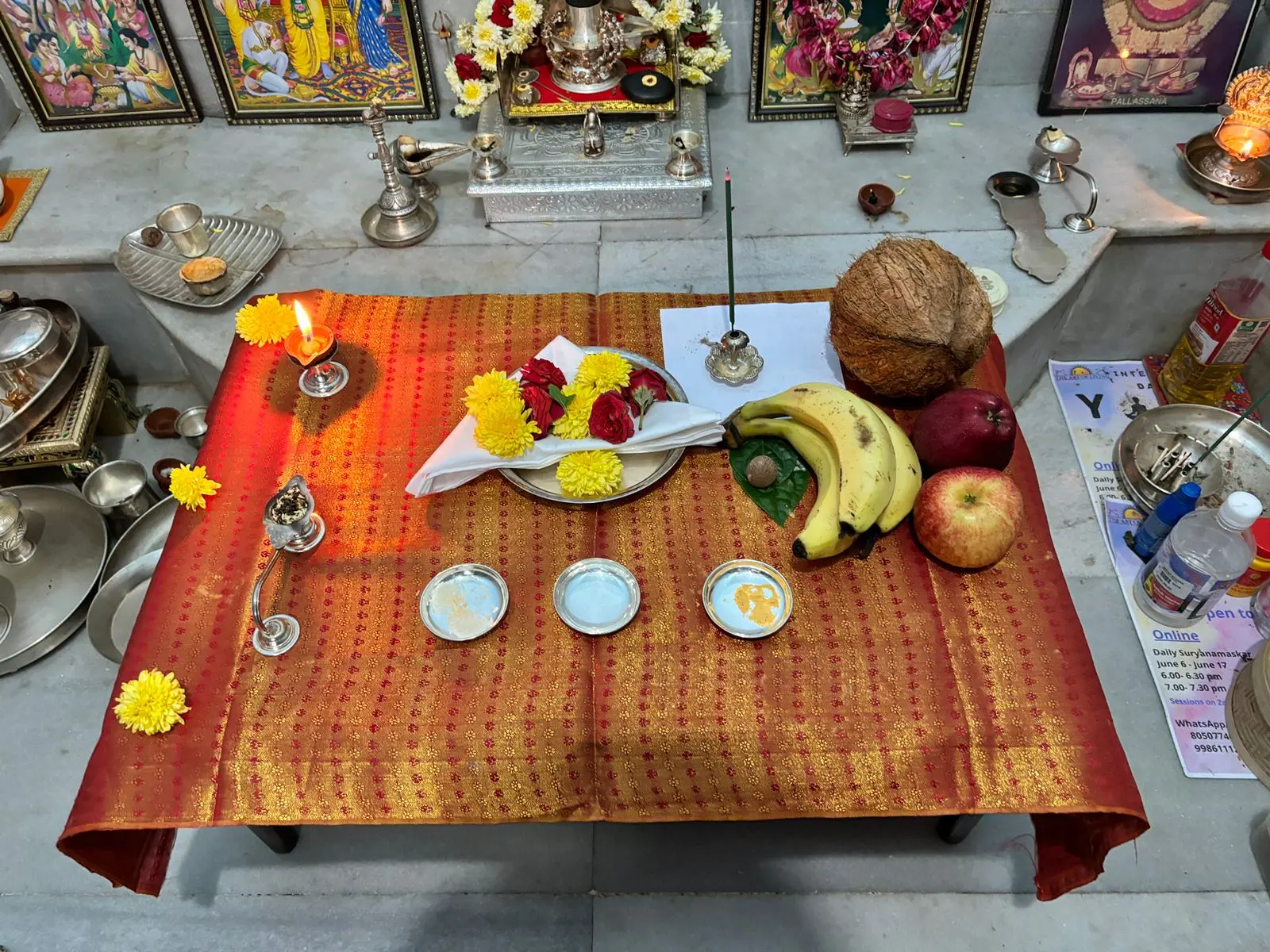
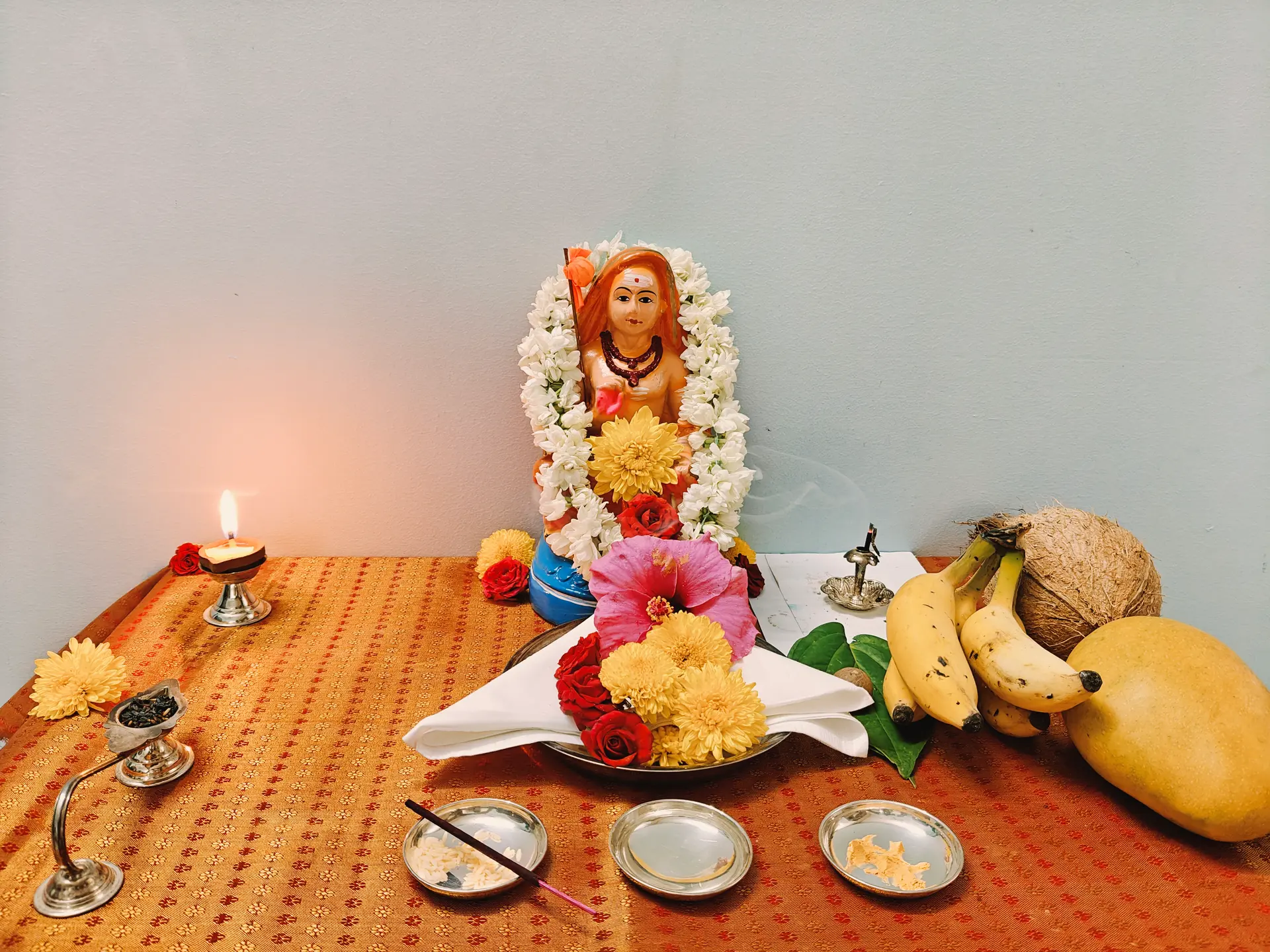
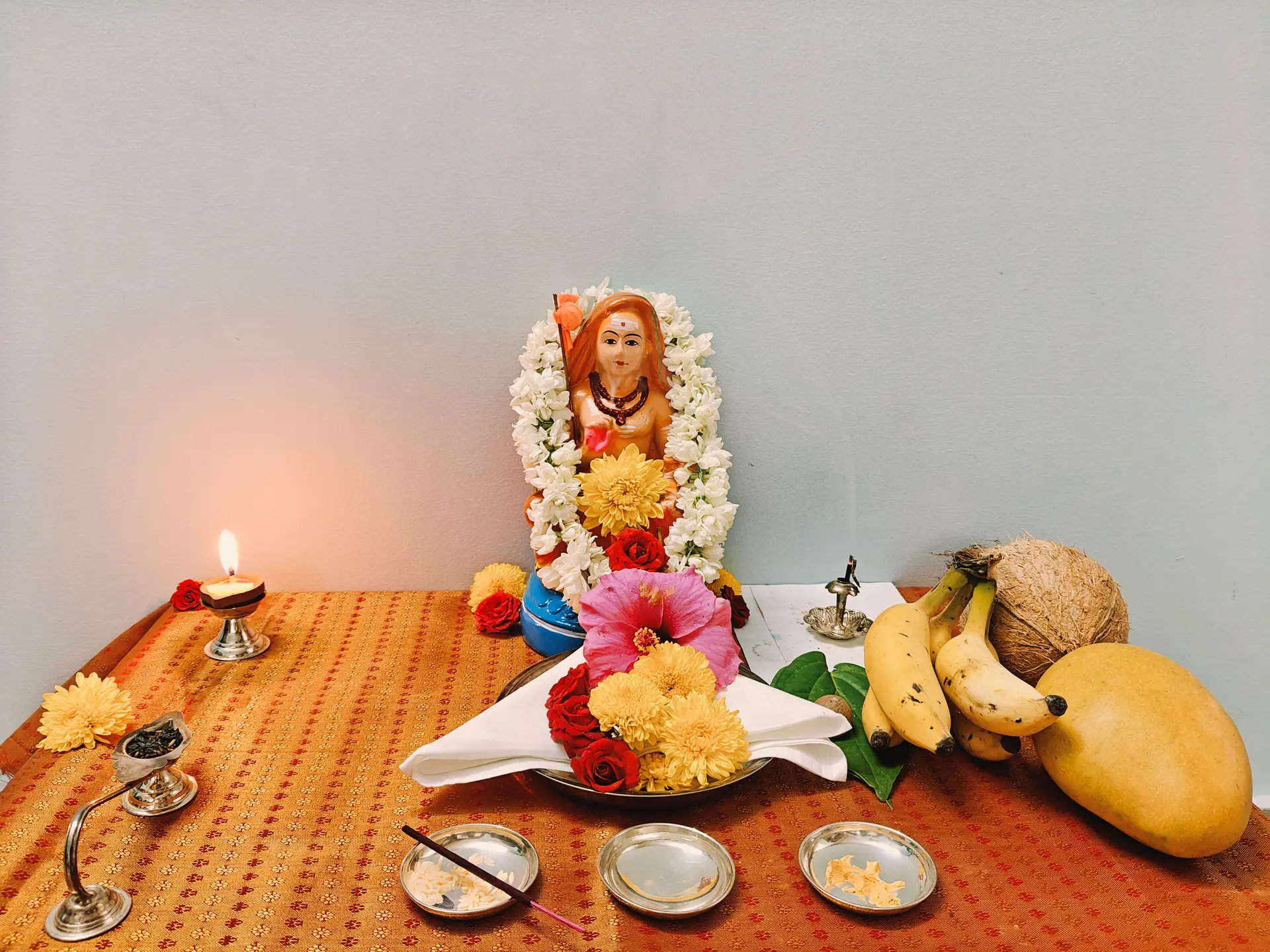
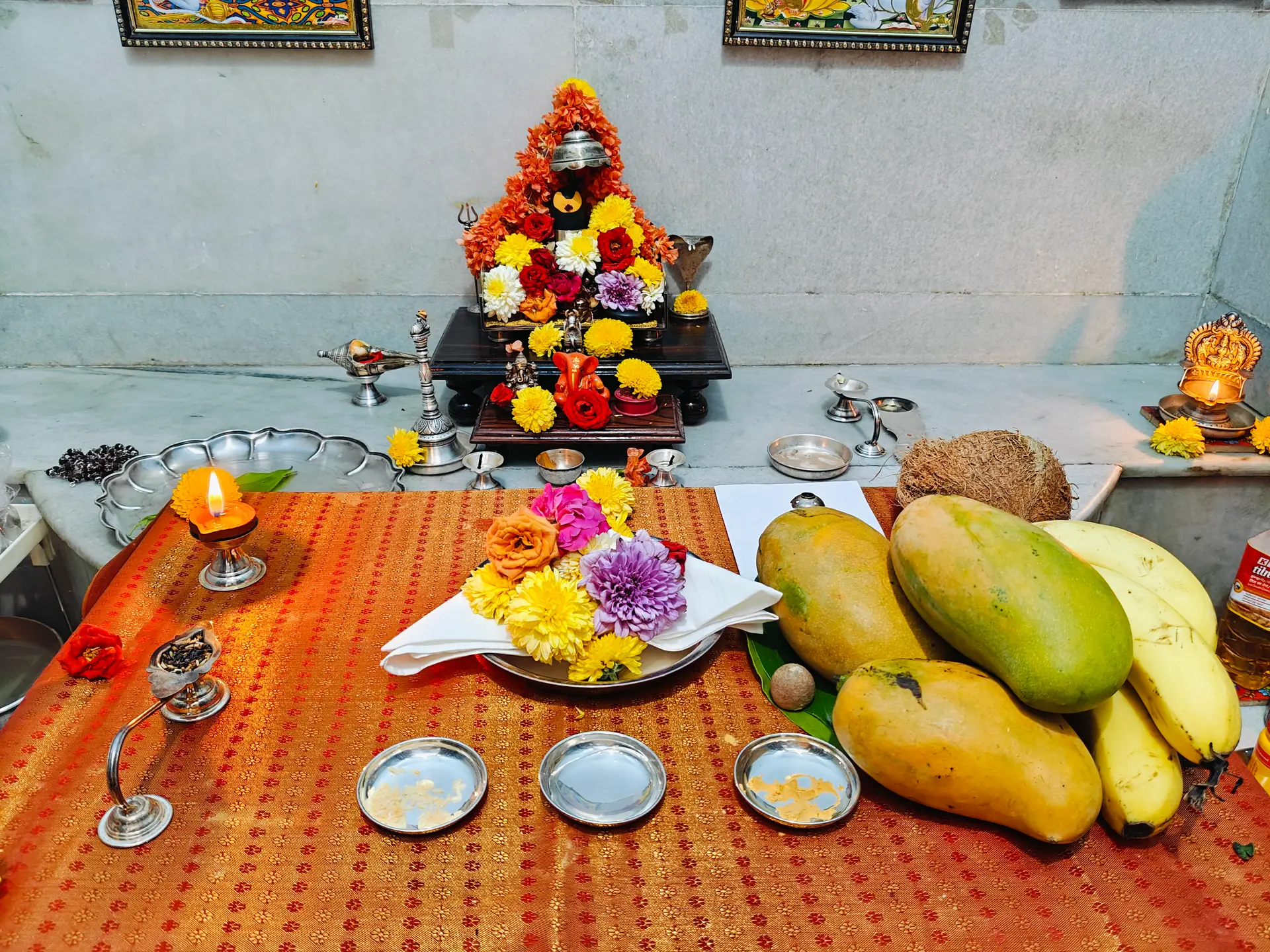
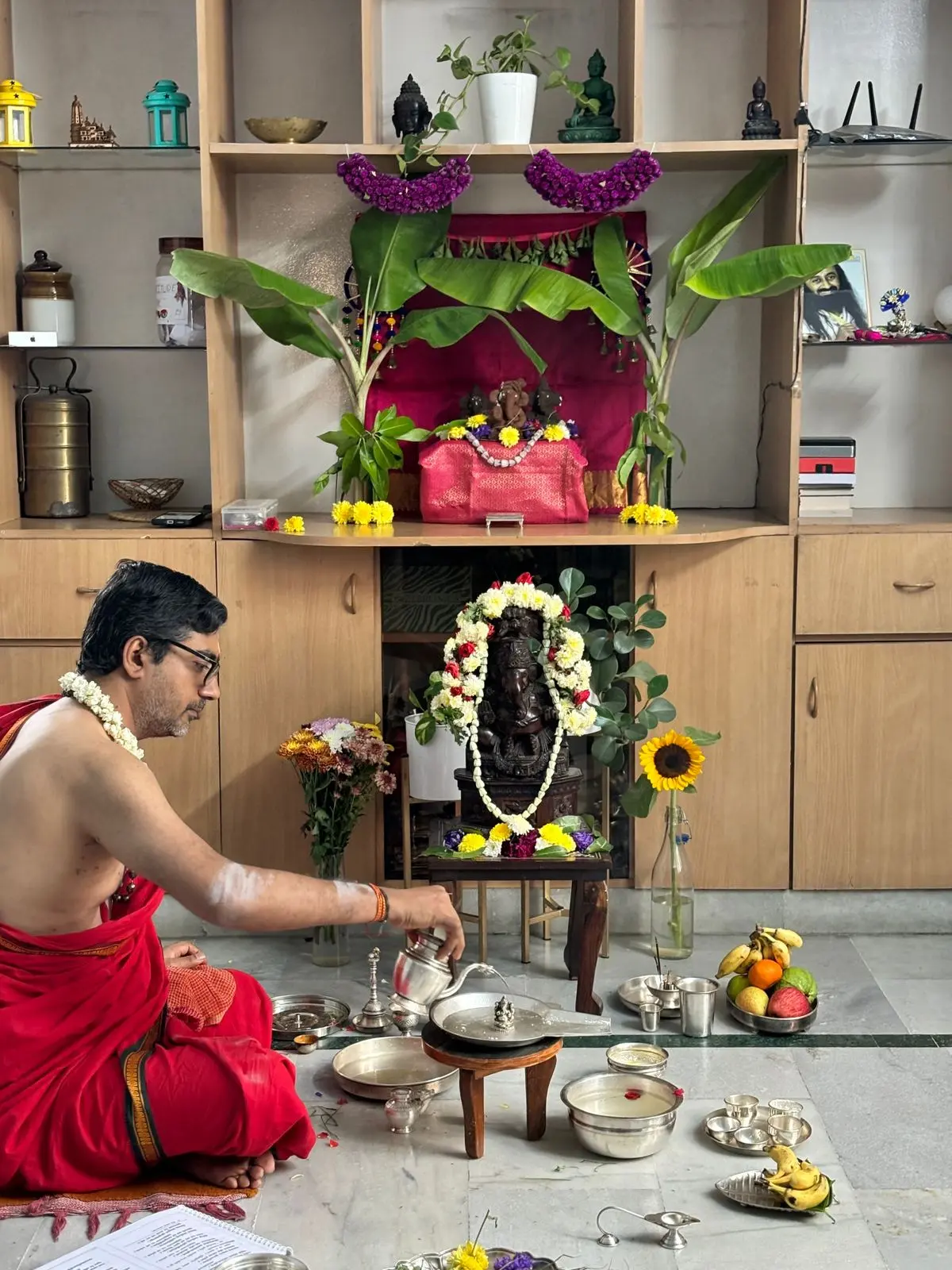
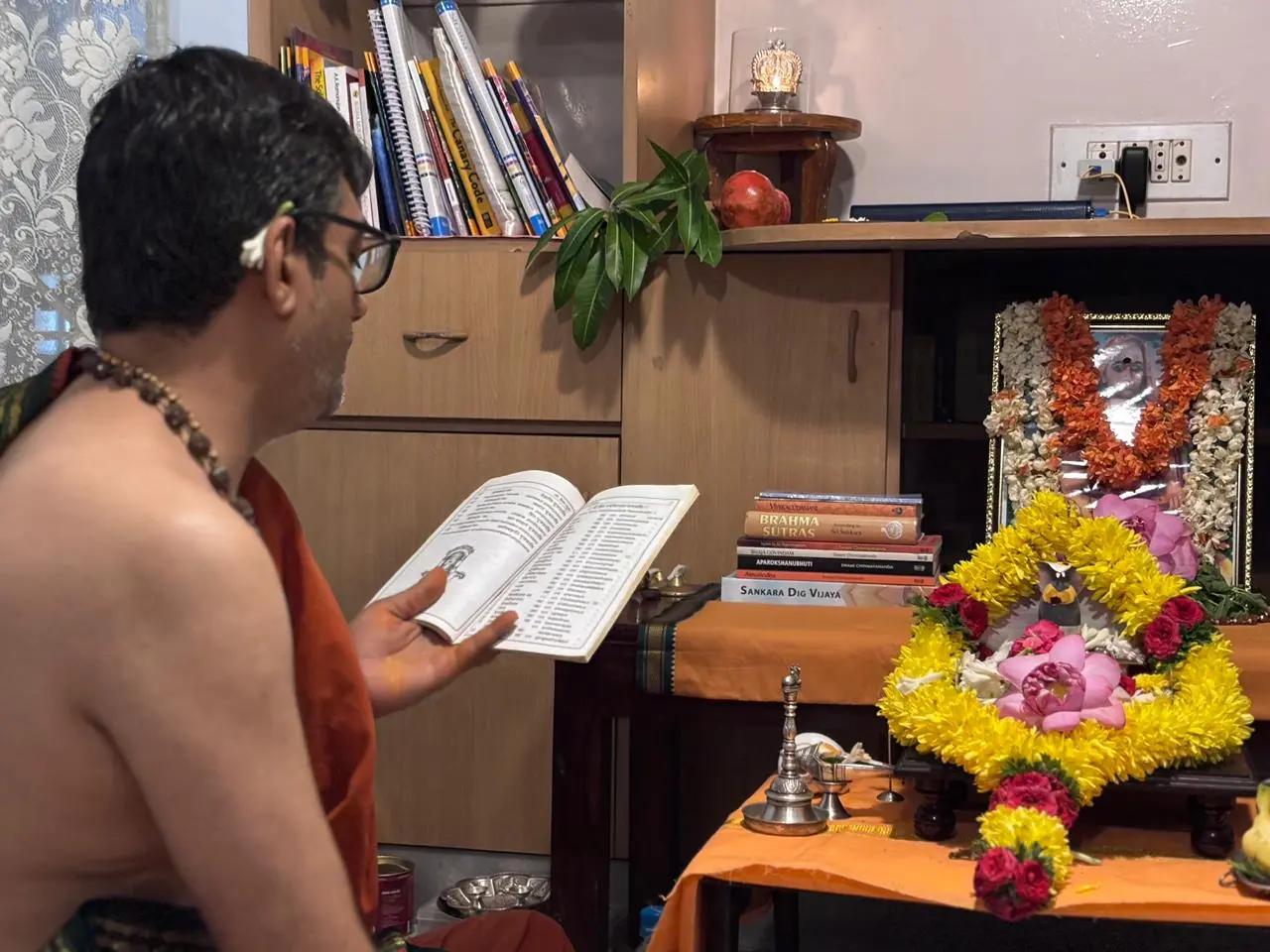
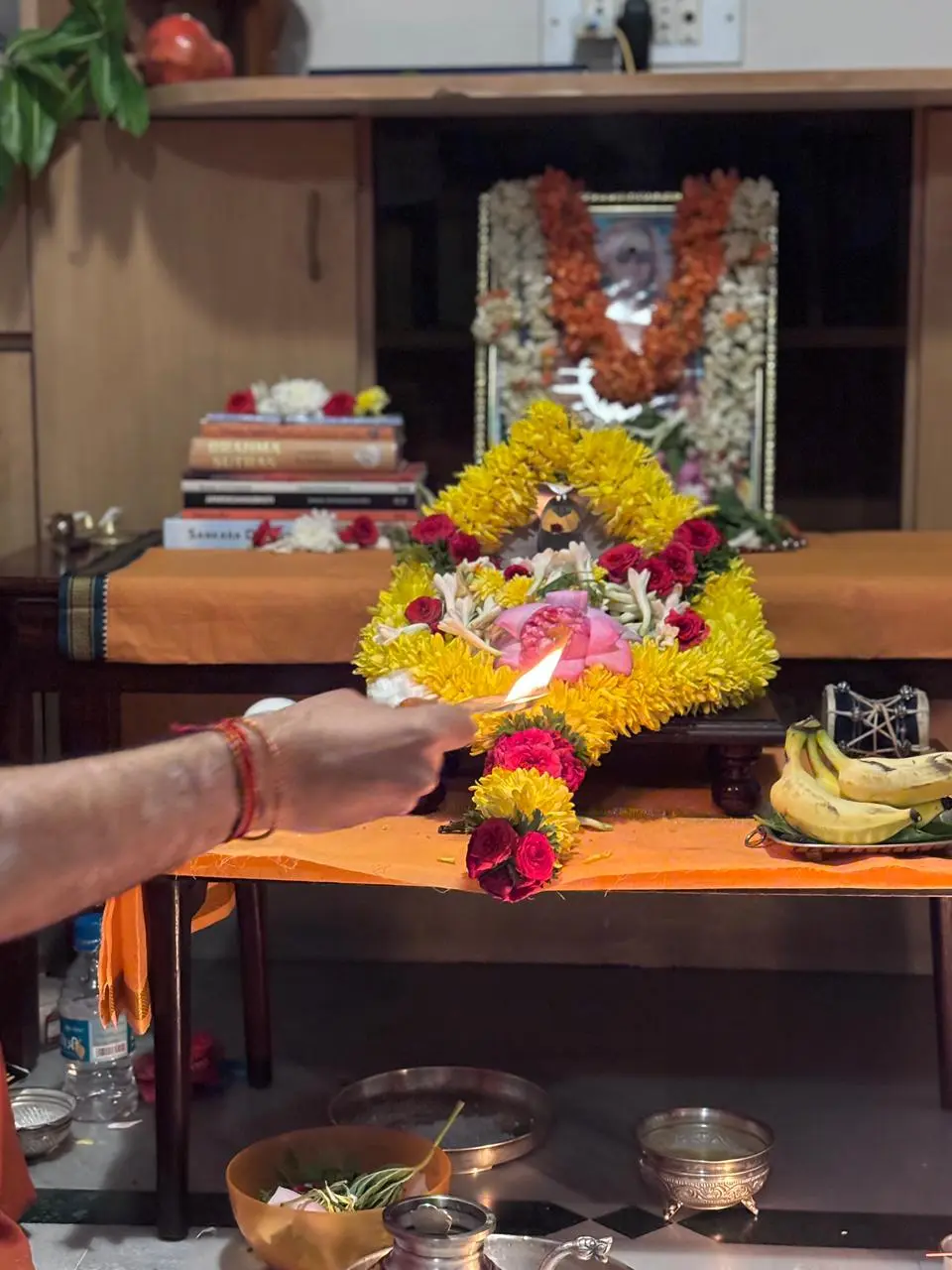
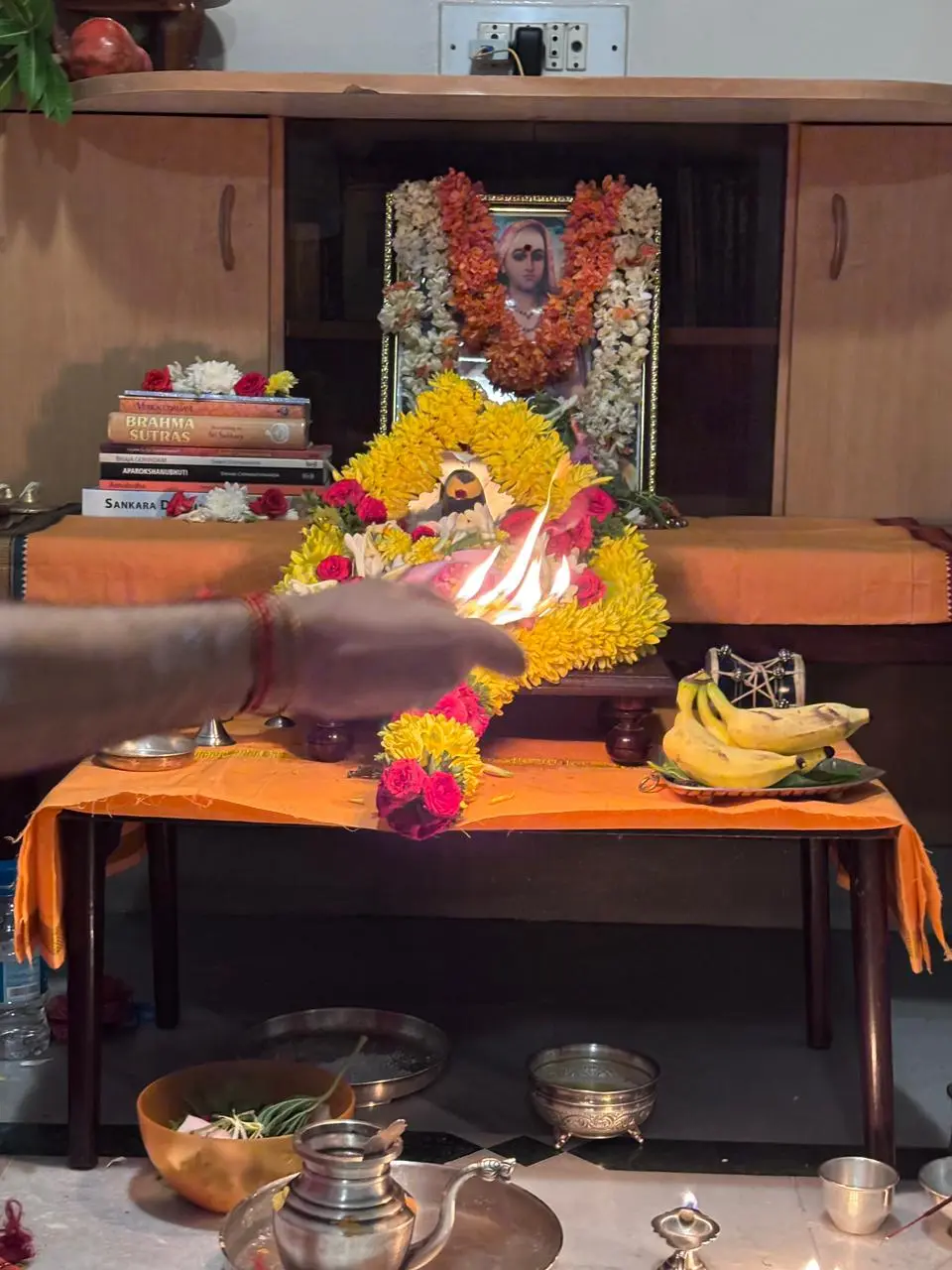
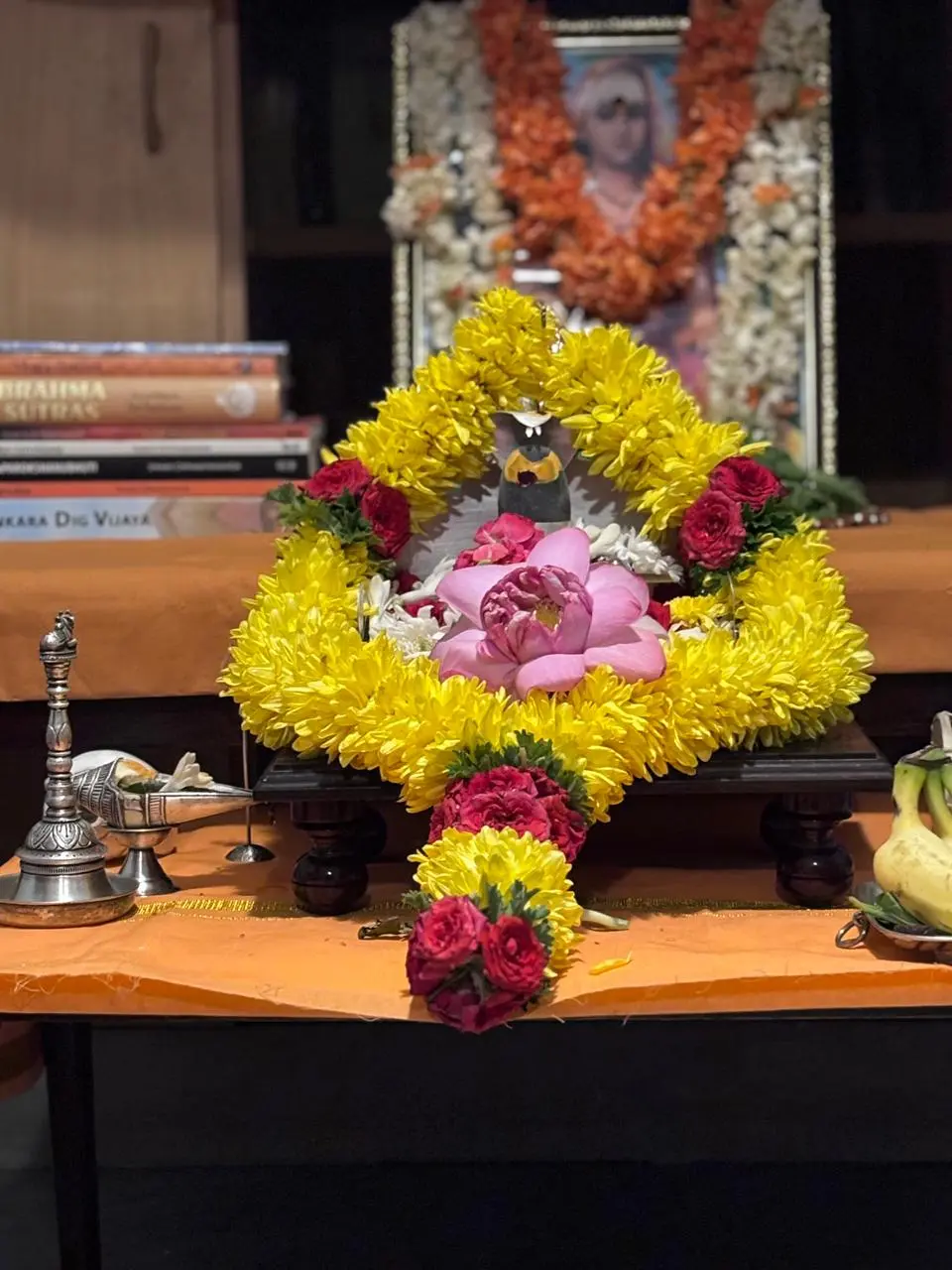
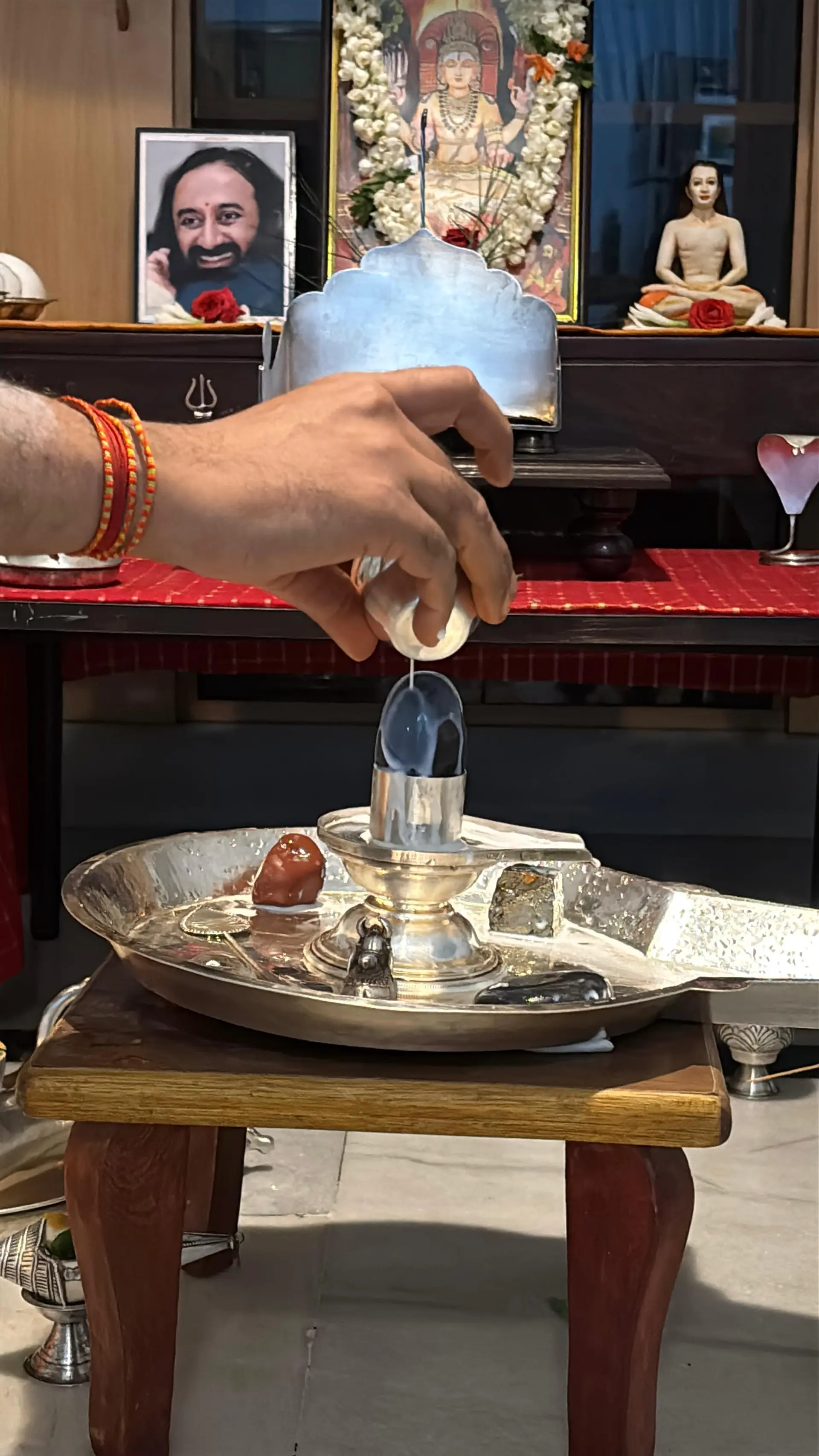
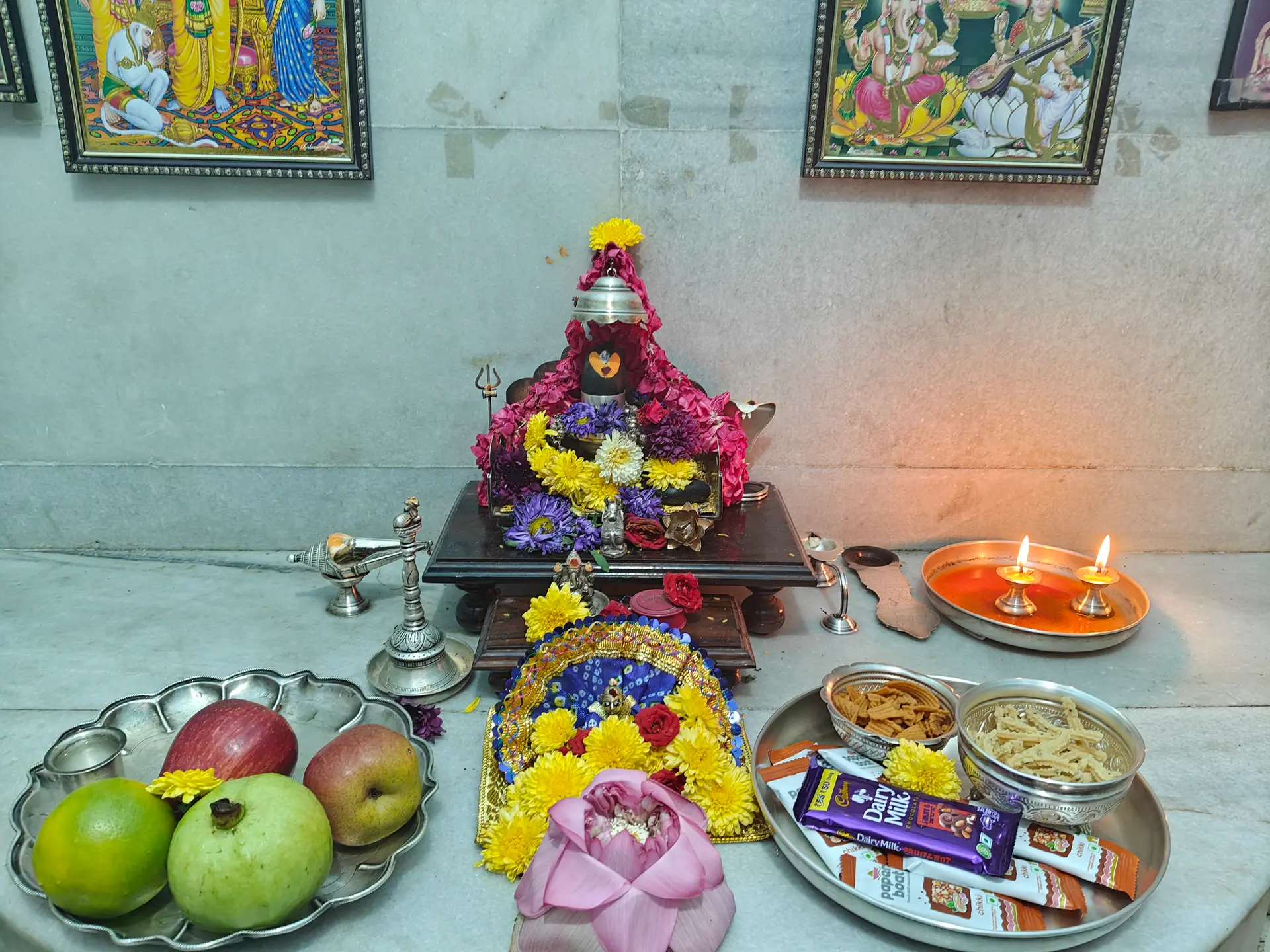
The daily worship offered to the 5 deities Ganesha, Durga, Shiva, Vishnu and Sun. This worship is also referred to as Shivpanchayat puja and was advocated by Sri Adi Shankaracharya as a way of honouring the oneness of all deities.
॥ शुभं भवतु ॥
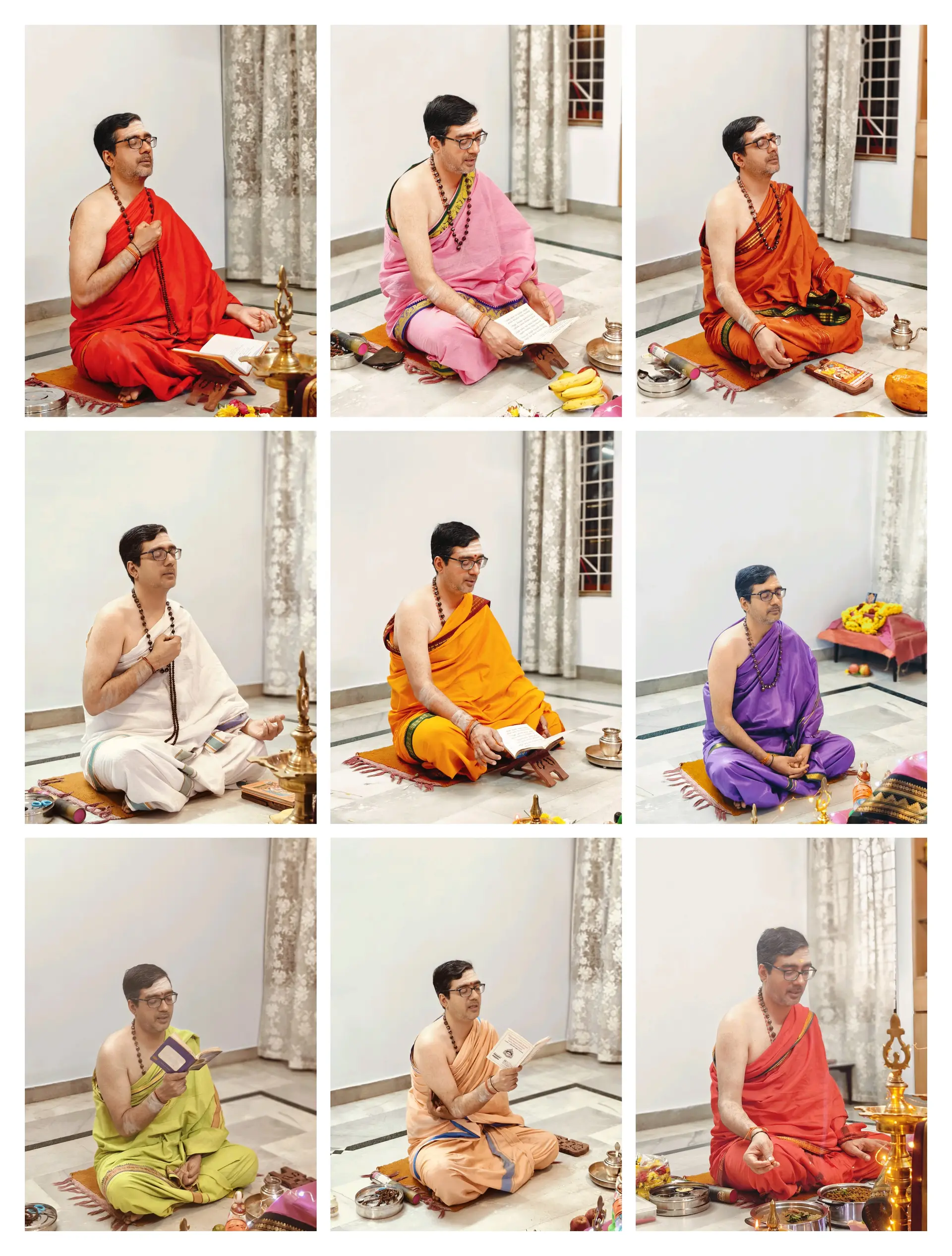
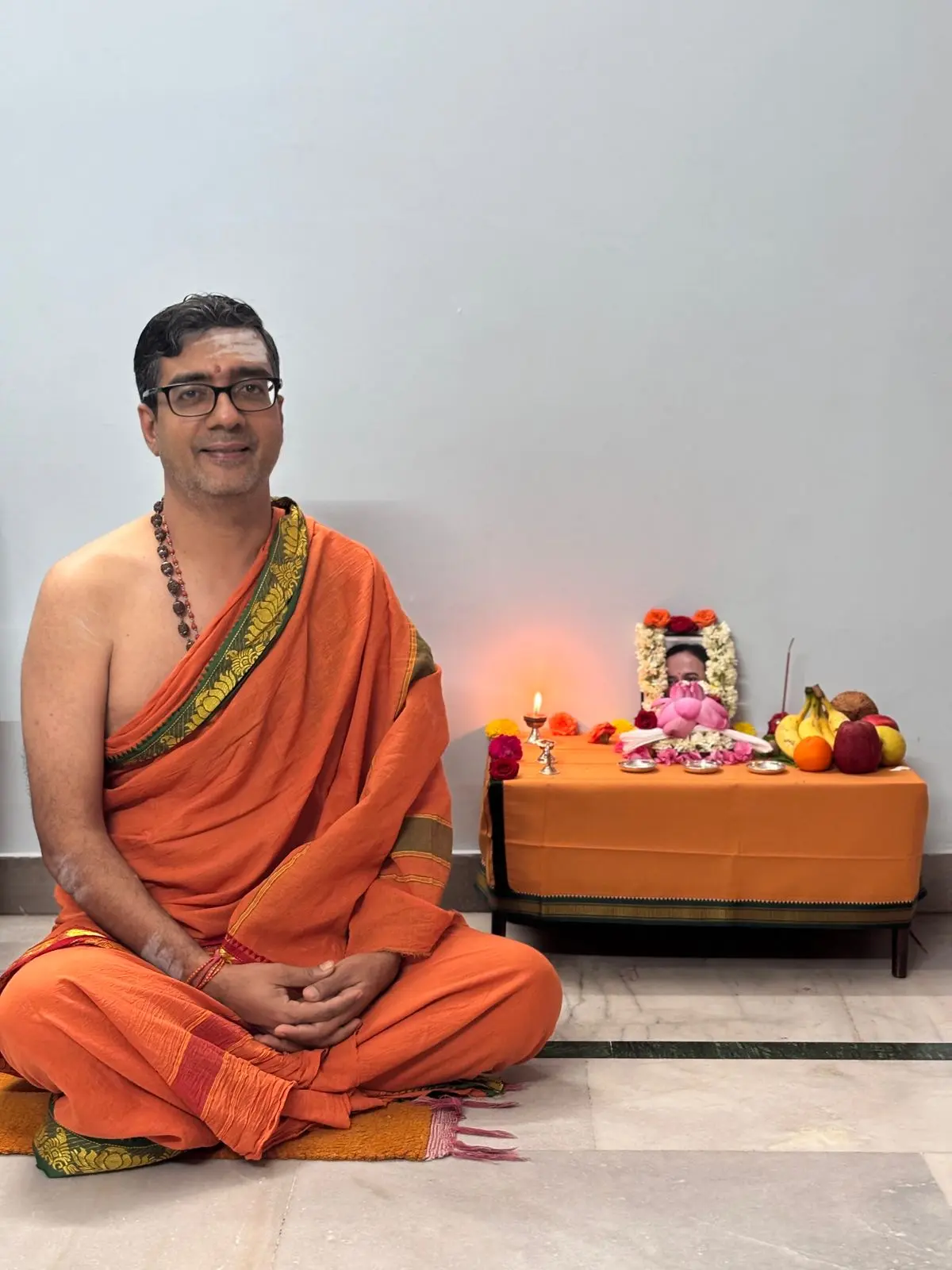
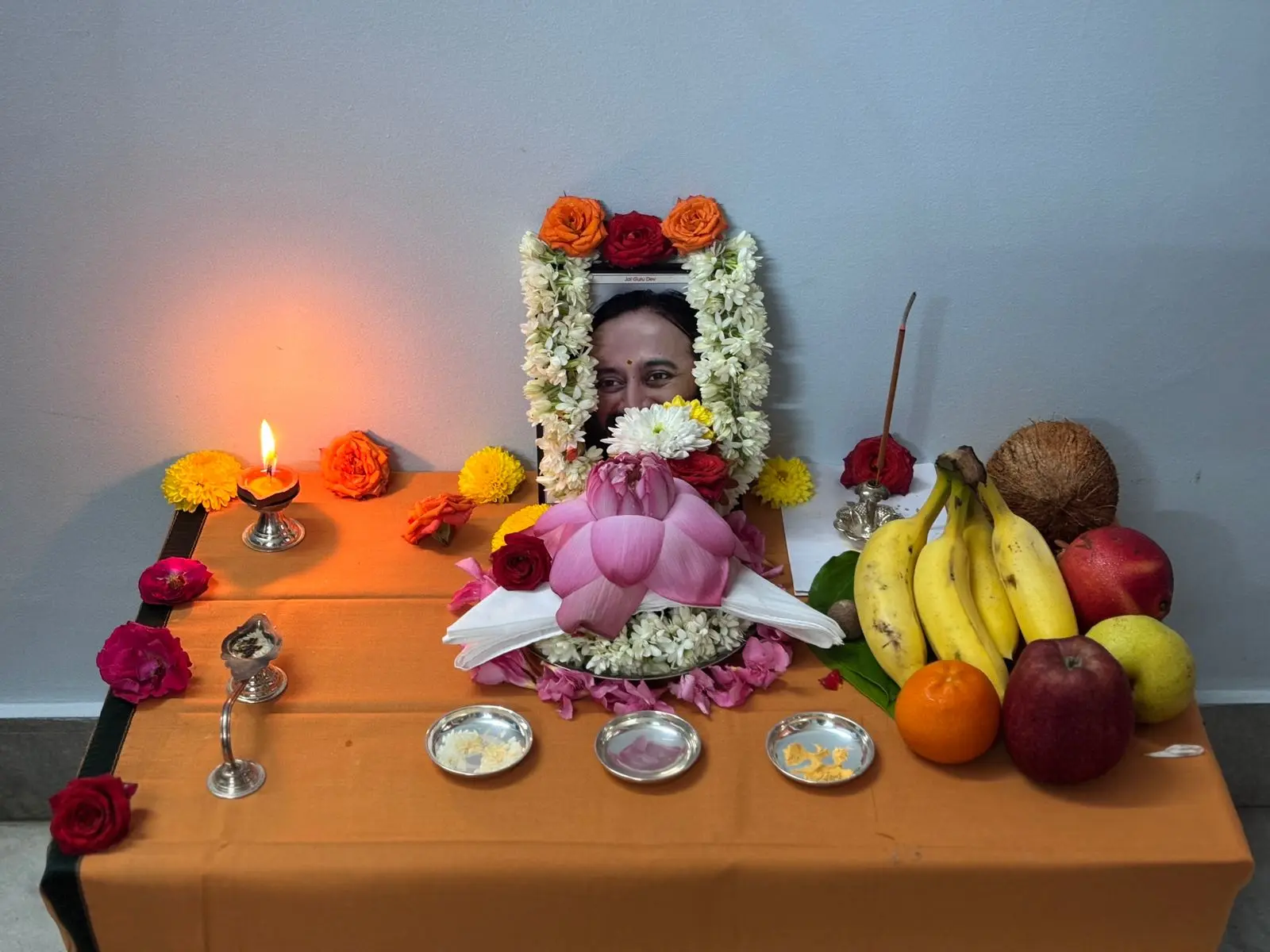
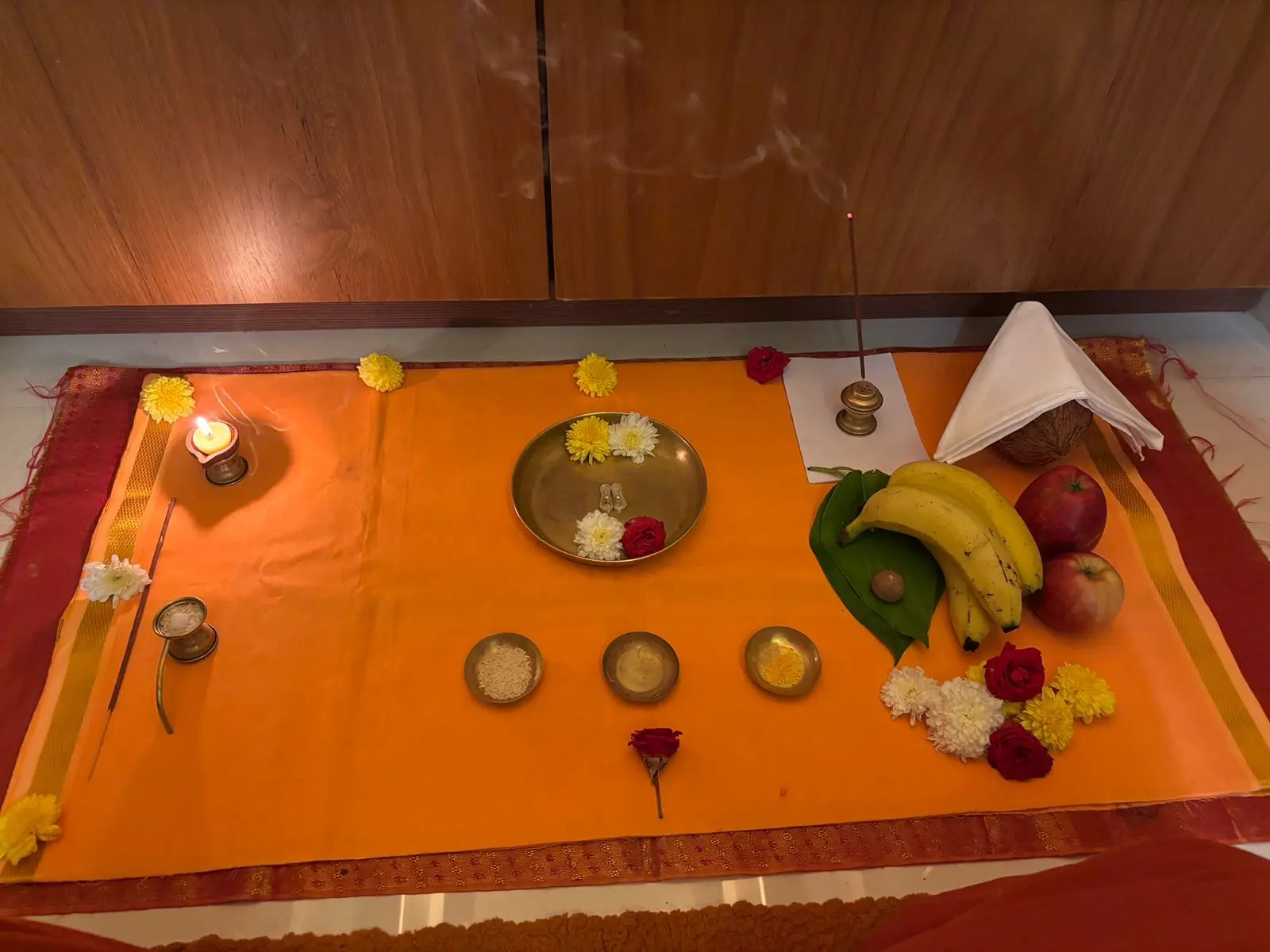
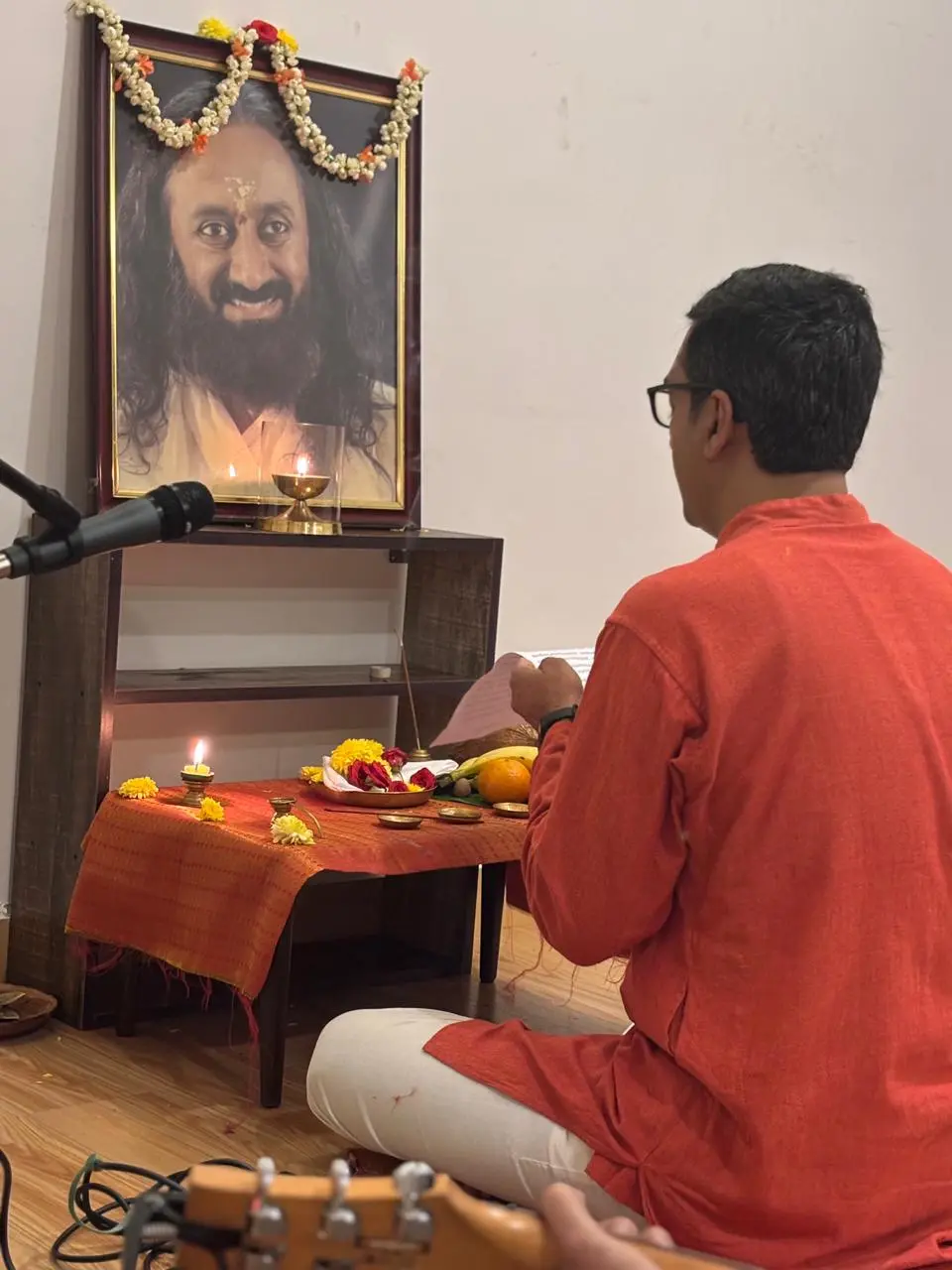
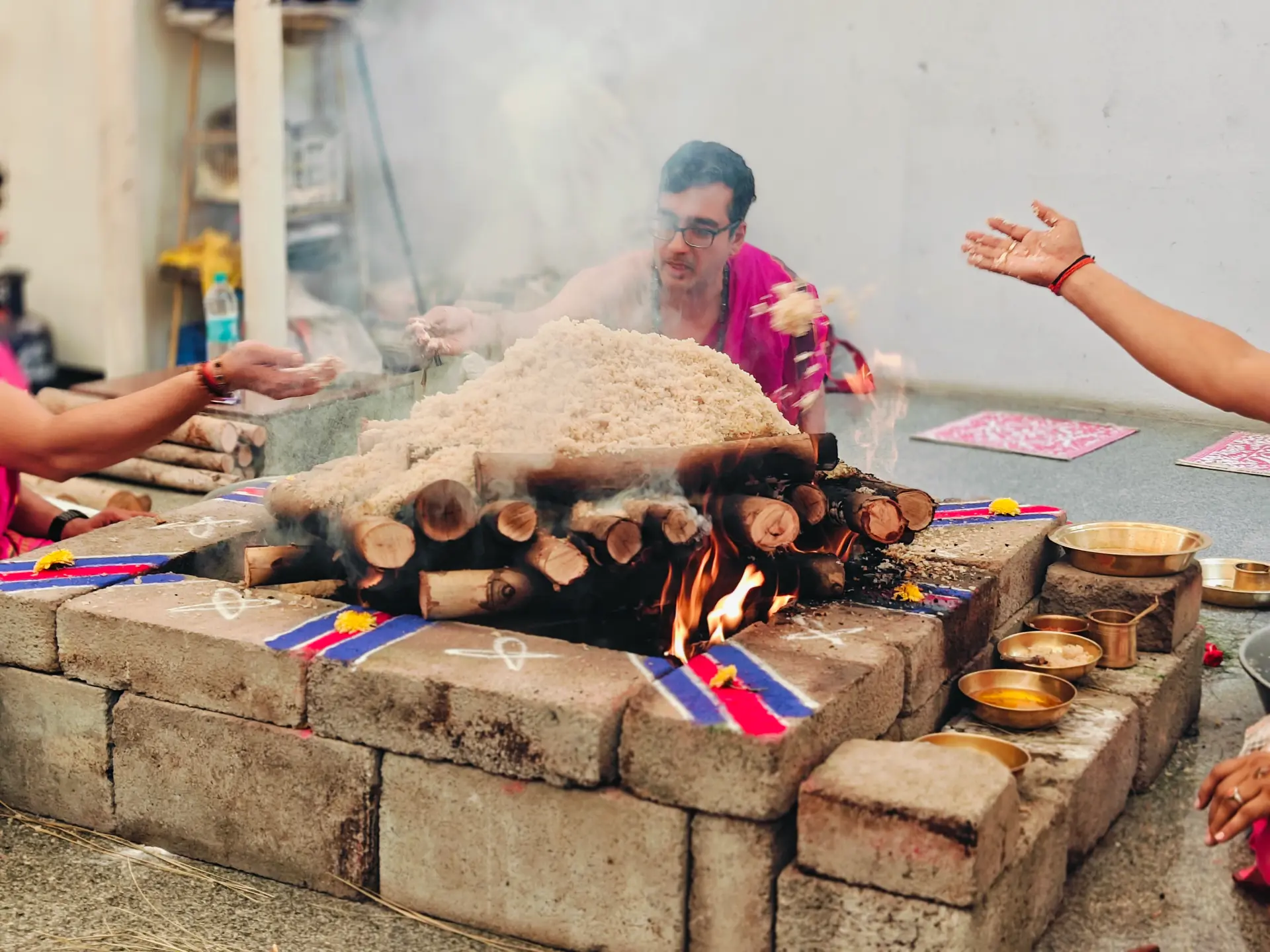
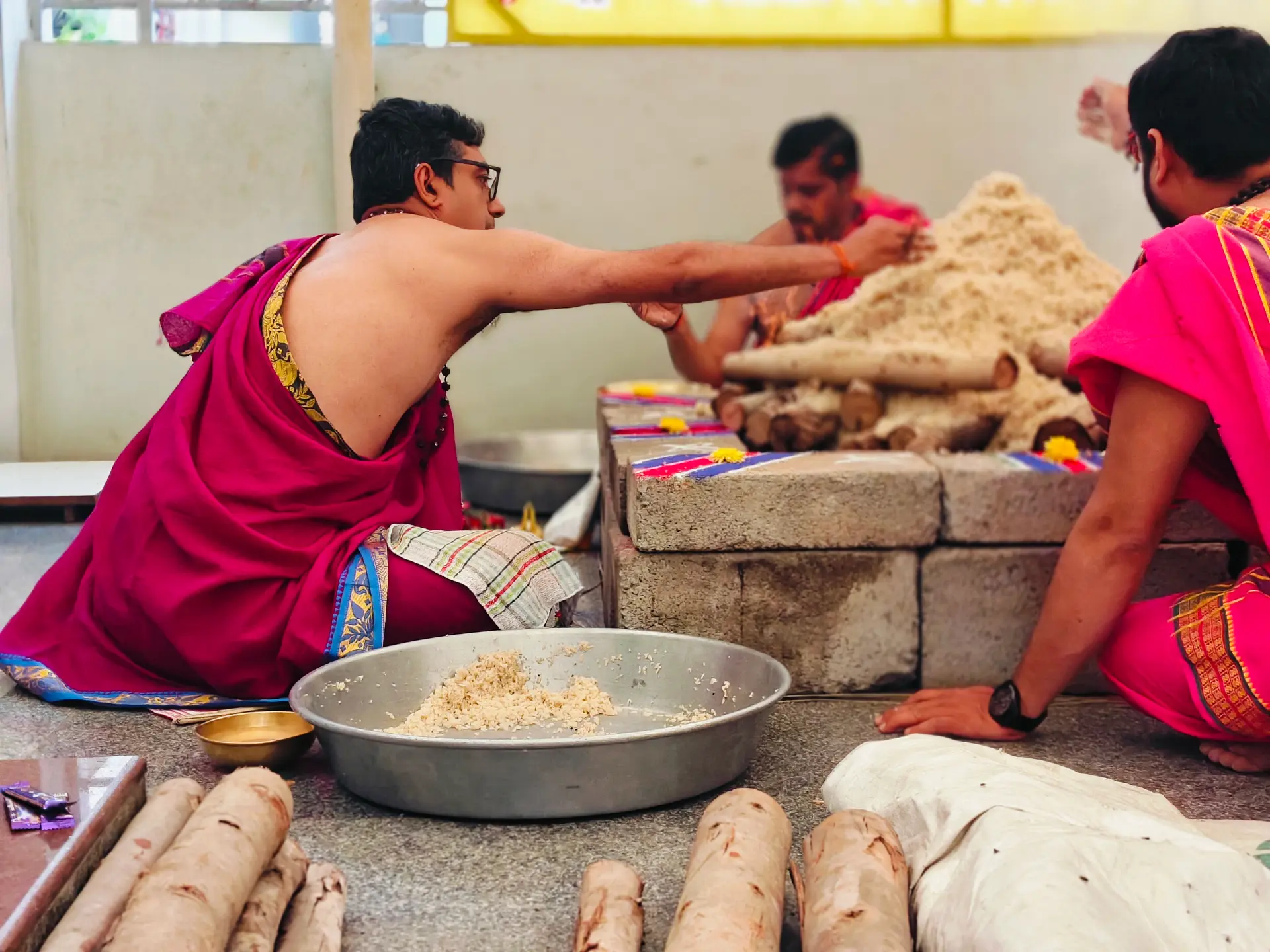
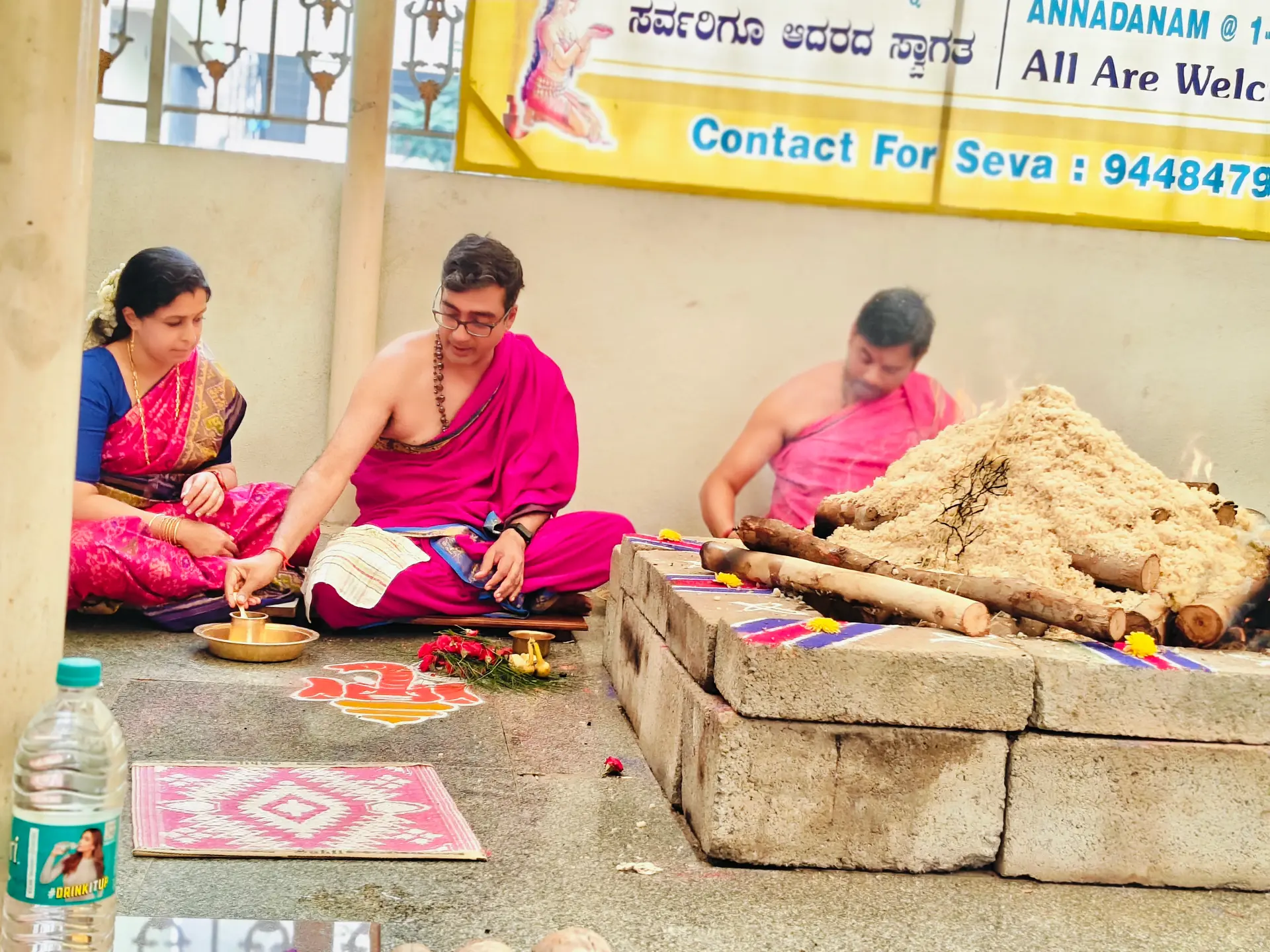
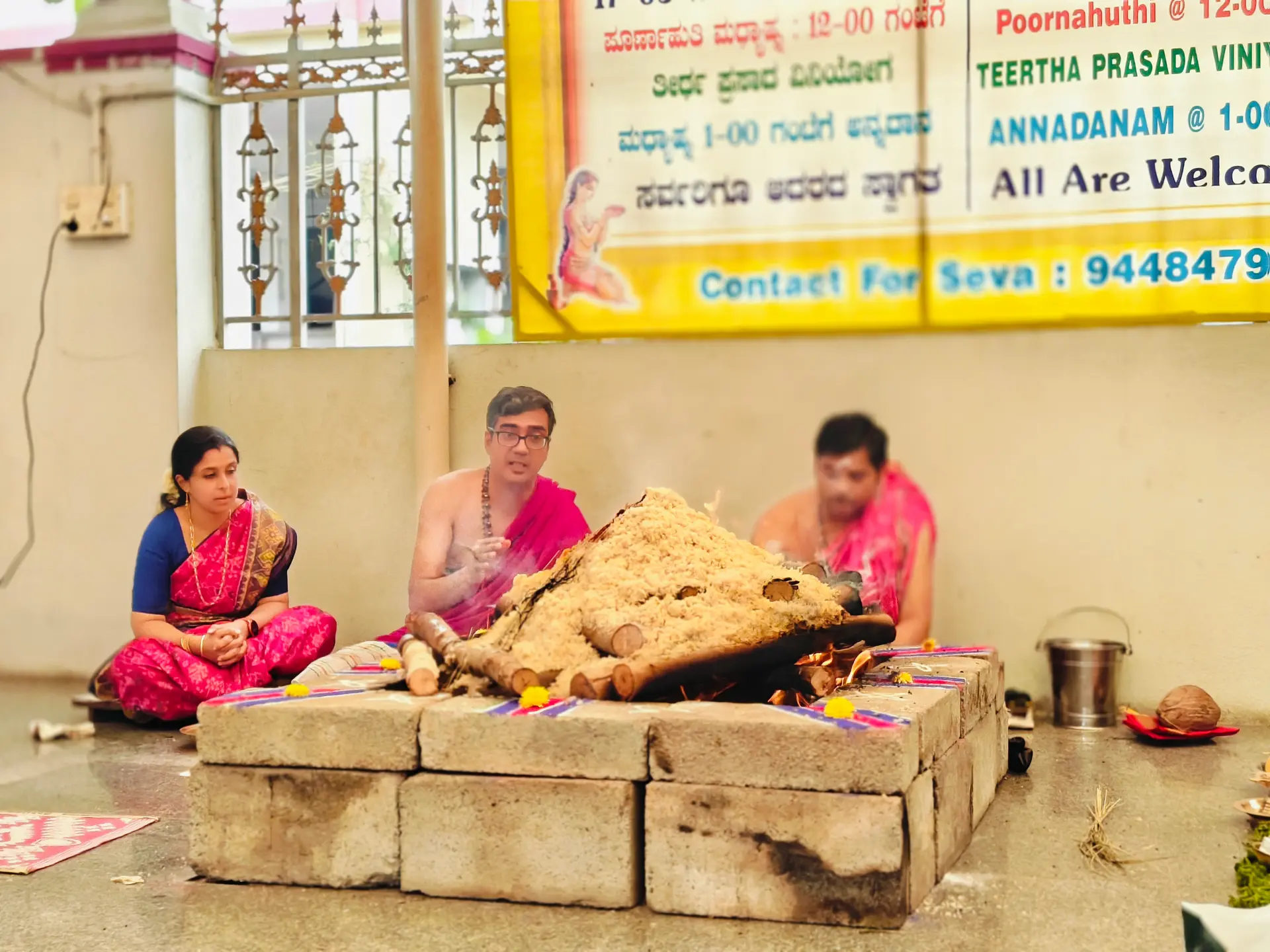
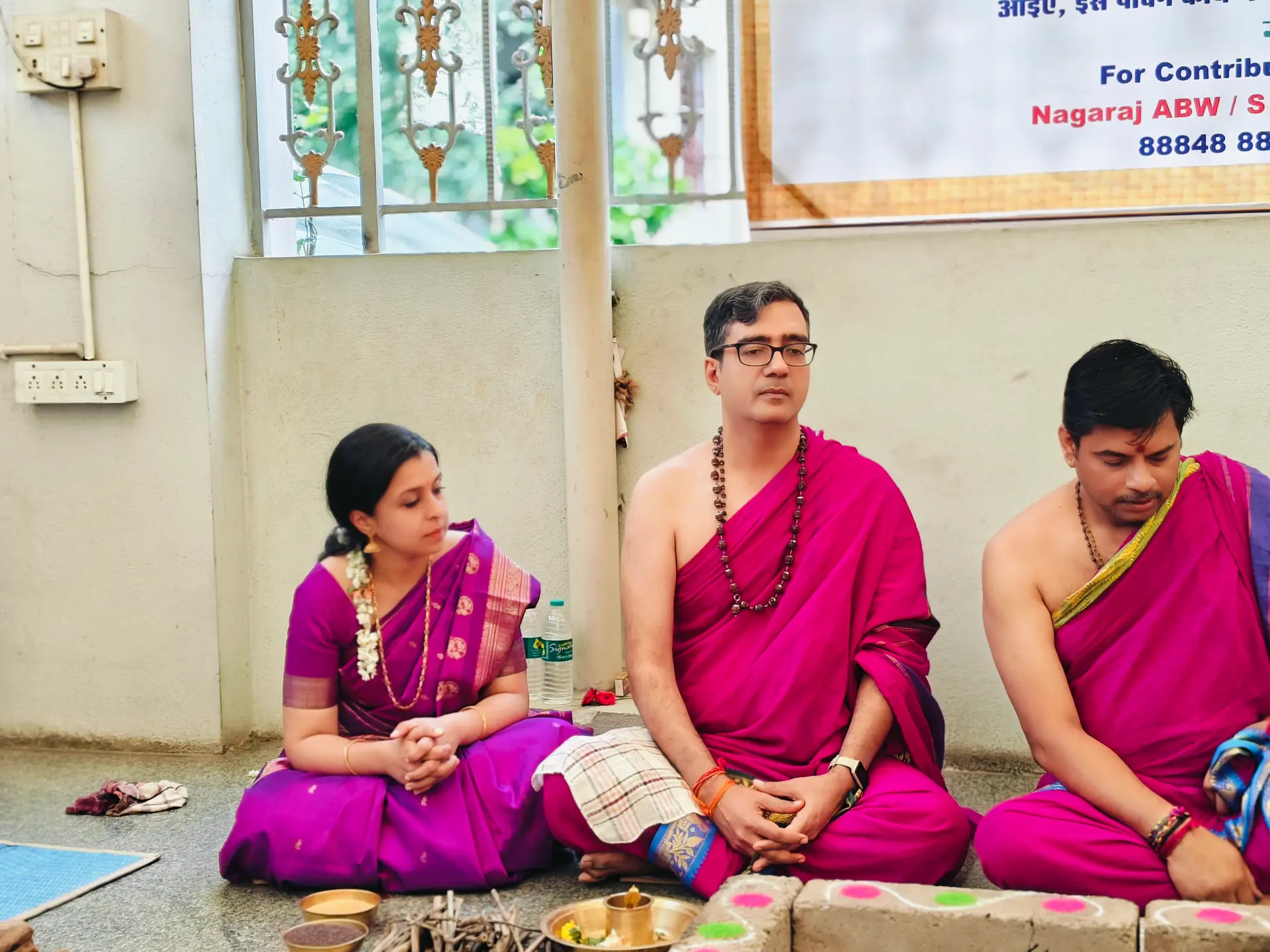
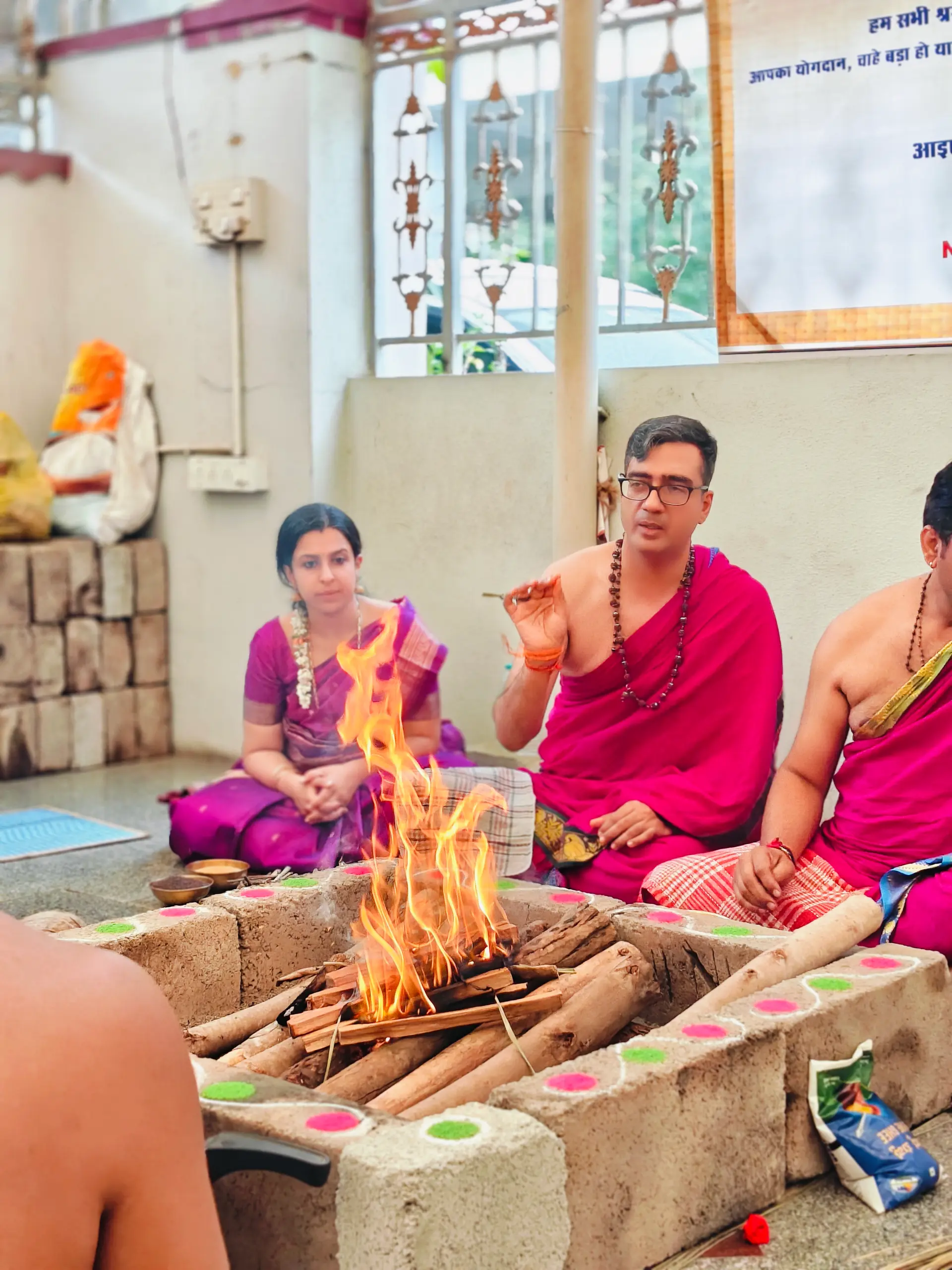
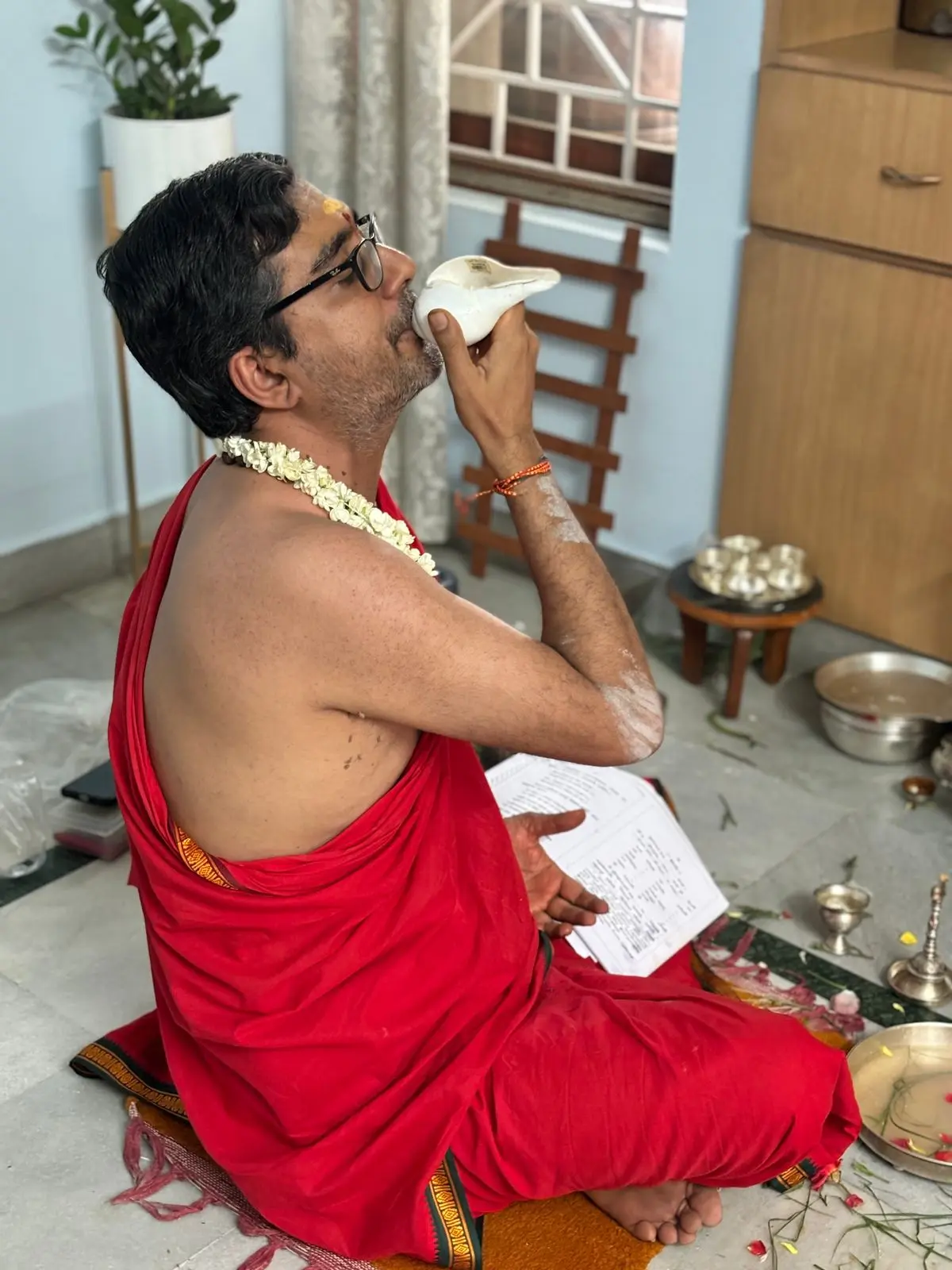
Glimpses of pujas and homas — offerings of gratitude to the Divine.
The daily worship offered to the 5 deities Ganesha, Durga, Shiva, Vishnu and Sun. This worship is also referred to as Shivpanchayat puja and was advocated by Sri Adi Shankaracharya as a way of honouring the oneness of all deities.
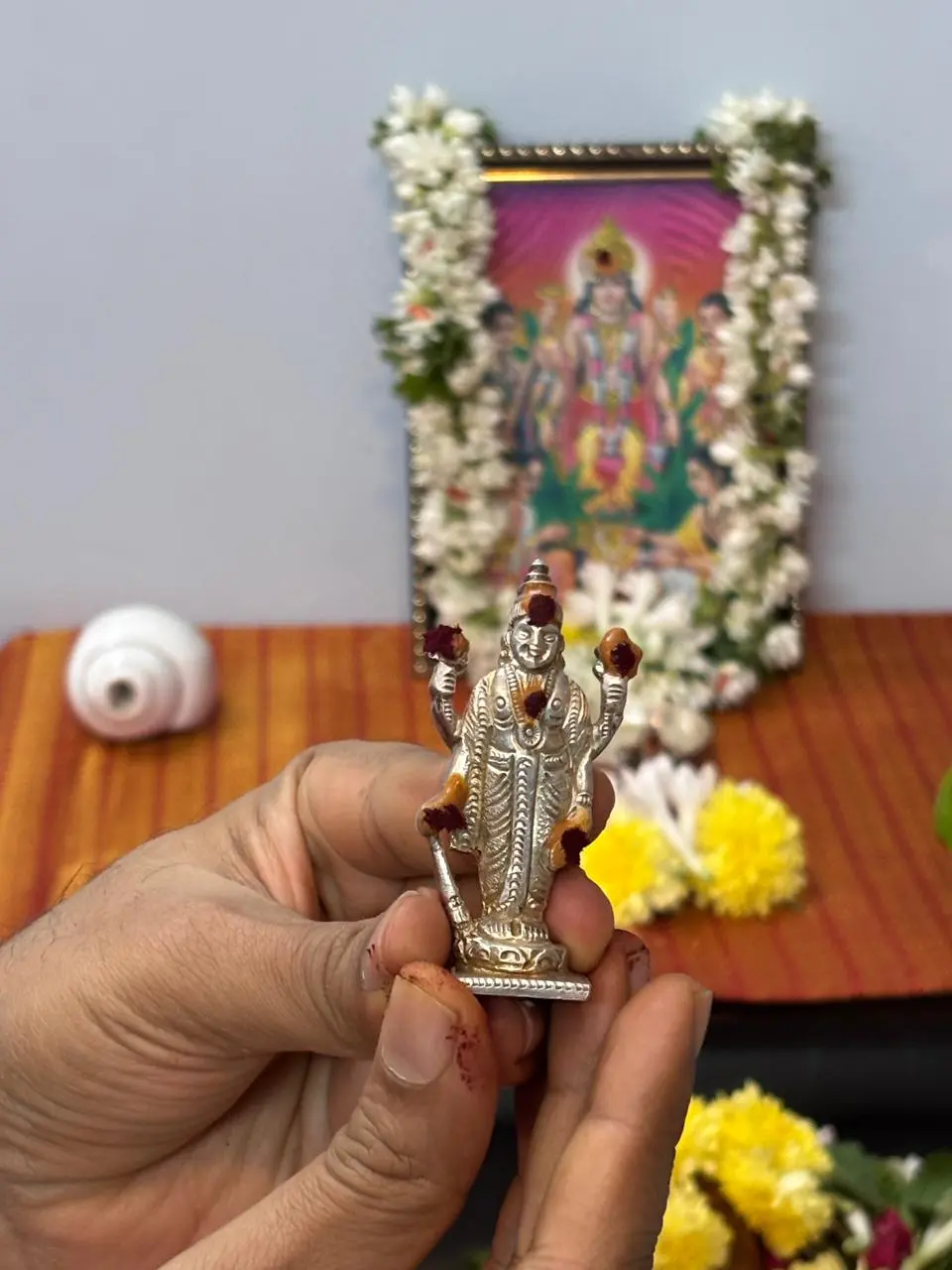
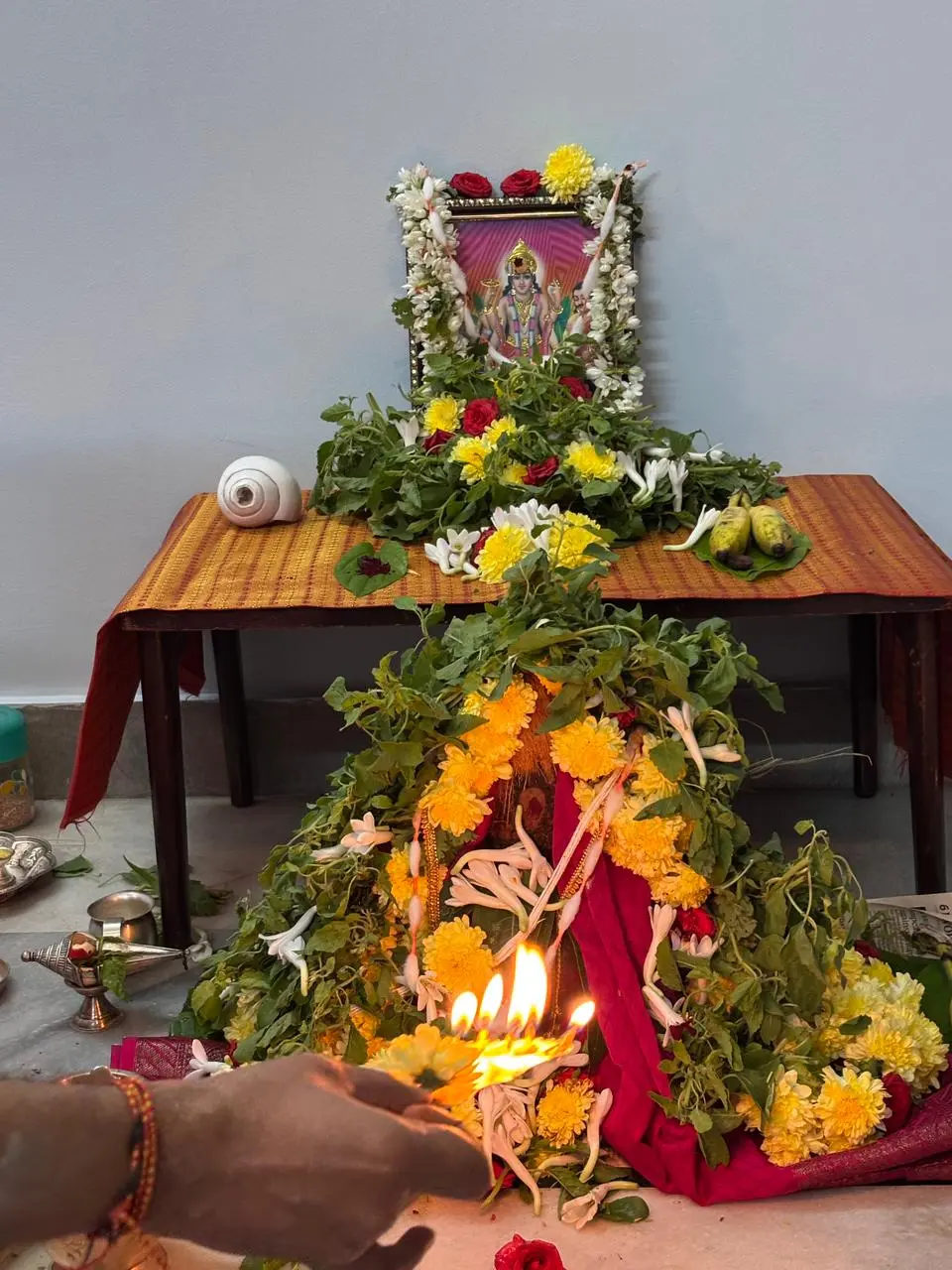
The worship of Lord Vishnu in the form of Satyanarayana is deemed to be the easiest and most powerful way to seek his blessings and grace. The unique part of the Puja is reciting the 5 stories which explain the origin of the puja, it's benefits, and who all did it in the past.
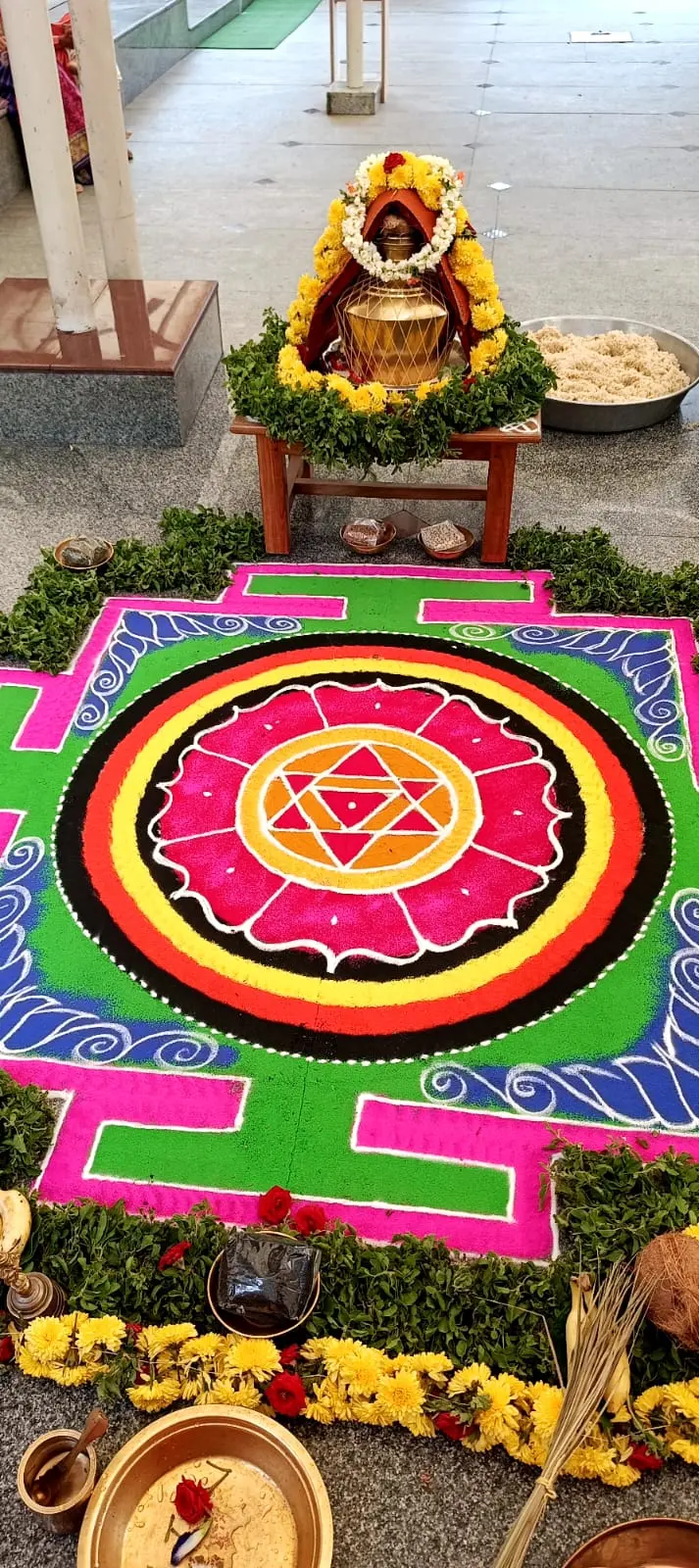
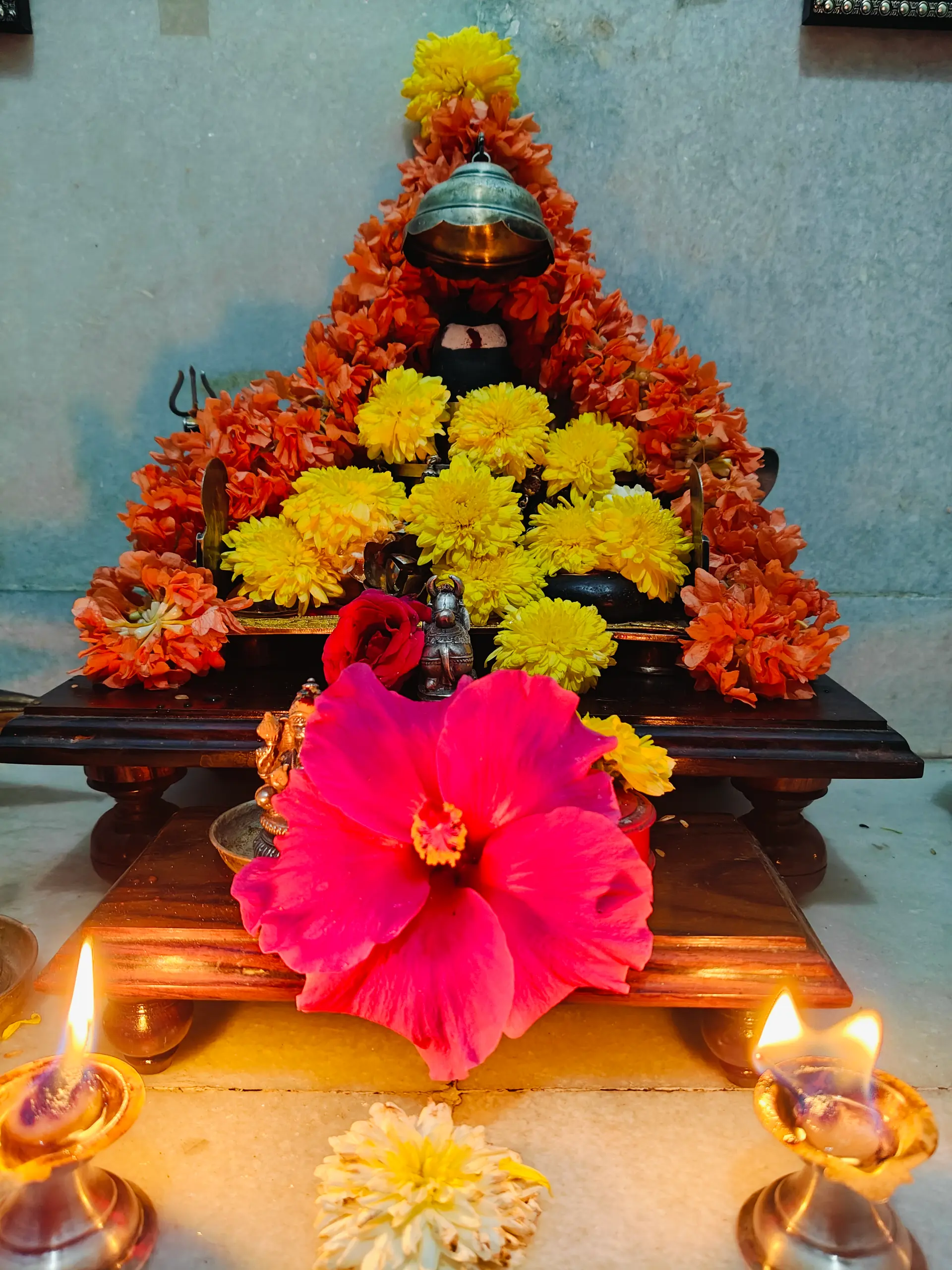
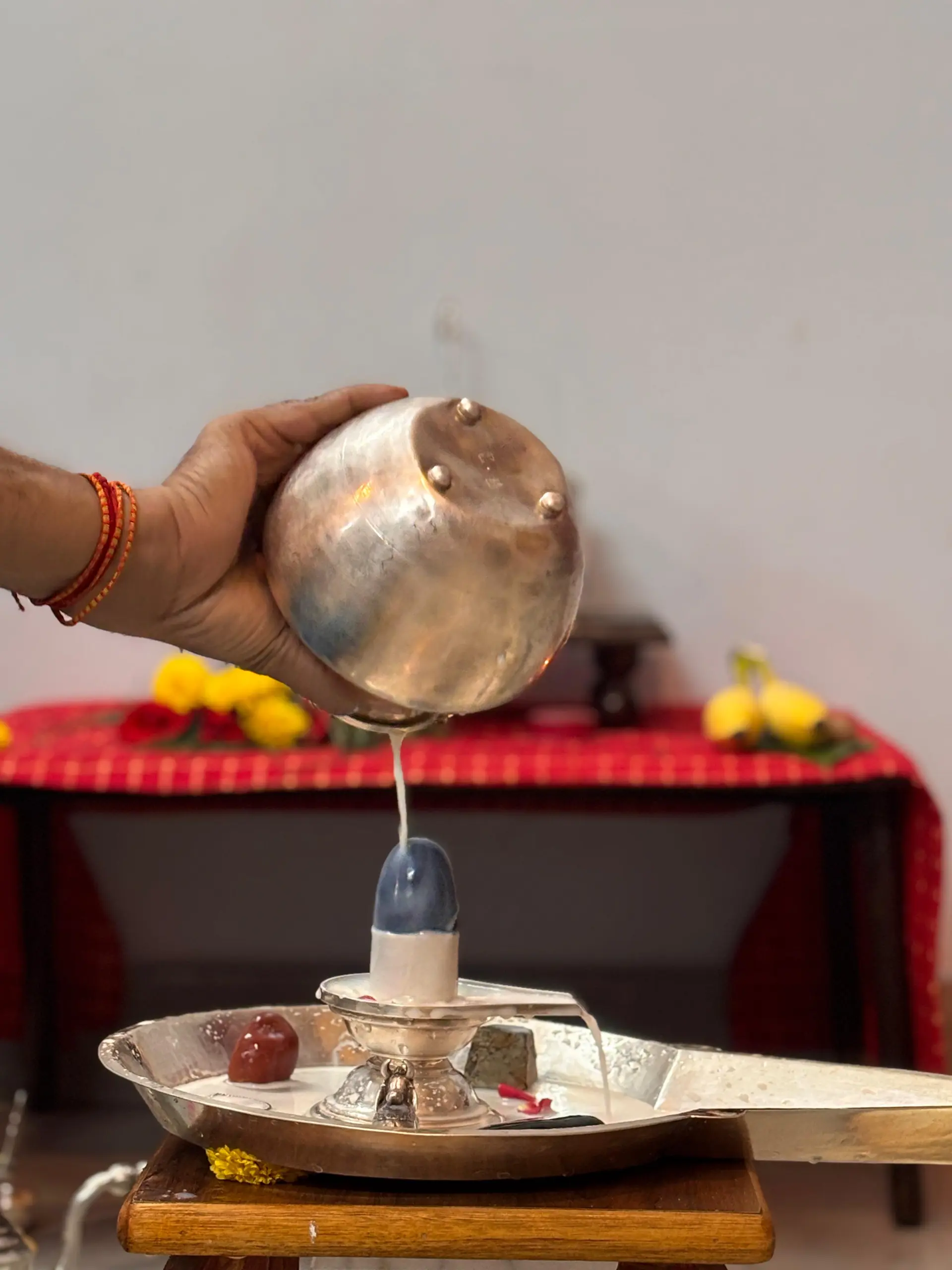
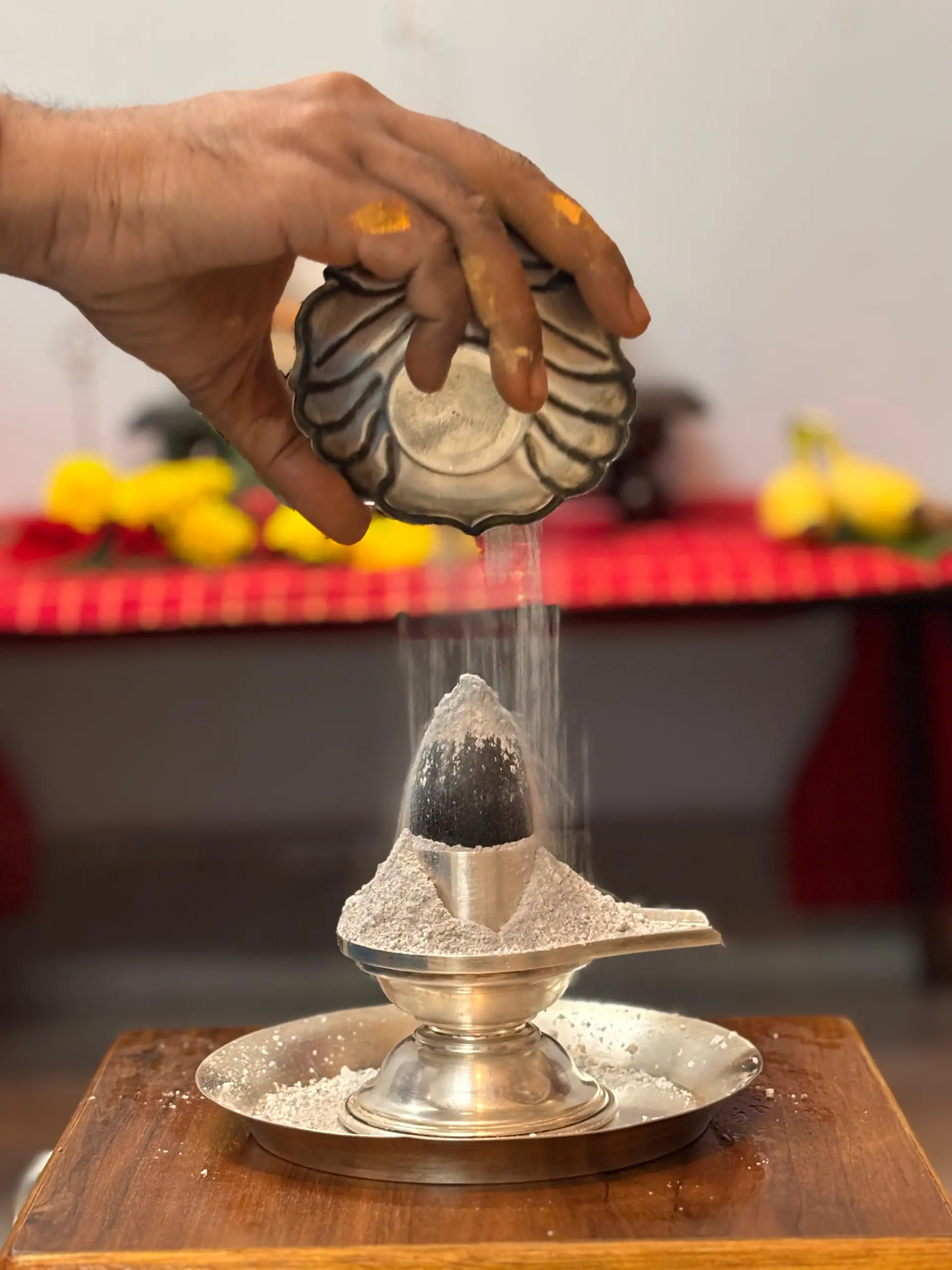
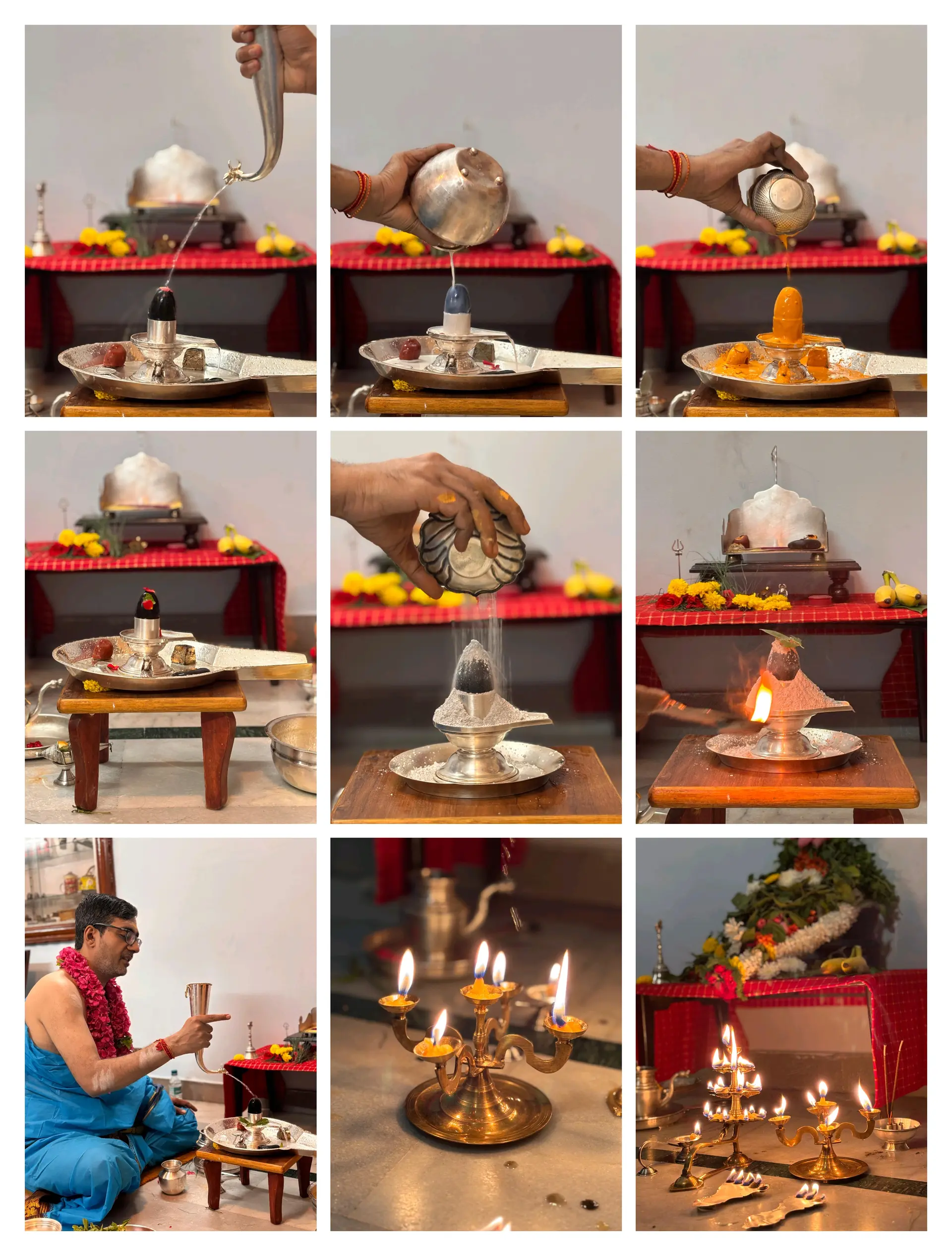
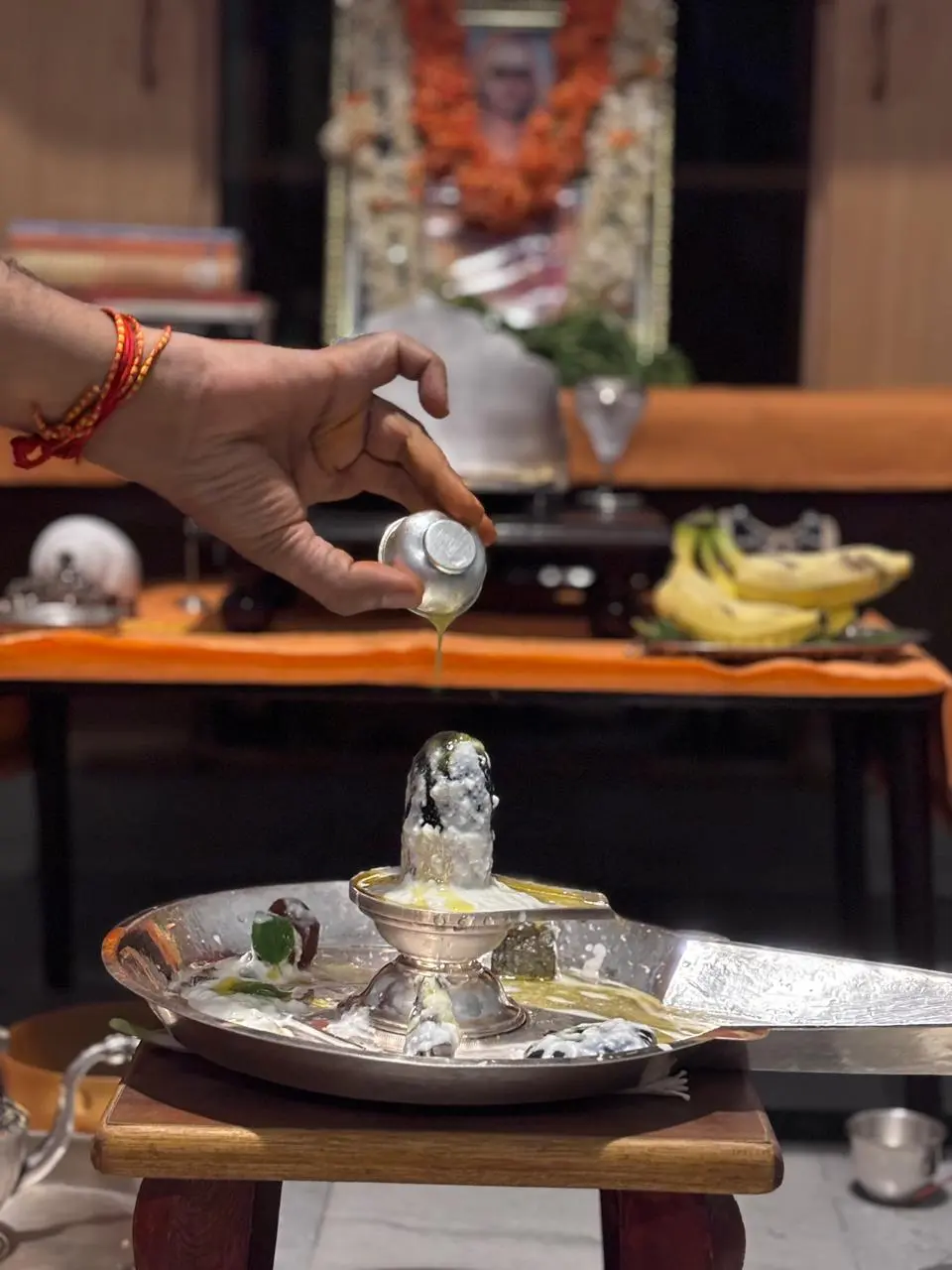
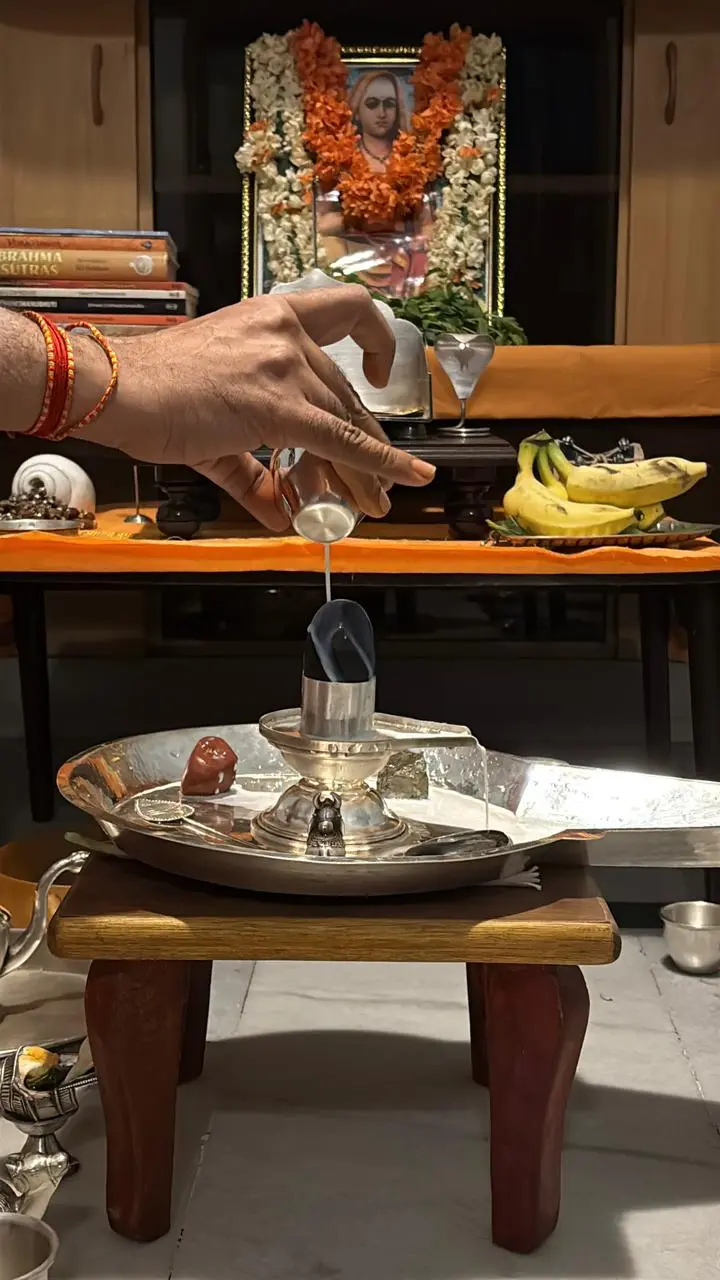
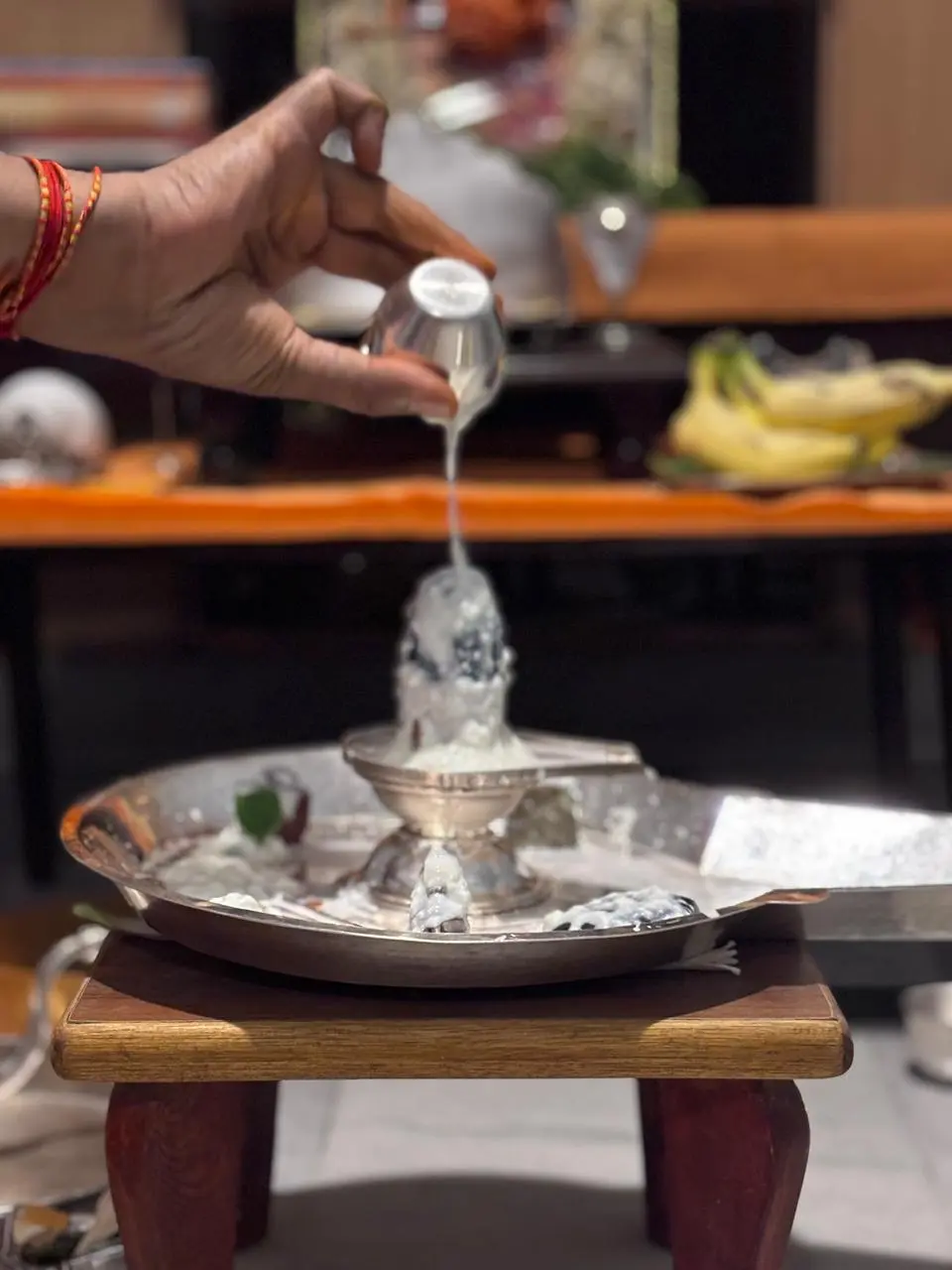
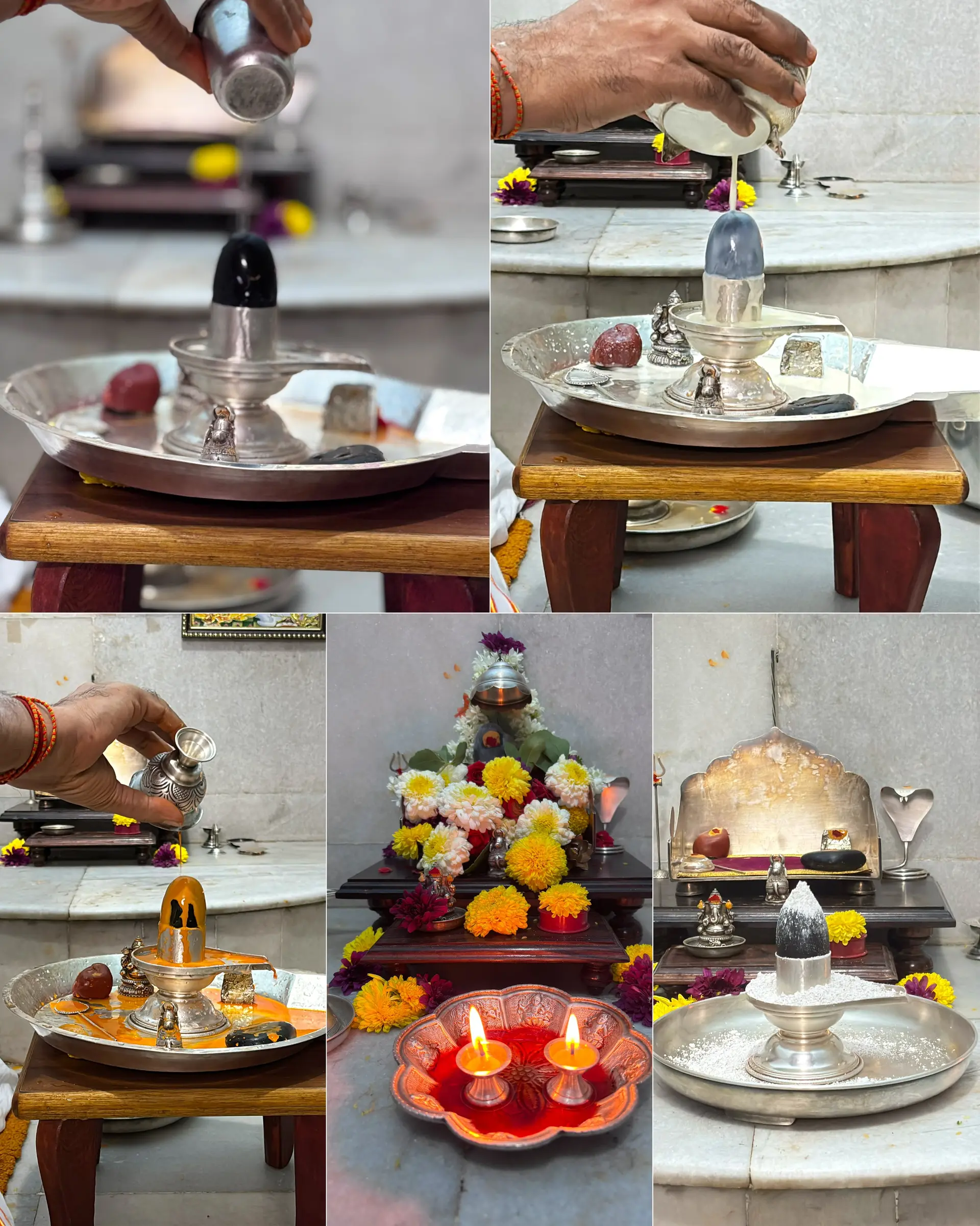
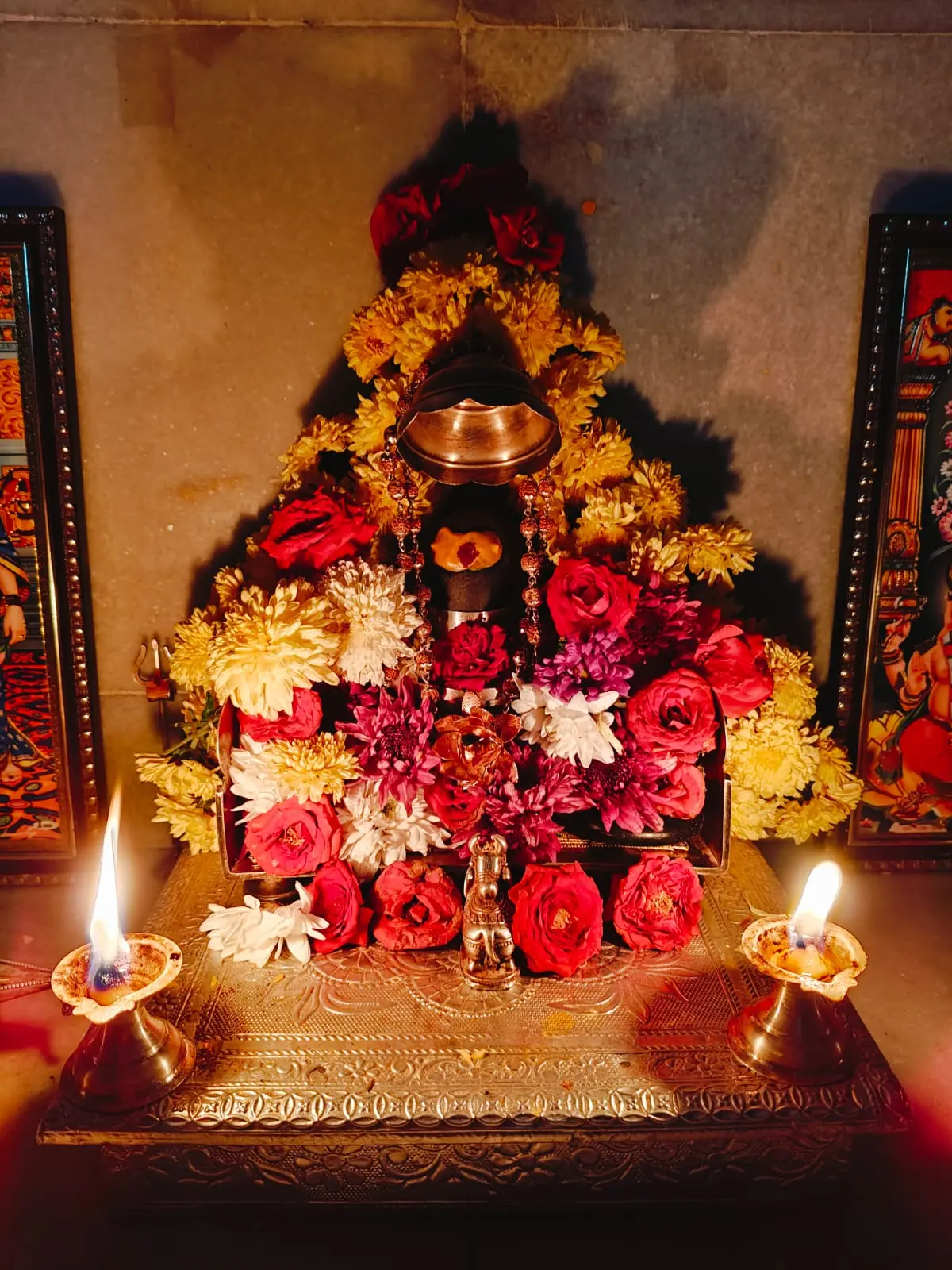
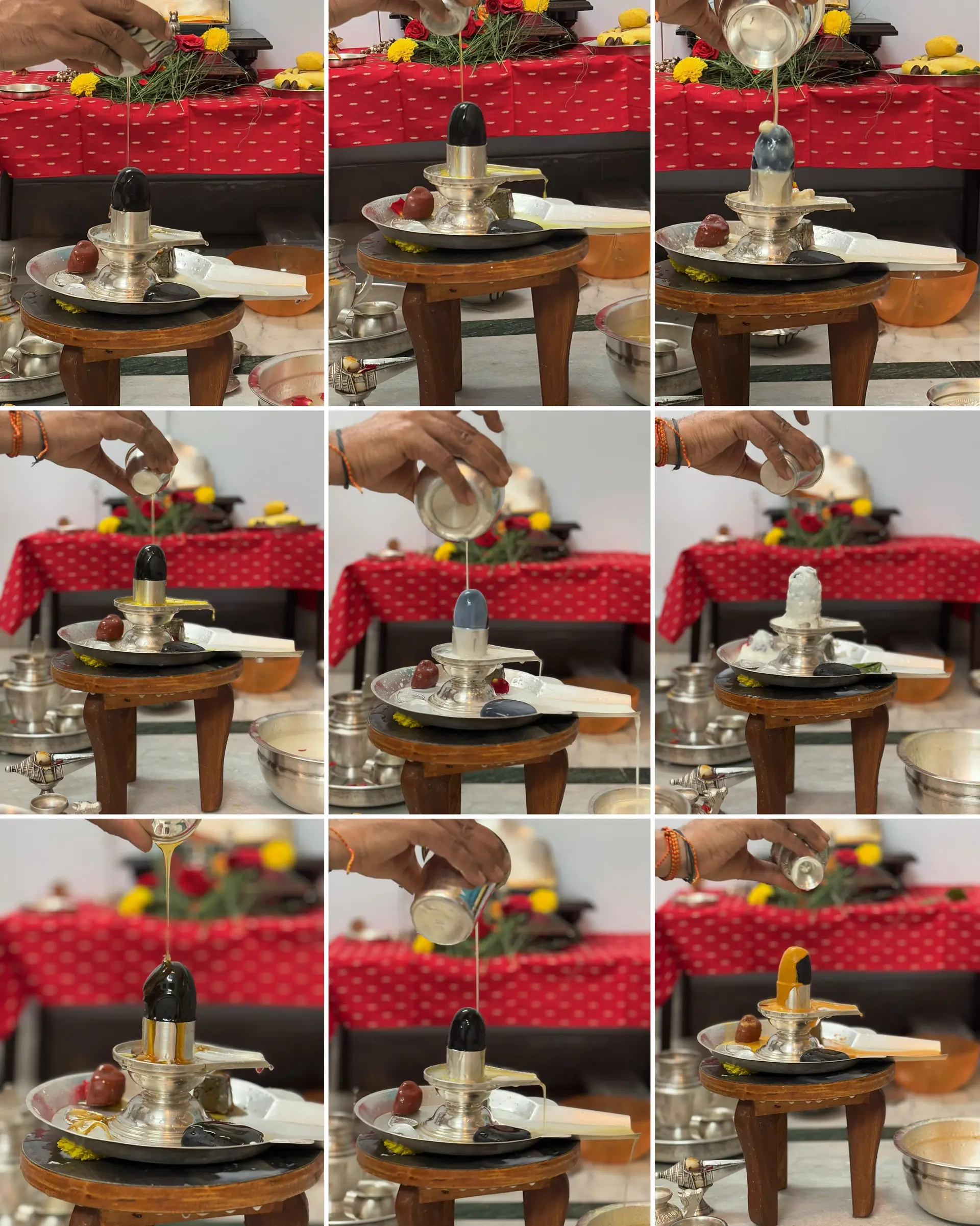
The elaborate version of Rudra puja performed on the night of Mahashivaratri. Sri Rudram is chanted 11 times and Shivalingam is anointed with 11 different items.
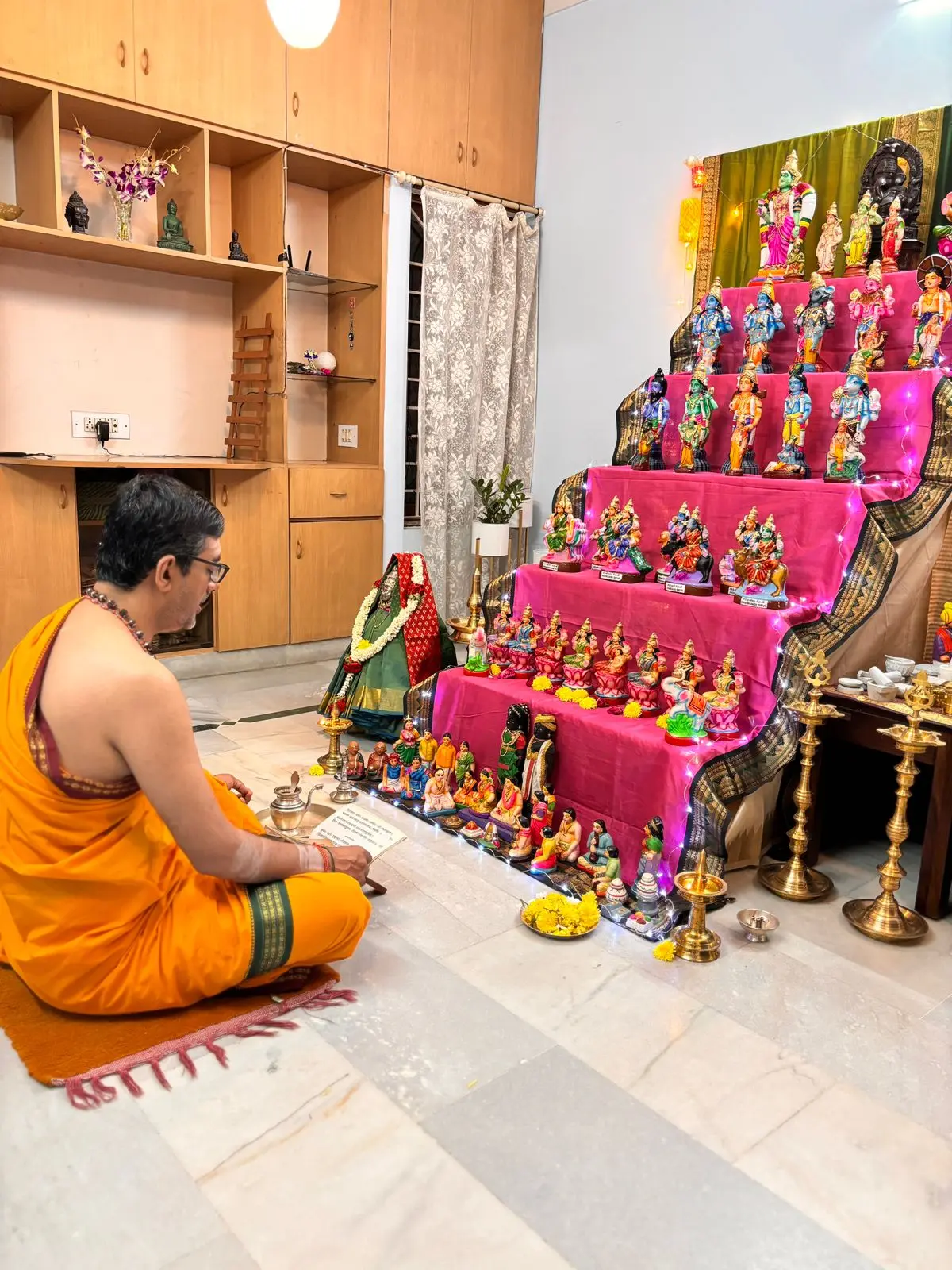
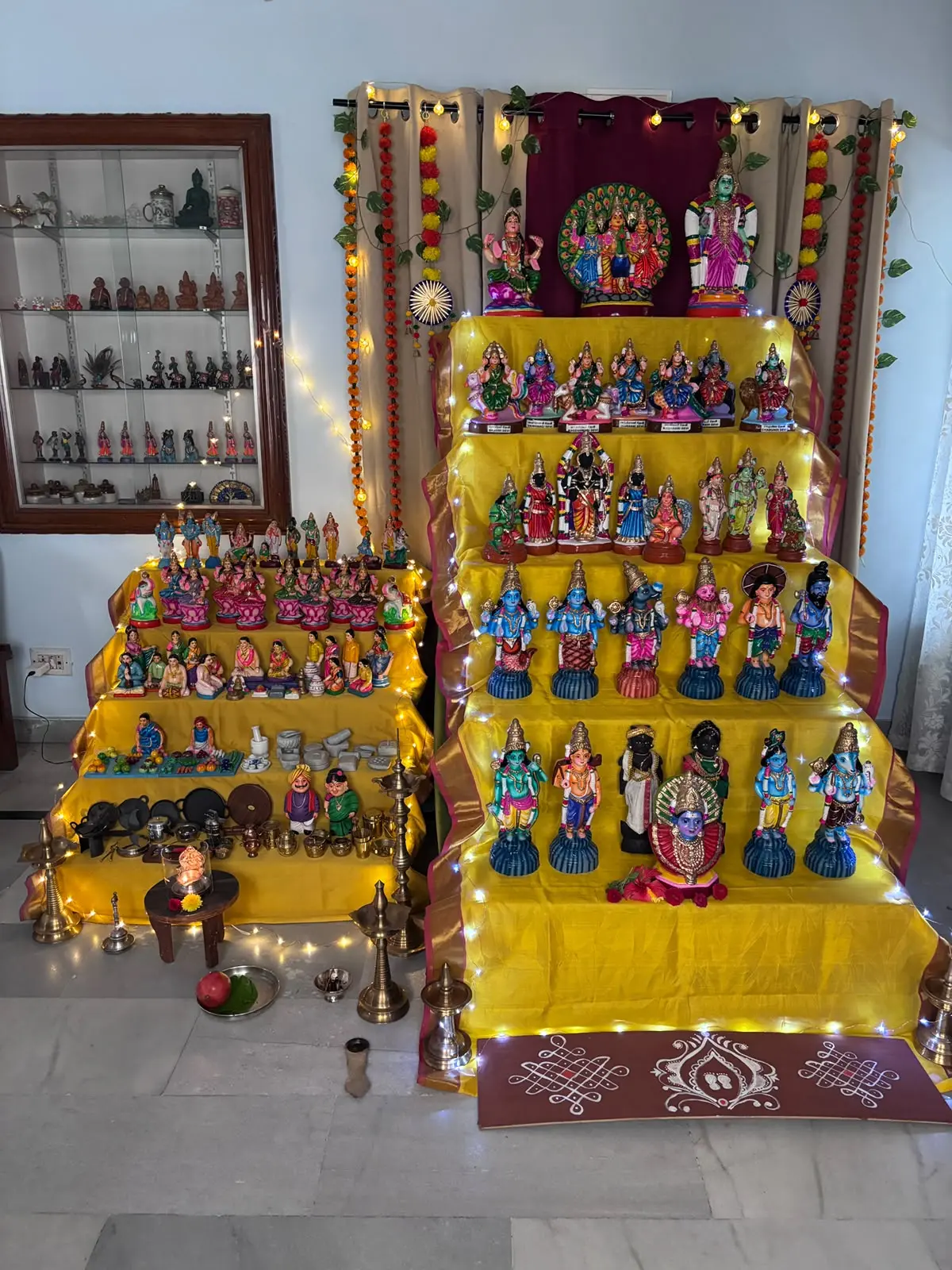
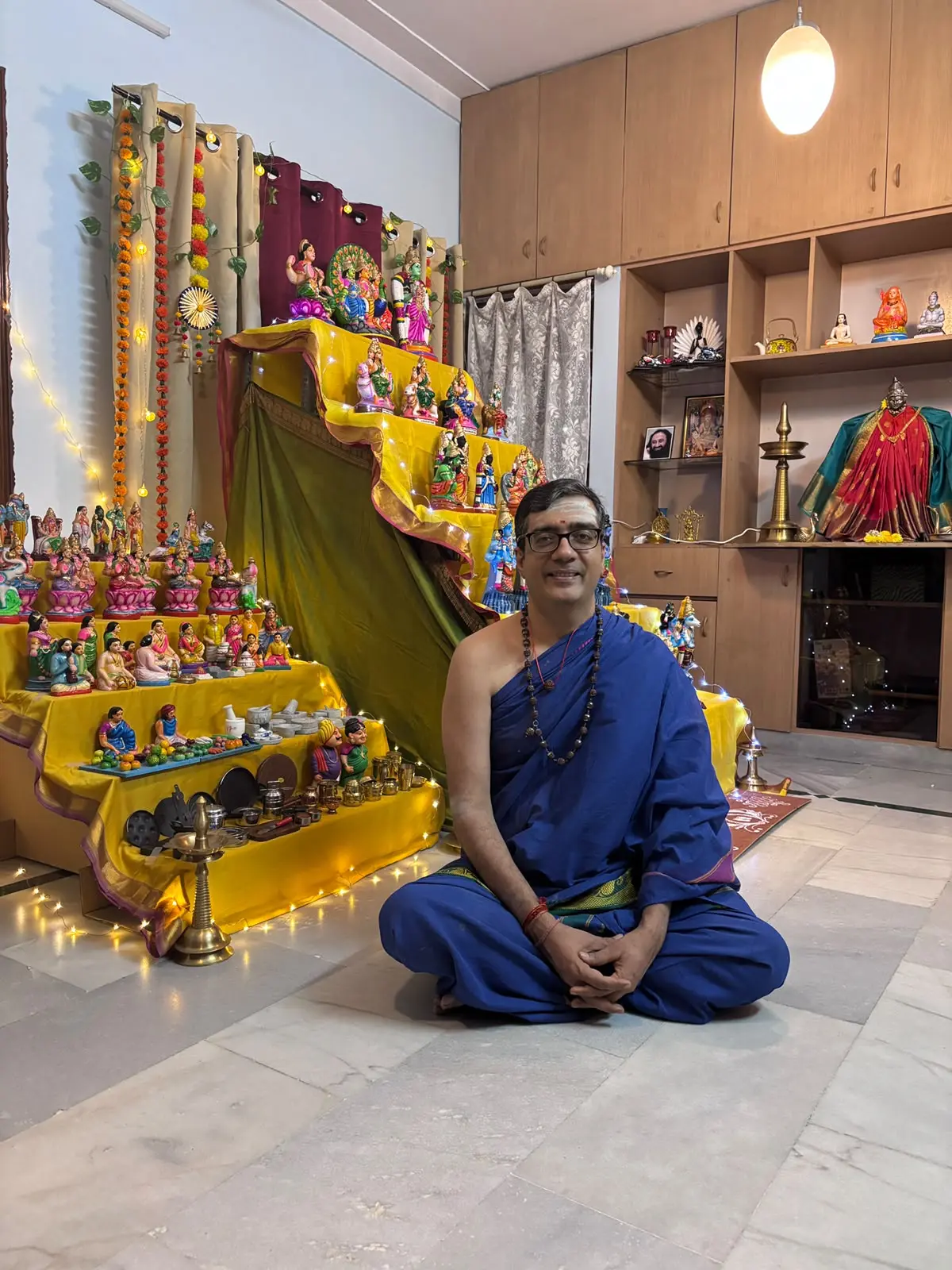
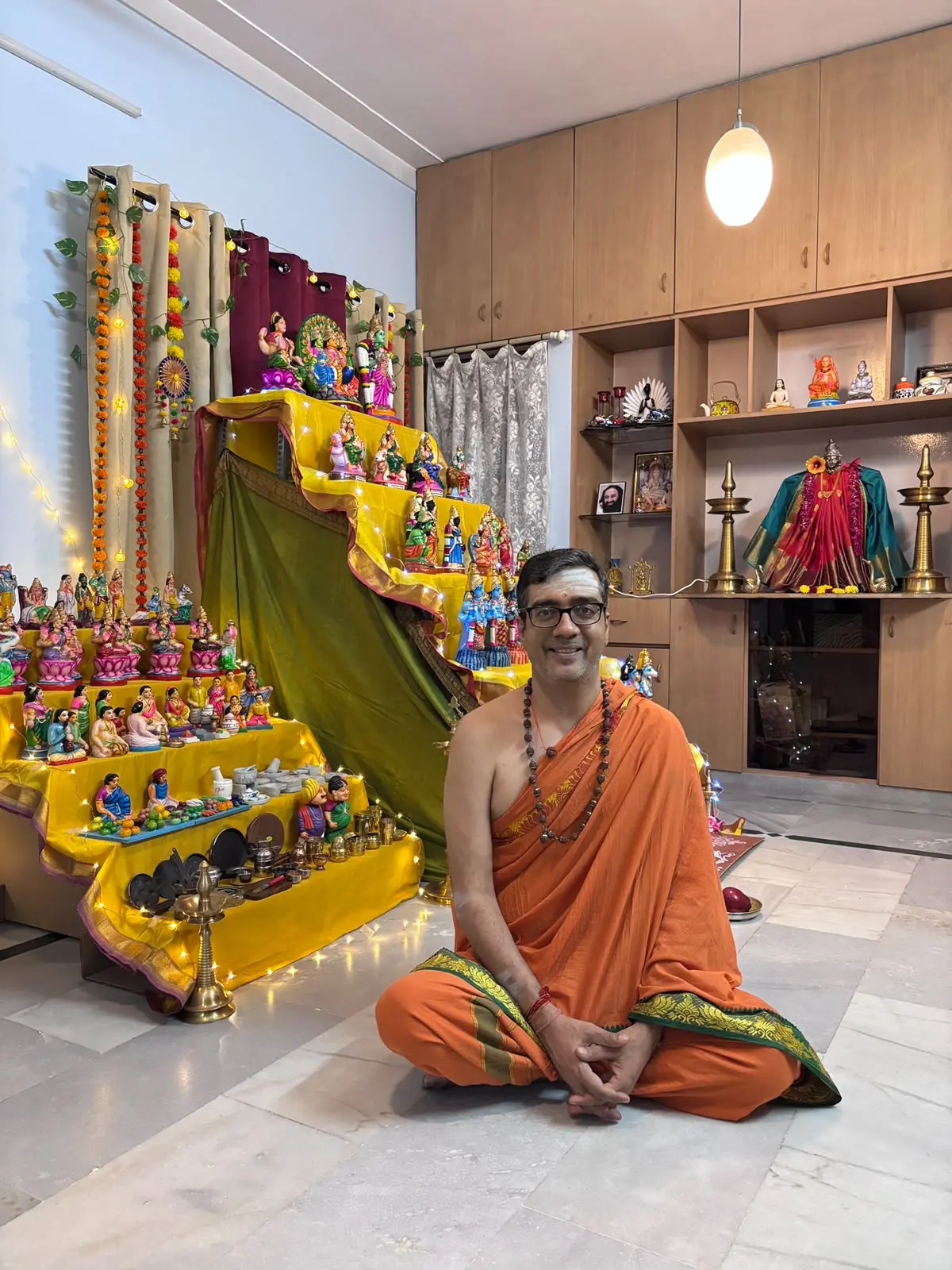
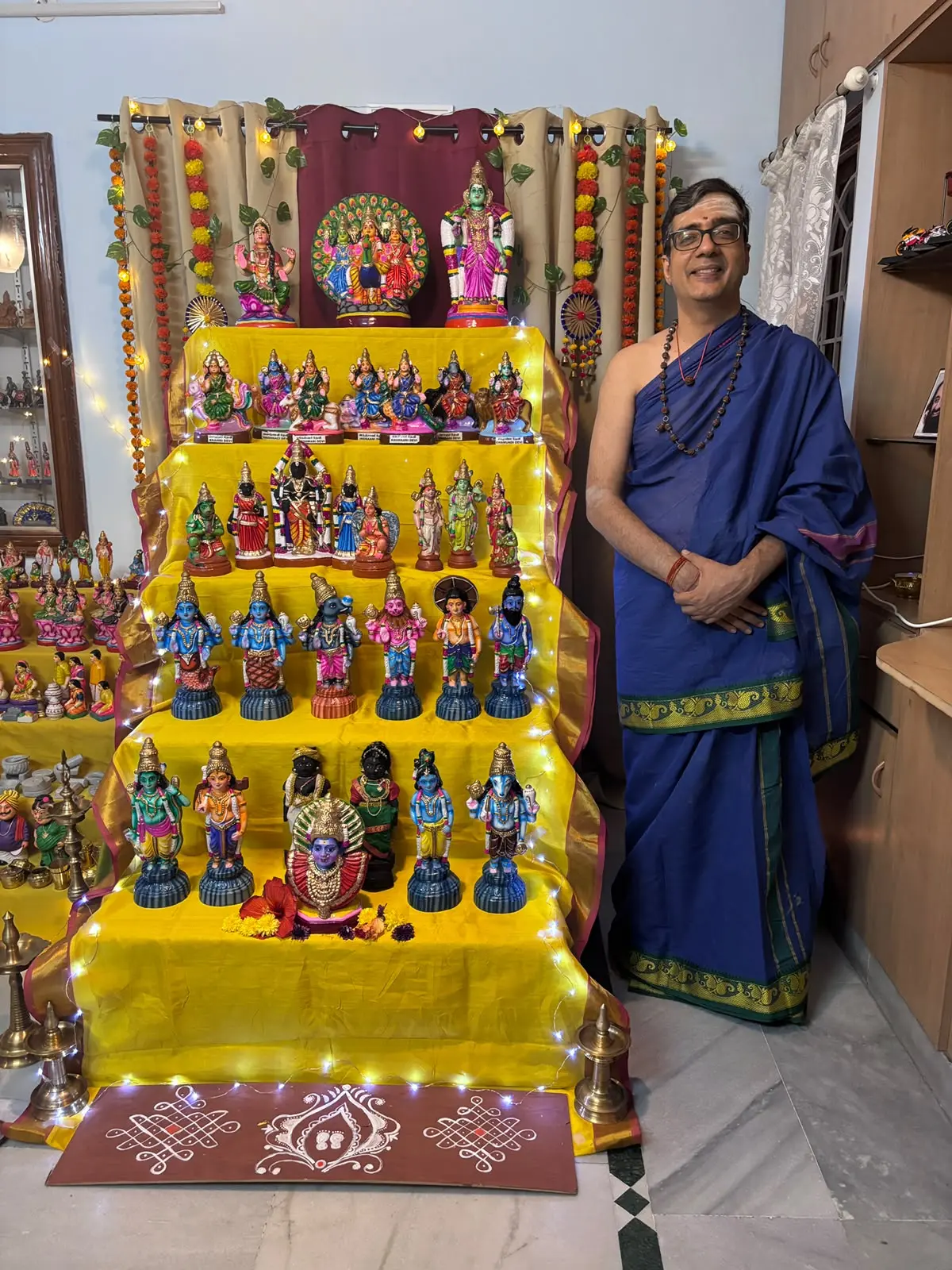
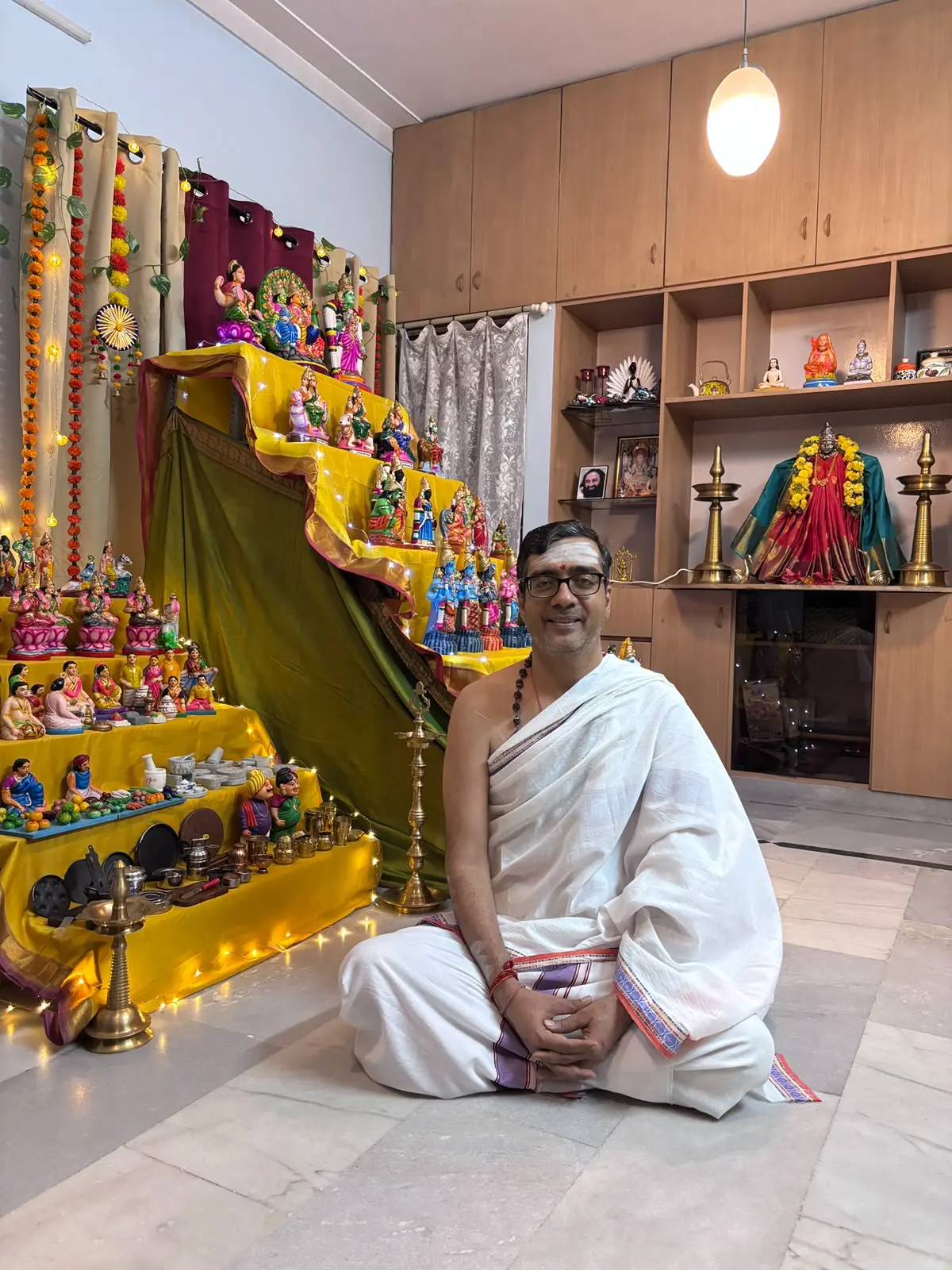
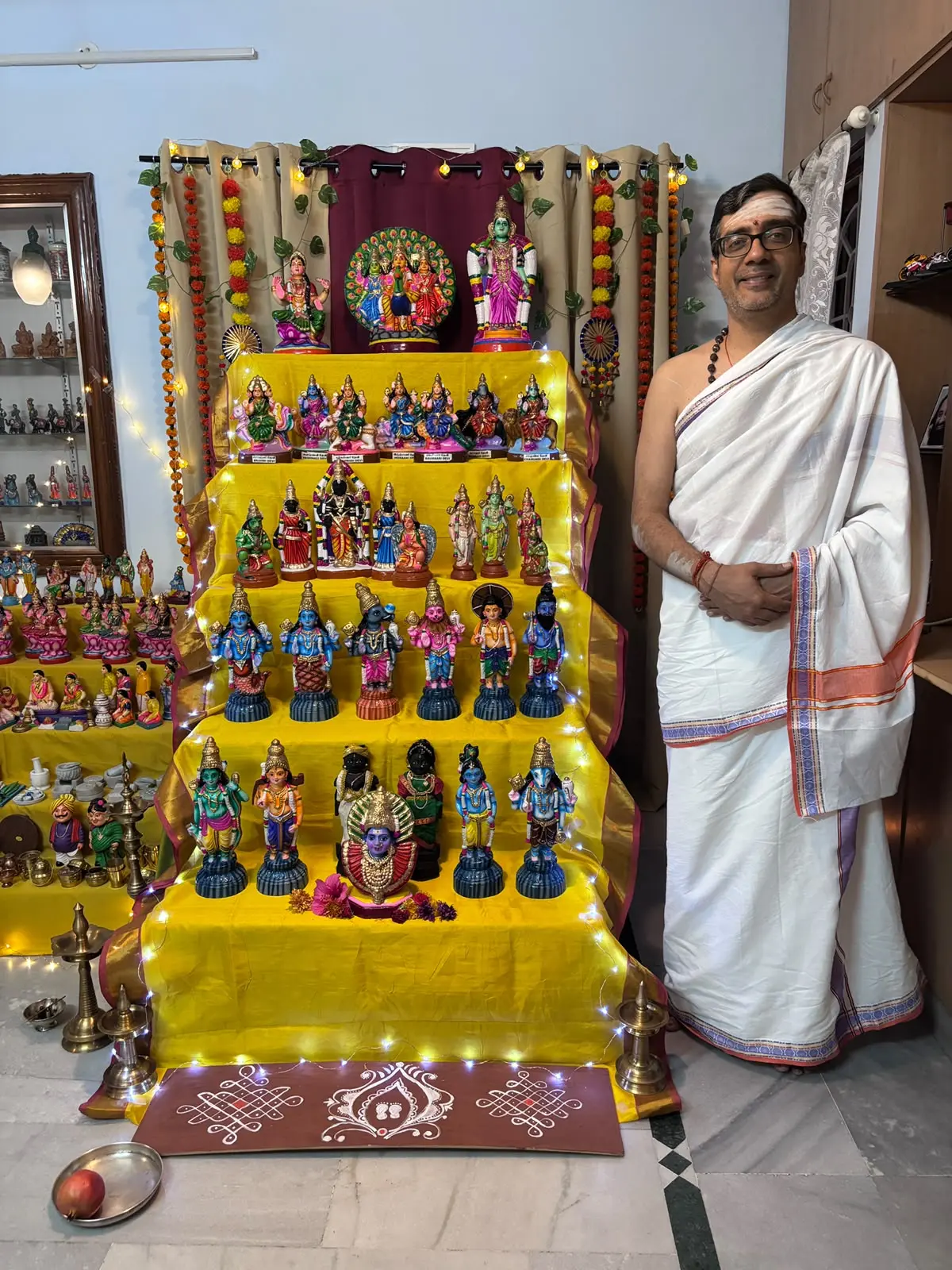
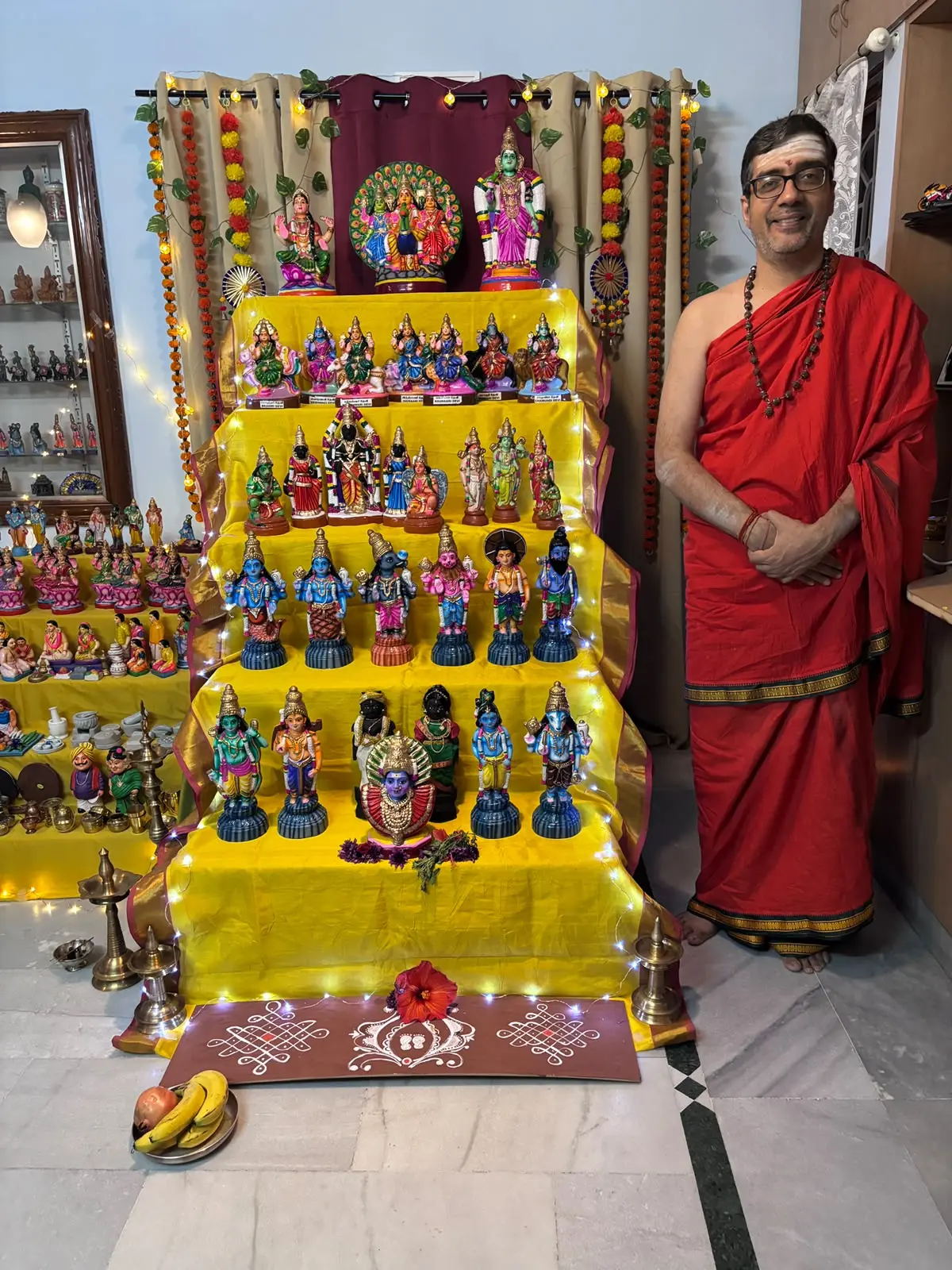
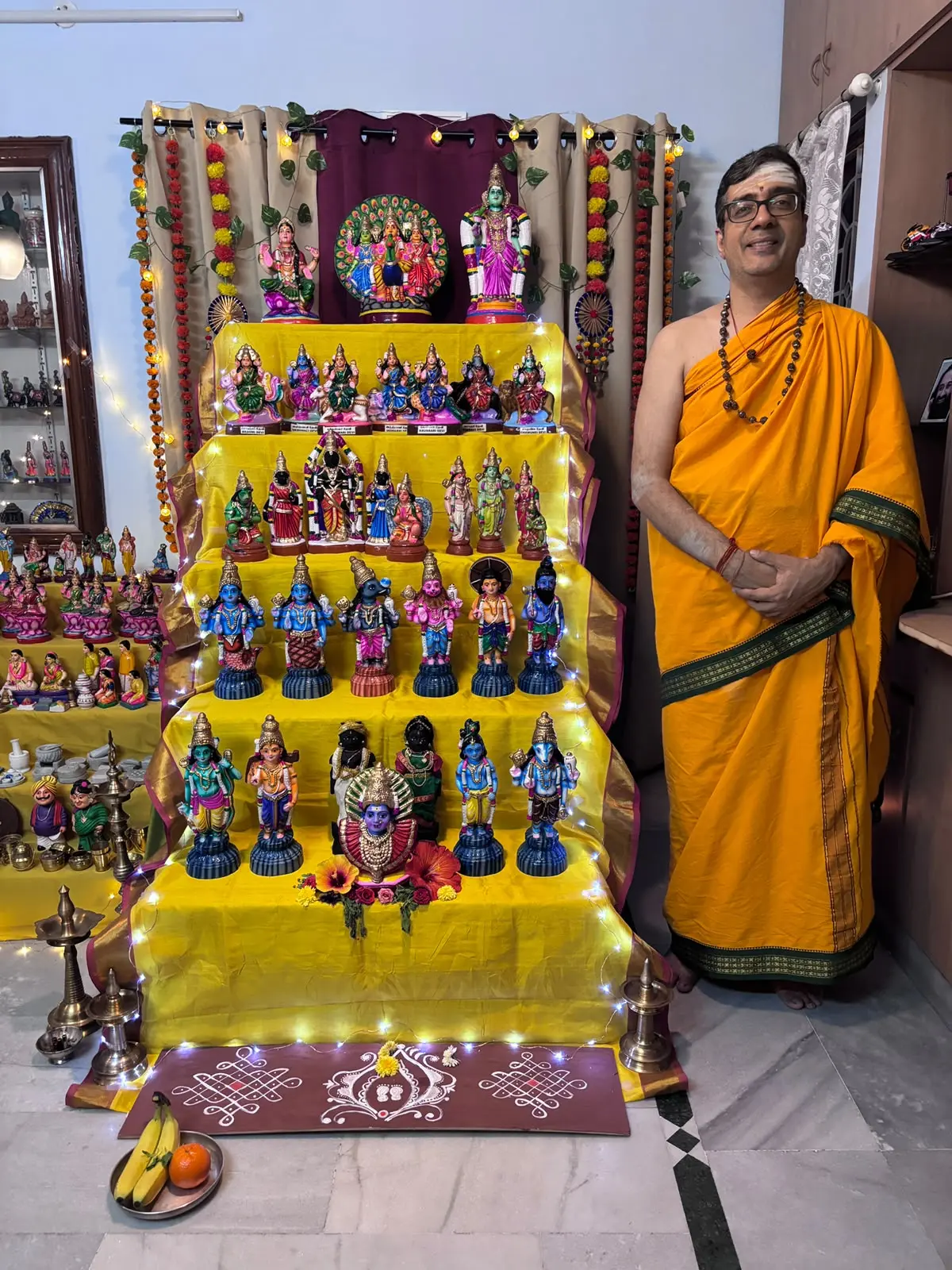
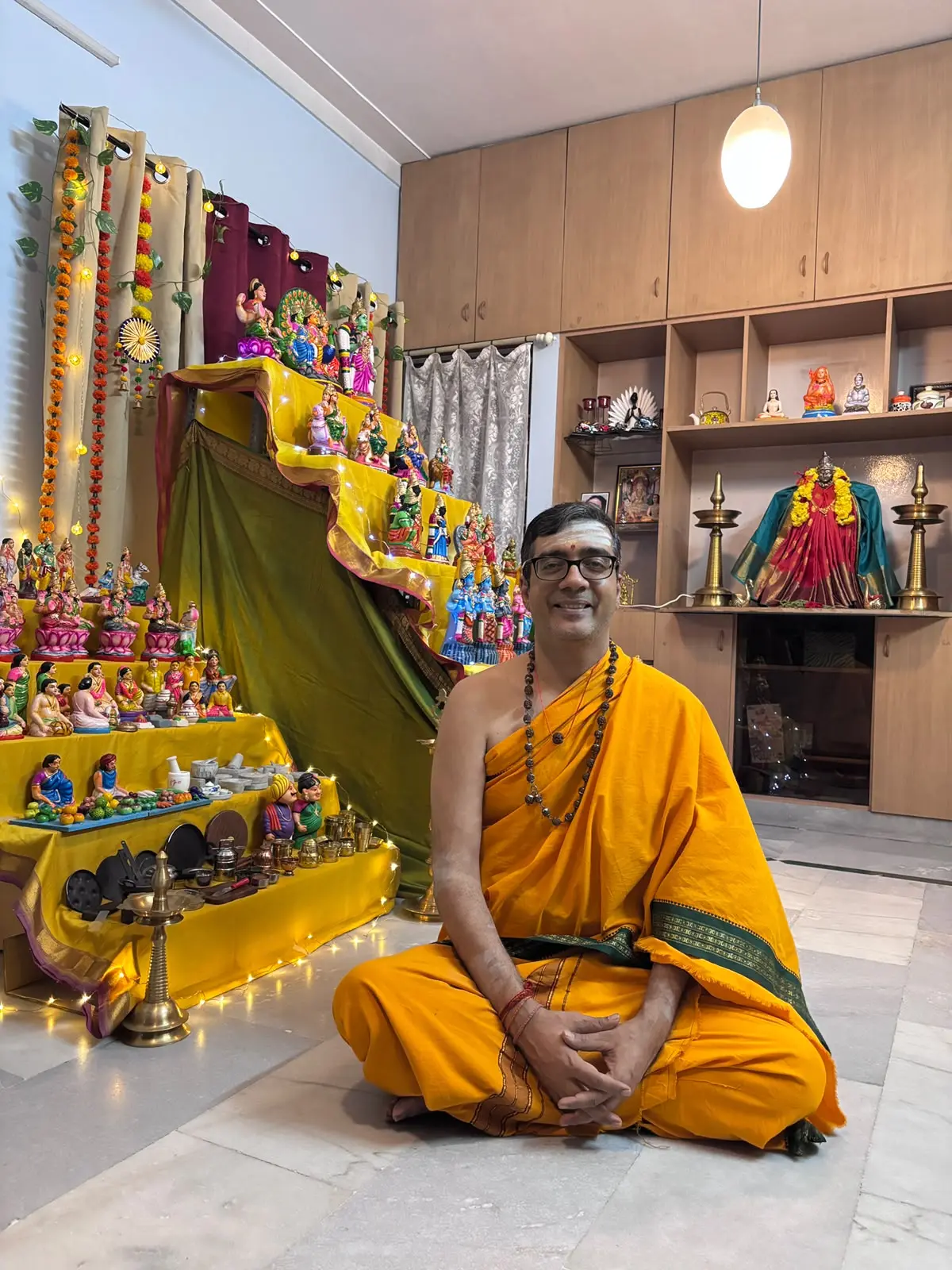
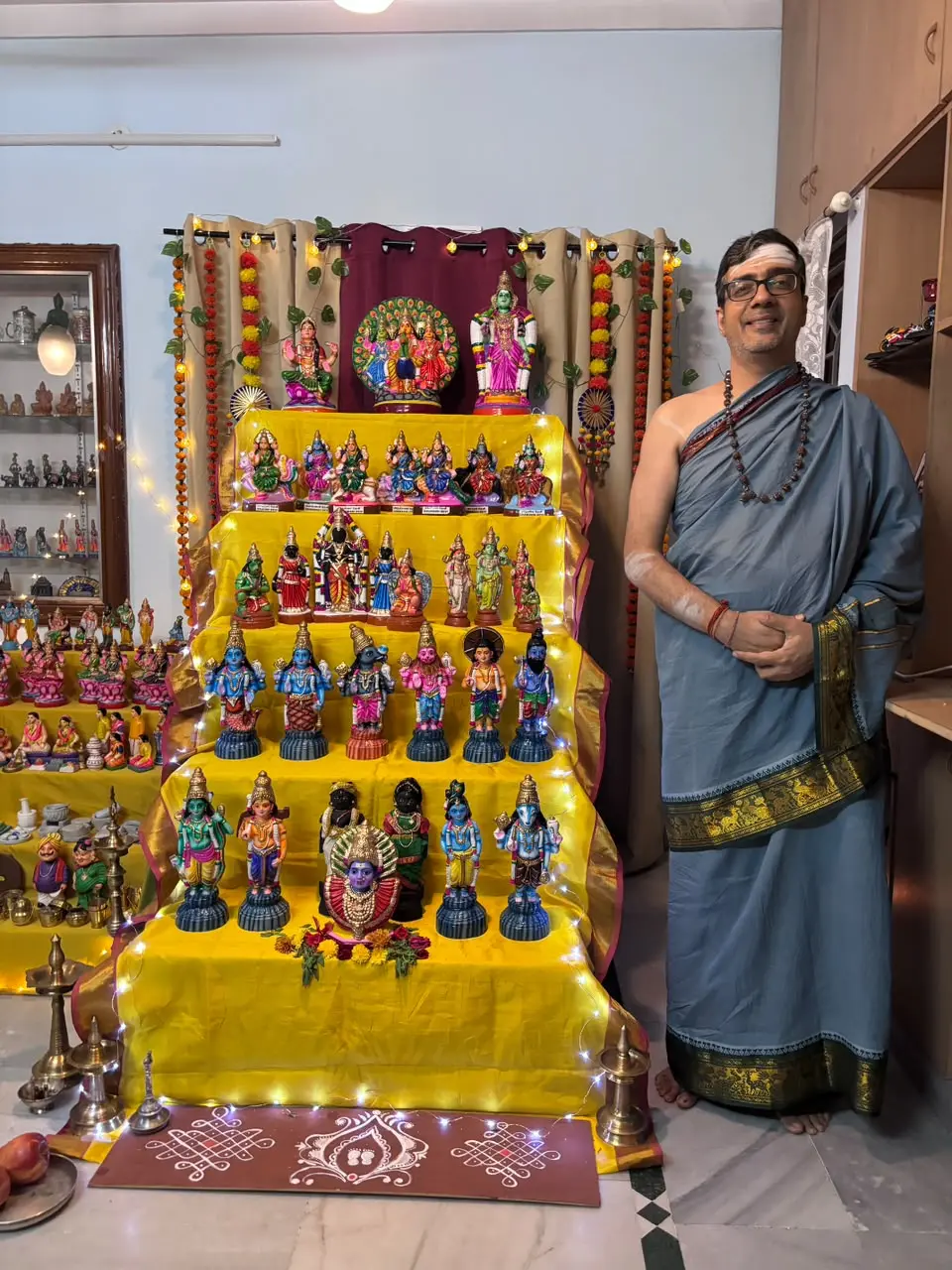
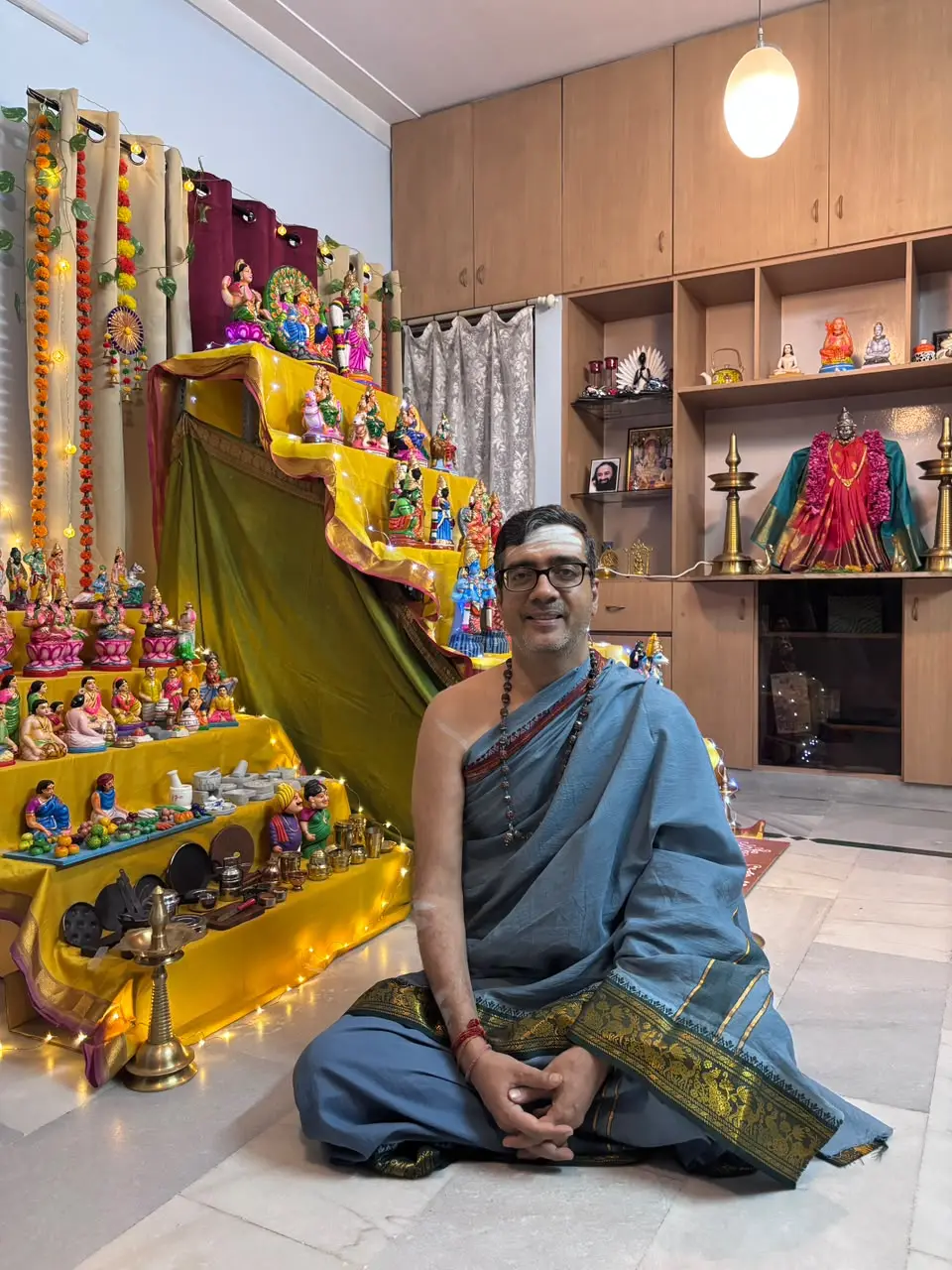
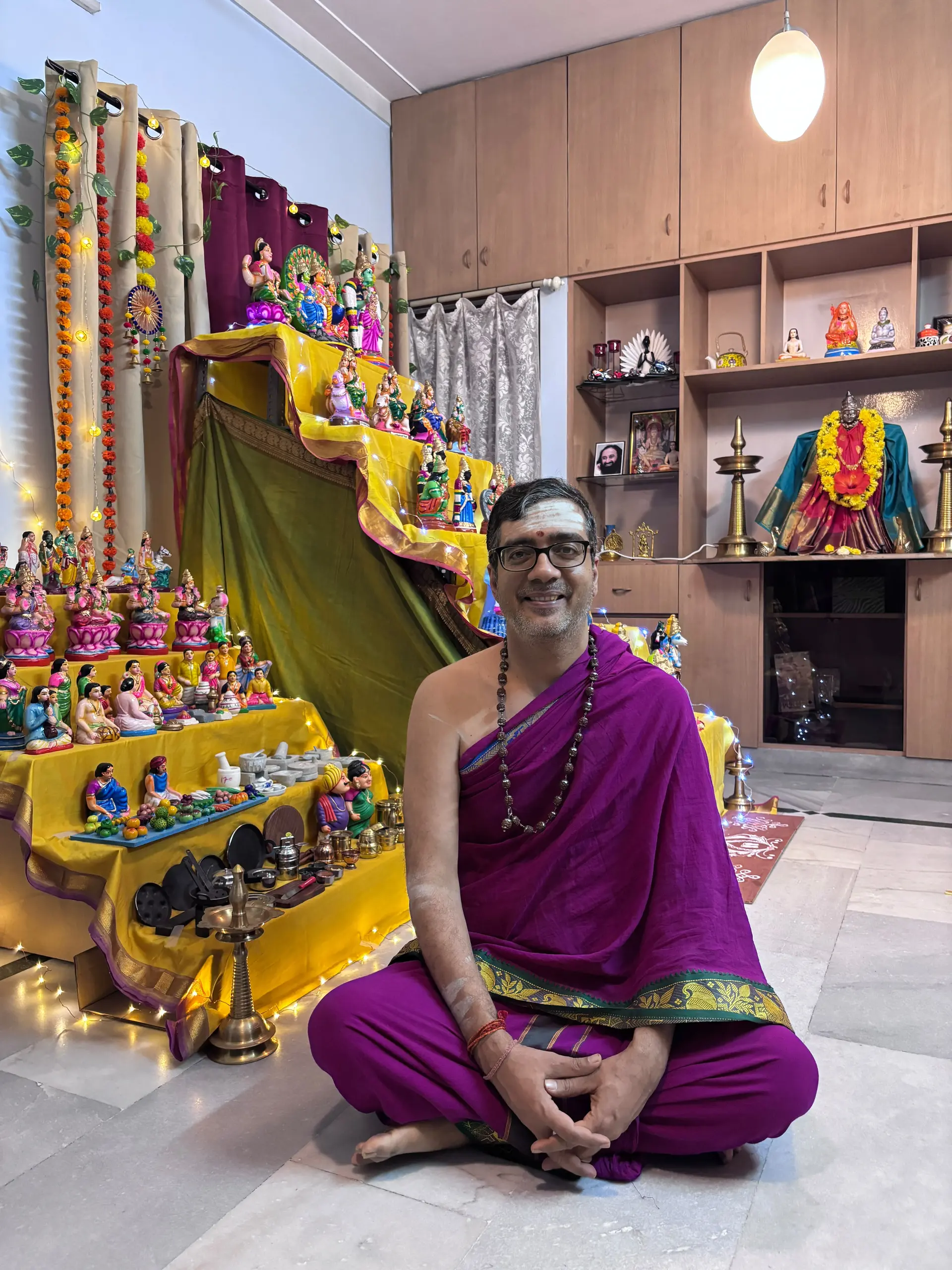
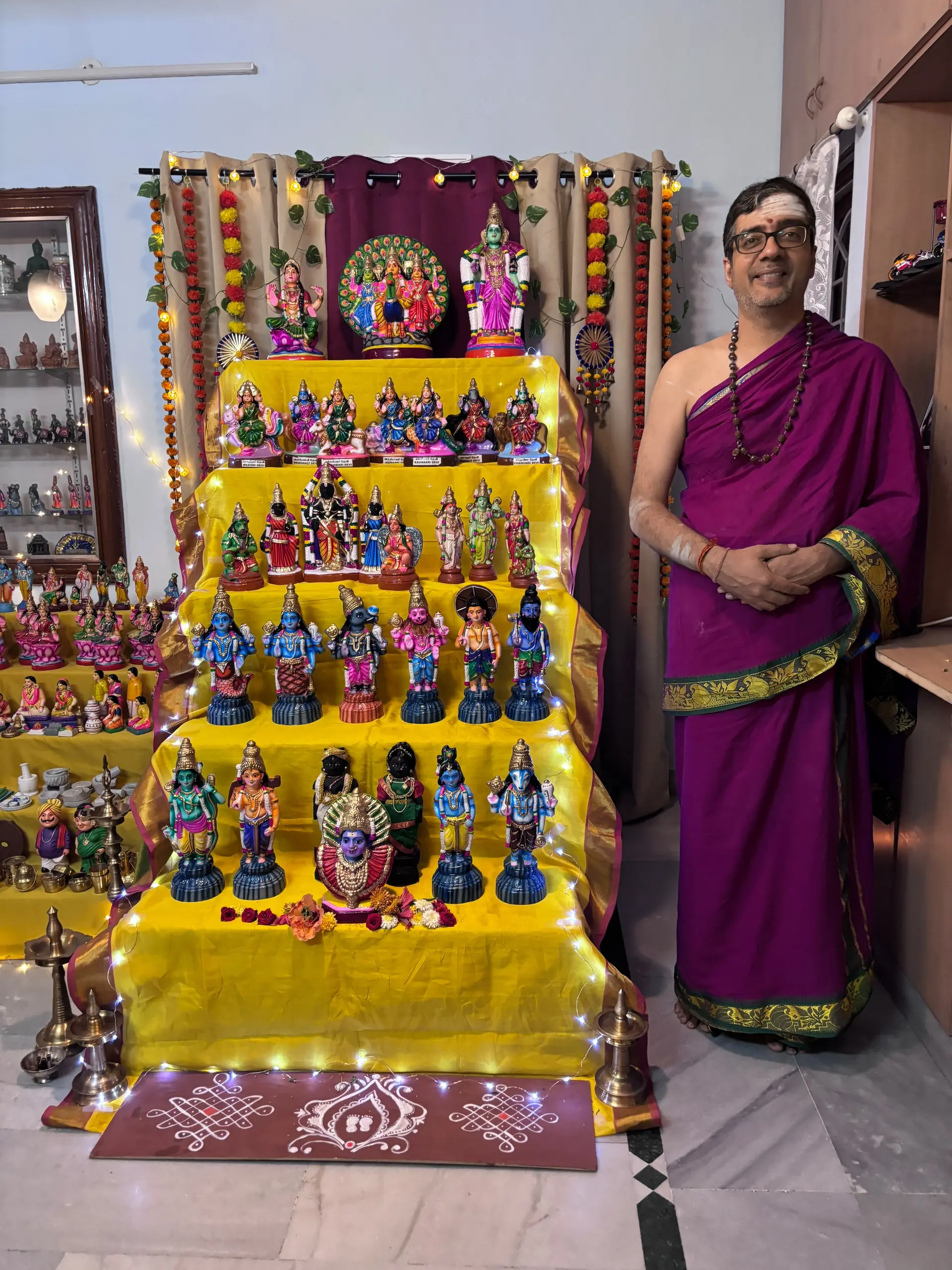
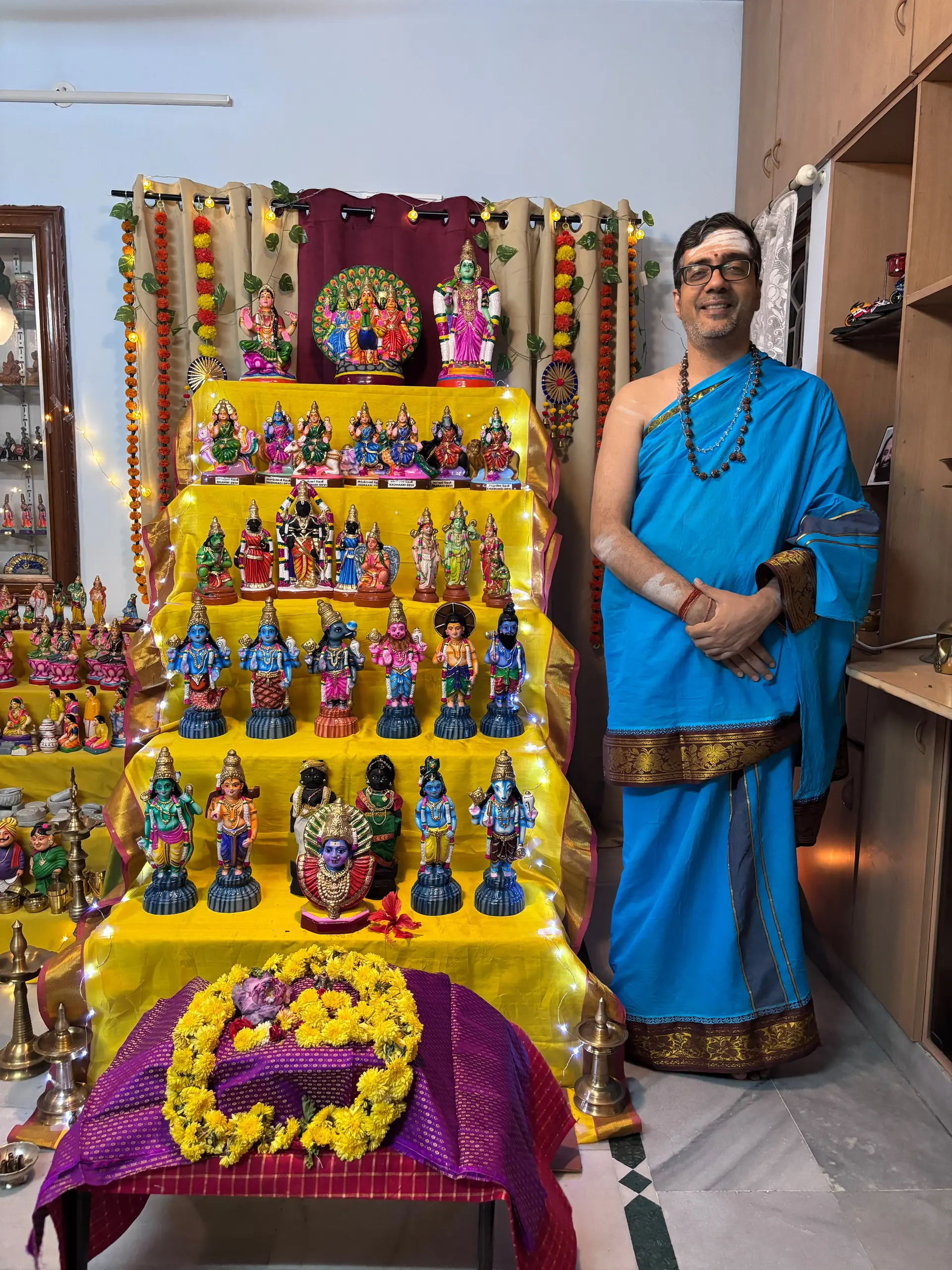
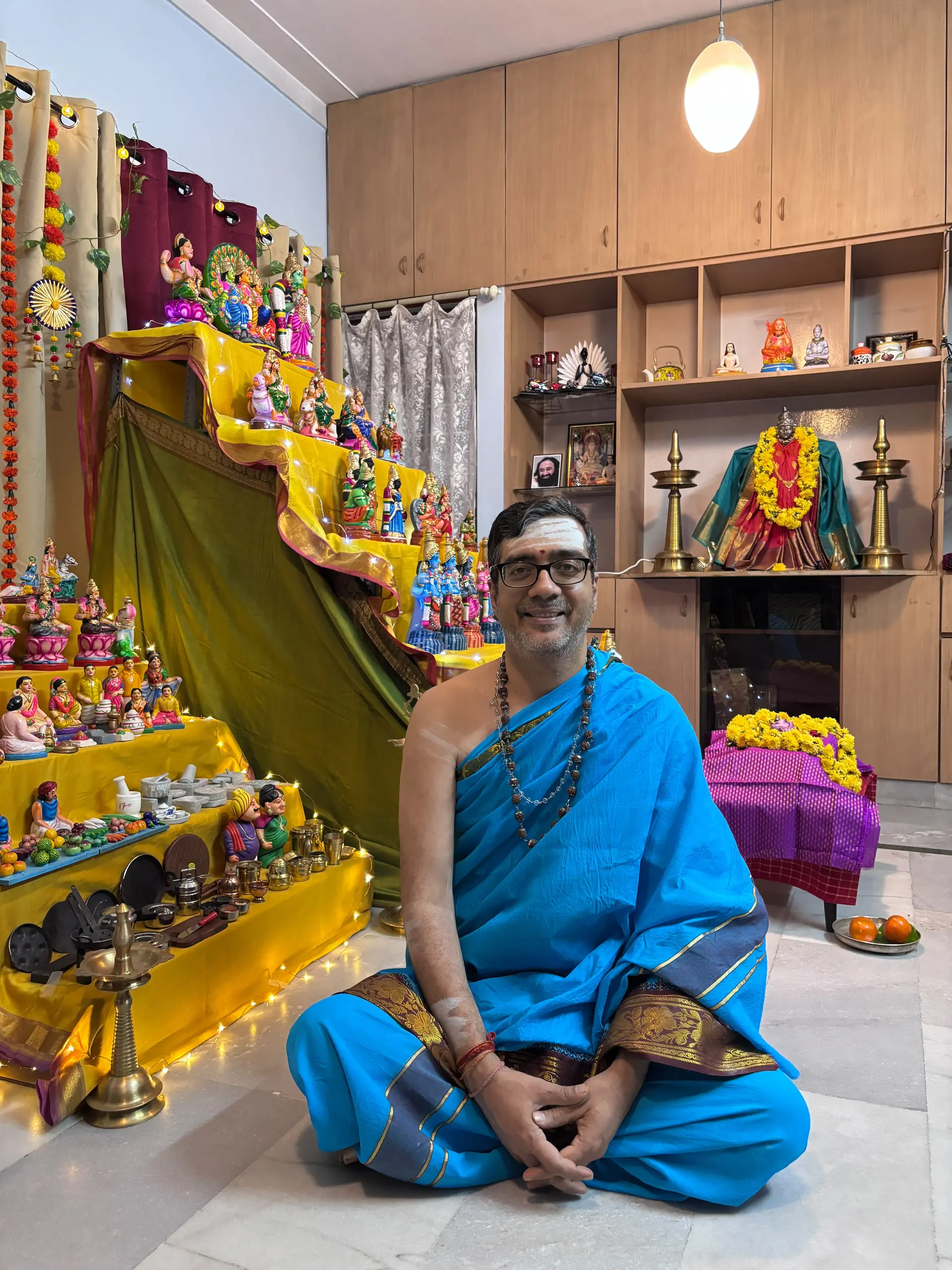
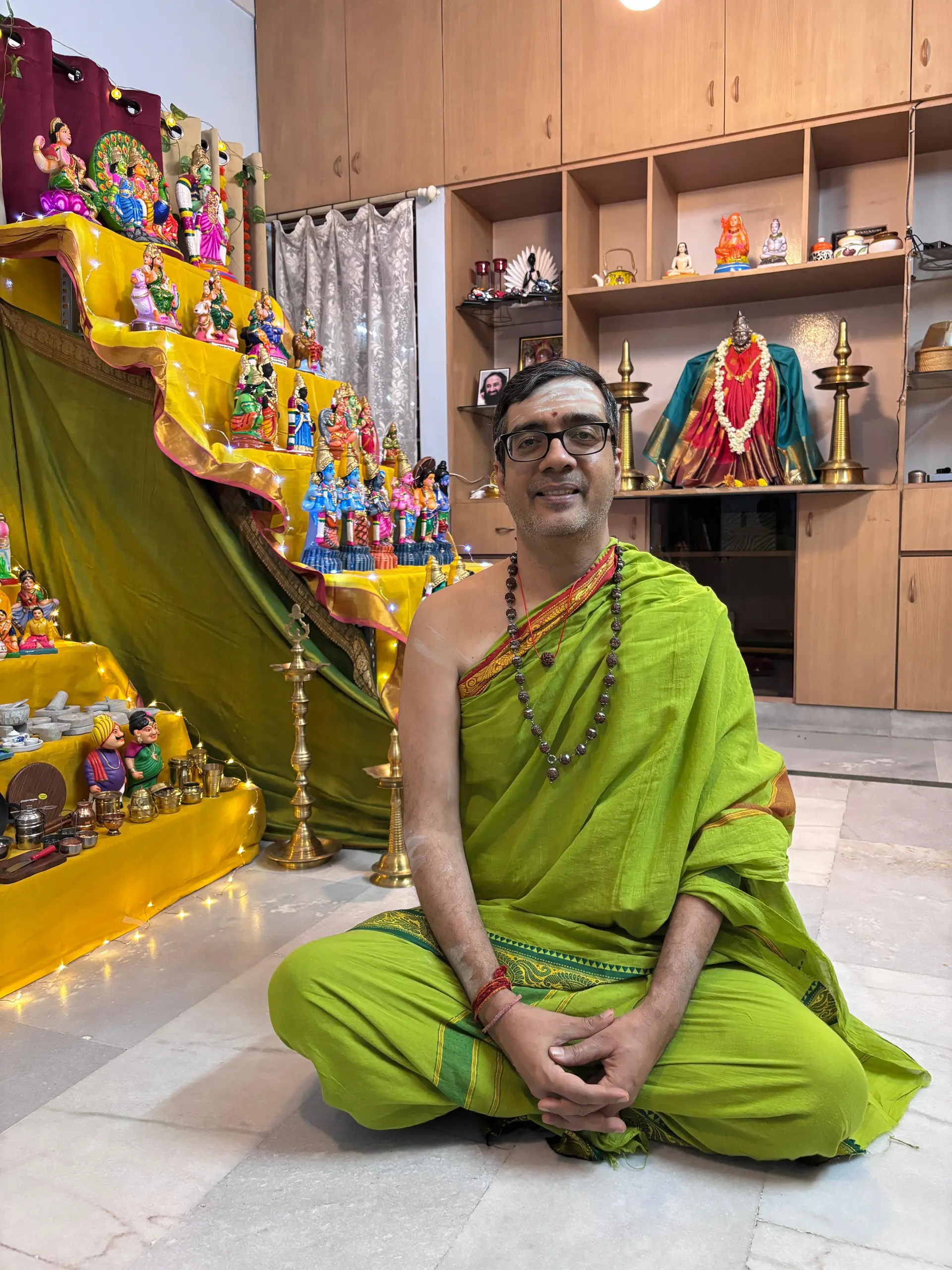
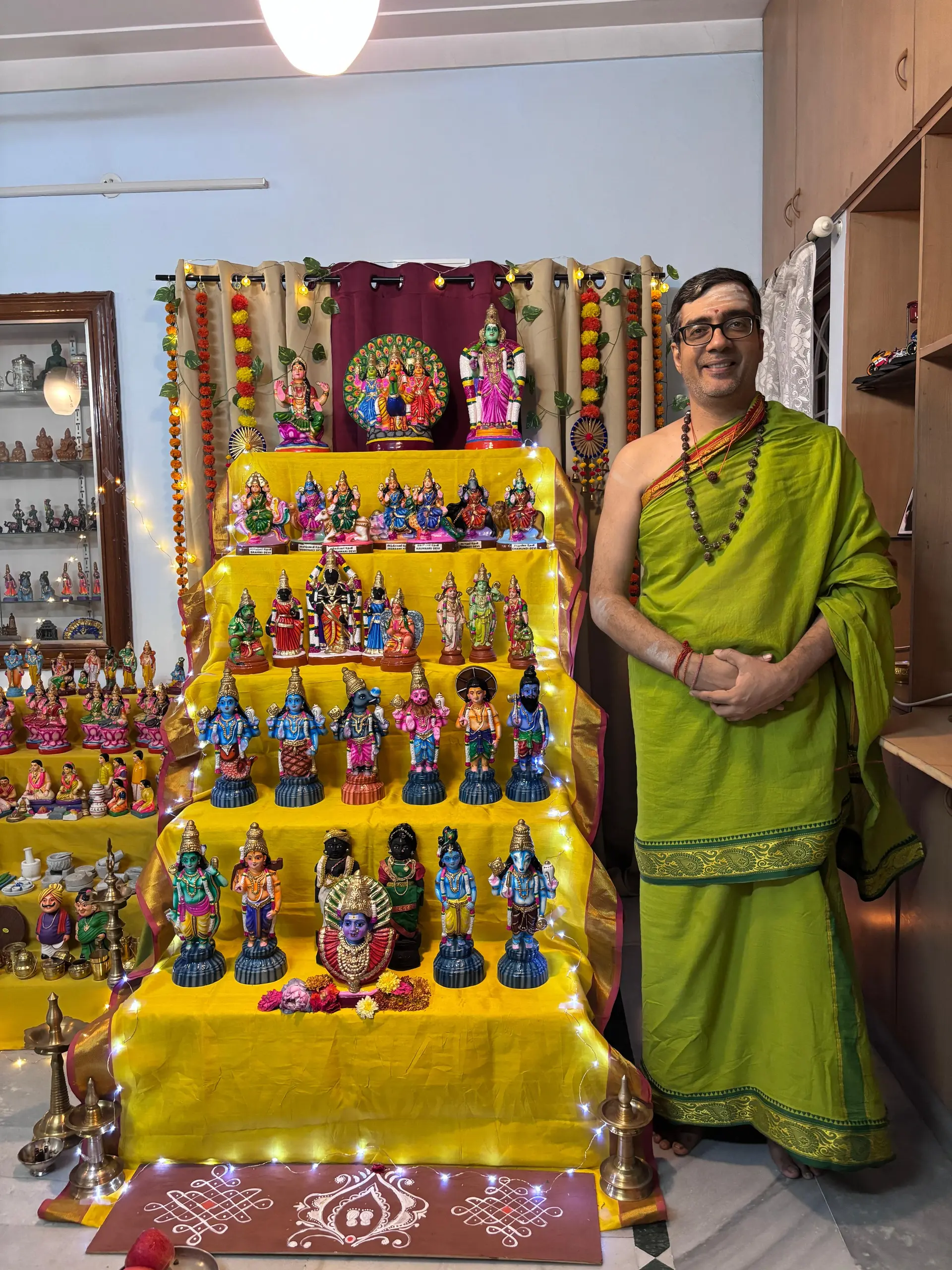
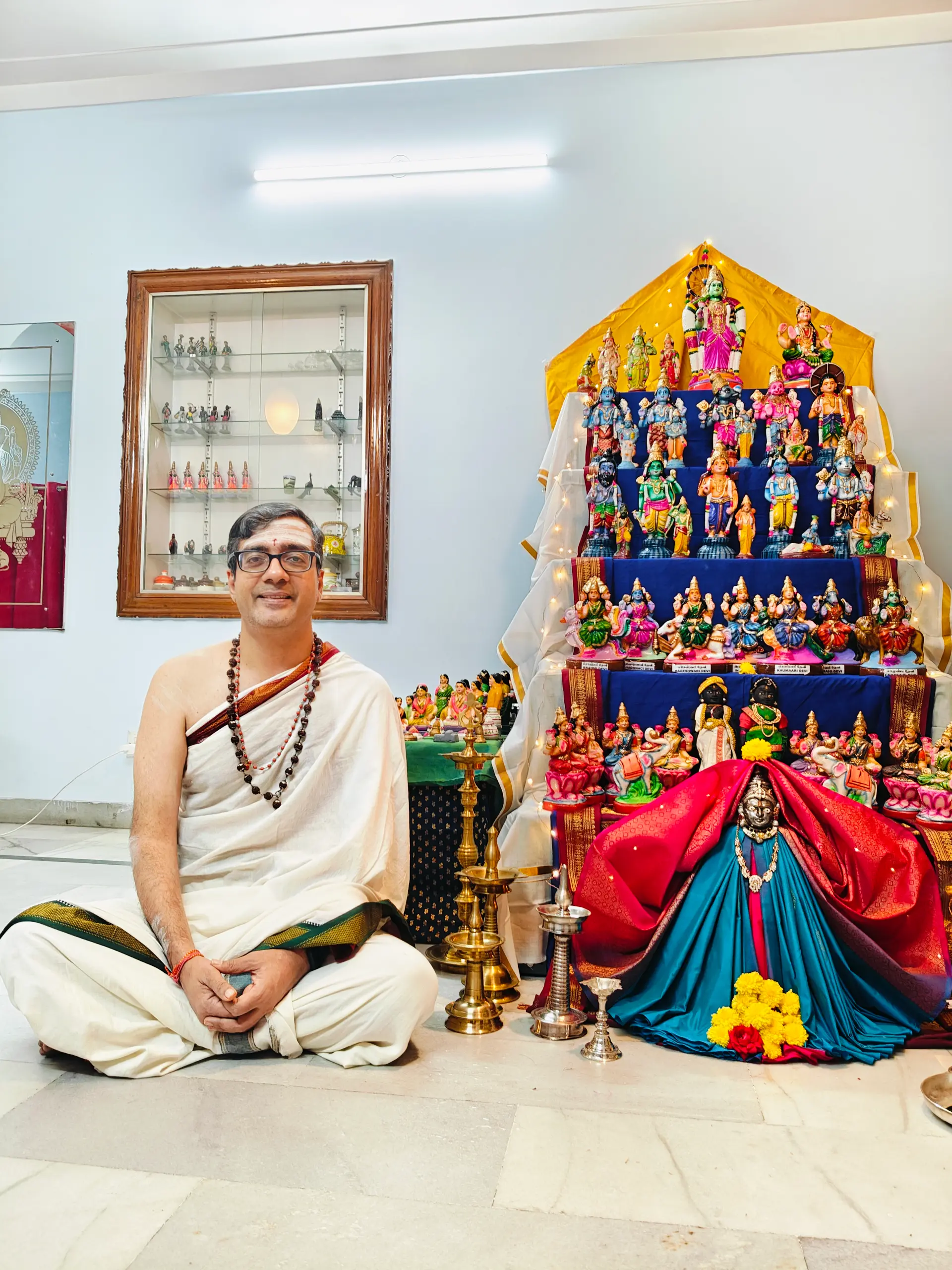
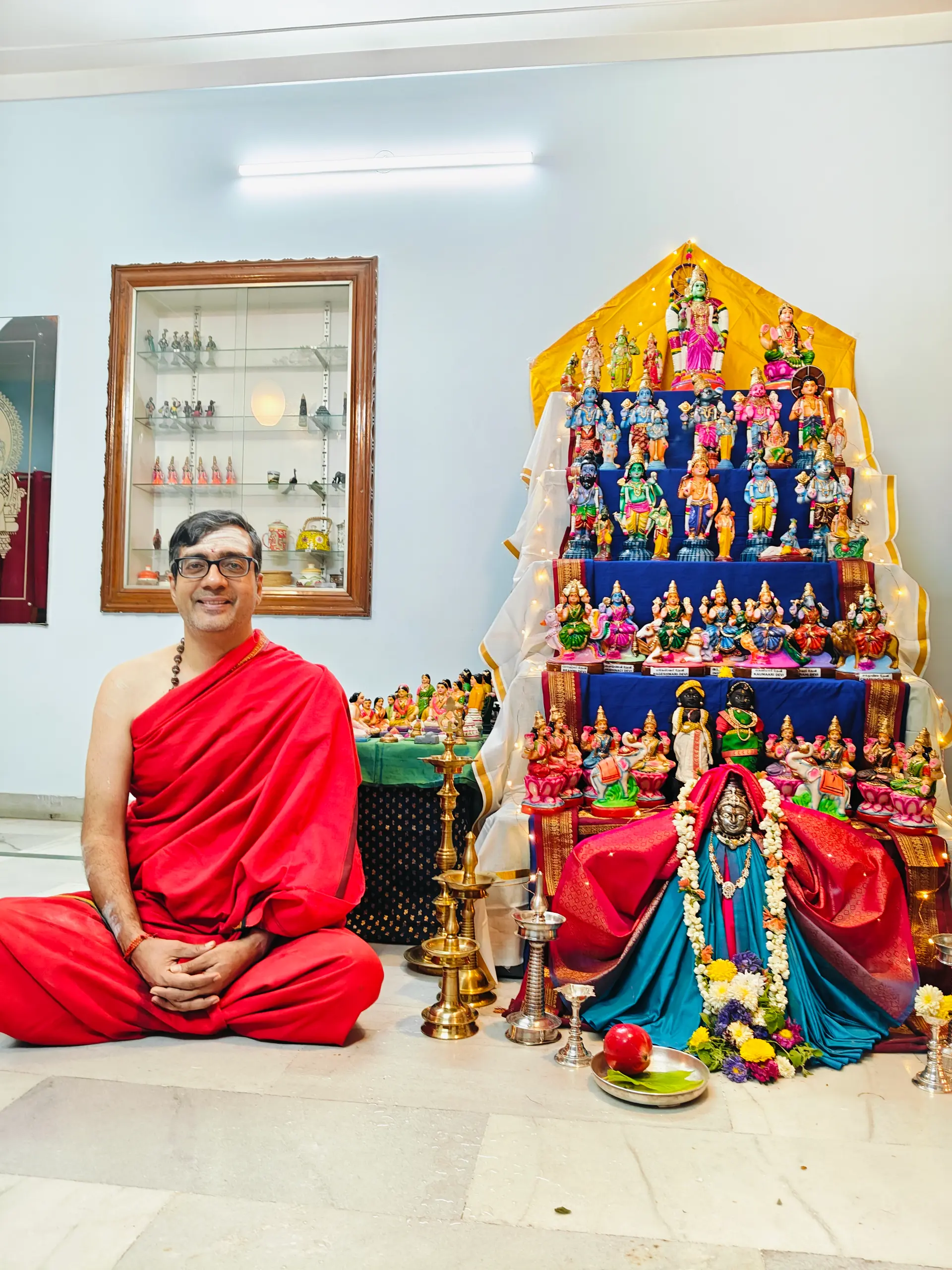
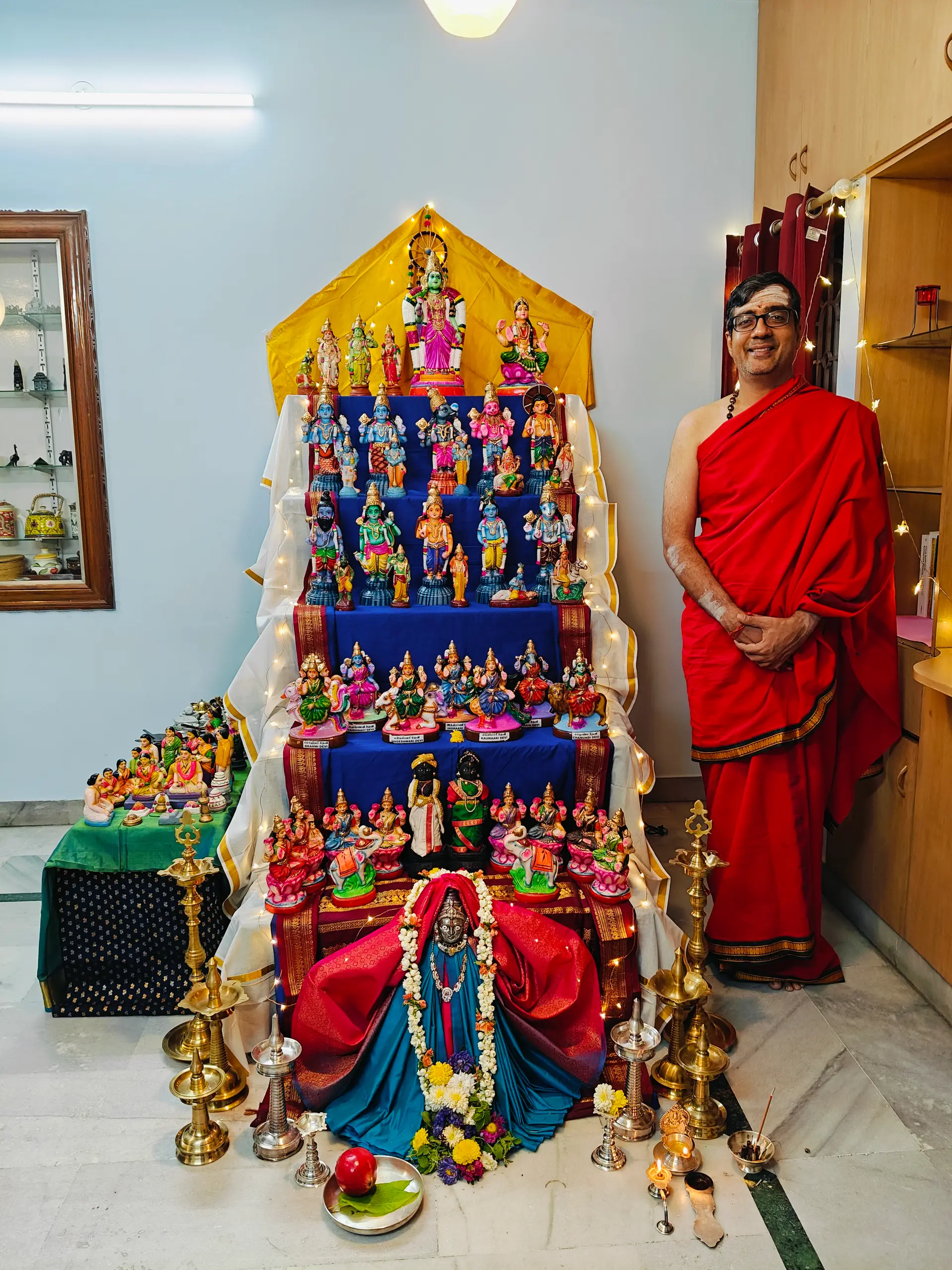
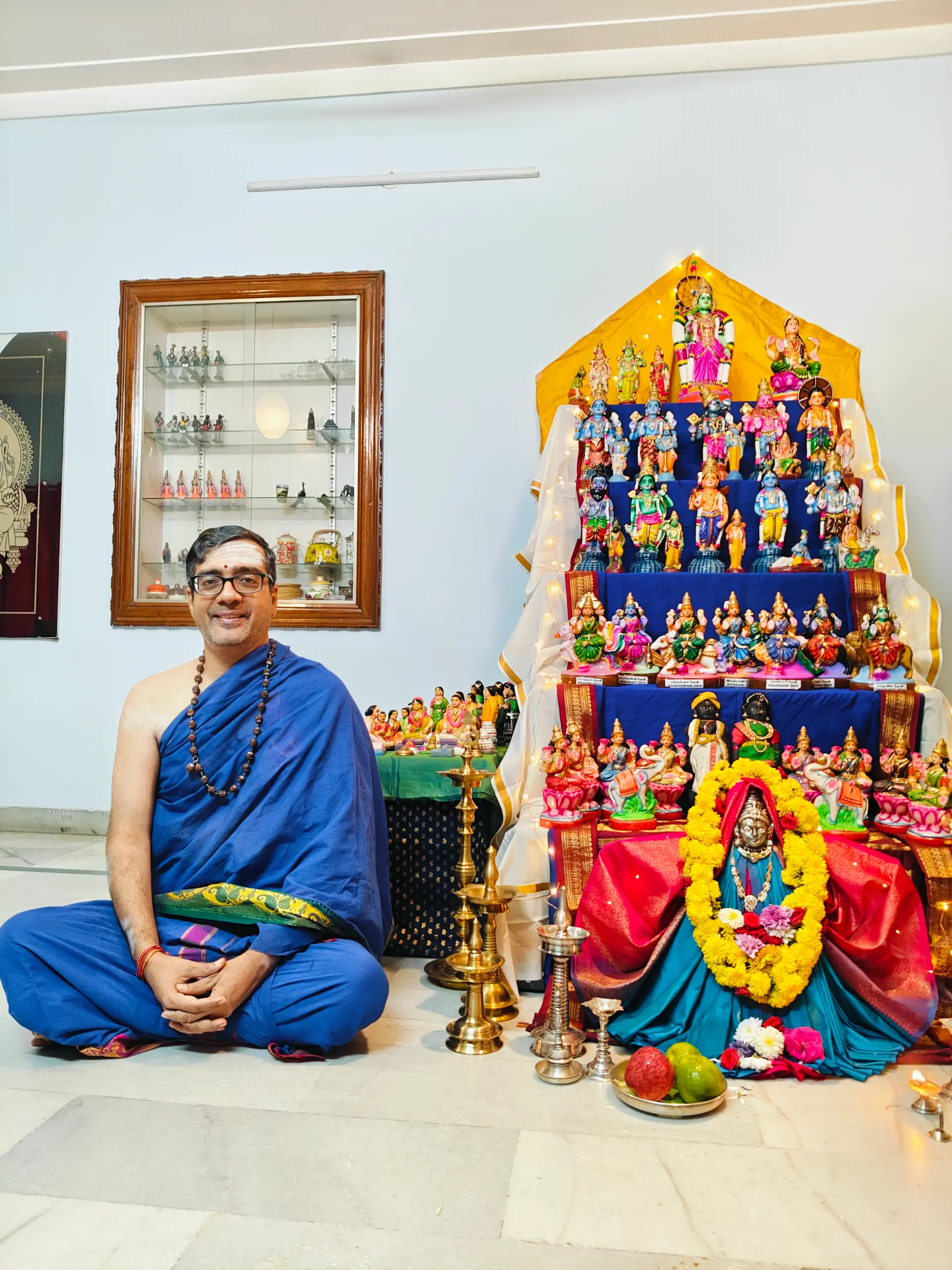
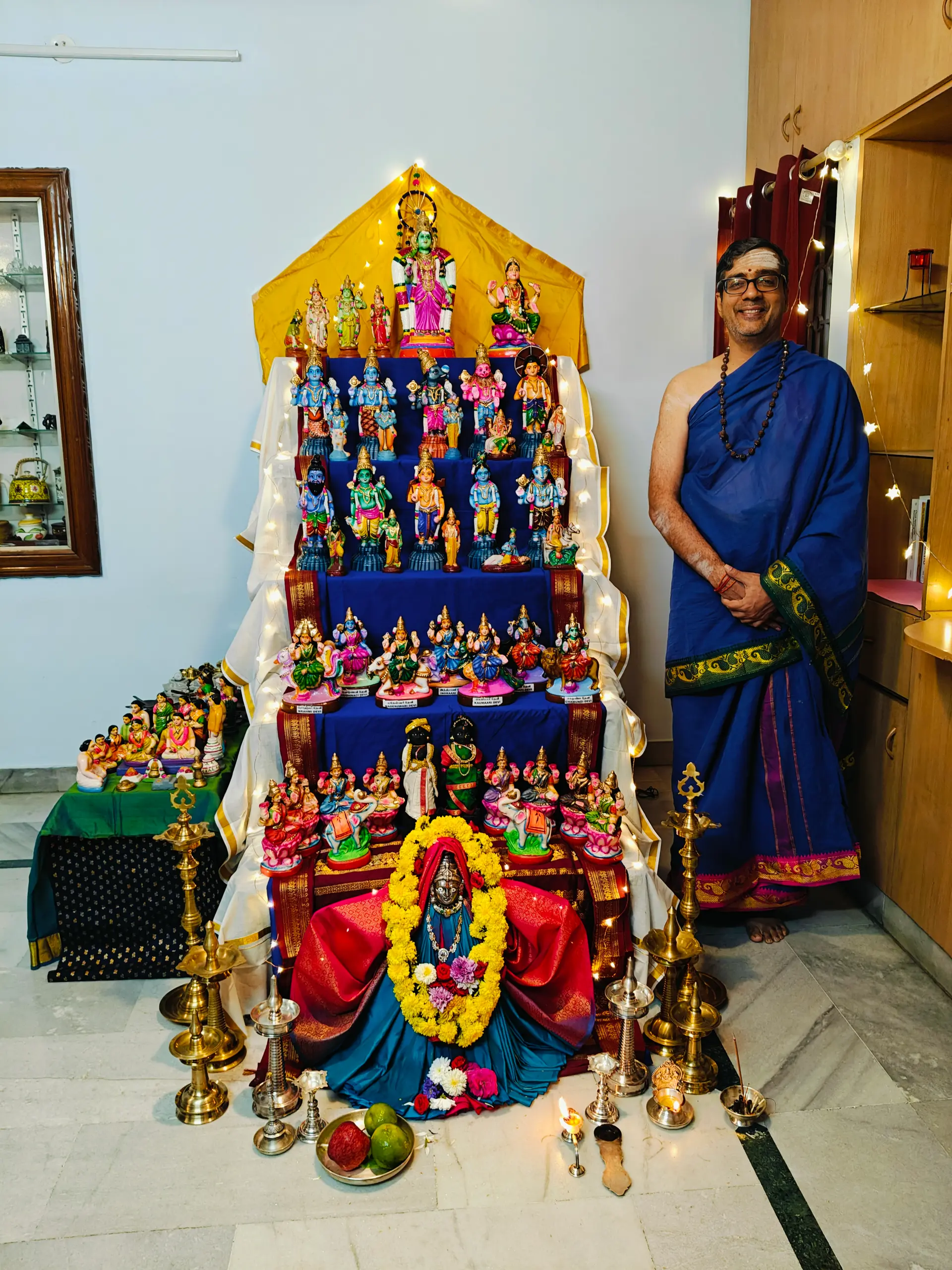
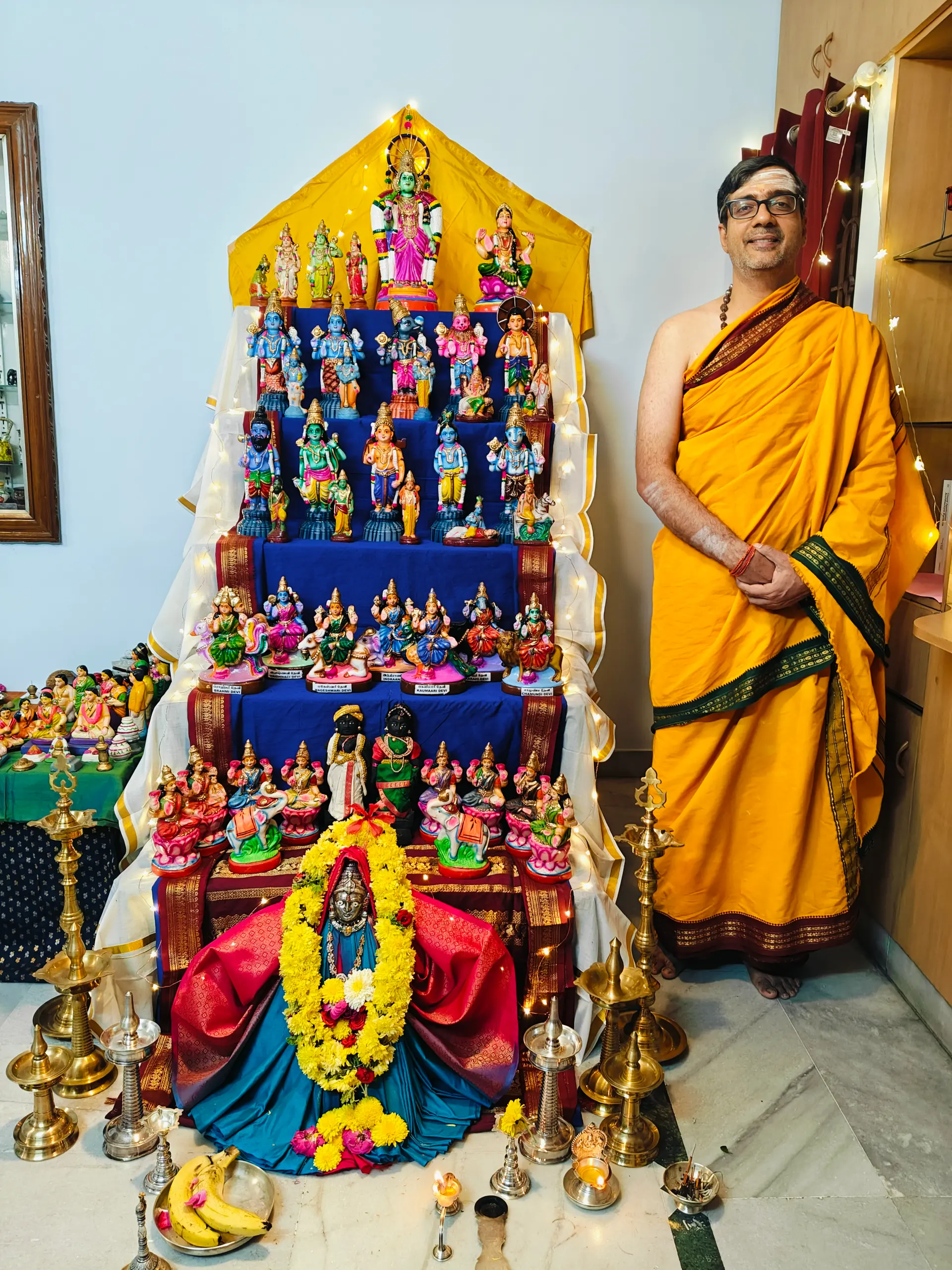
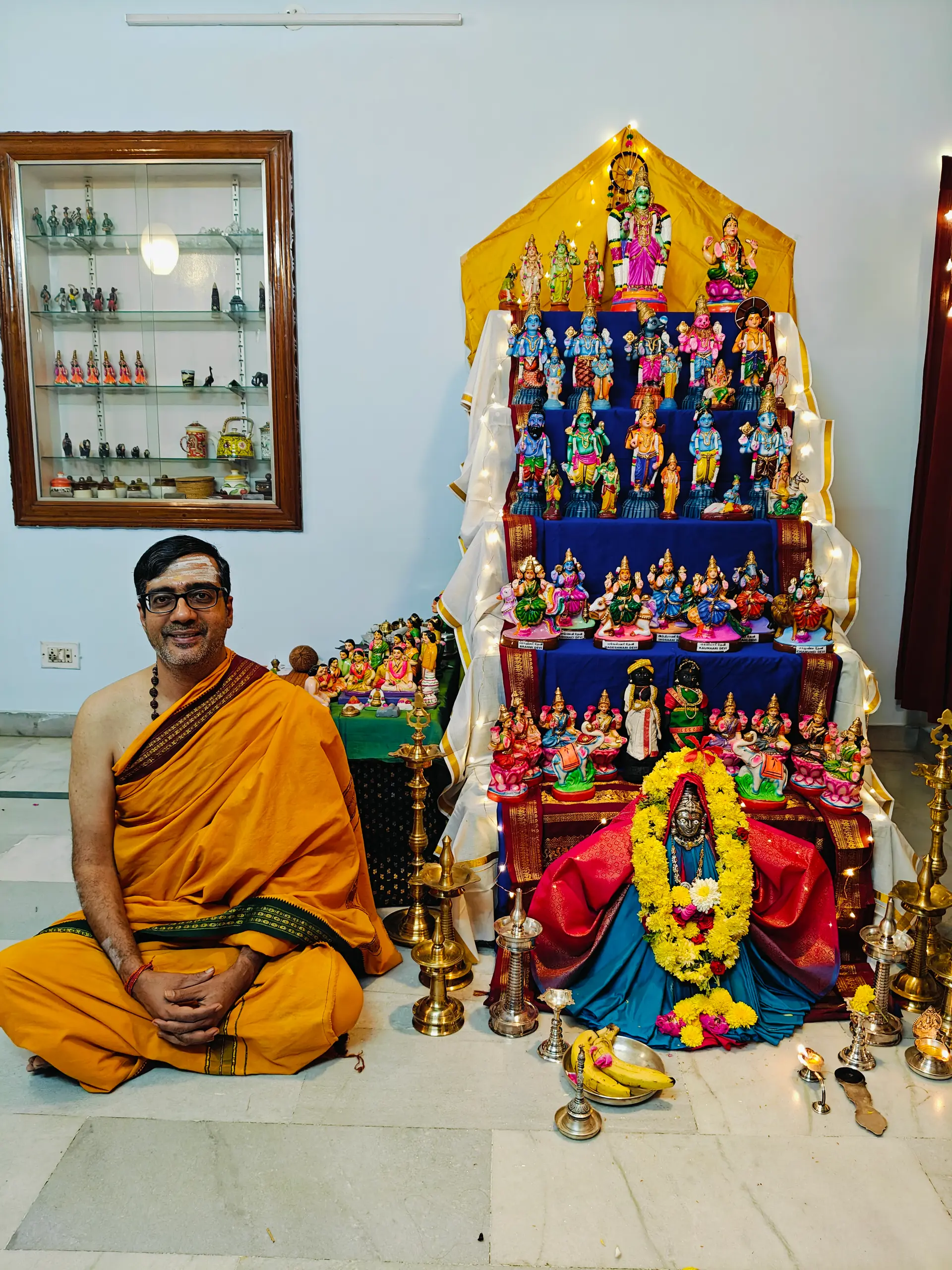
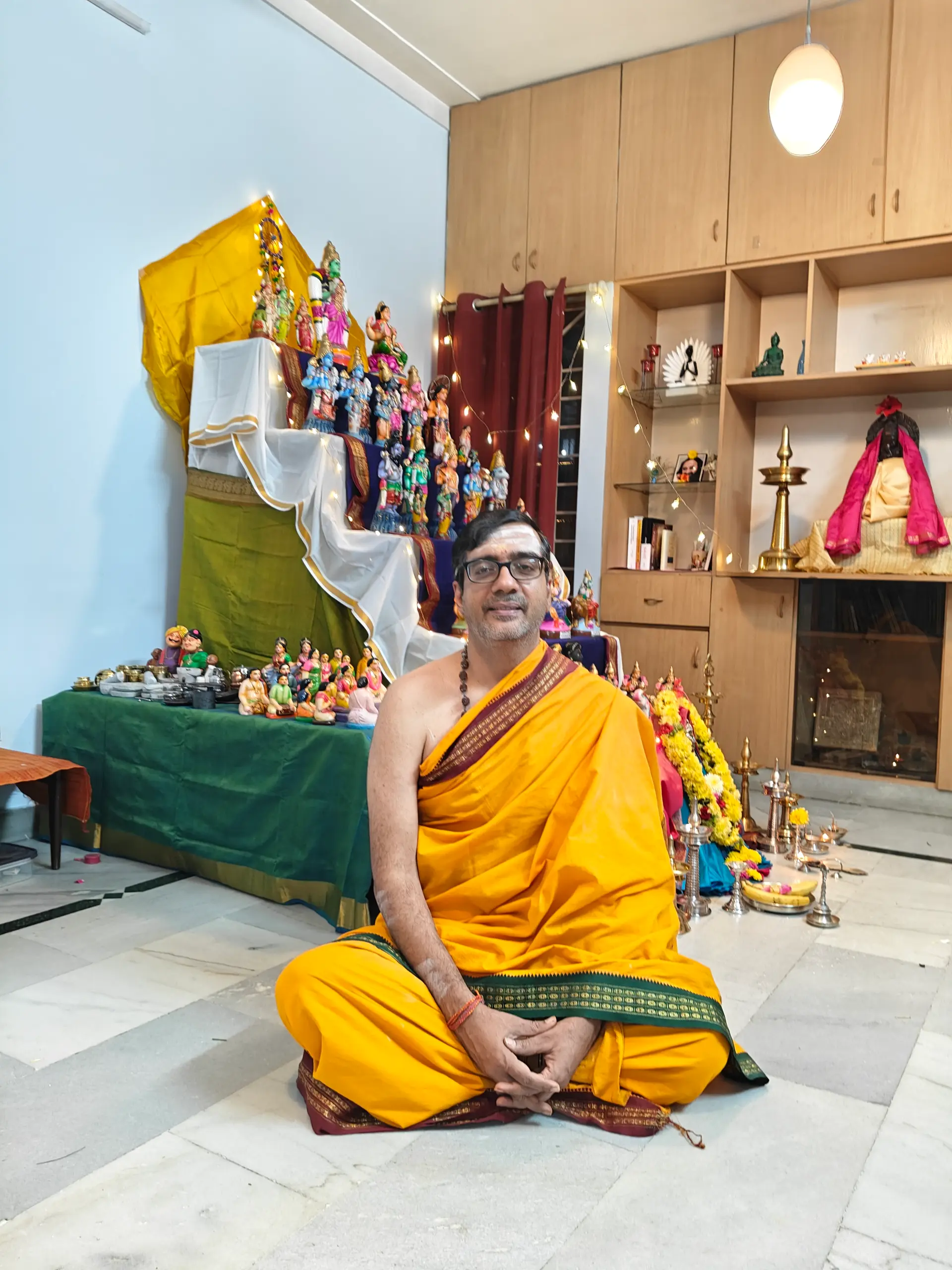
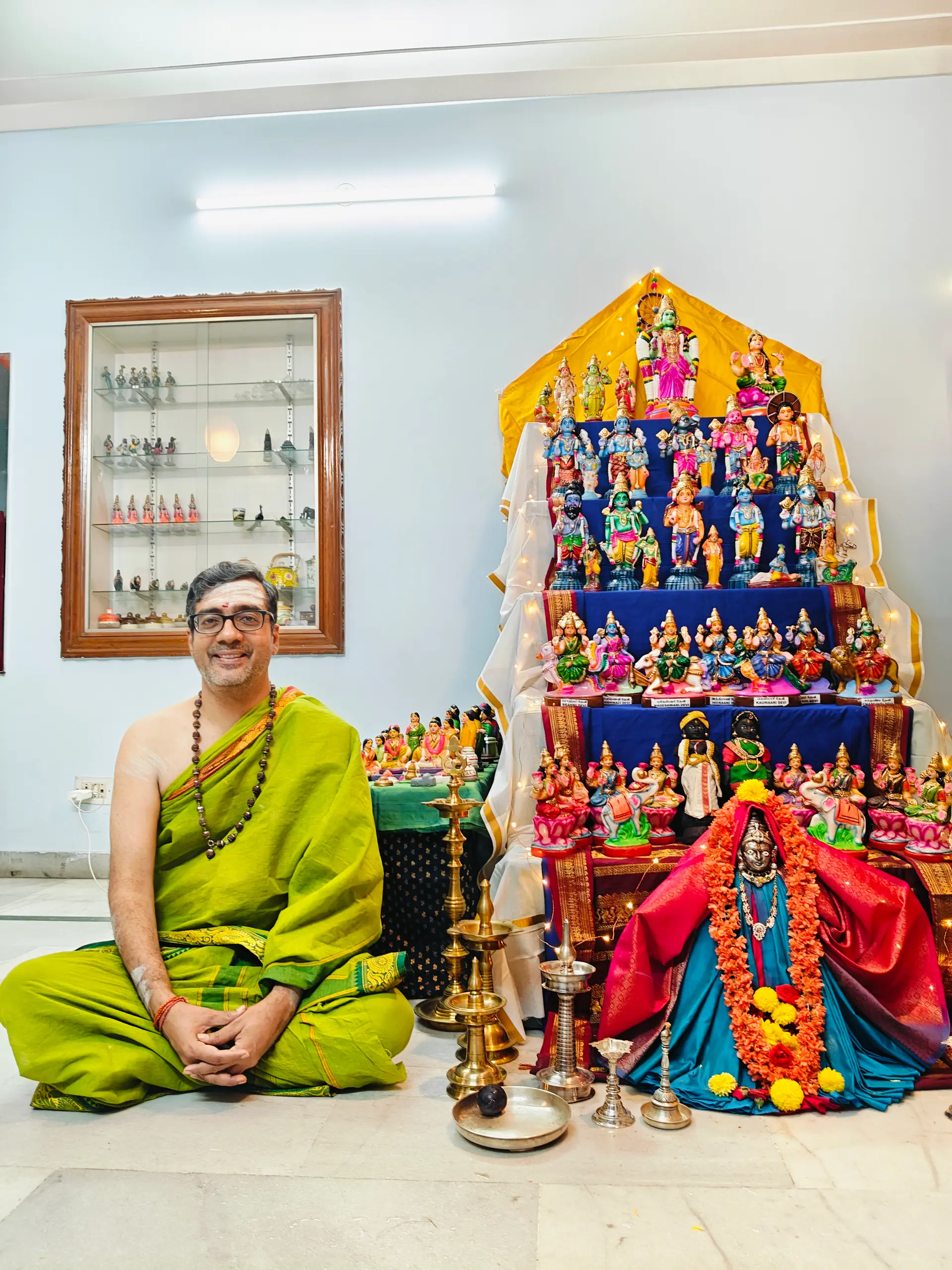
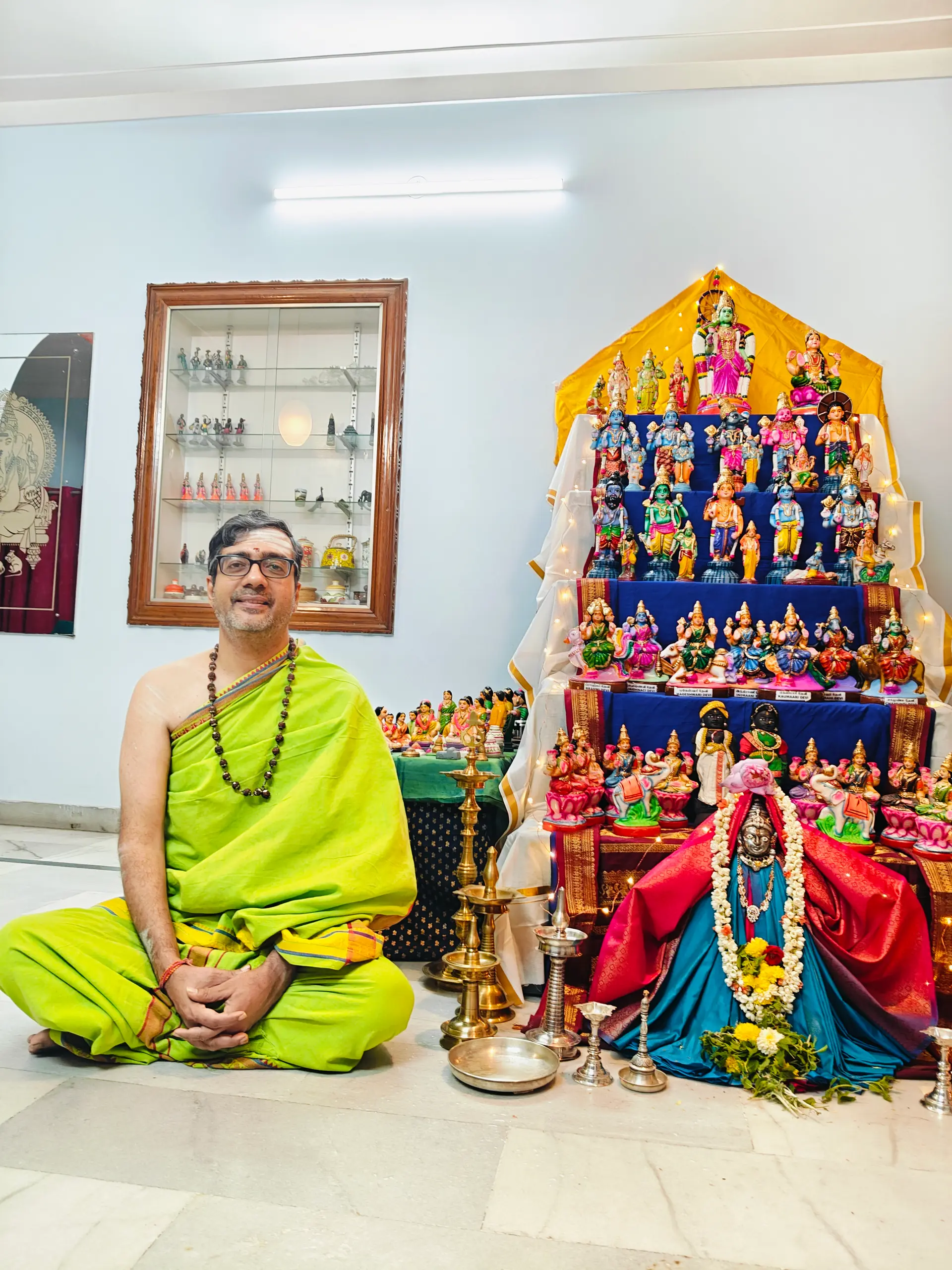
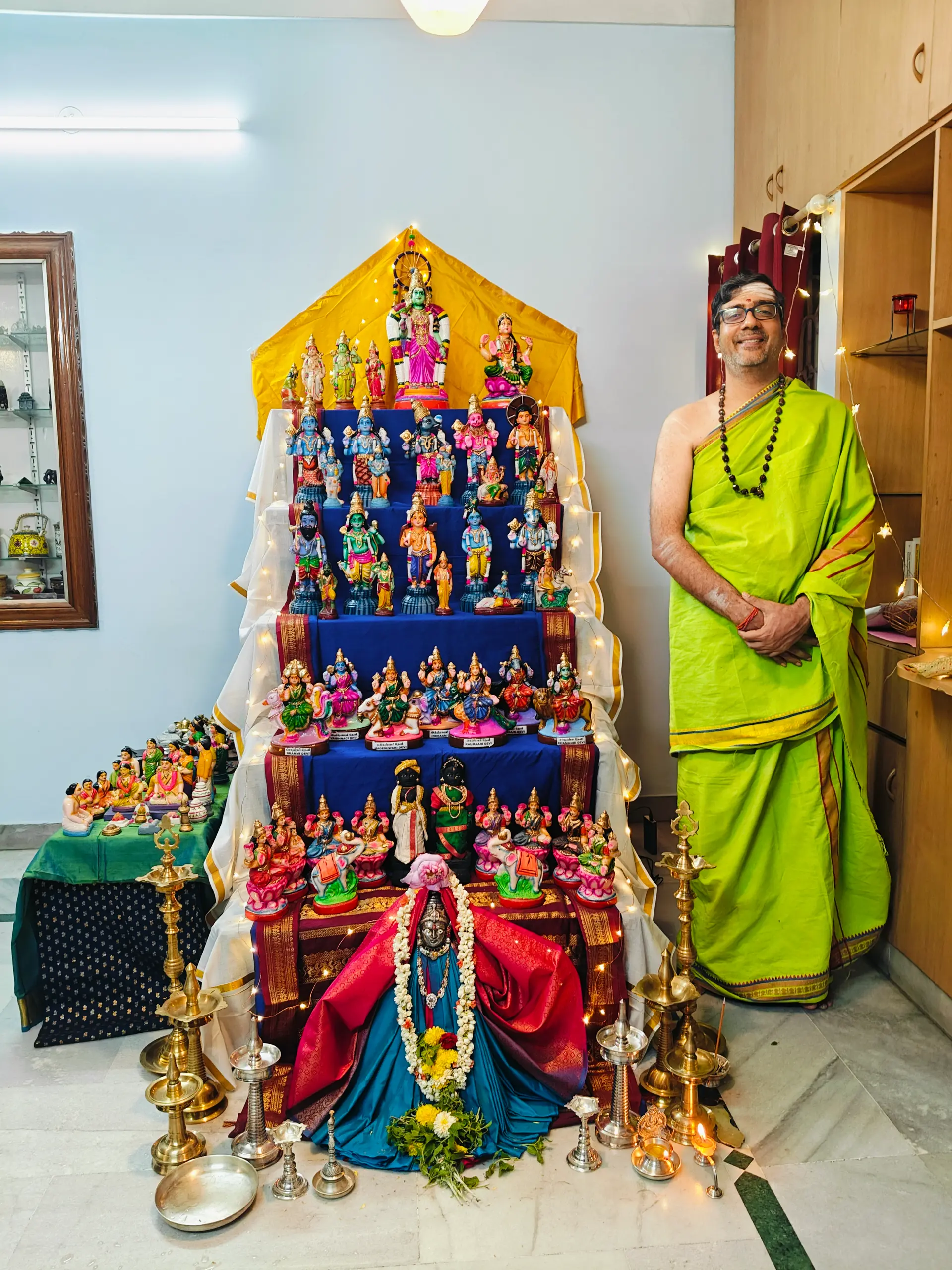
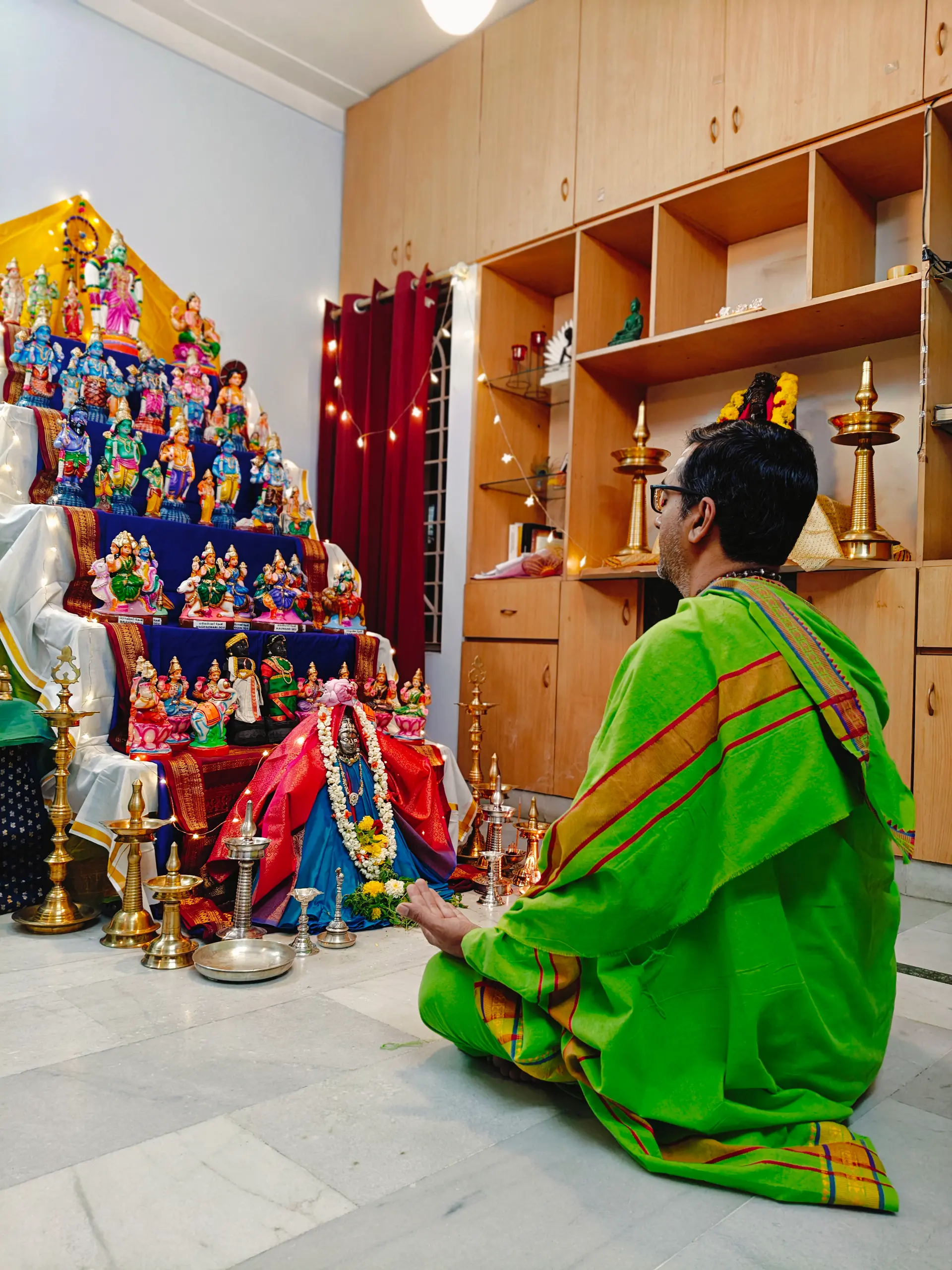
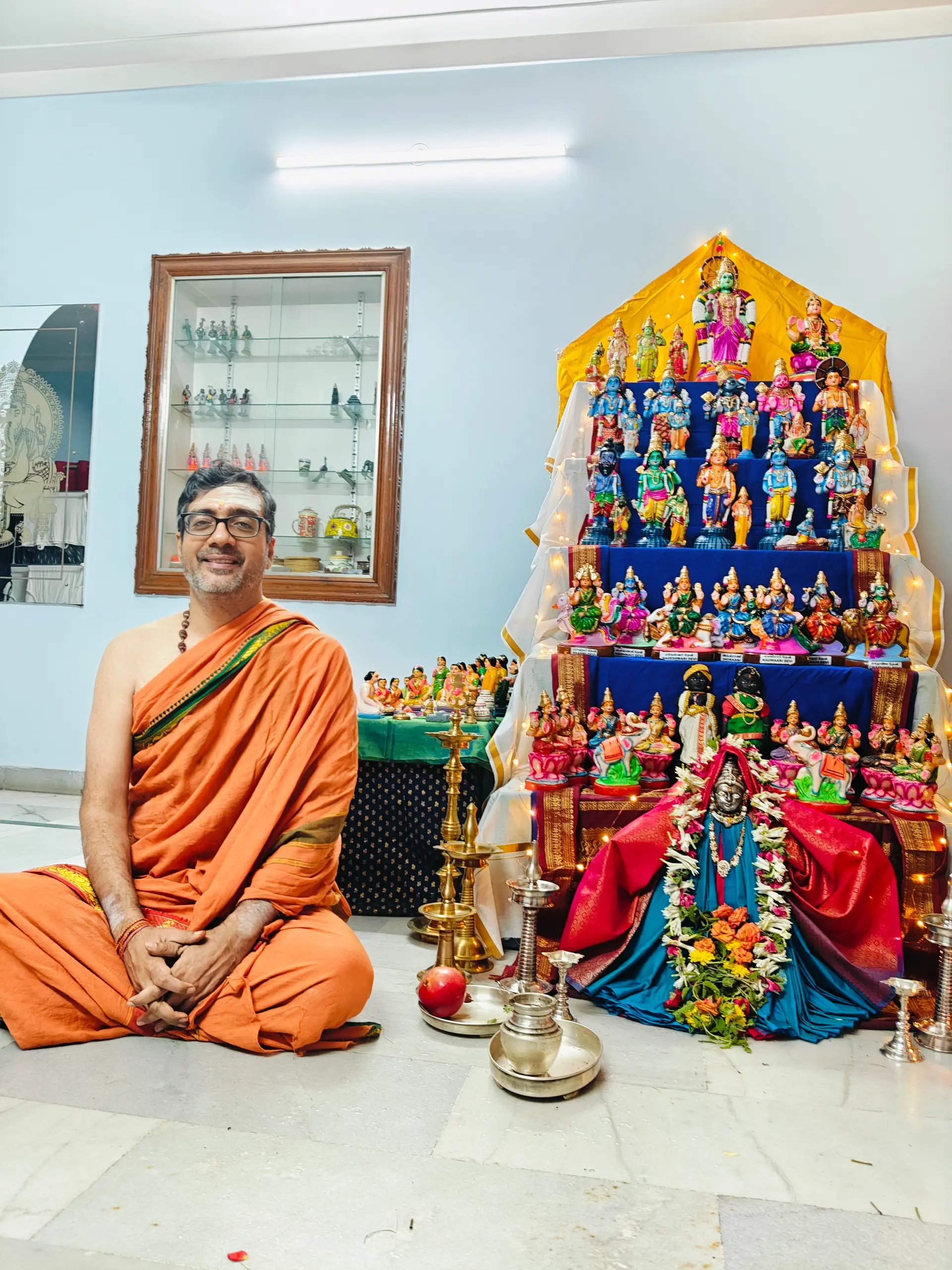
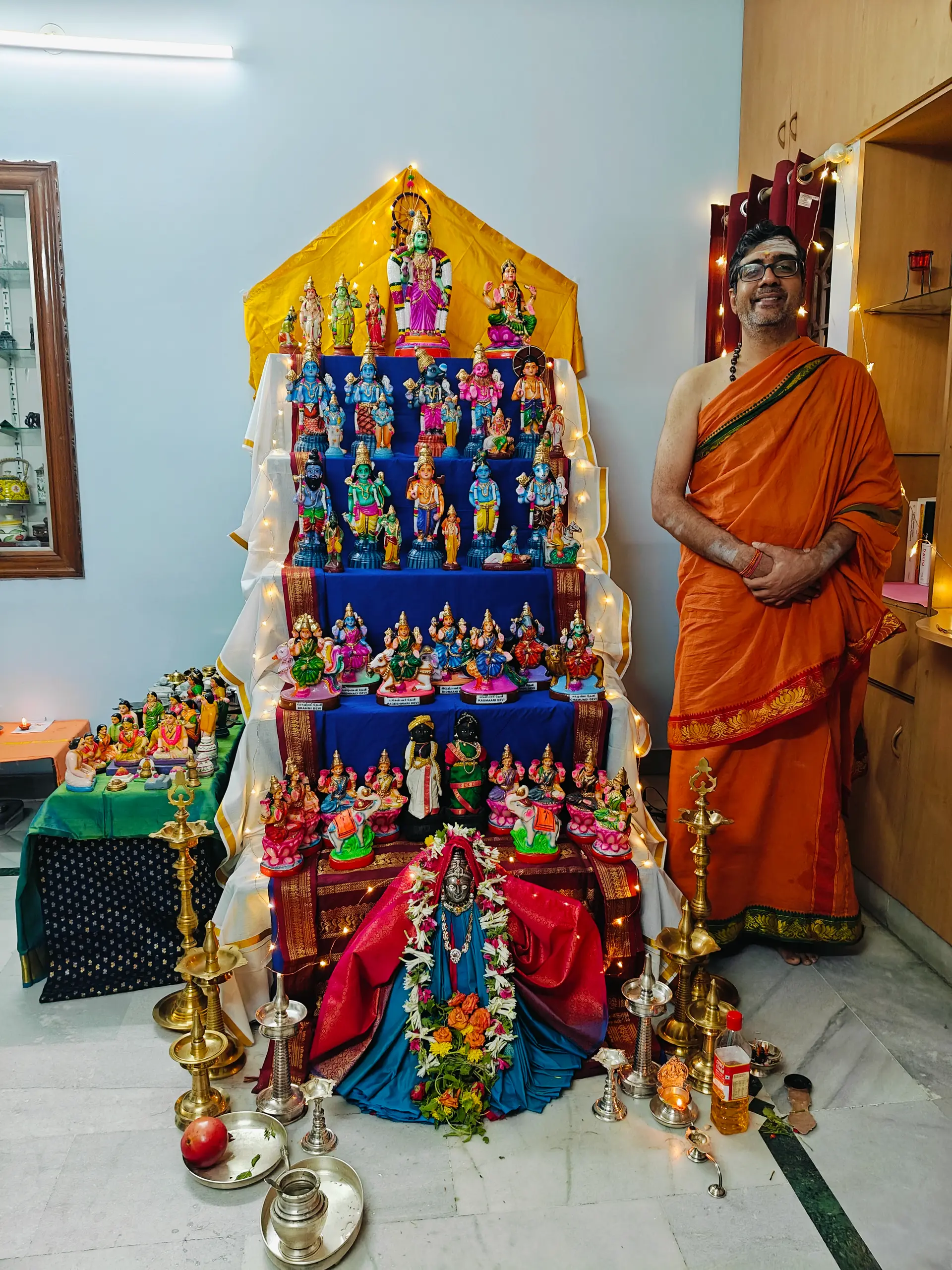
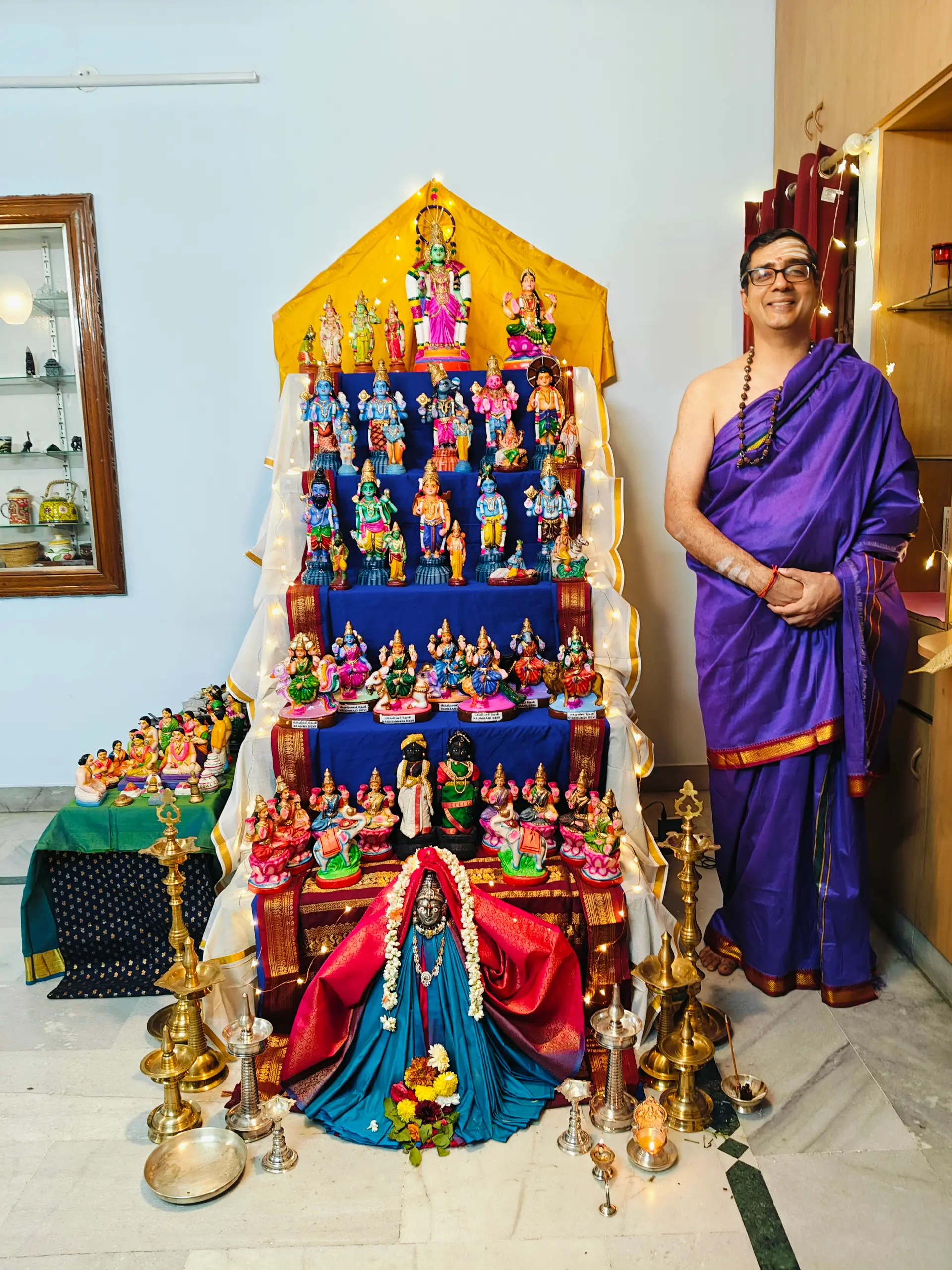
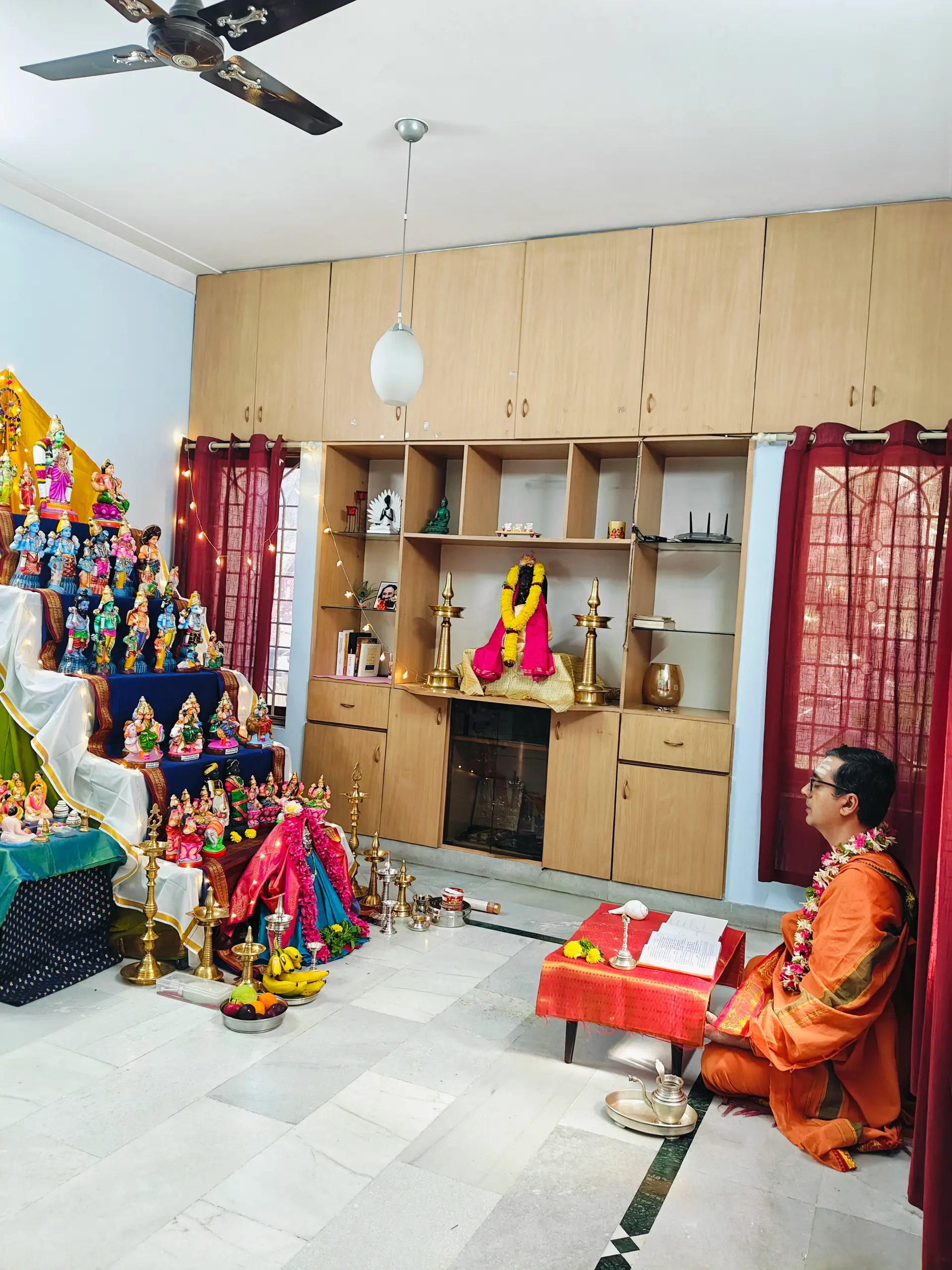
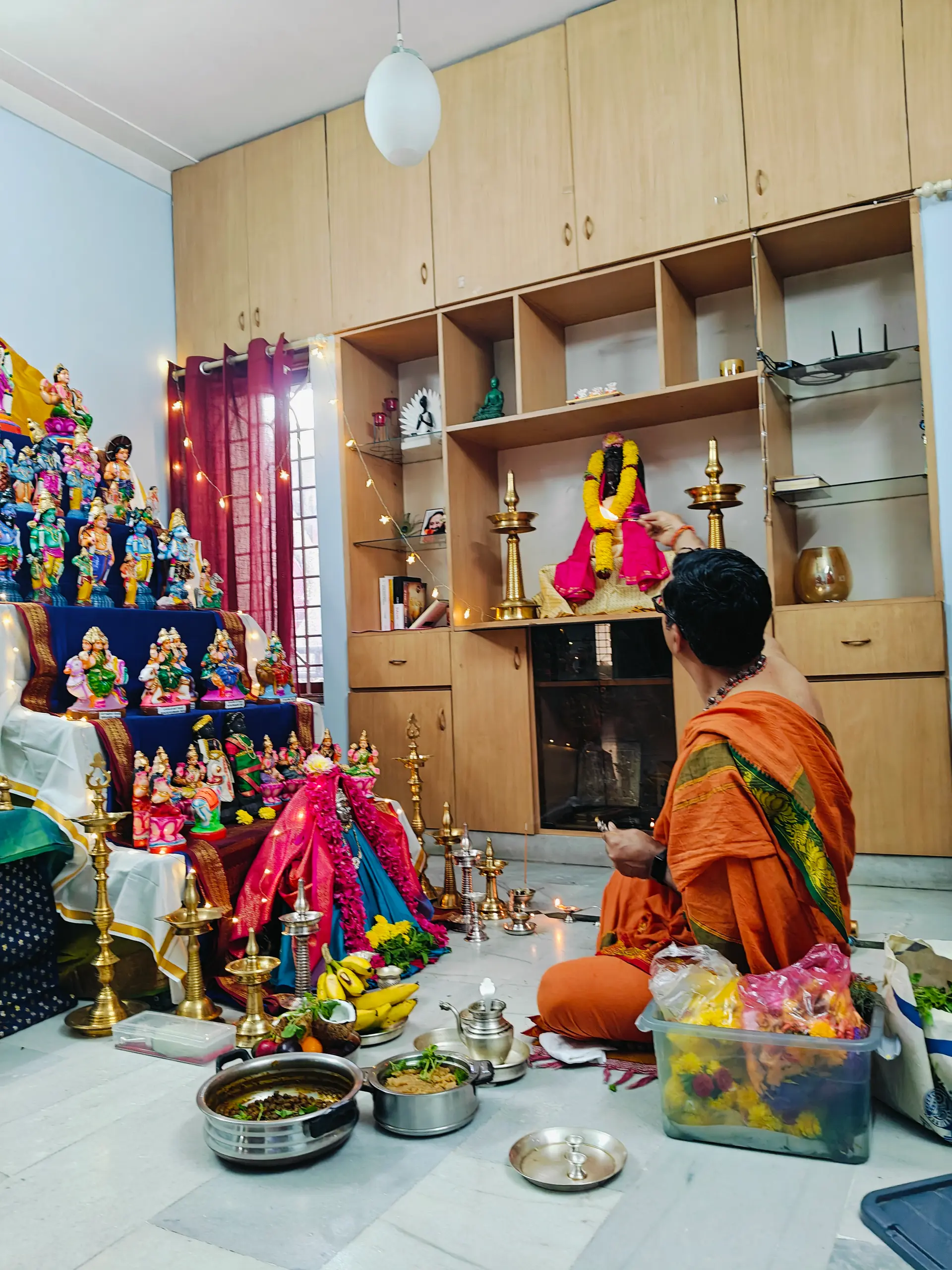
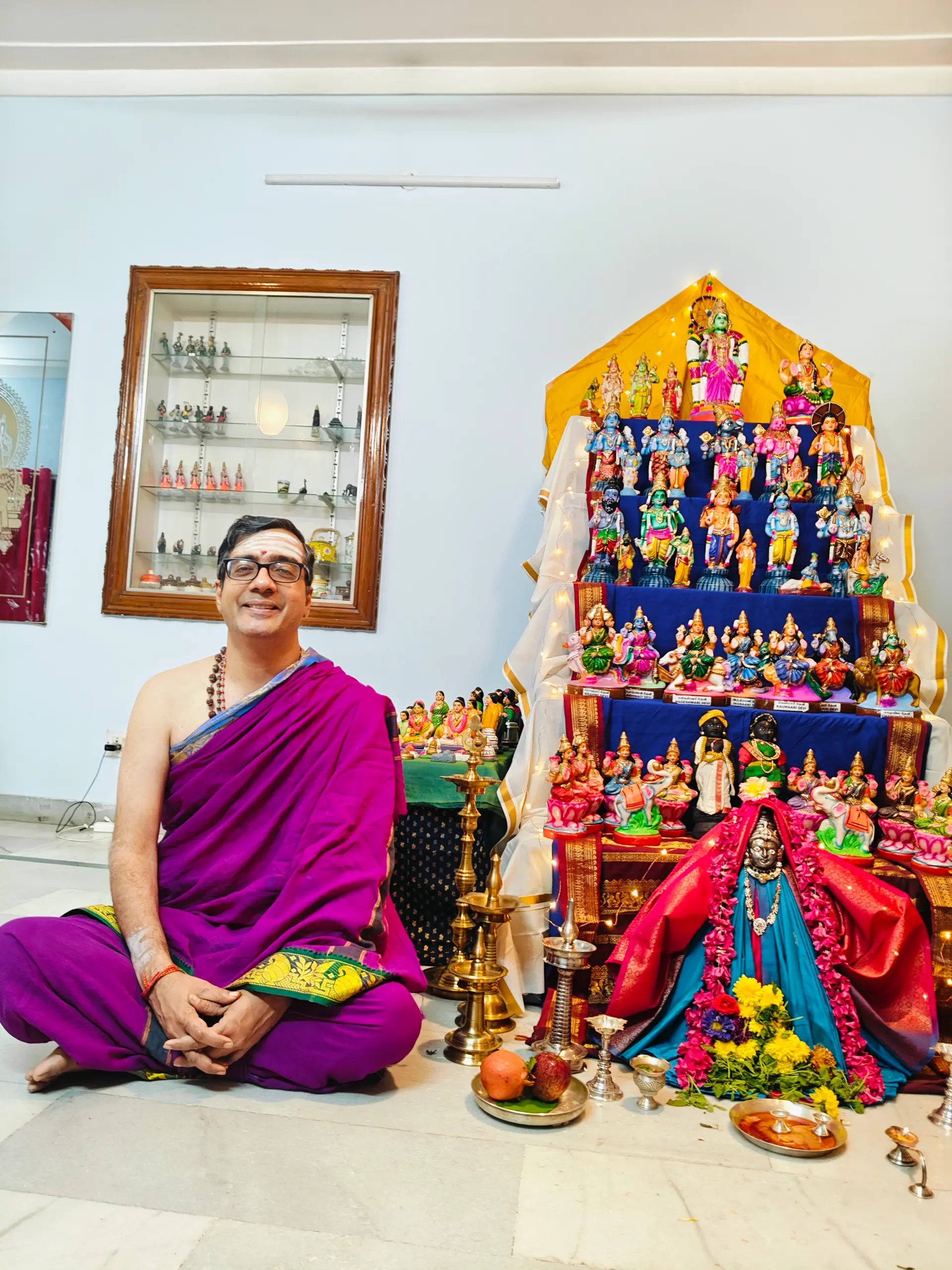
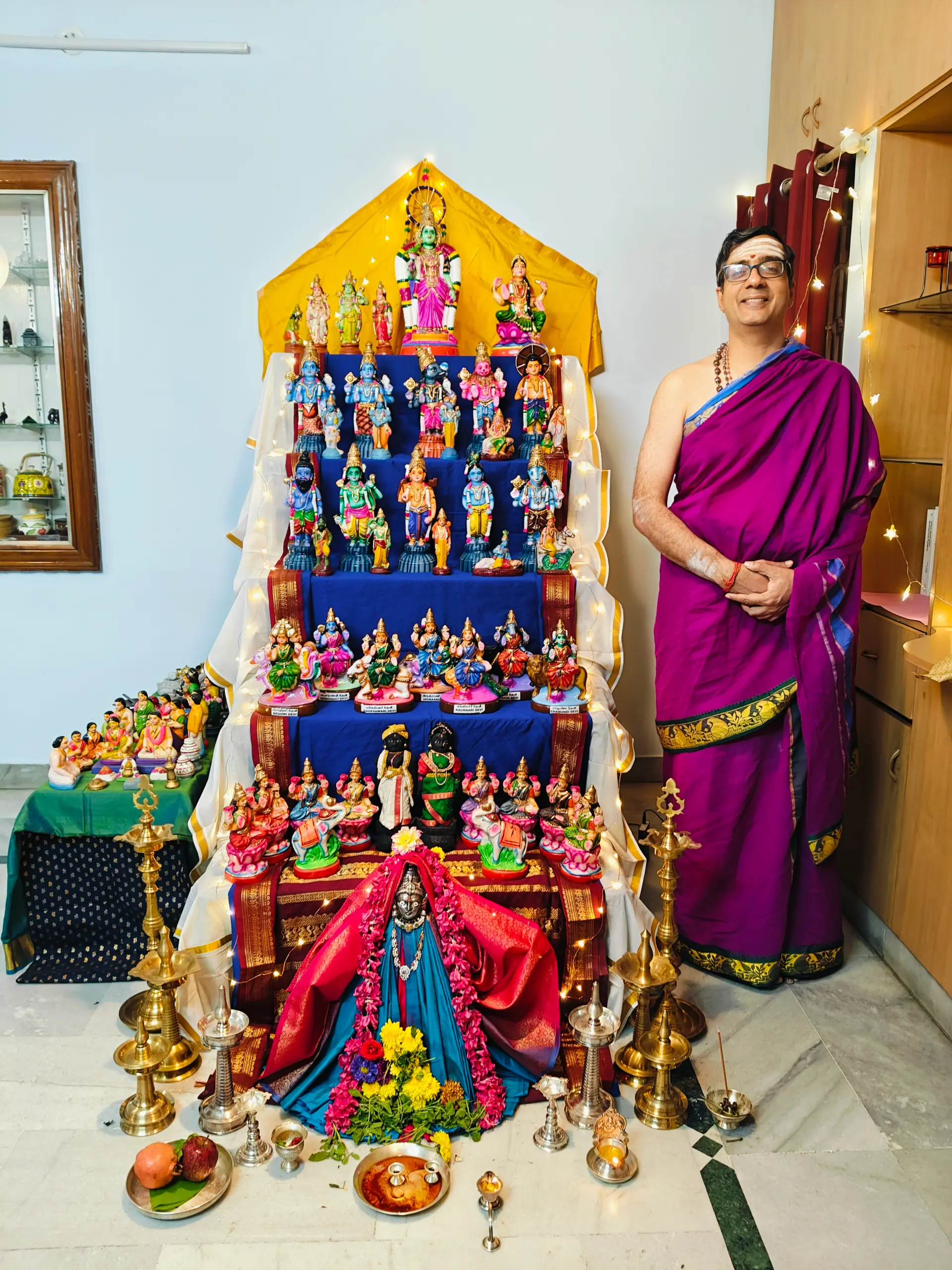
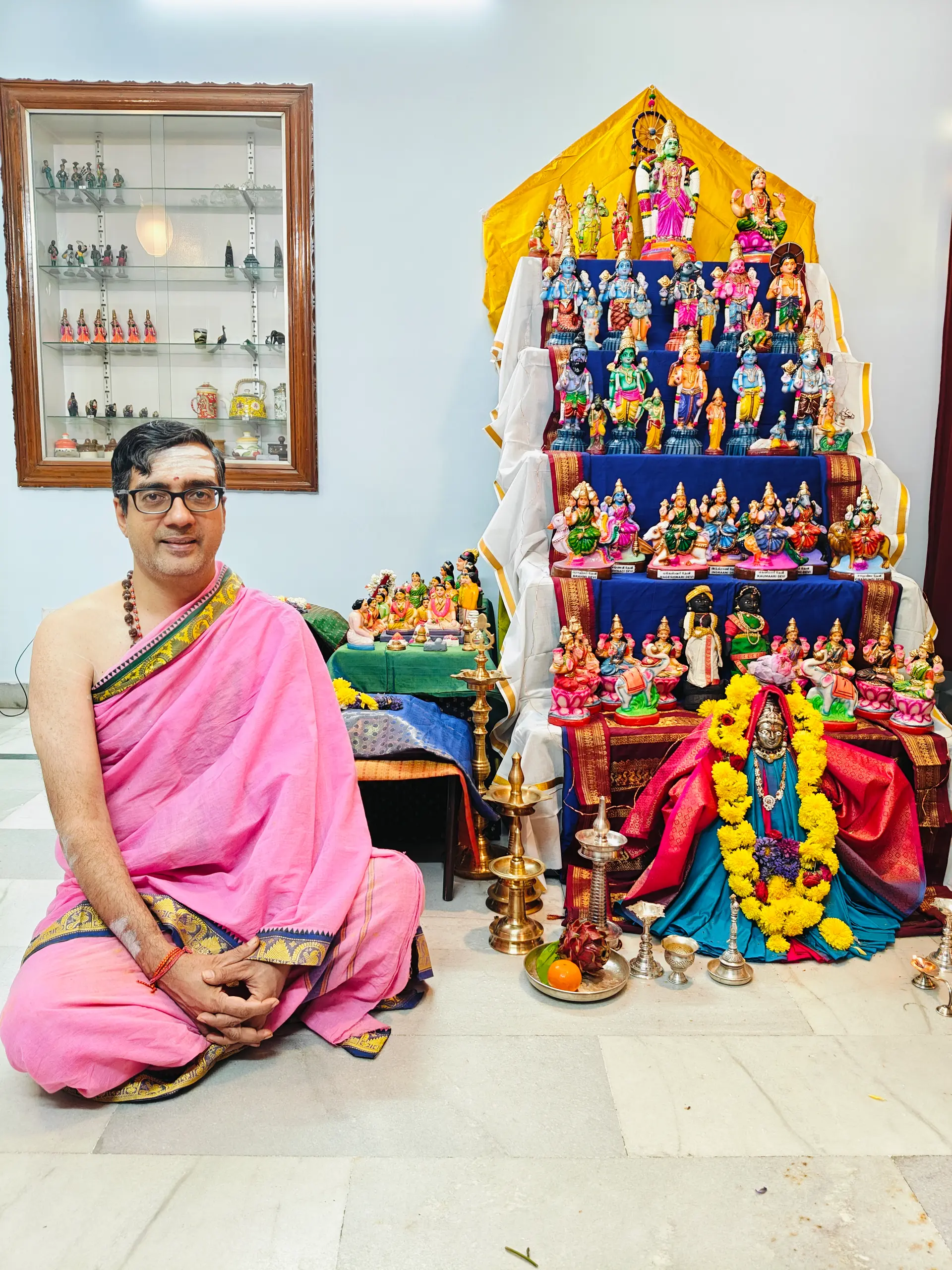
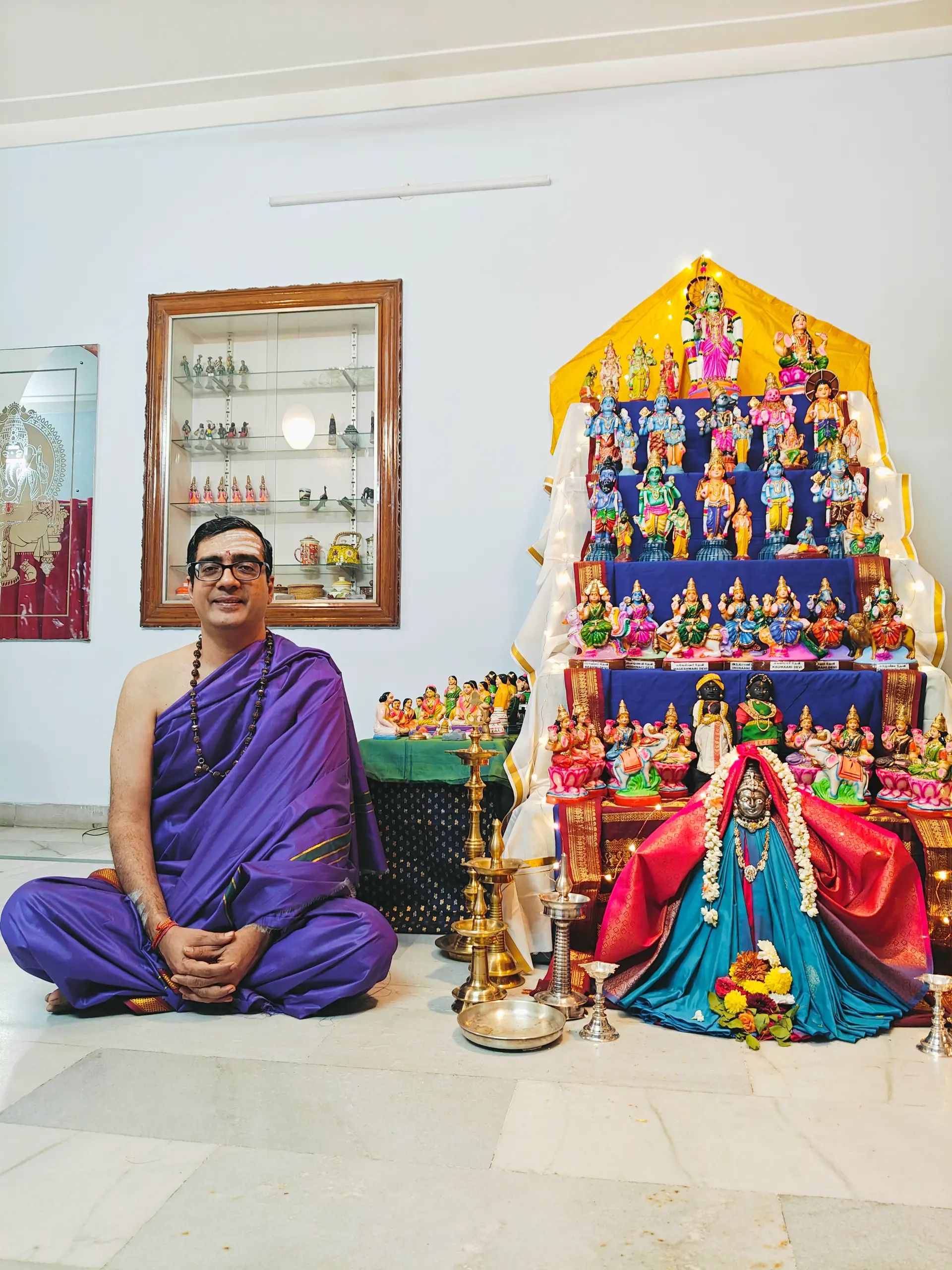
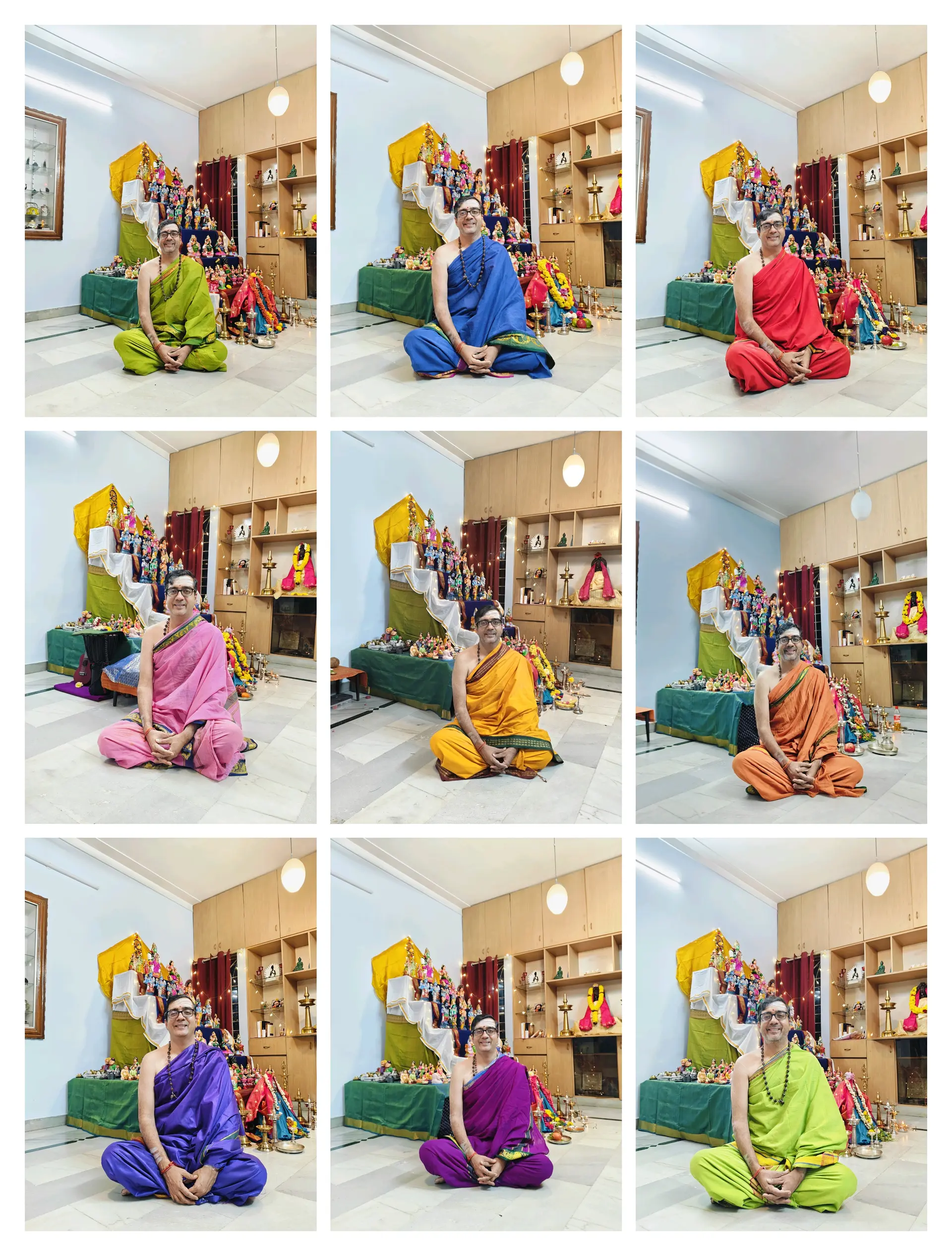
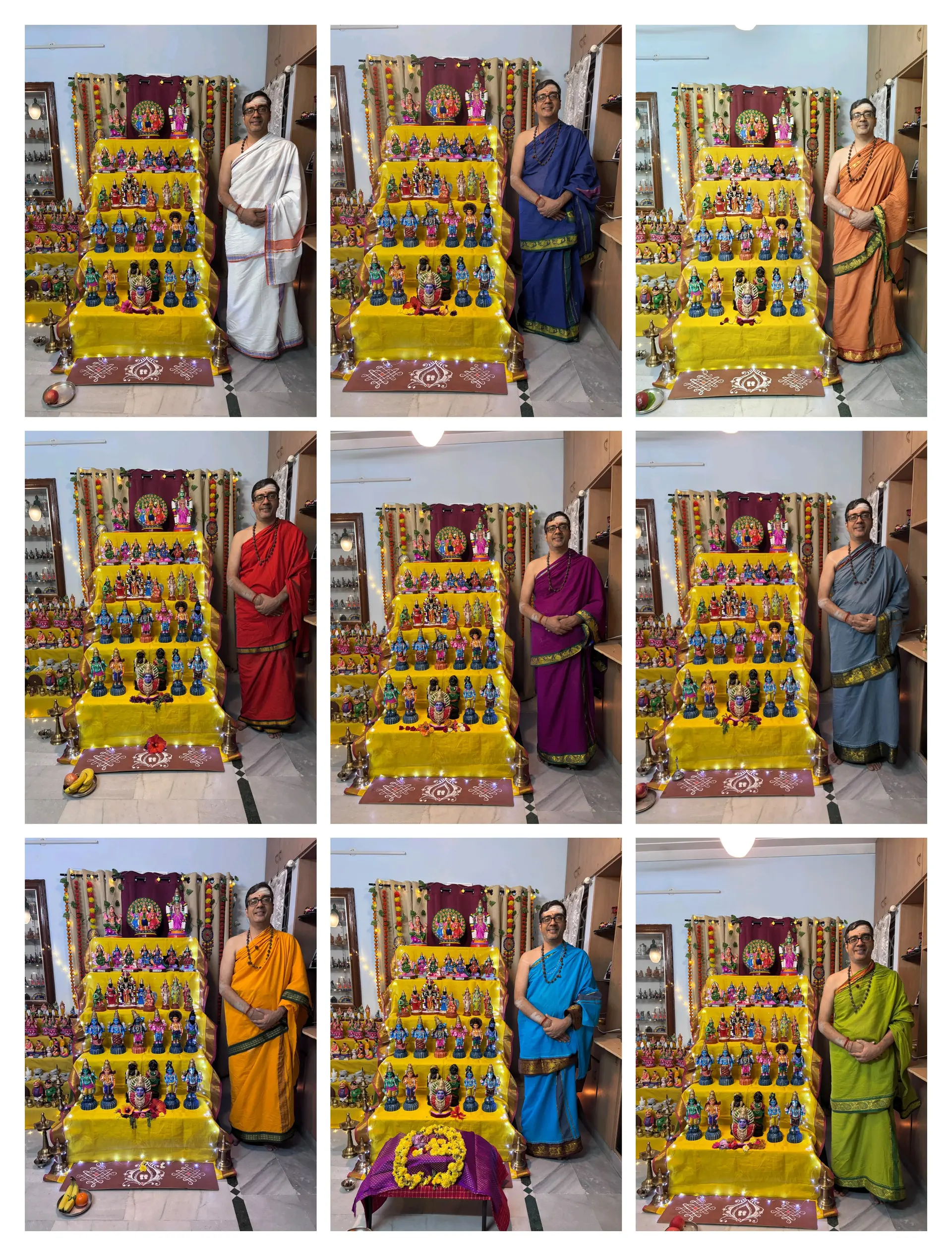
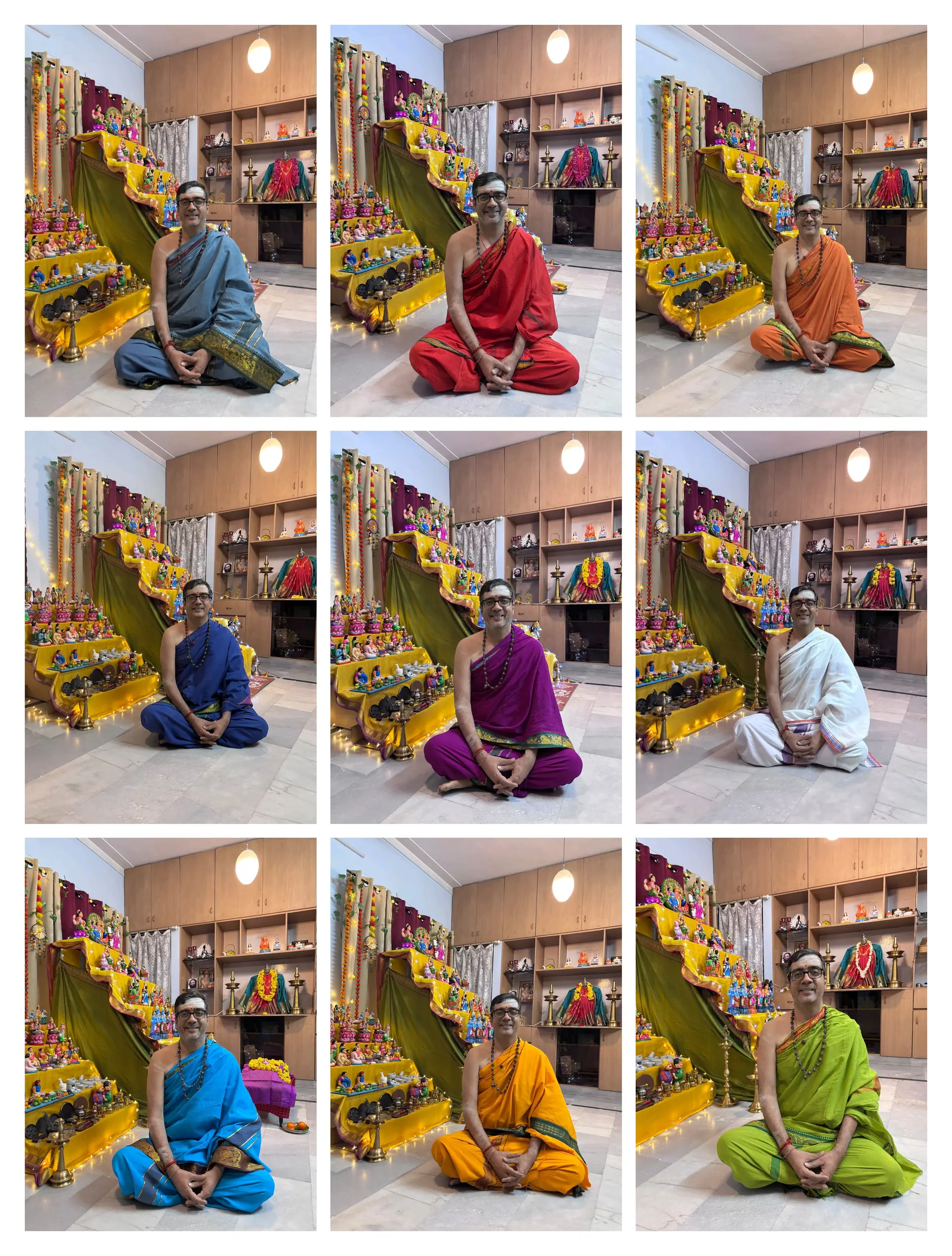
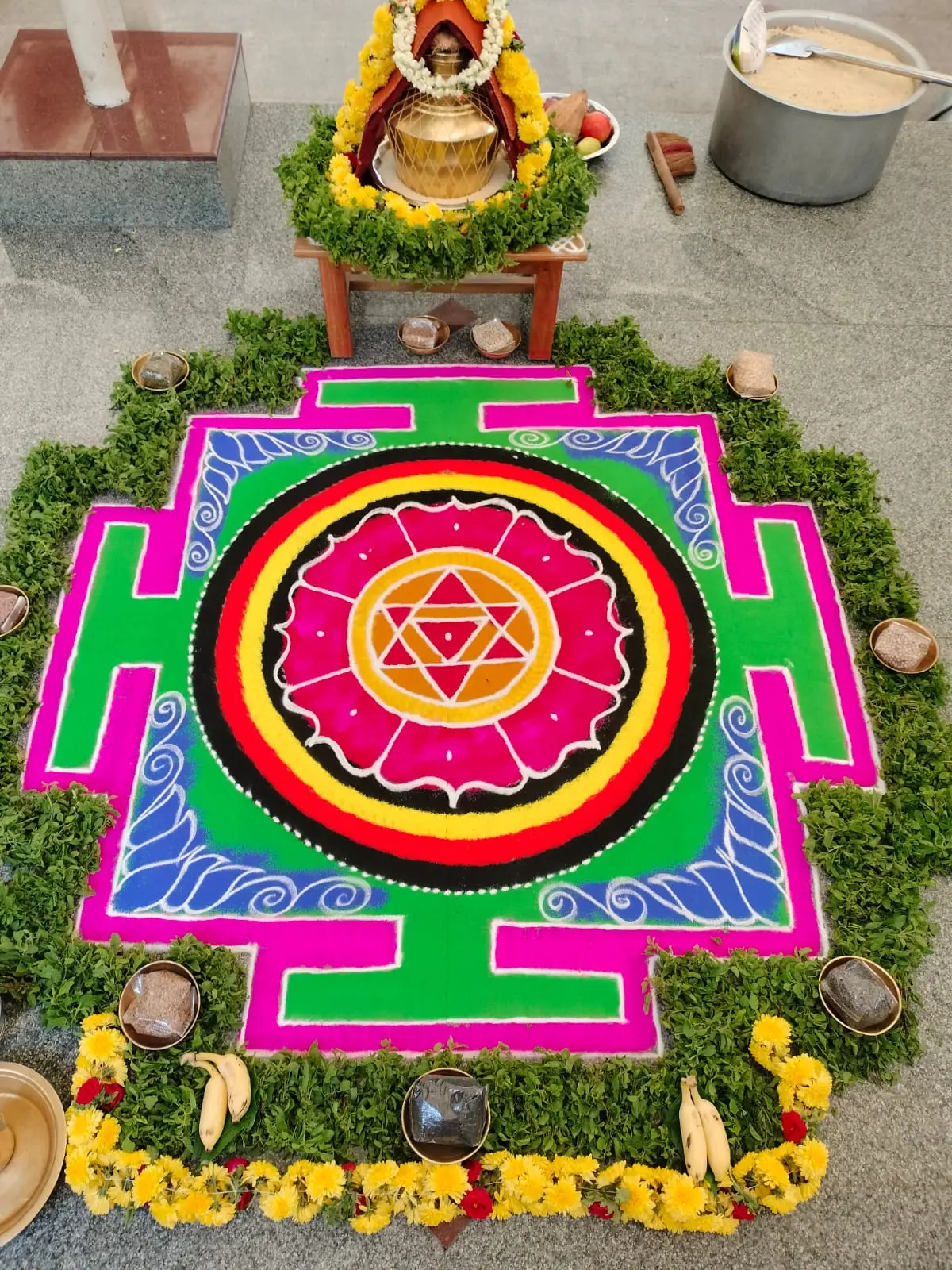
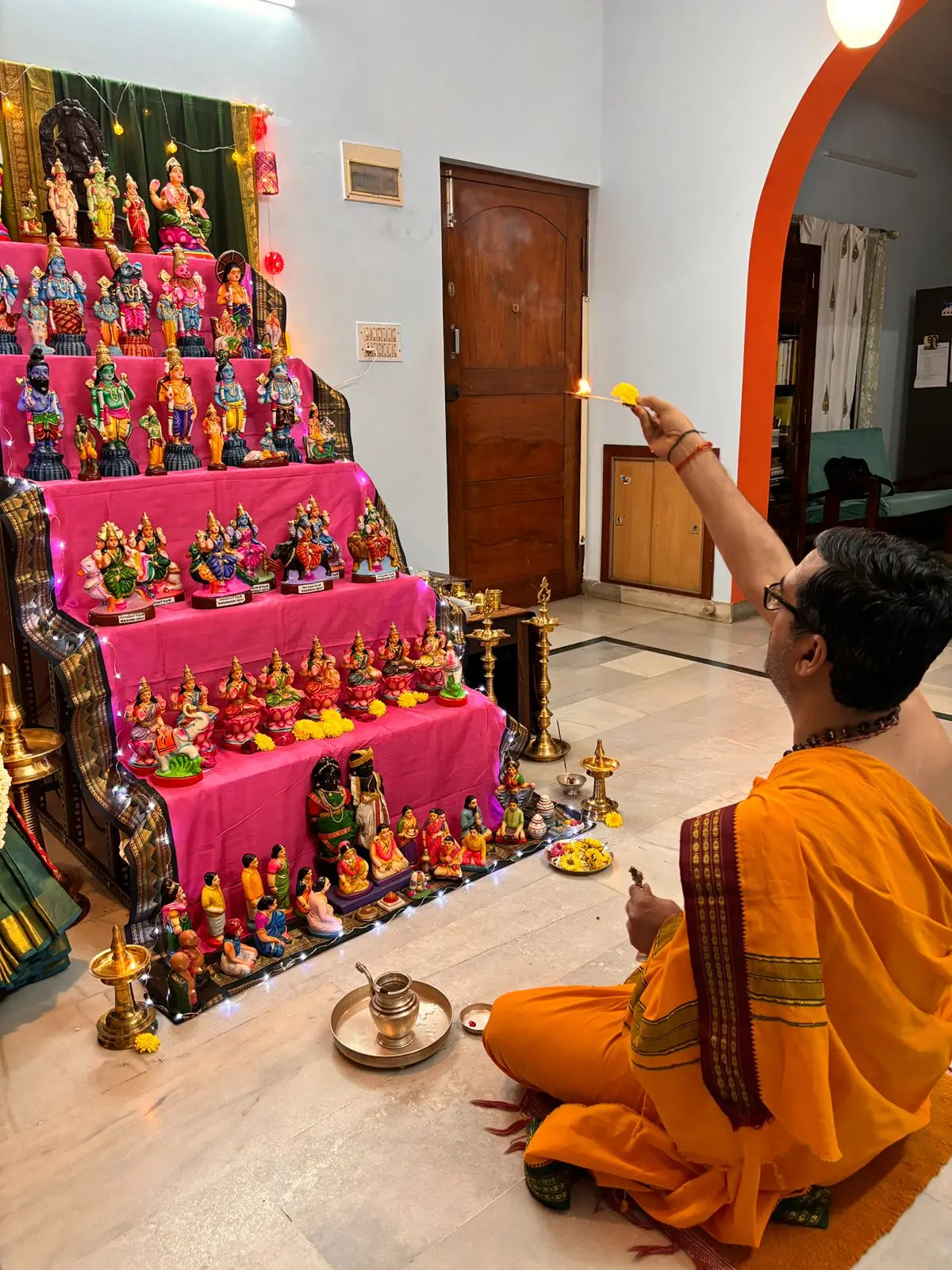
During the 9 nights of Navaratri, the Divine Mother is invoked and worshipped in clay dolls placed on steps representing all the beings in all gradations of creation. It signifies the presence of the Divine Mother in every spec of the creation.
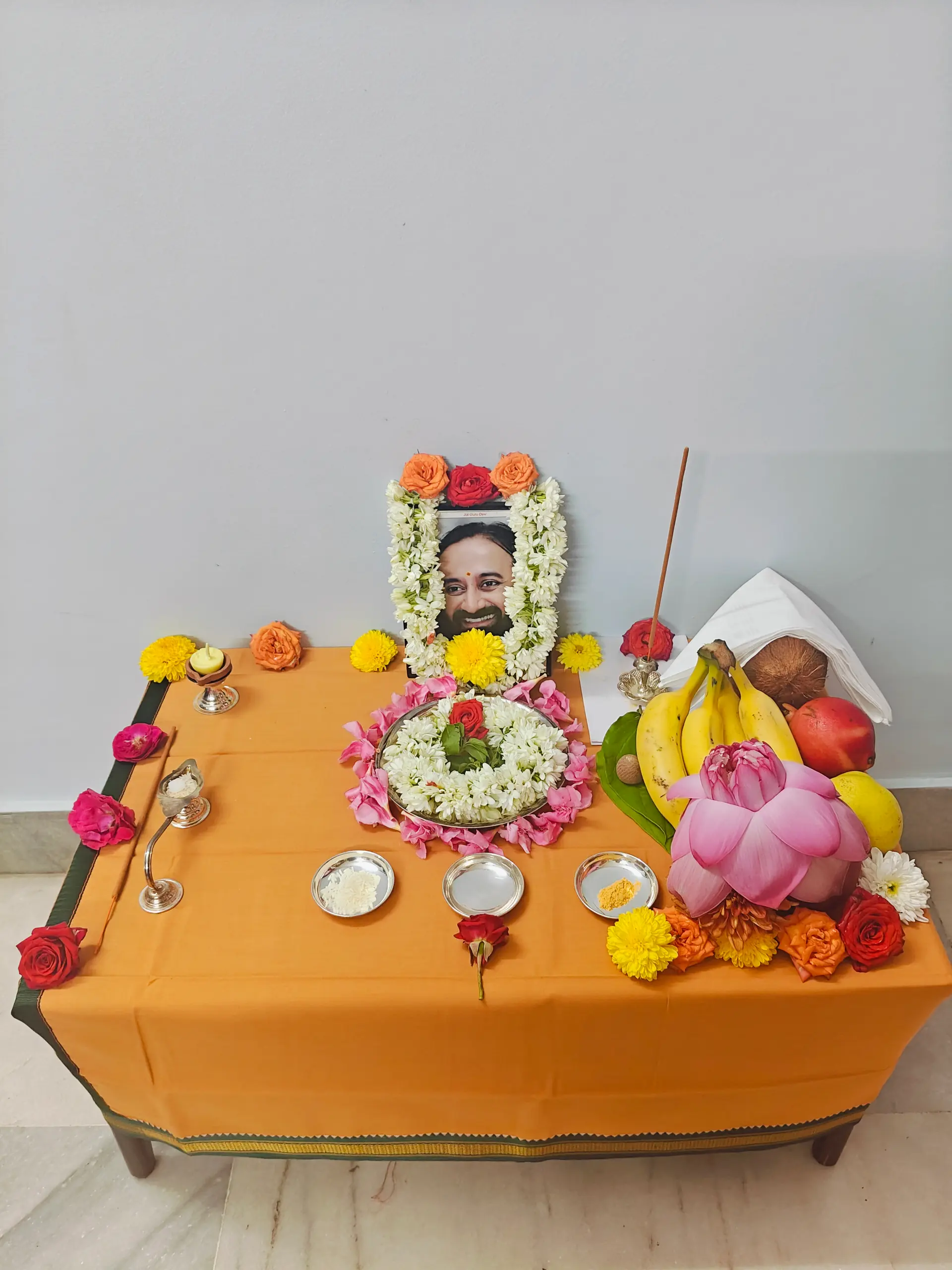
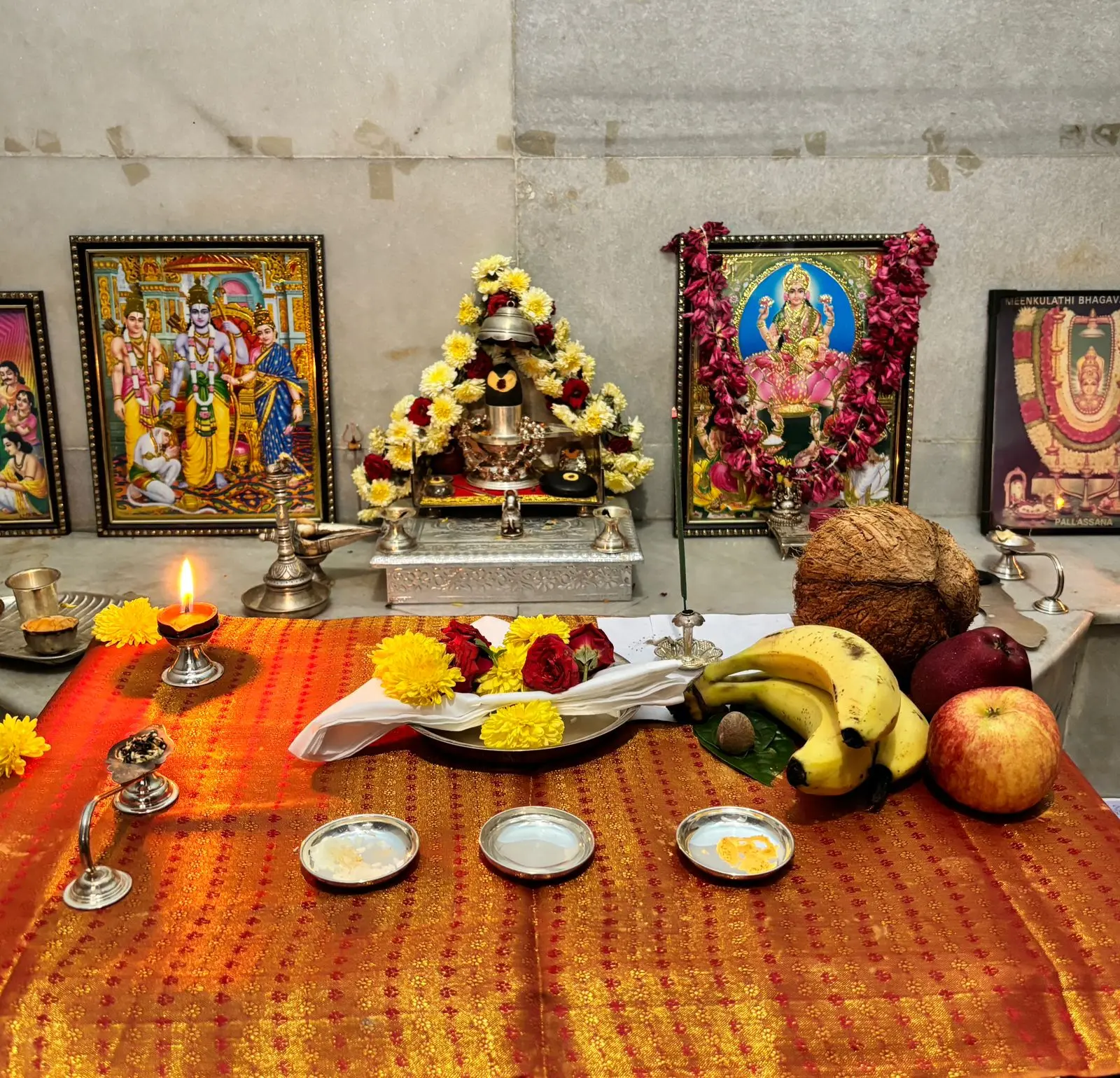
This is a Puja to honour the unbroken lineage of masters who have passed on the tradition of spiritual knowledge and energy from time immemorial. Symbolic offerings are made to the tradition of masters to express gratitude and invoke their blessings and grace.
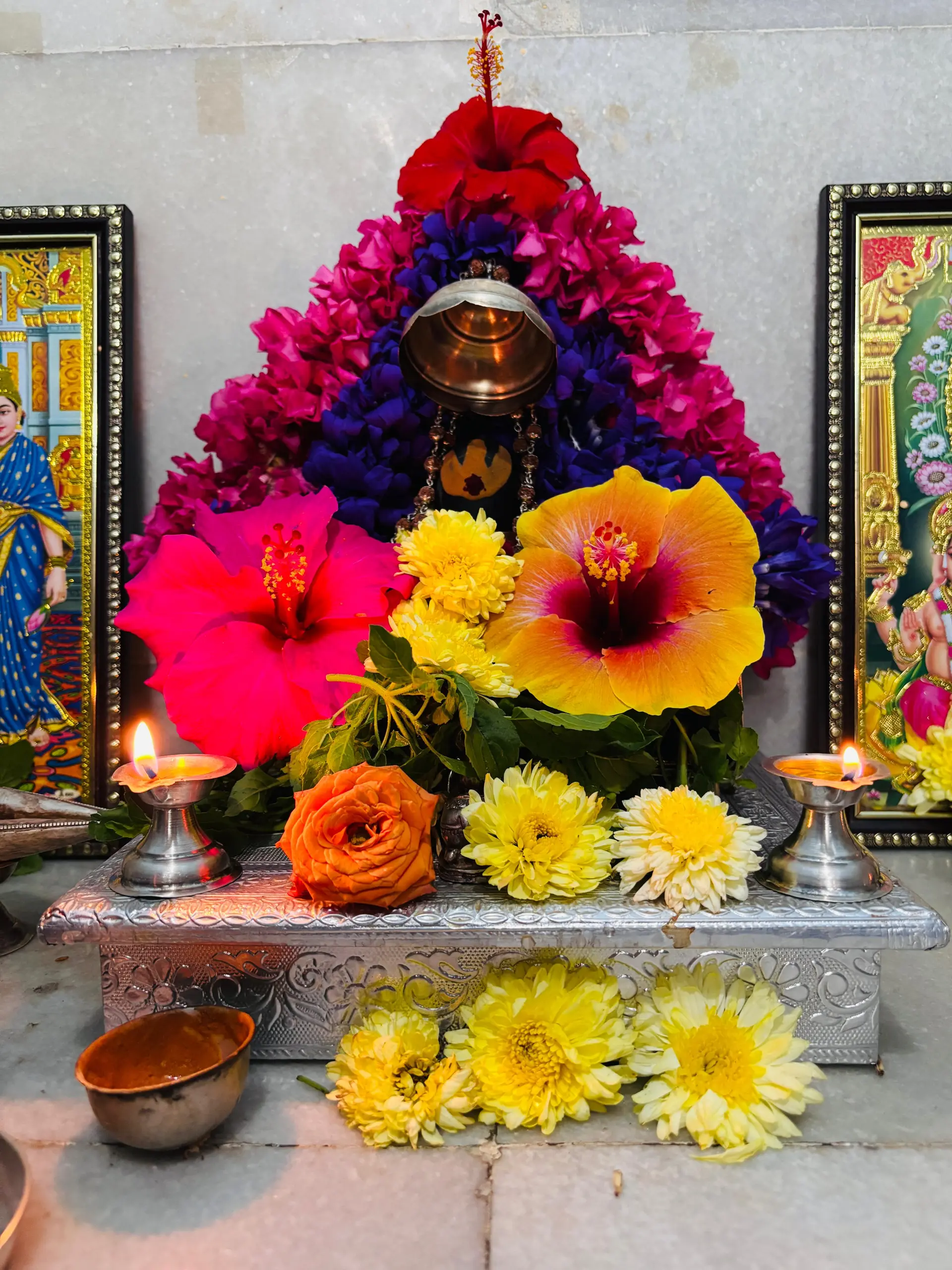
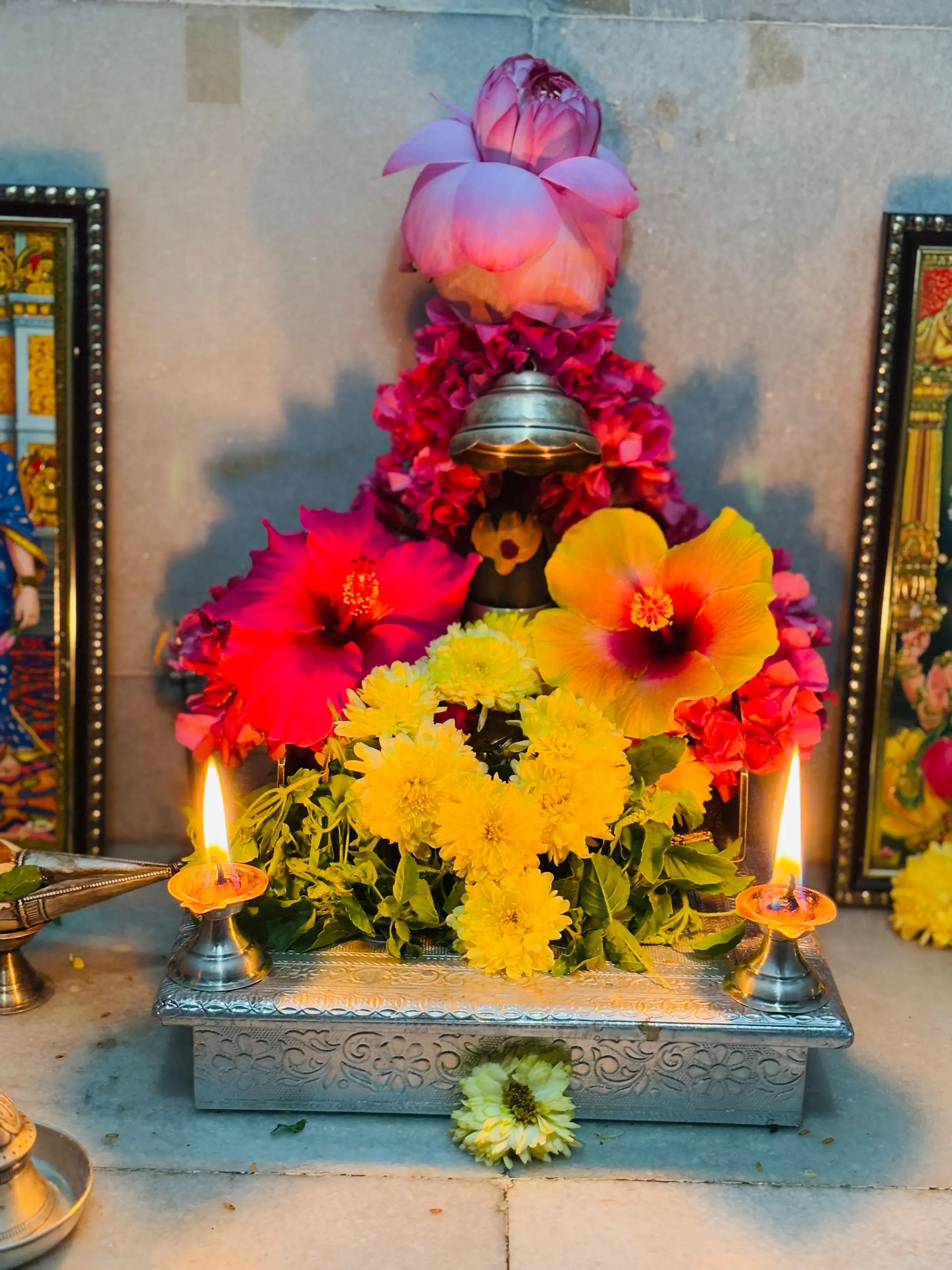
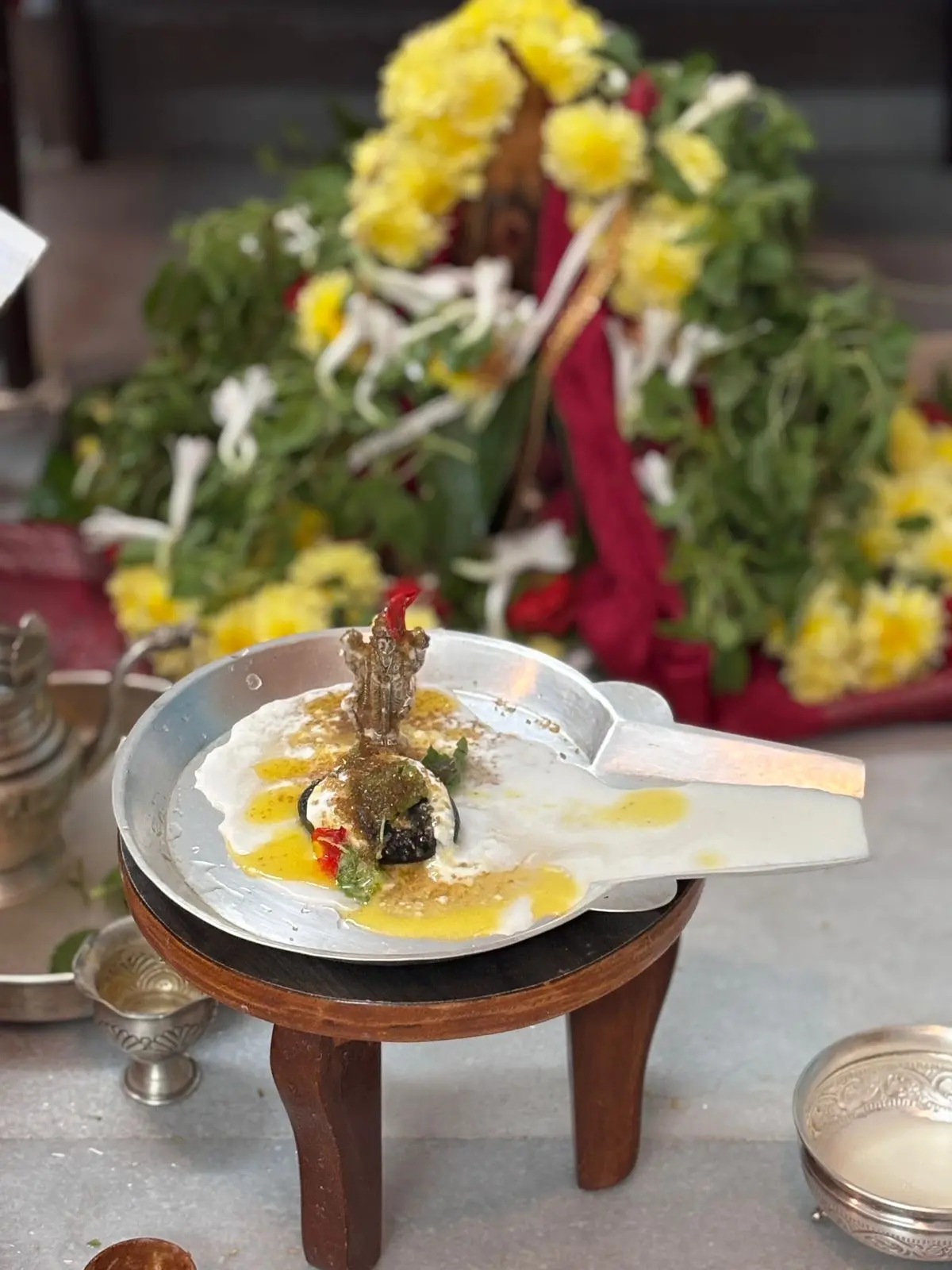
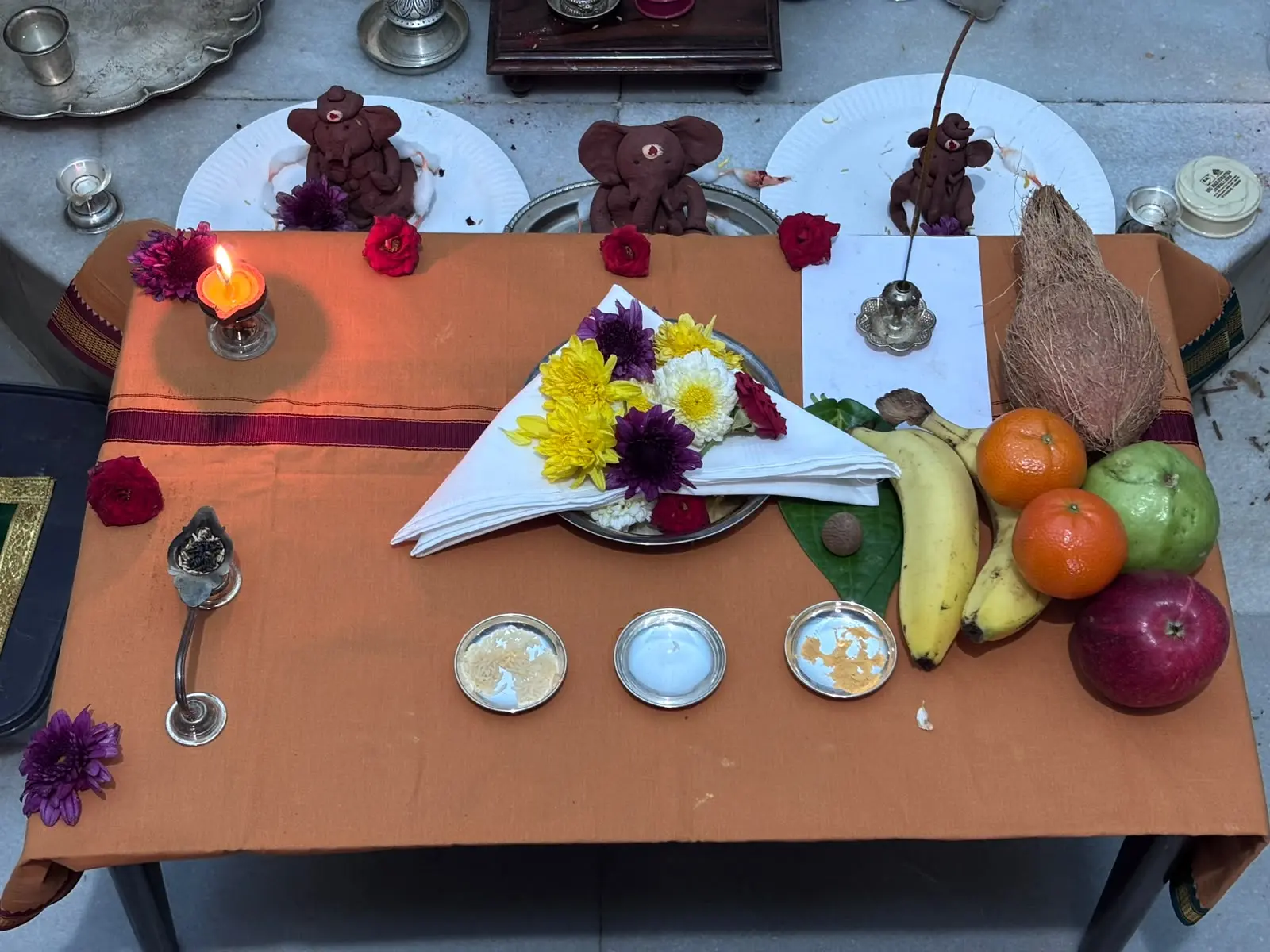
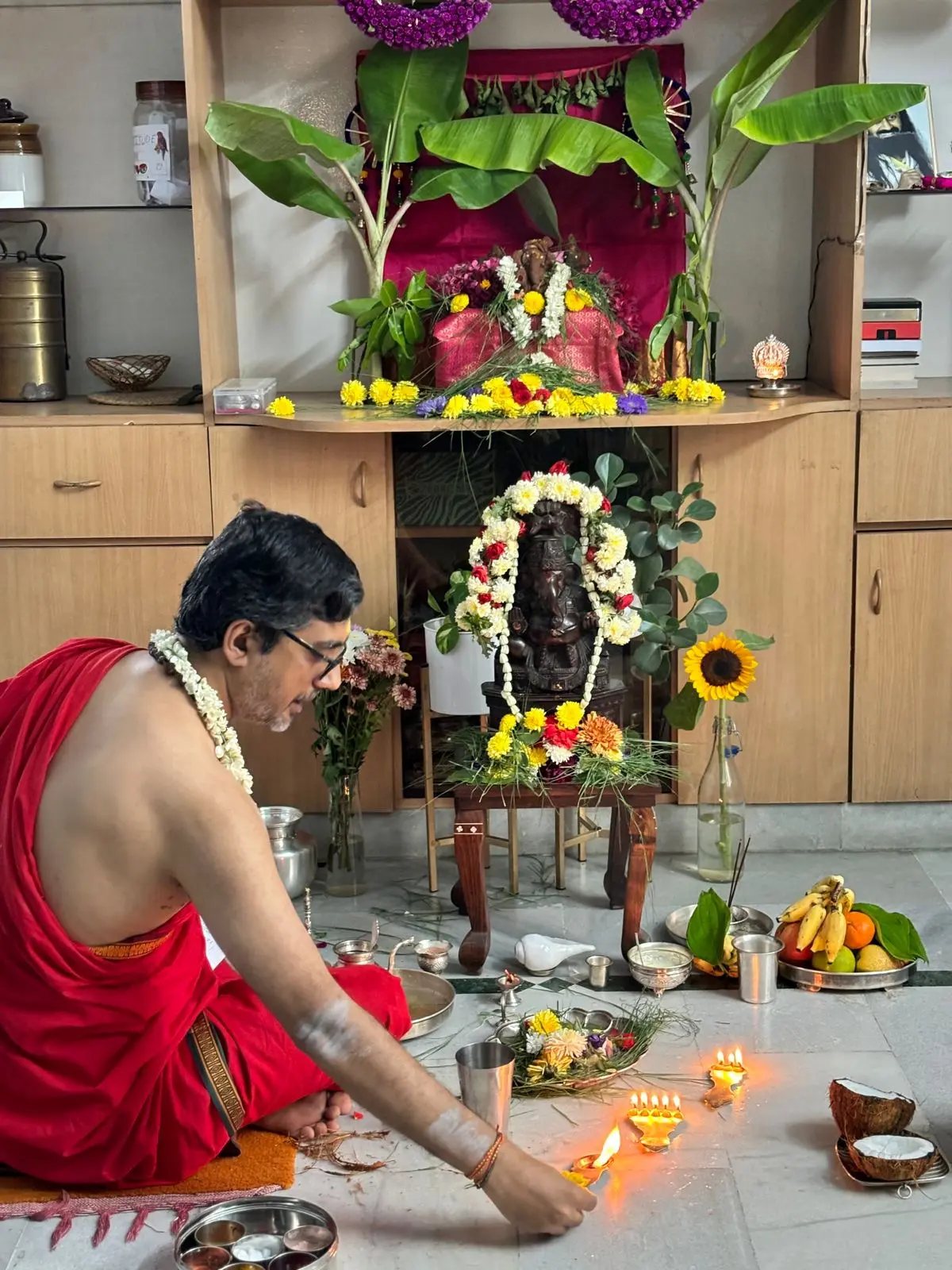
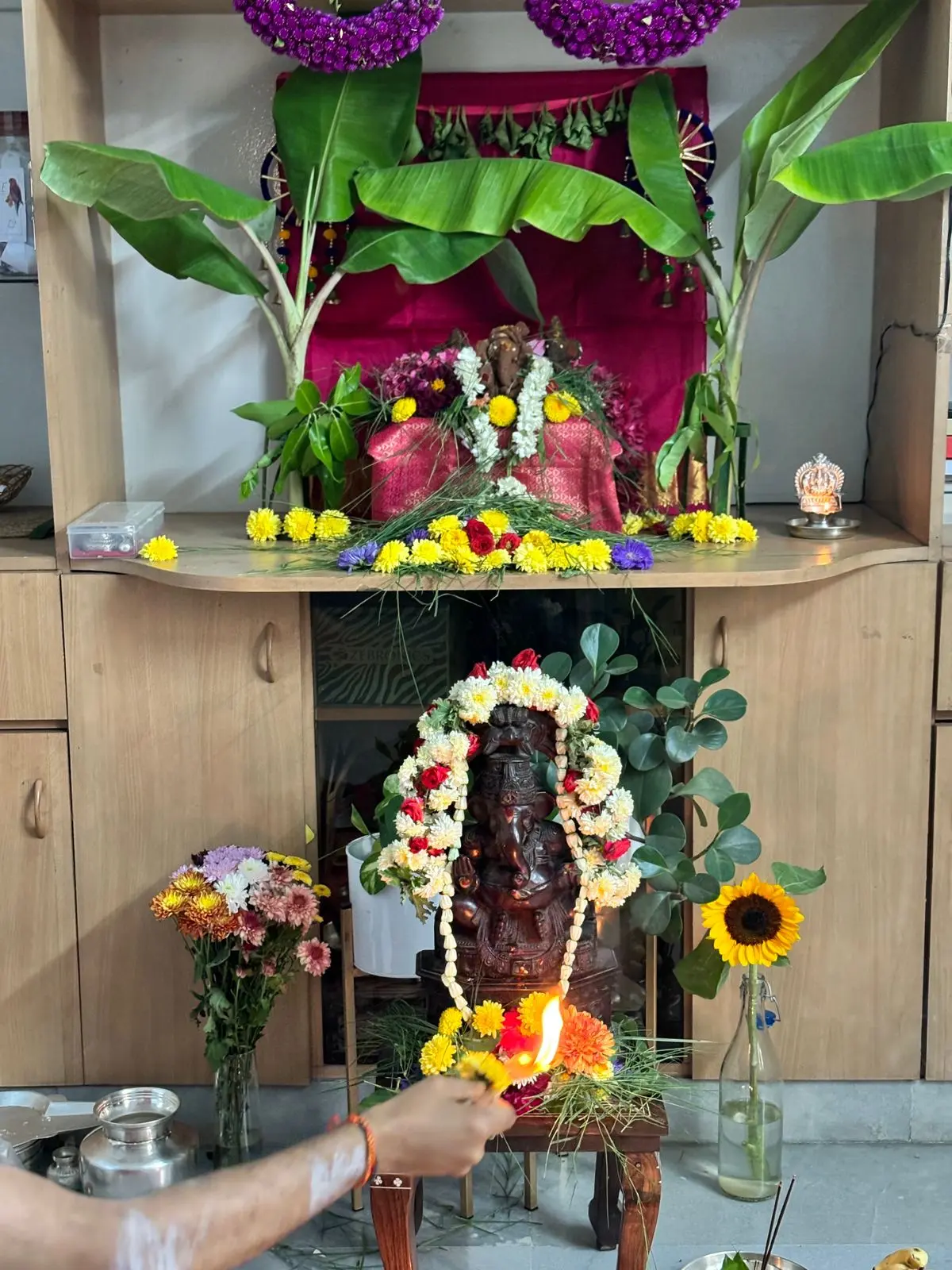
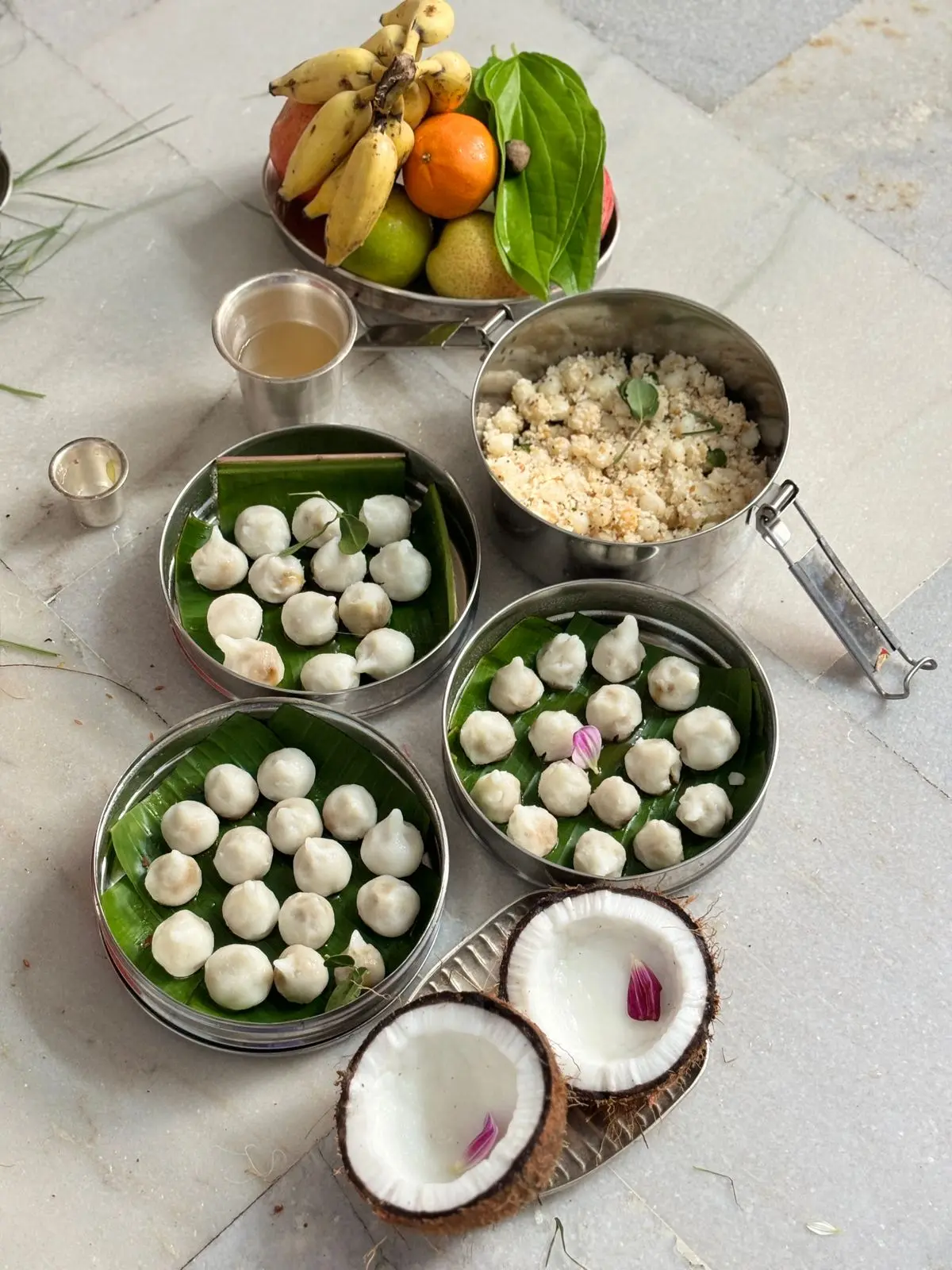
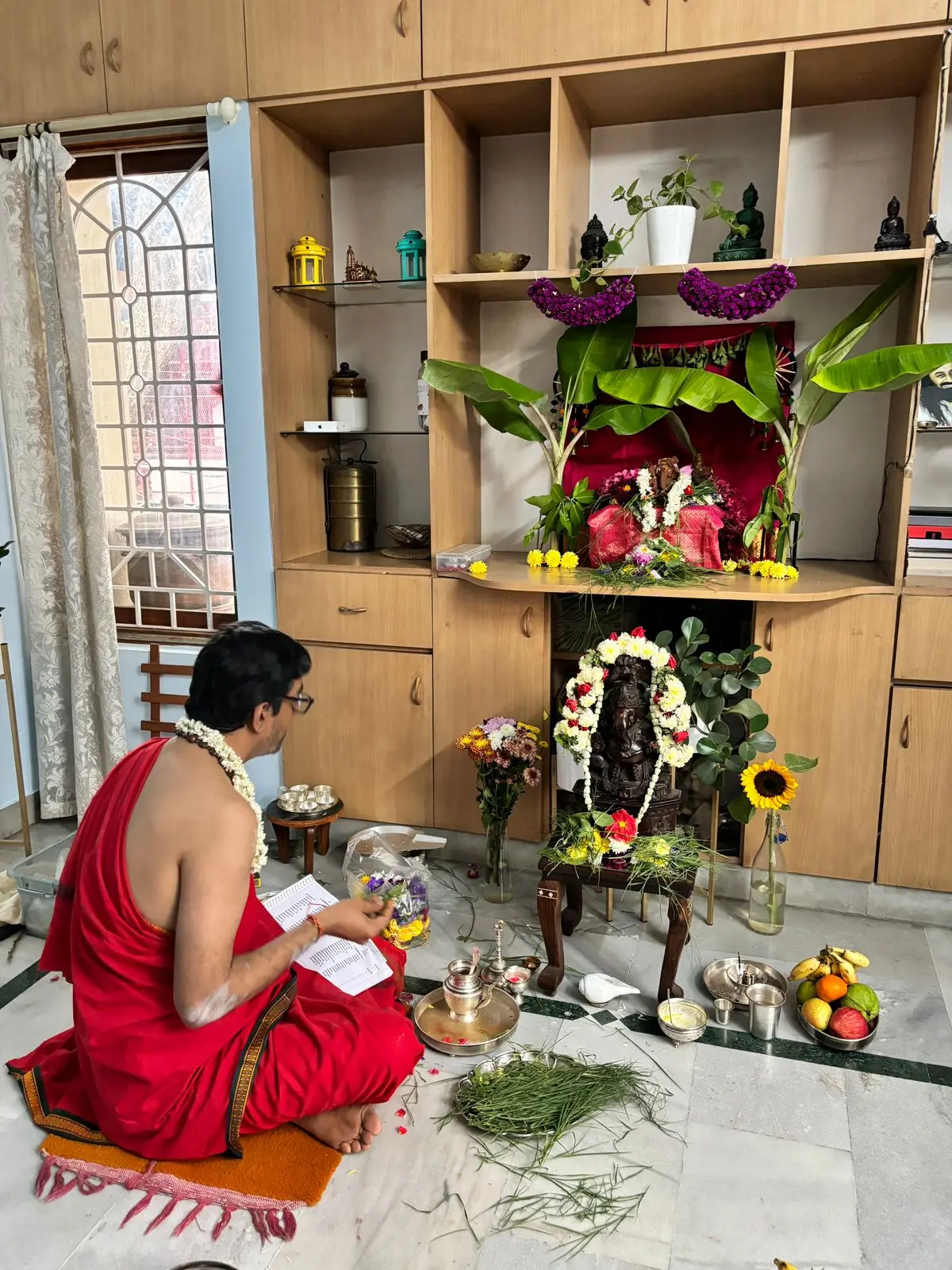
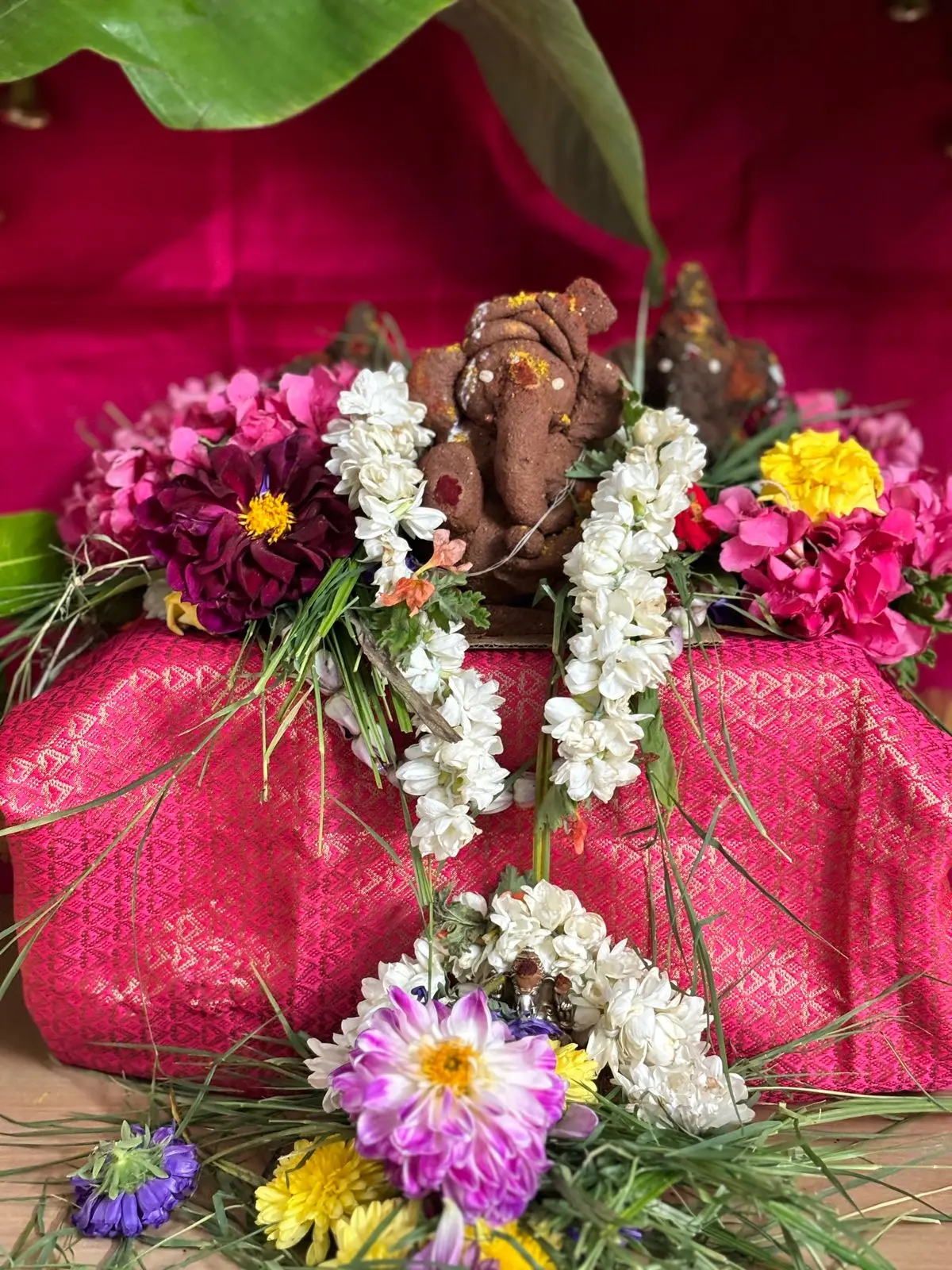
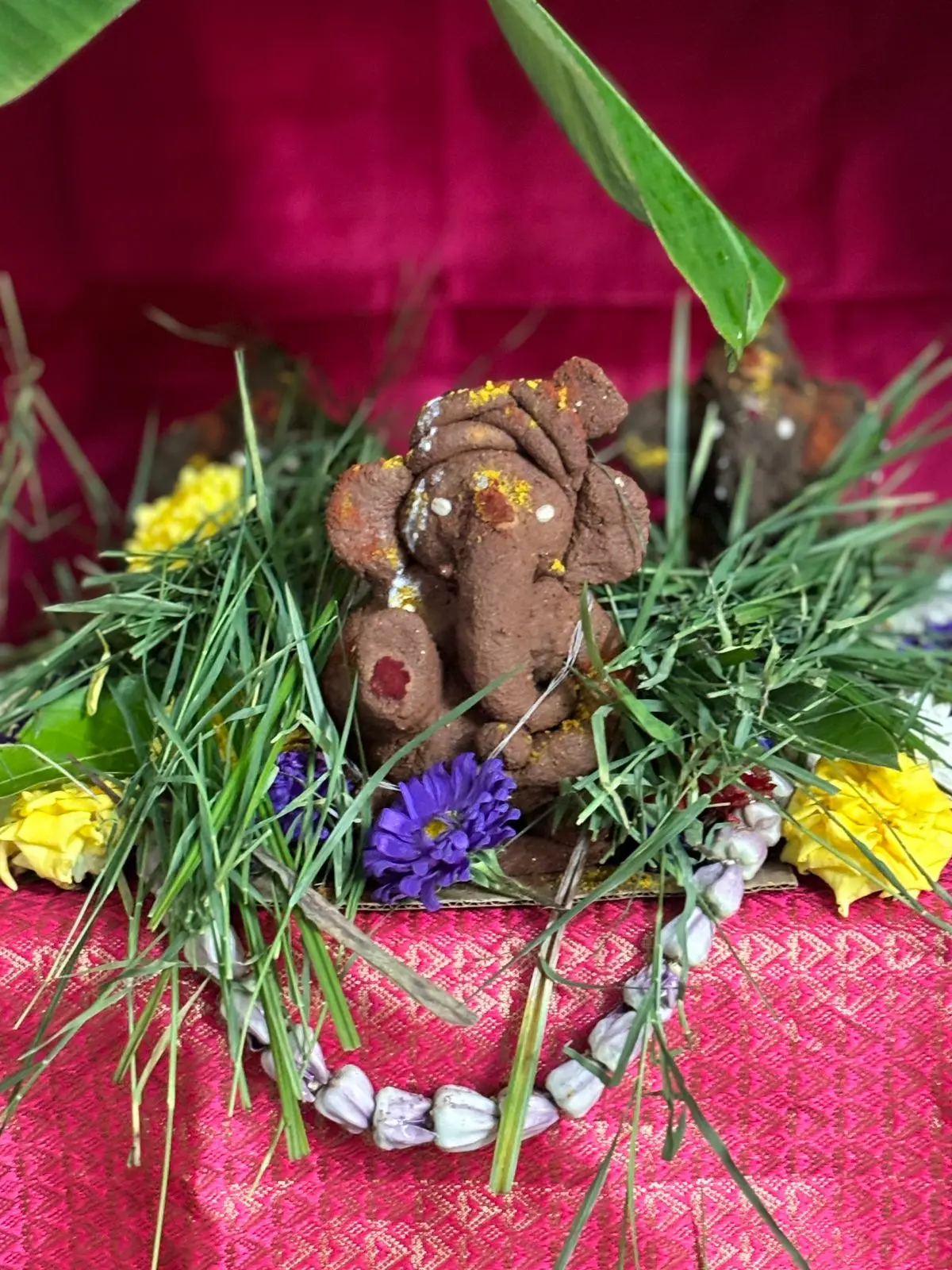
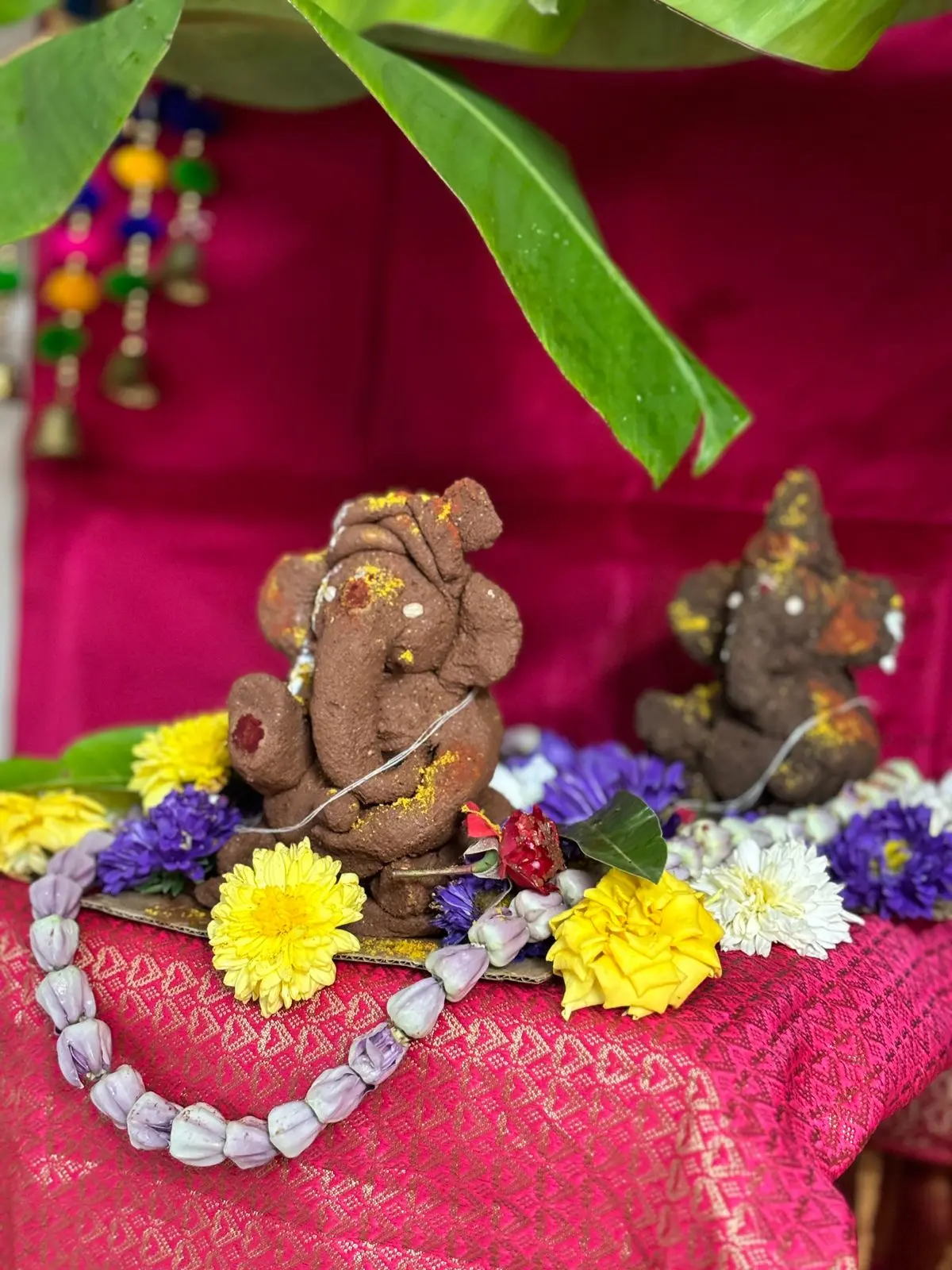
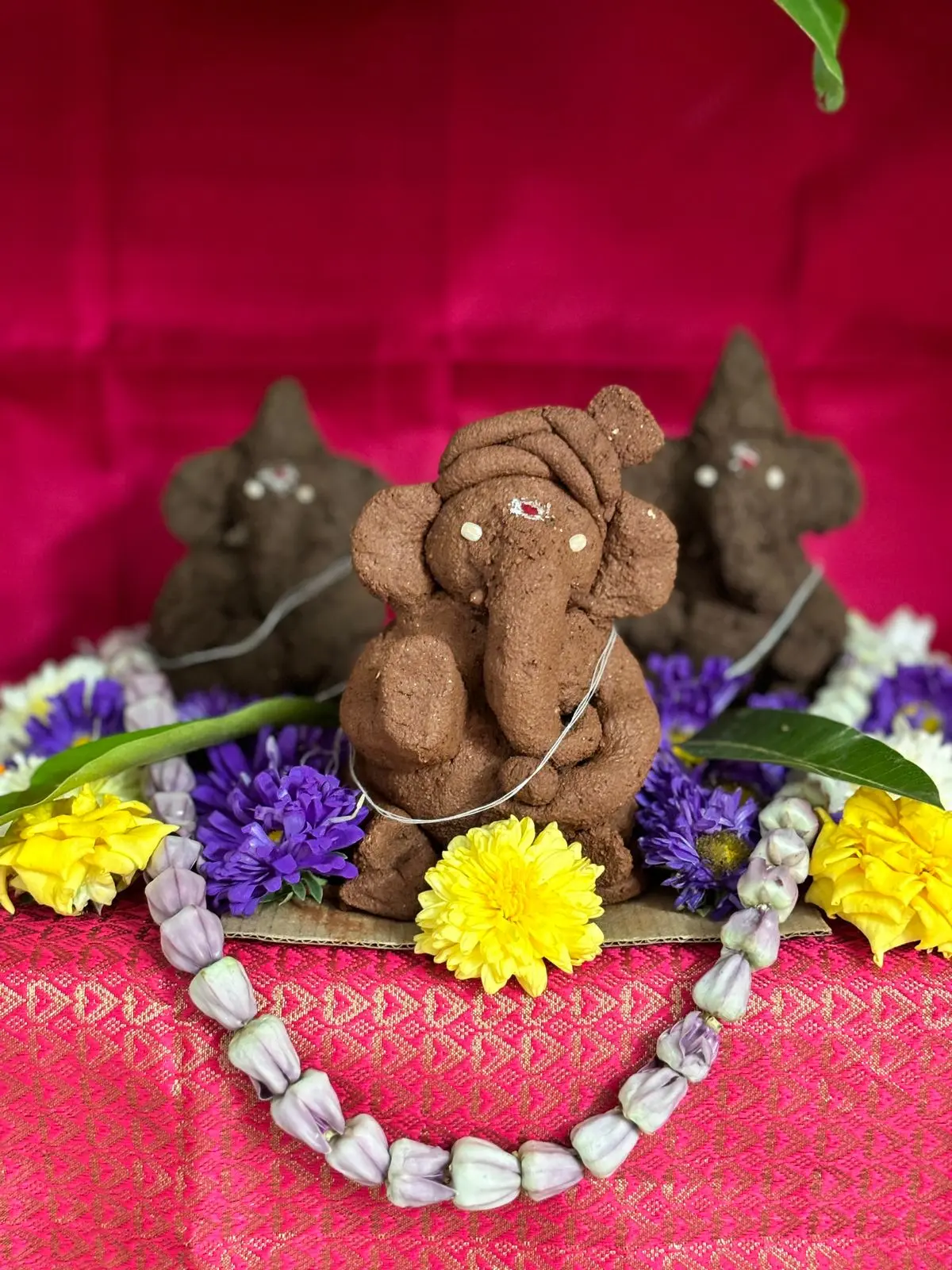
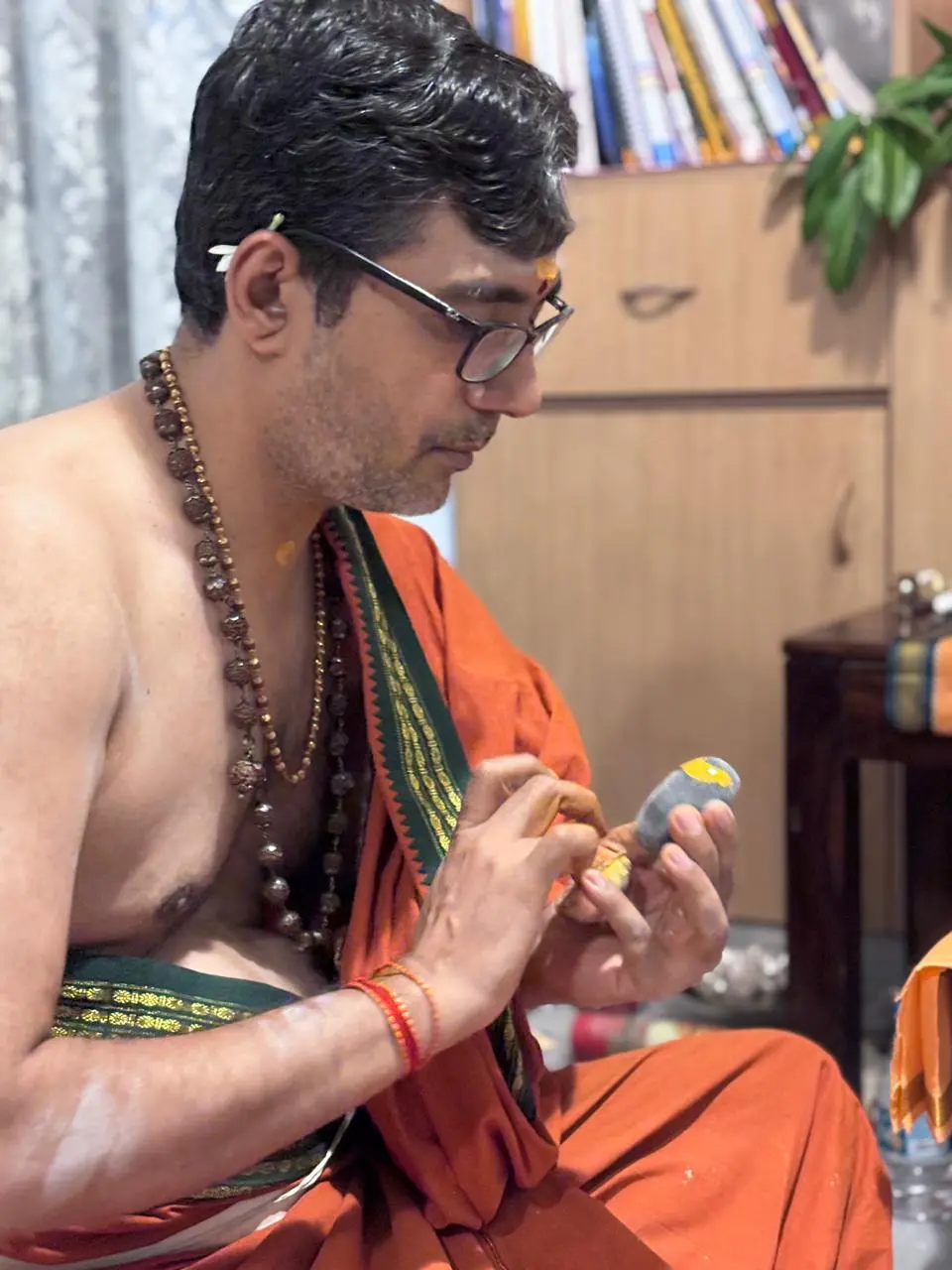
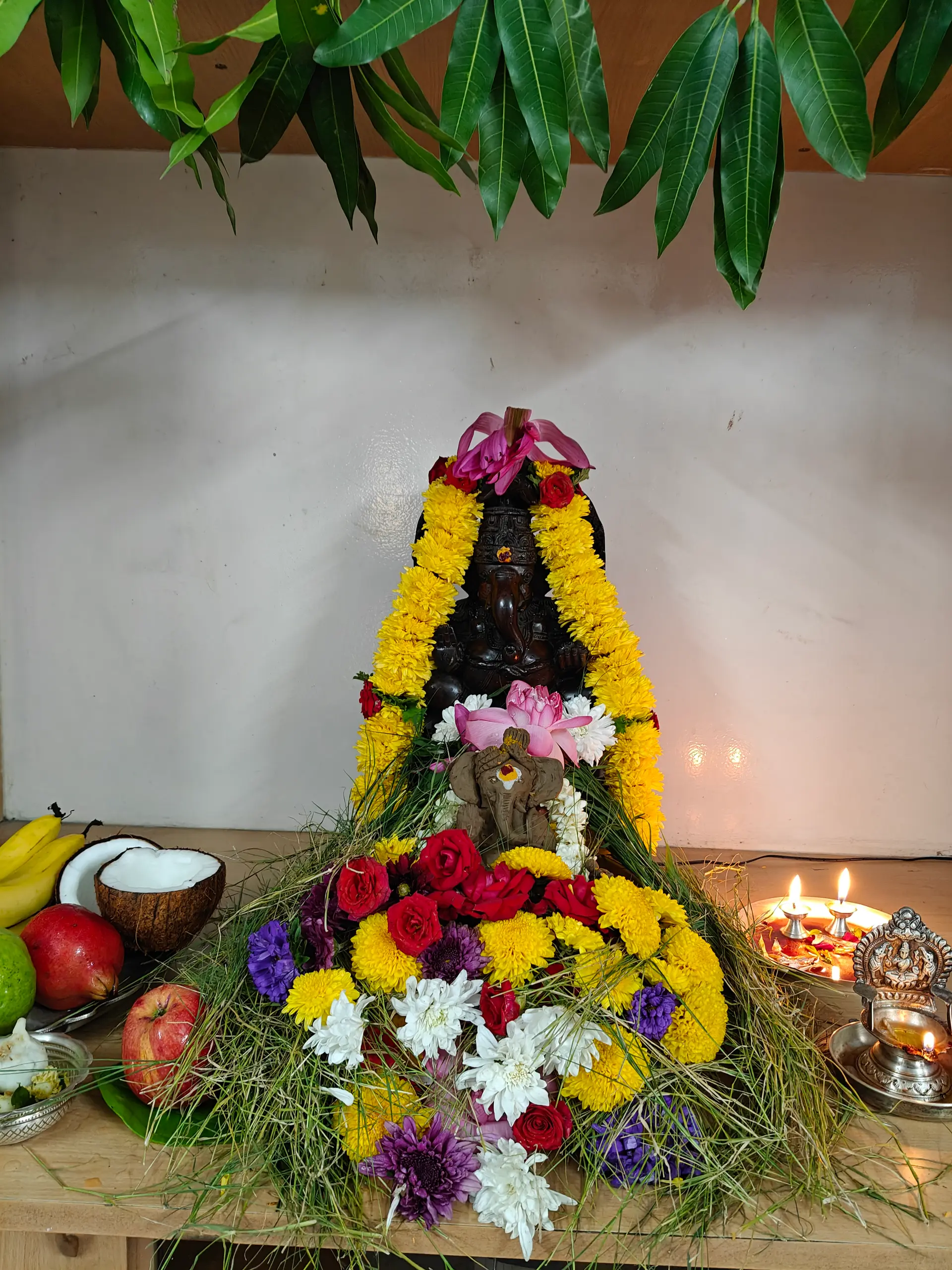
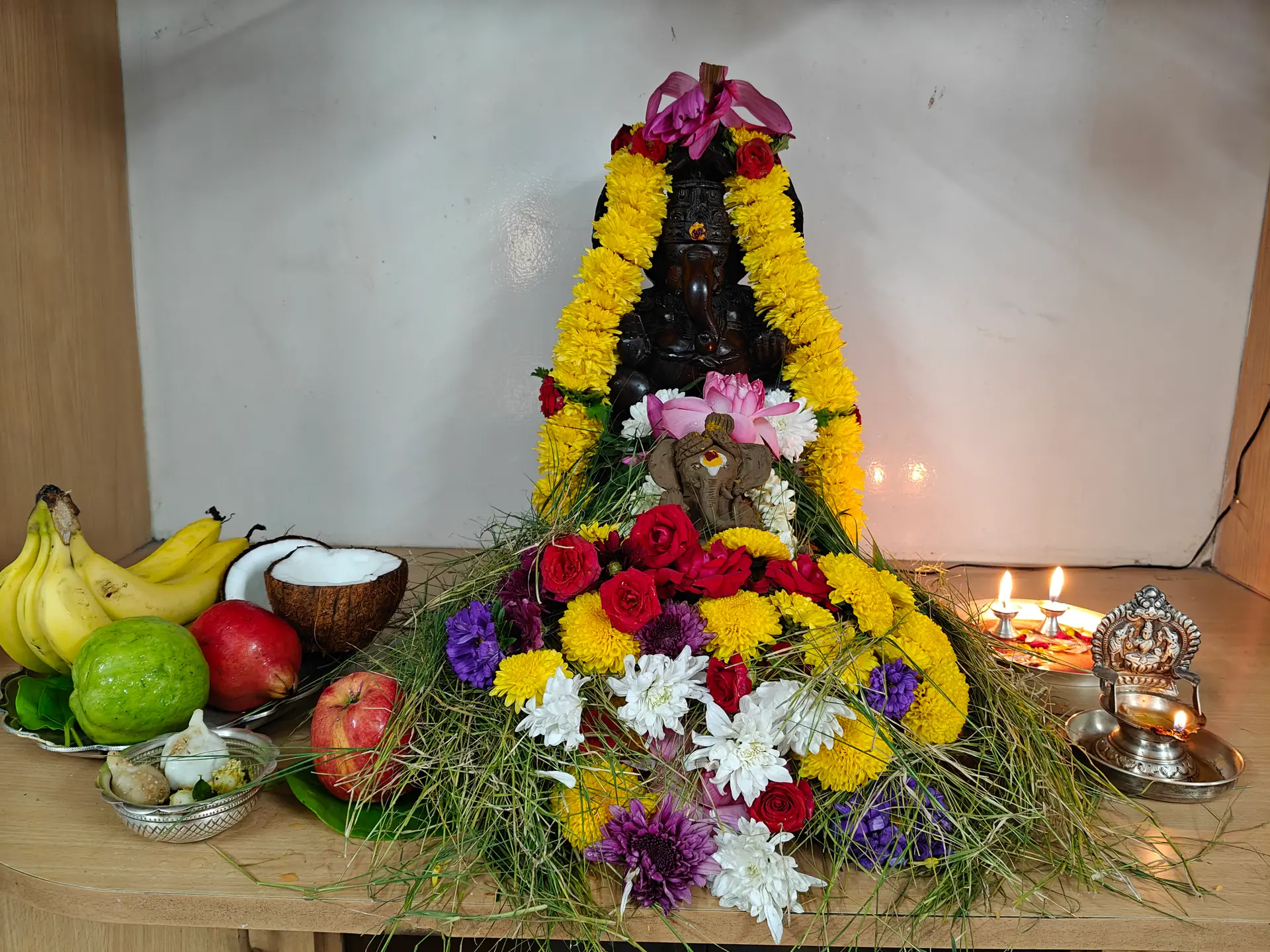
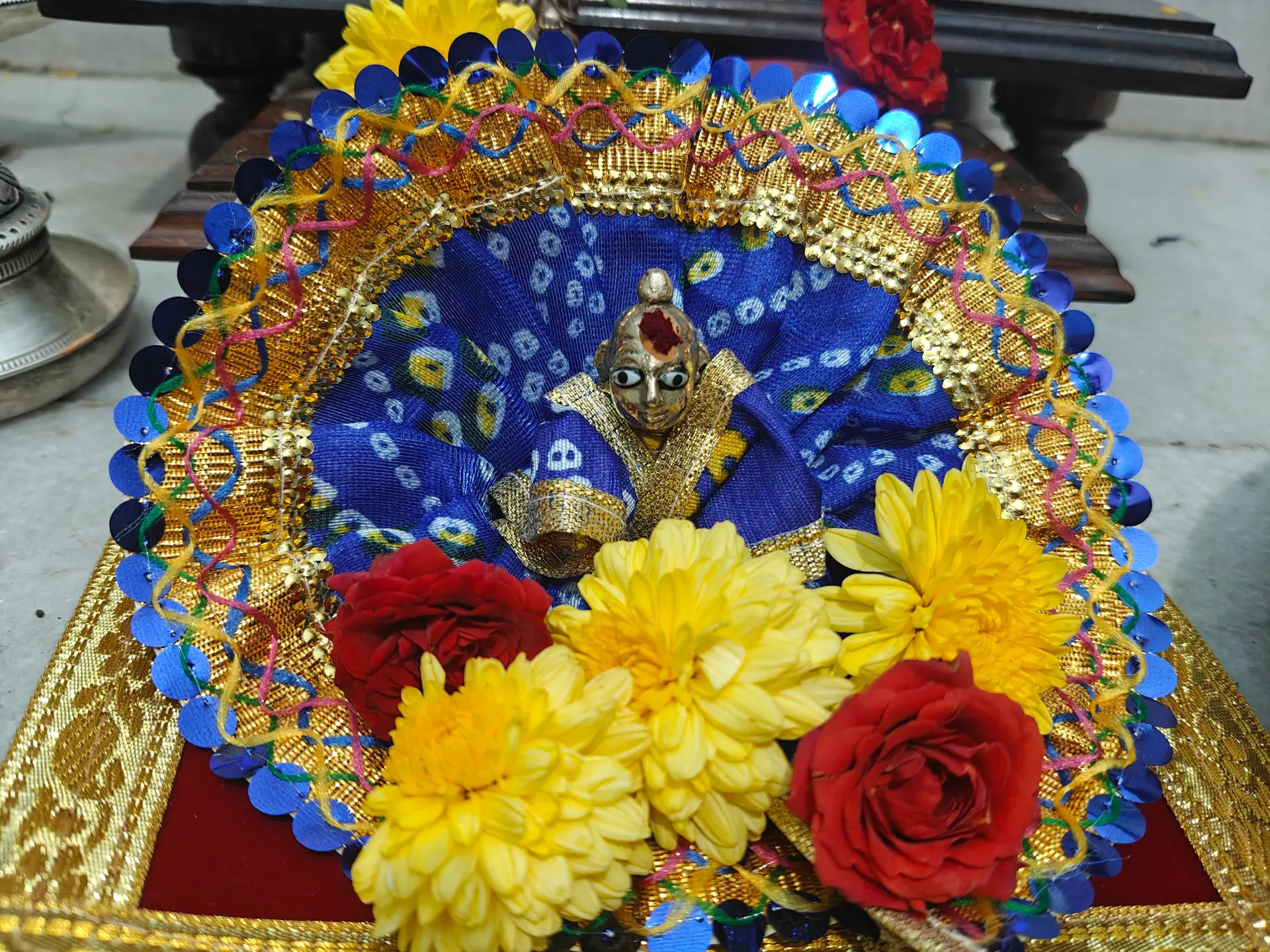
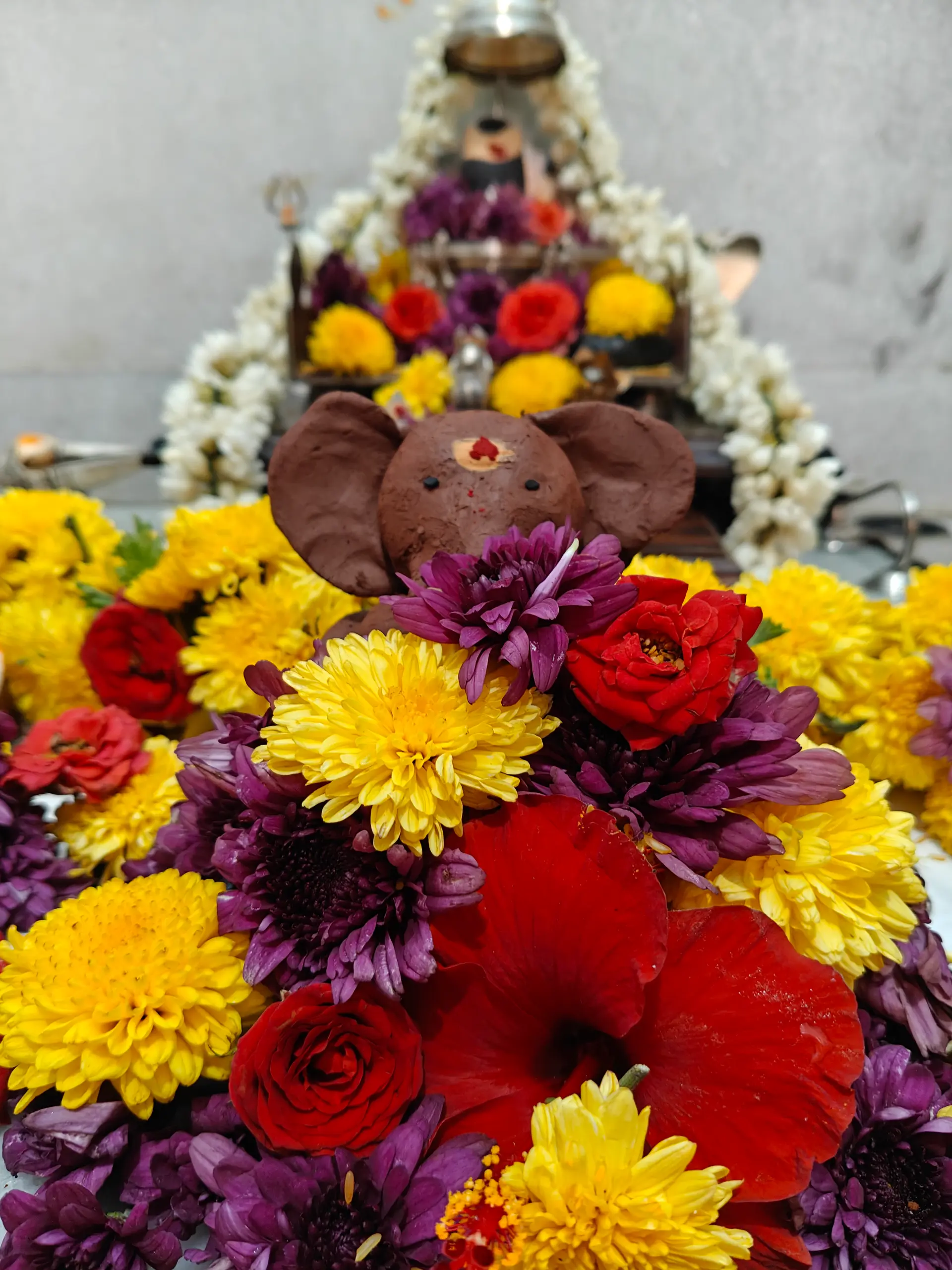
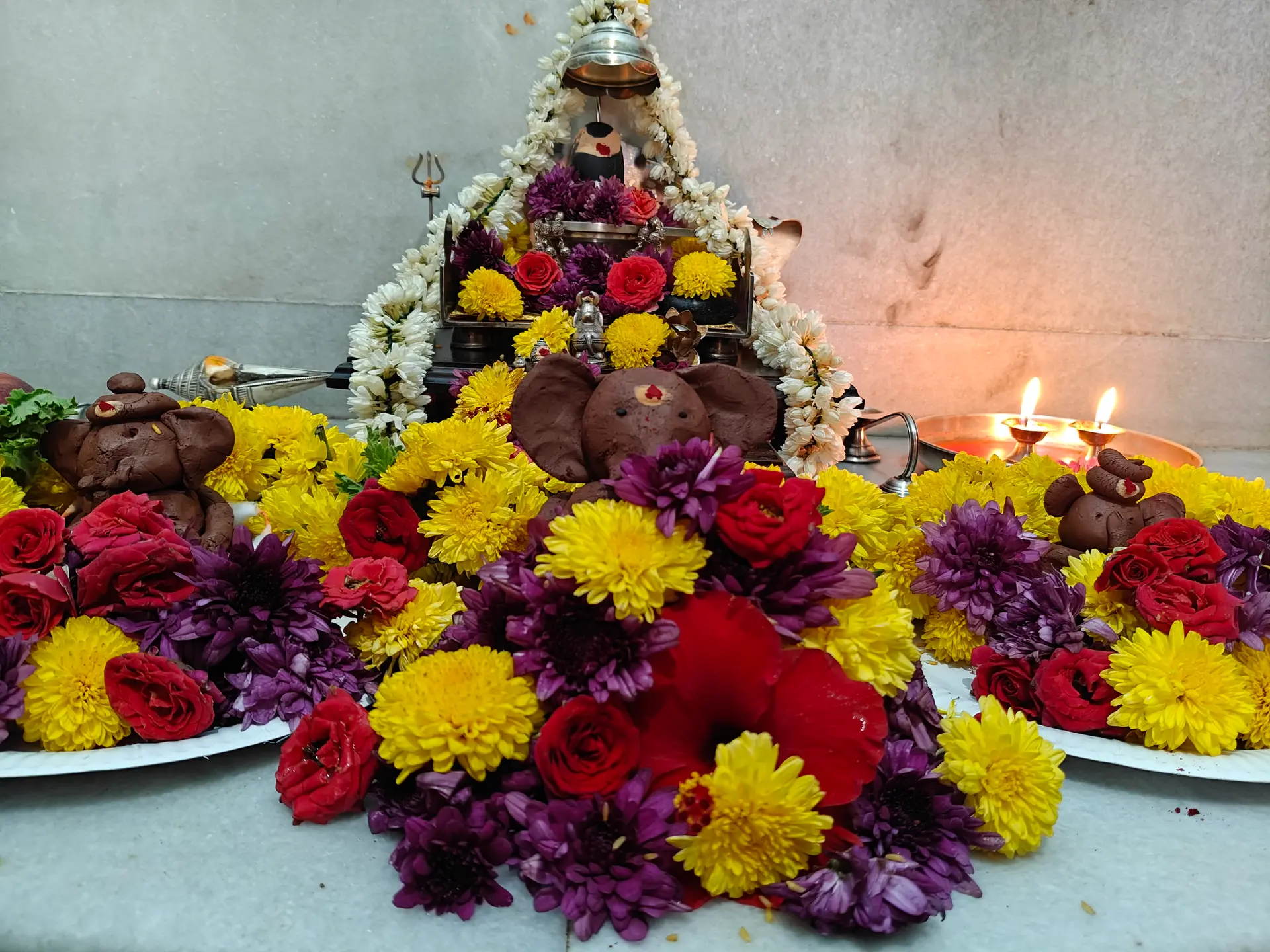
Pradosha puja is the Rudra puja done once every fortnight (on 13th). The Shivalingam is anointed with panchamrit (5 nectars) namely milk, curd, butter, honey and jaggery powder. Ganesha chaturthi is celebrated by creating a clay or mud Ganesha and invoking the presence of the deity in it. The Ganesha stays in the house for a few days and is duly worshipped. On the concluding day, we pray Ganesha to bless everyone and return to his abode. Thereafter the clay idol is dissolved in water. Krishna Janmashtami puja is performed to celebrate the birth of Krishna. The house is decorated to mark the arrival of the newborn. Sweets and savouries offered to the Lord are distributed to the guests as prasadam.
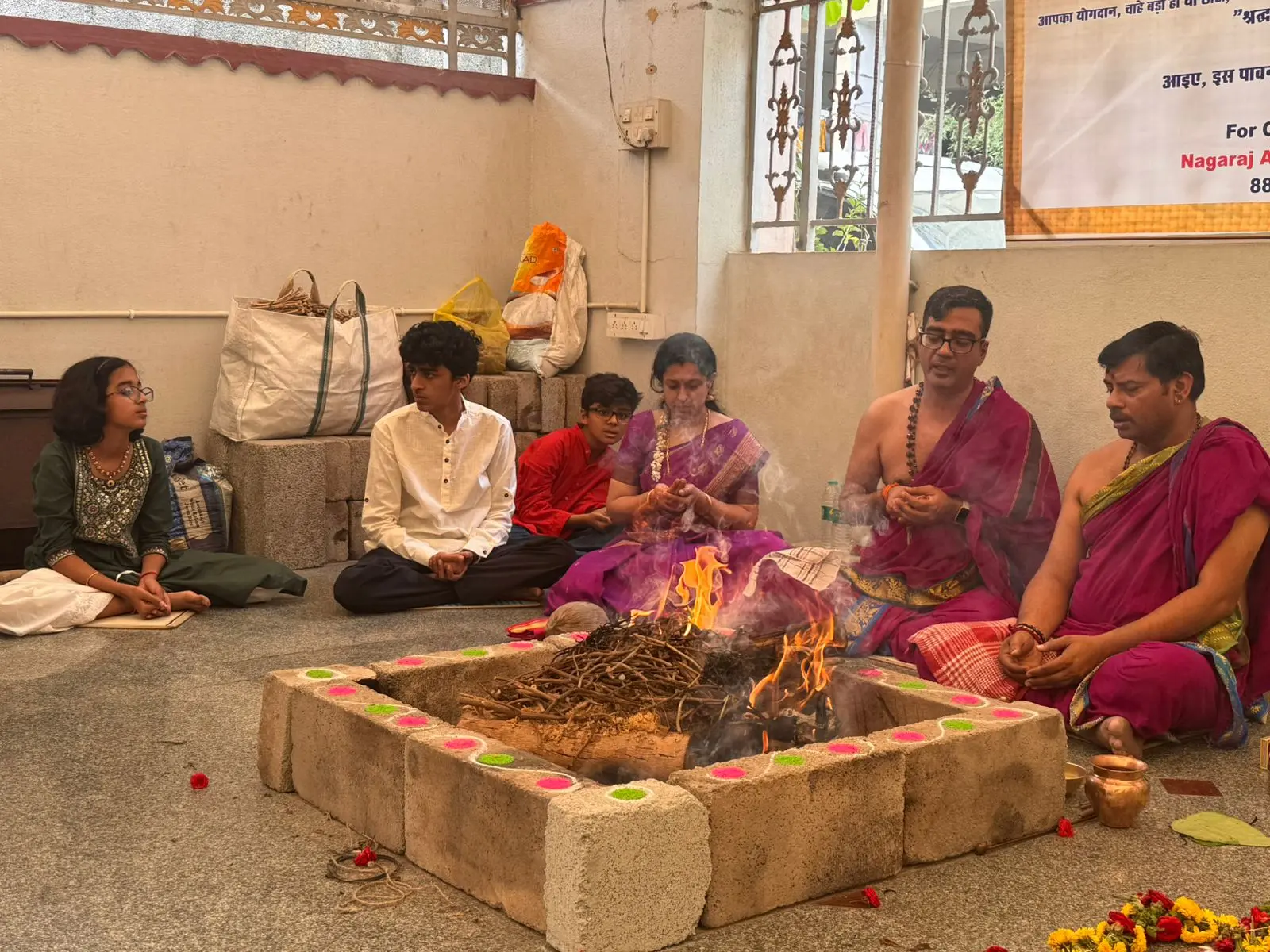
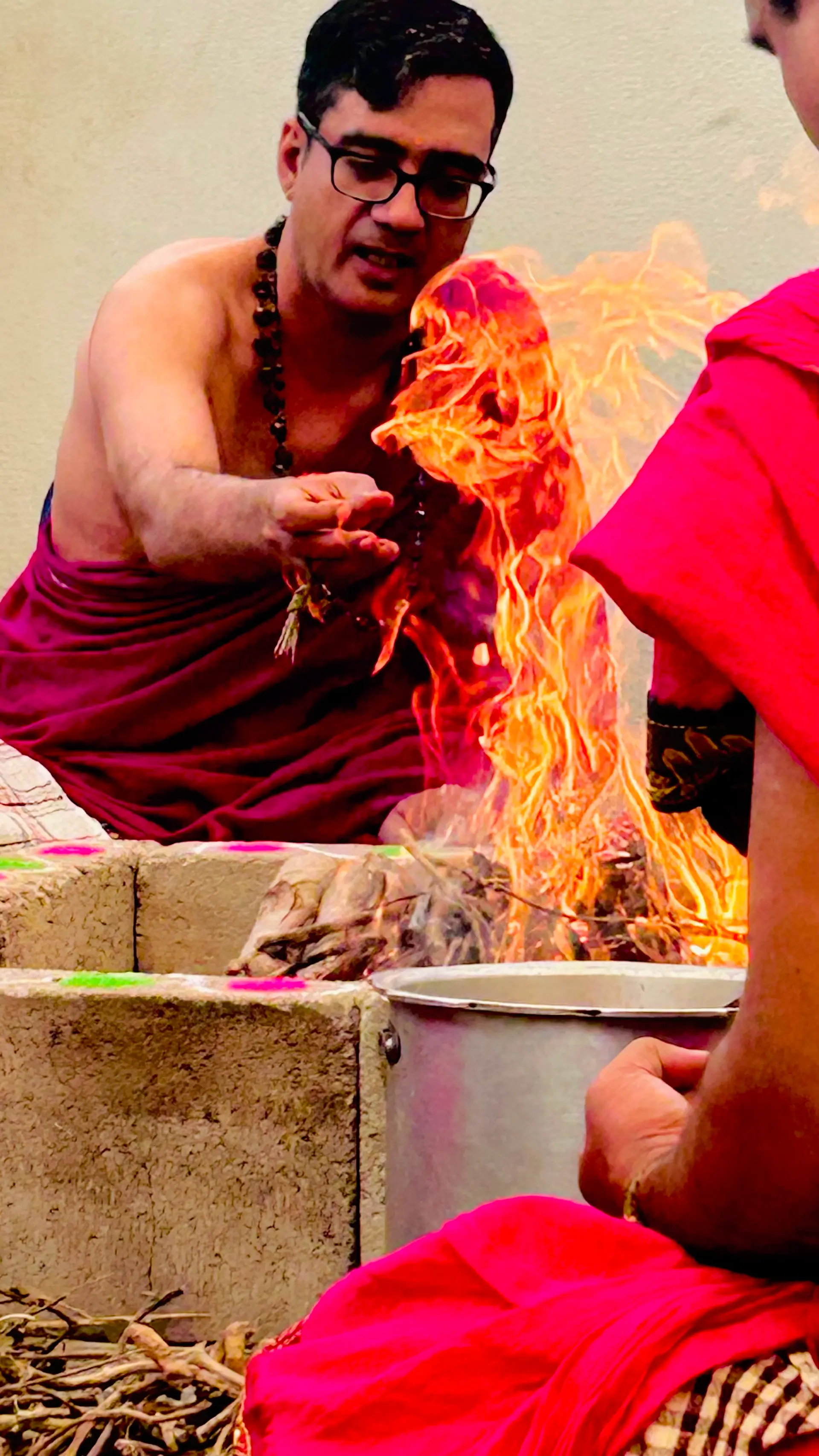
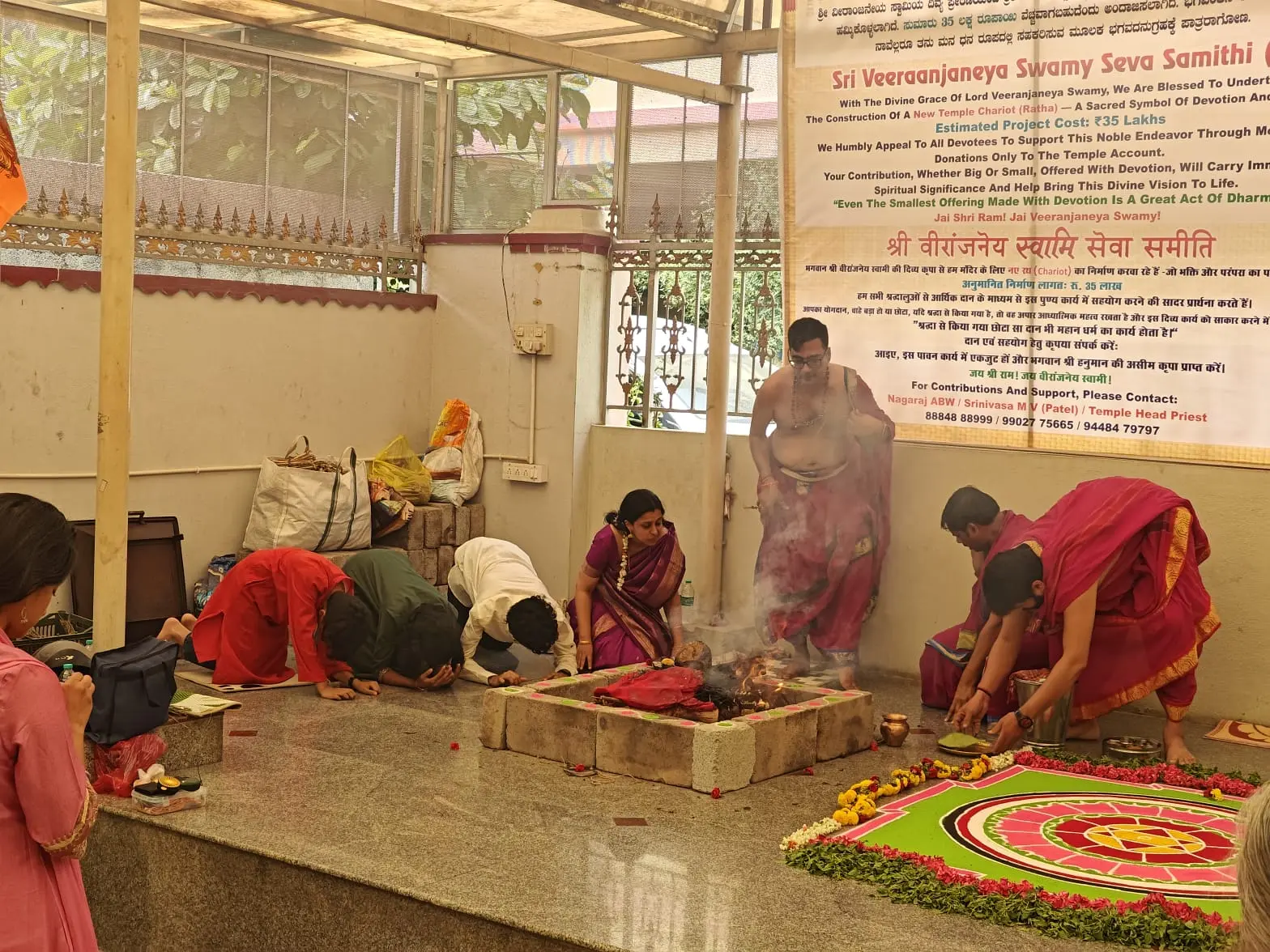
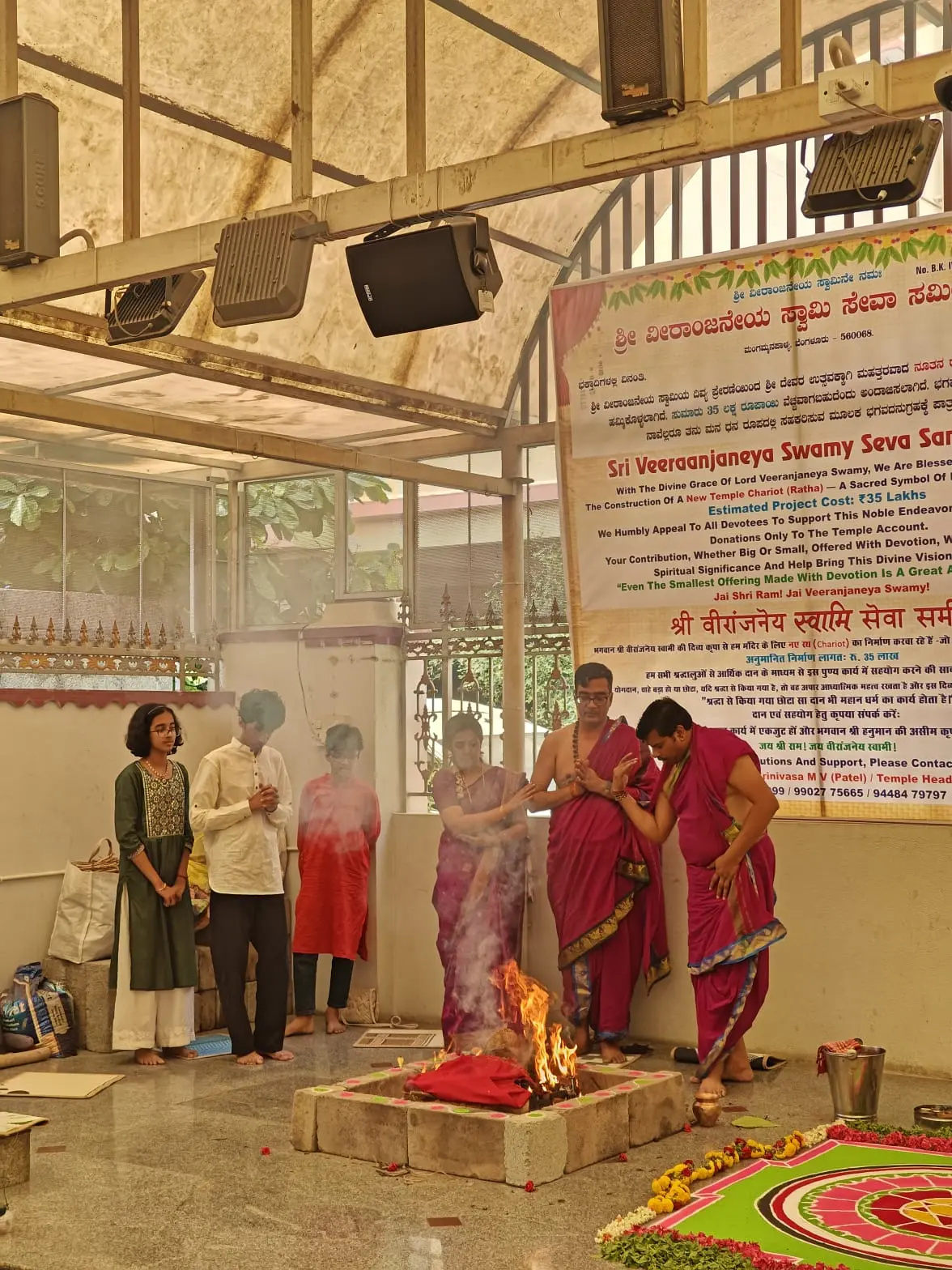
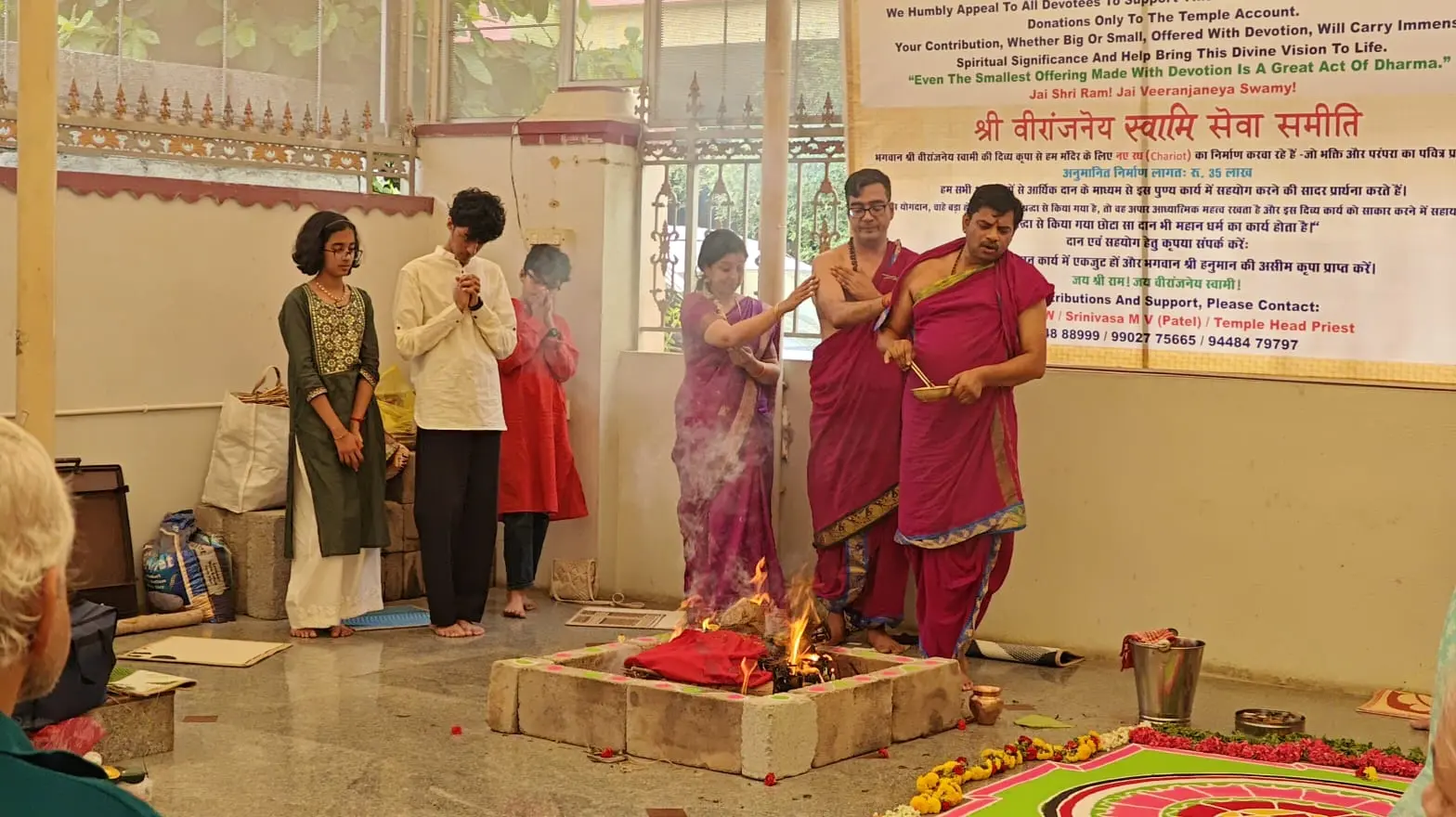
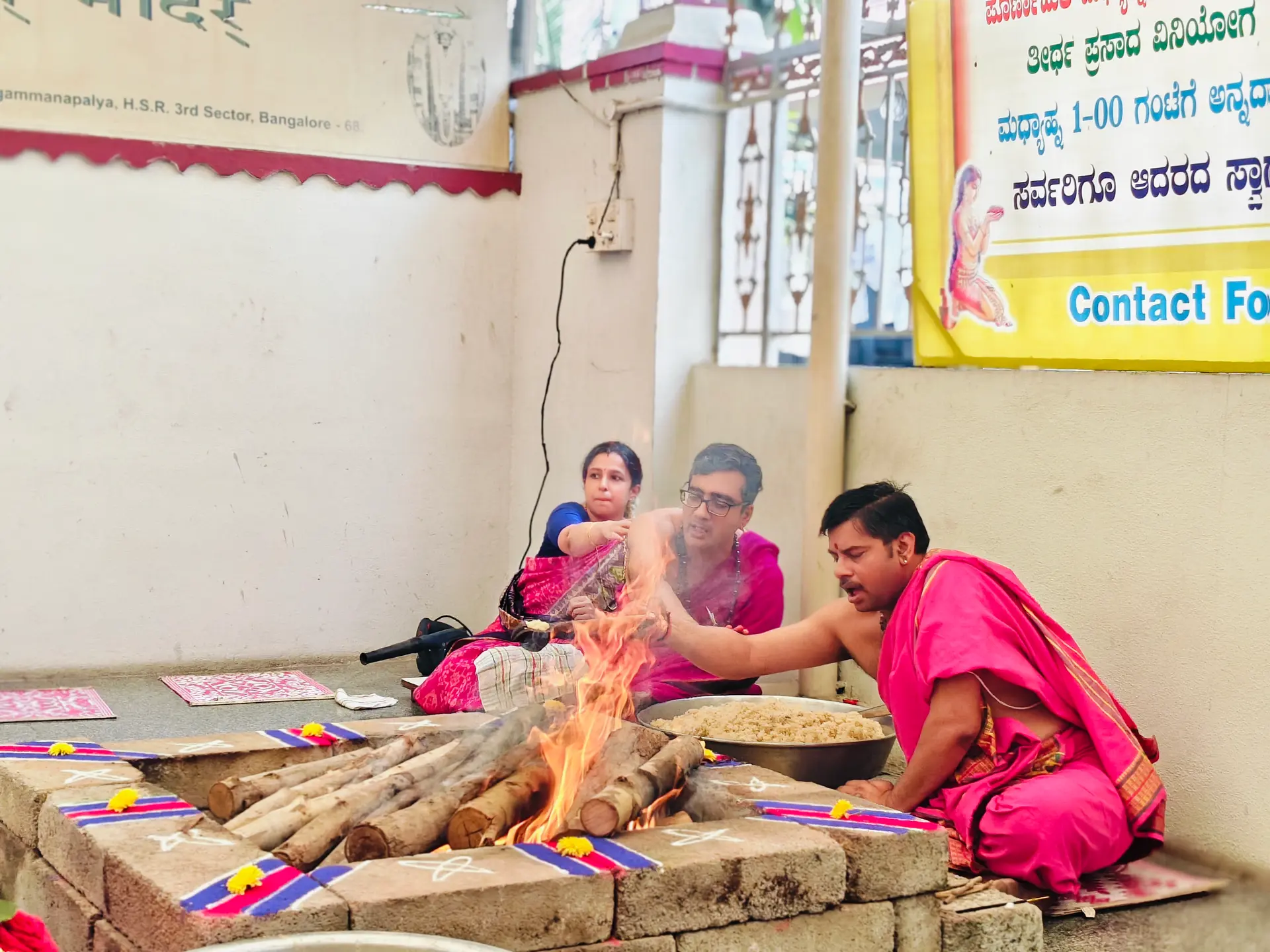
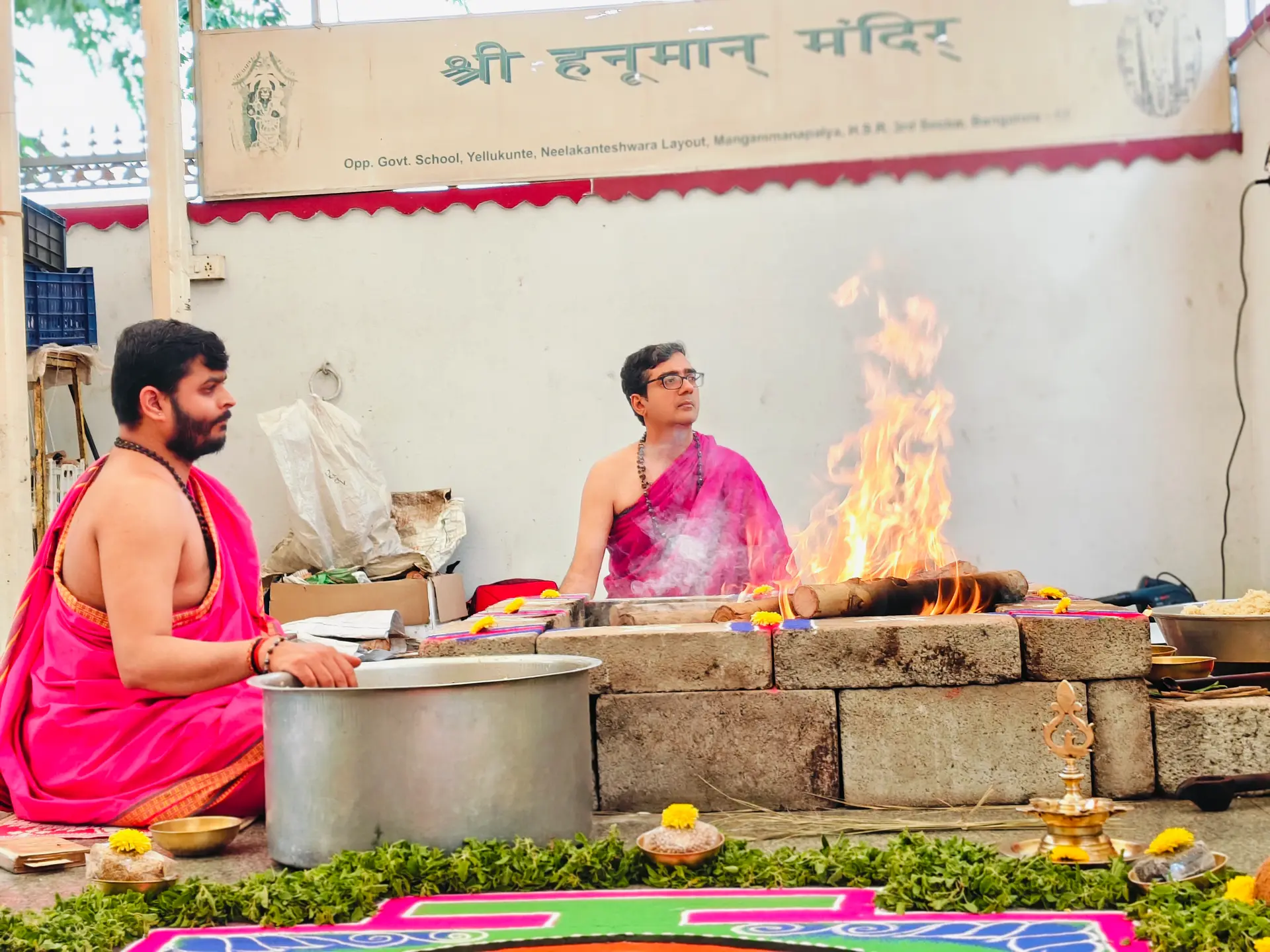
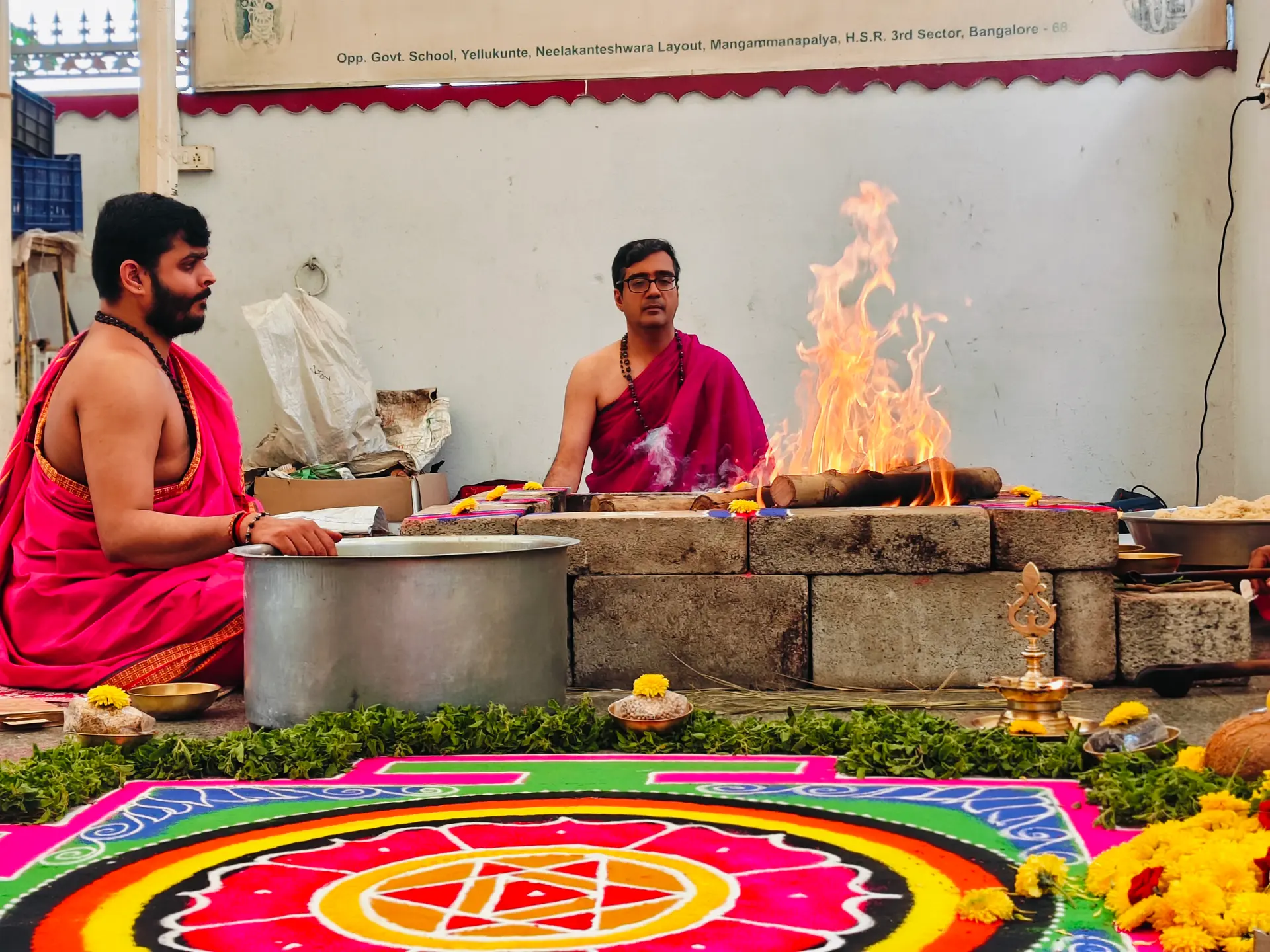
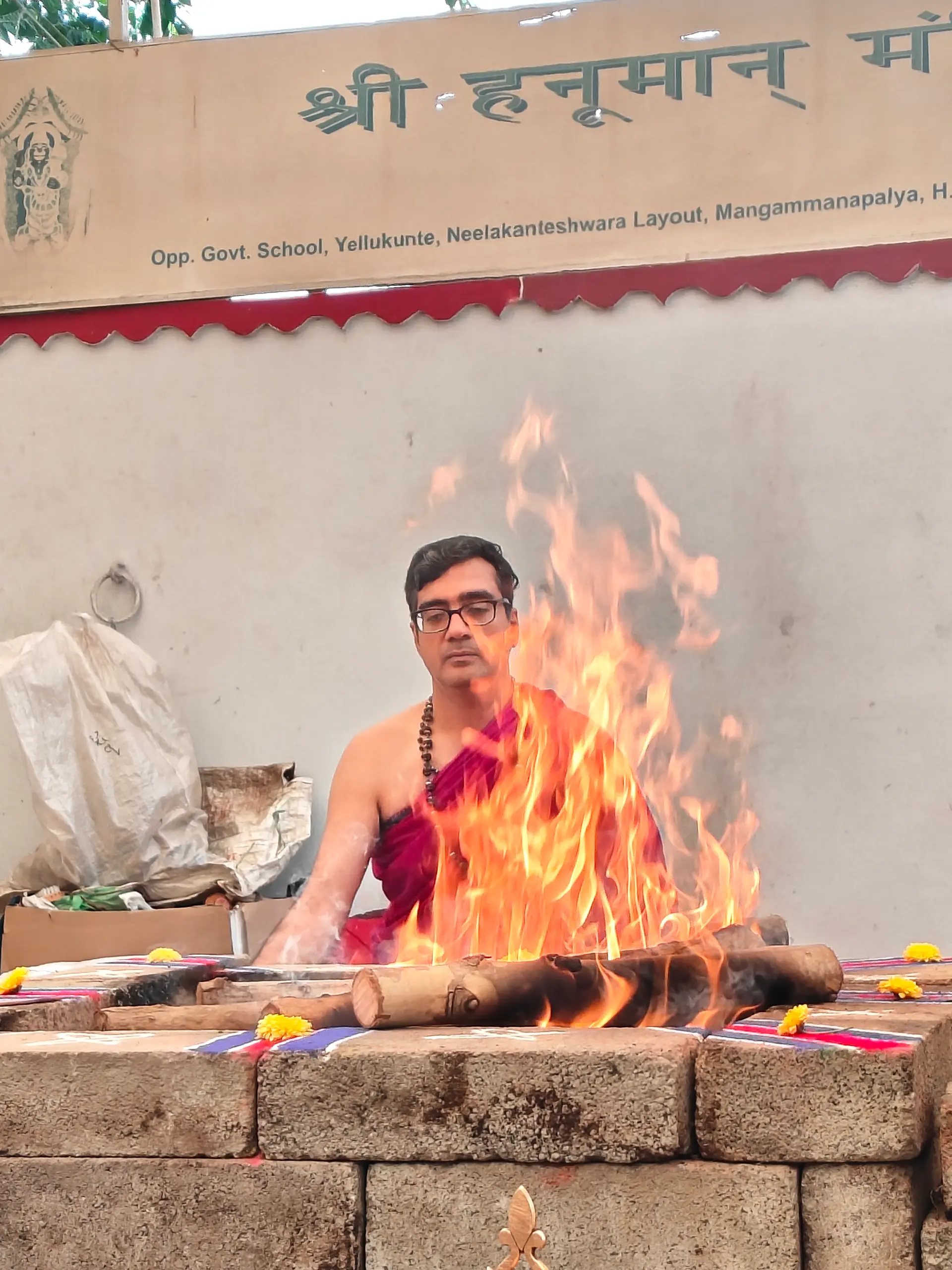
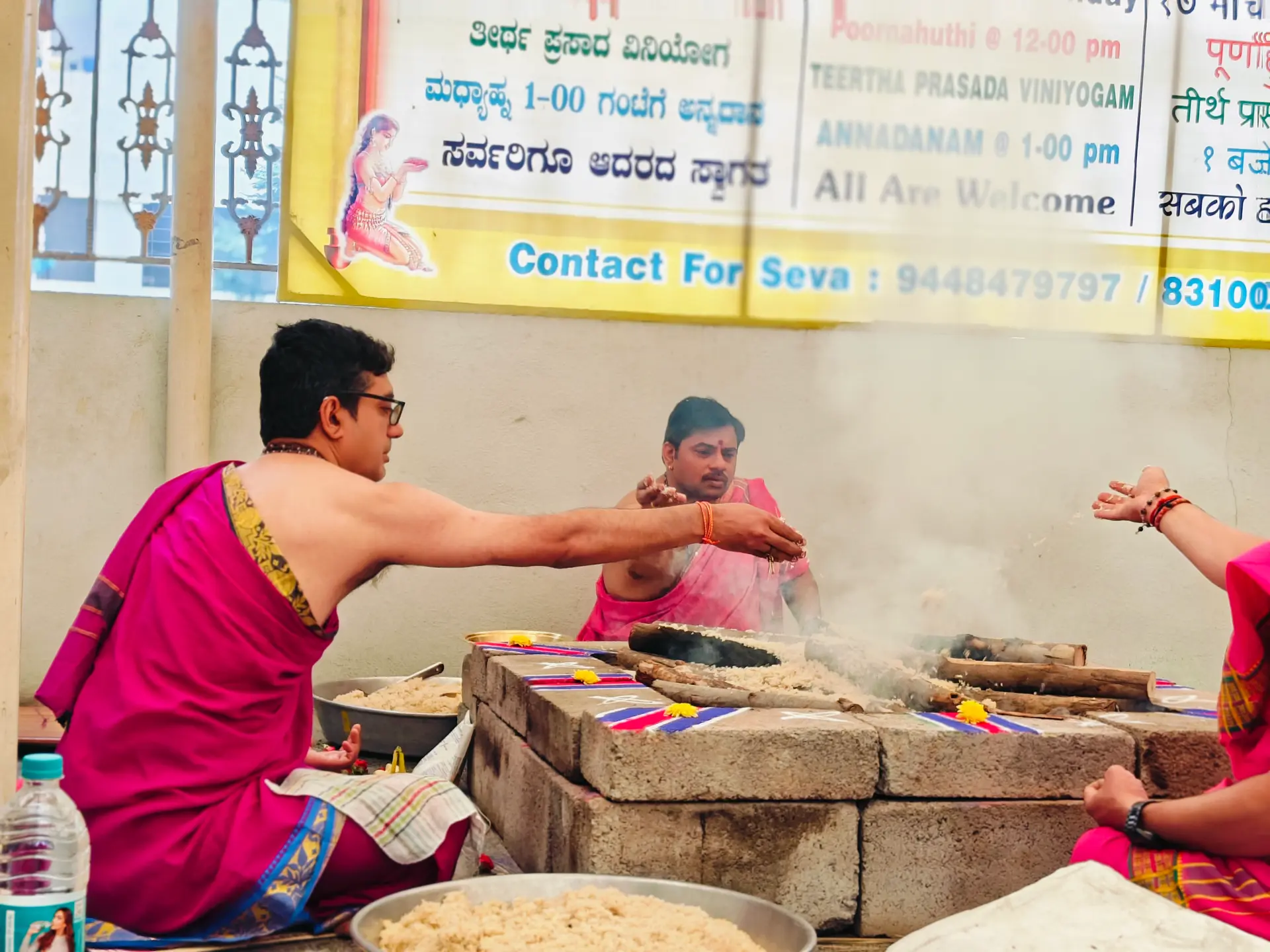
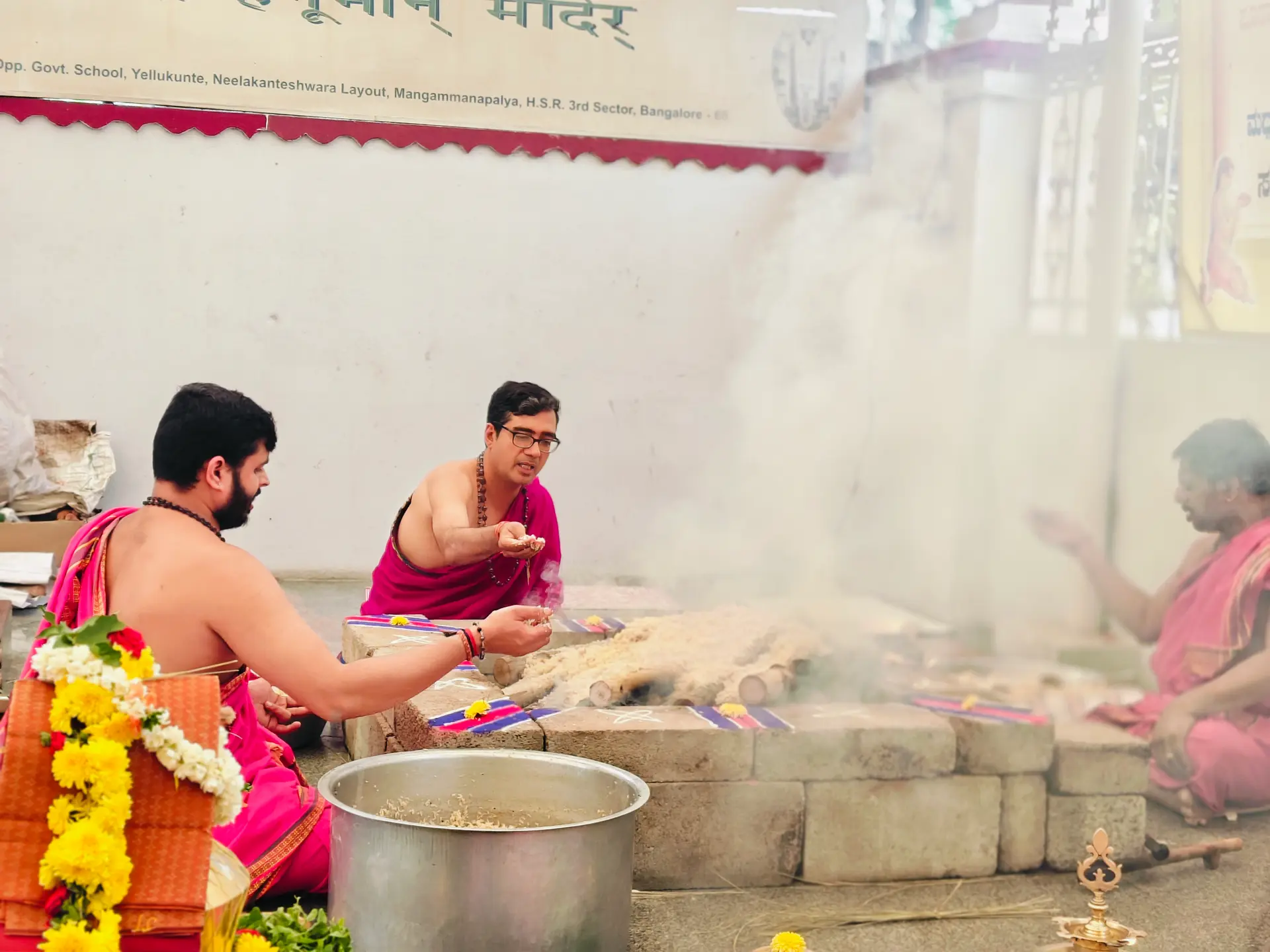
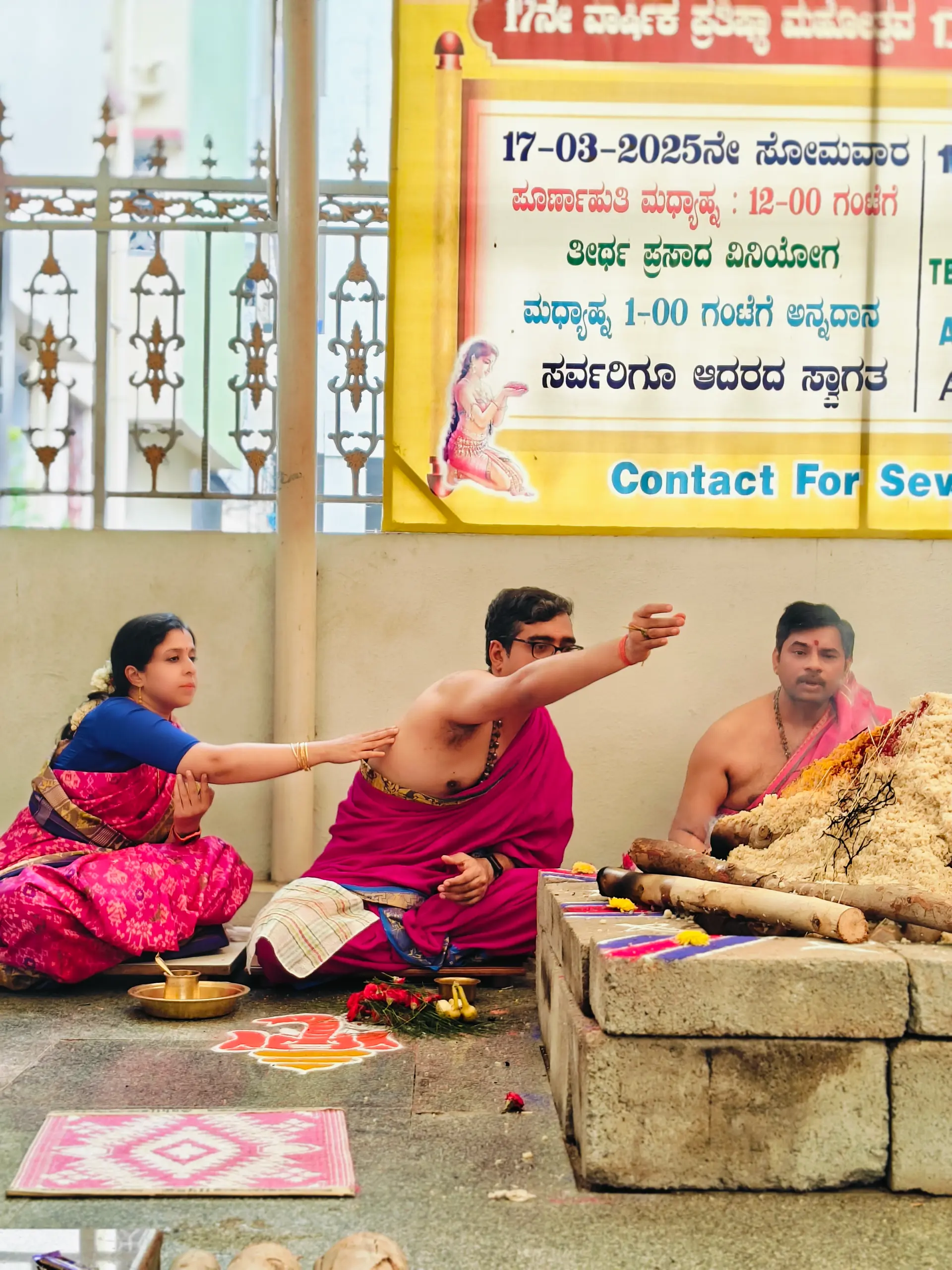
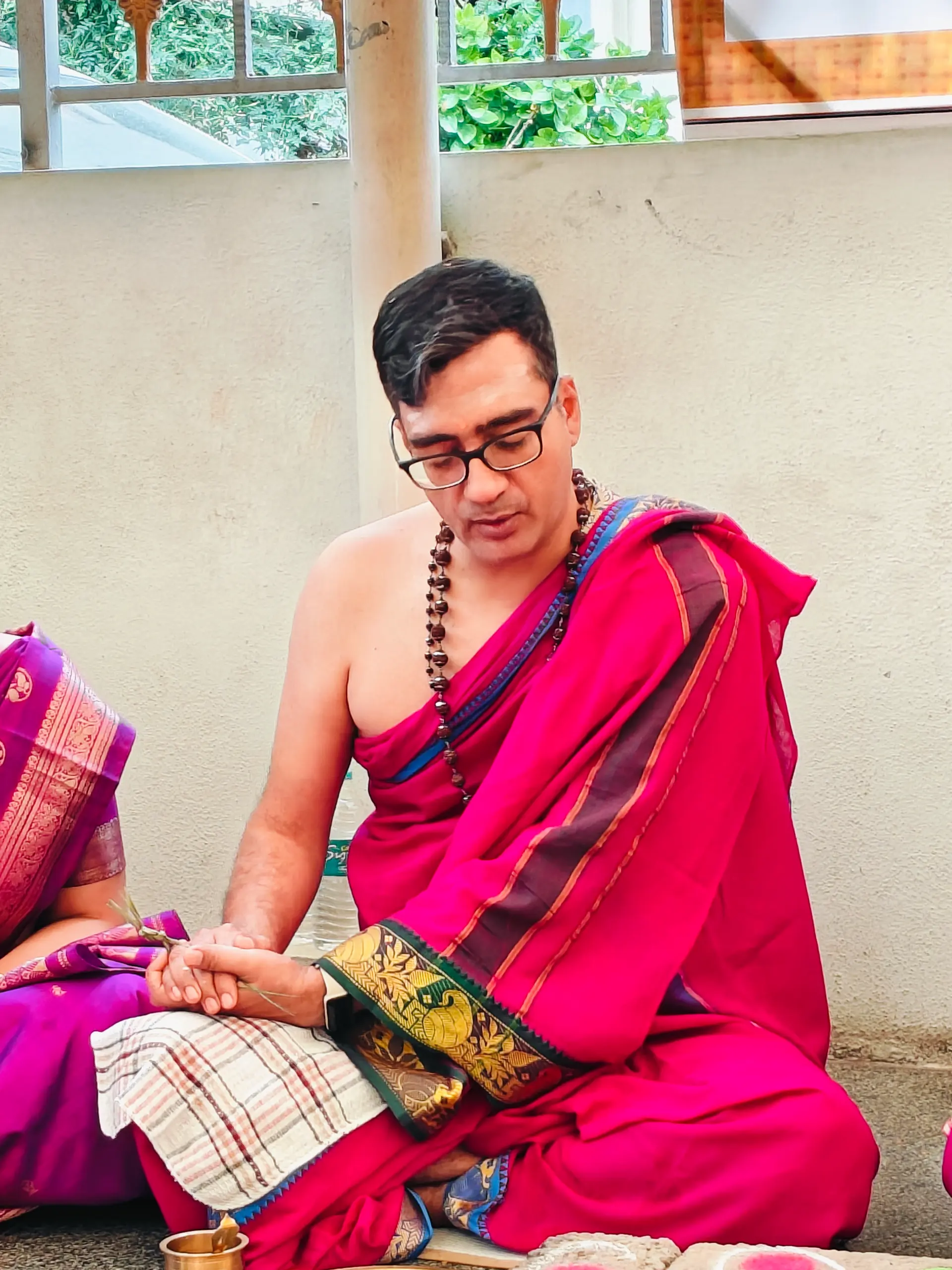
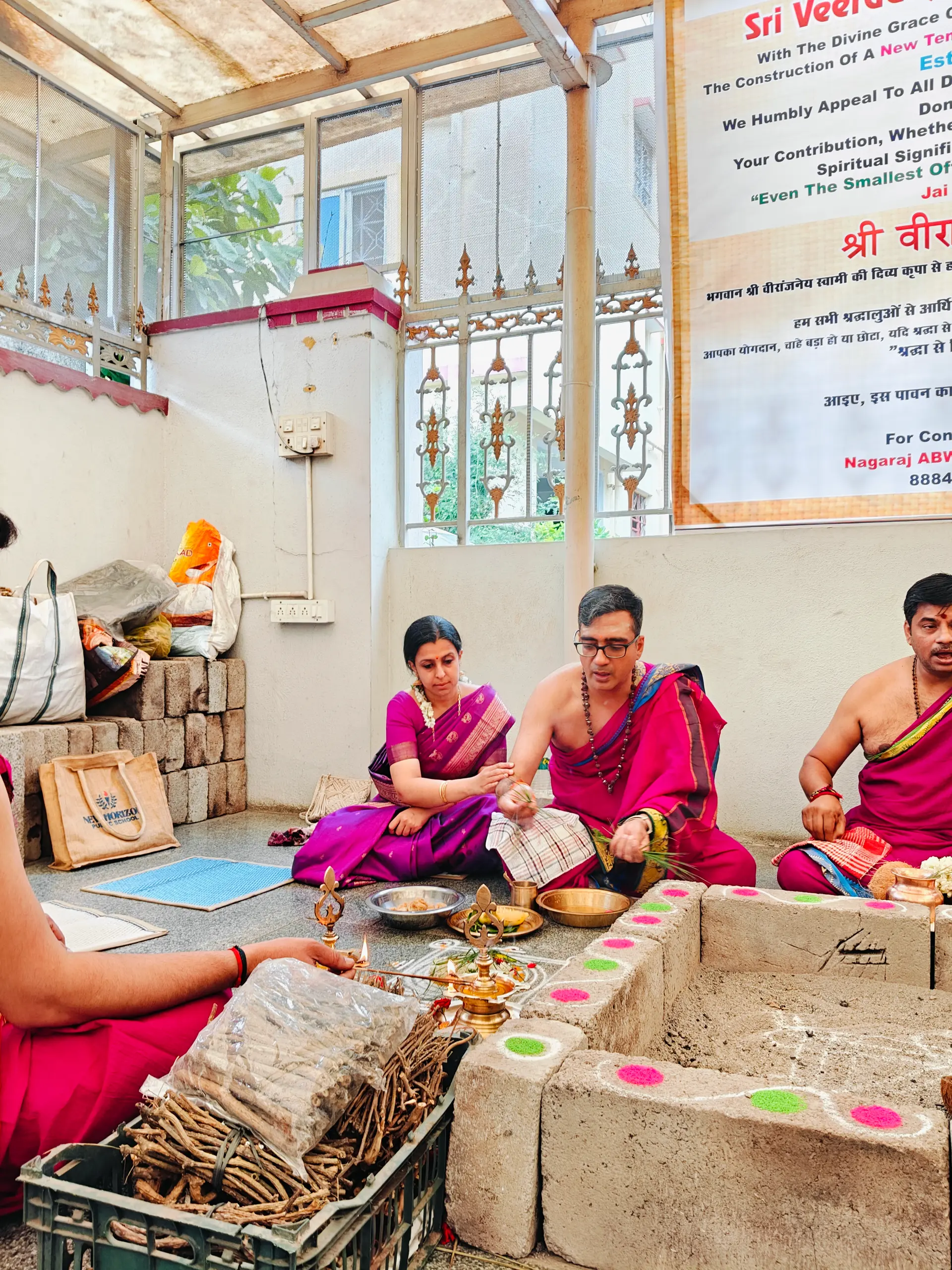
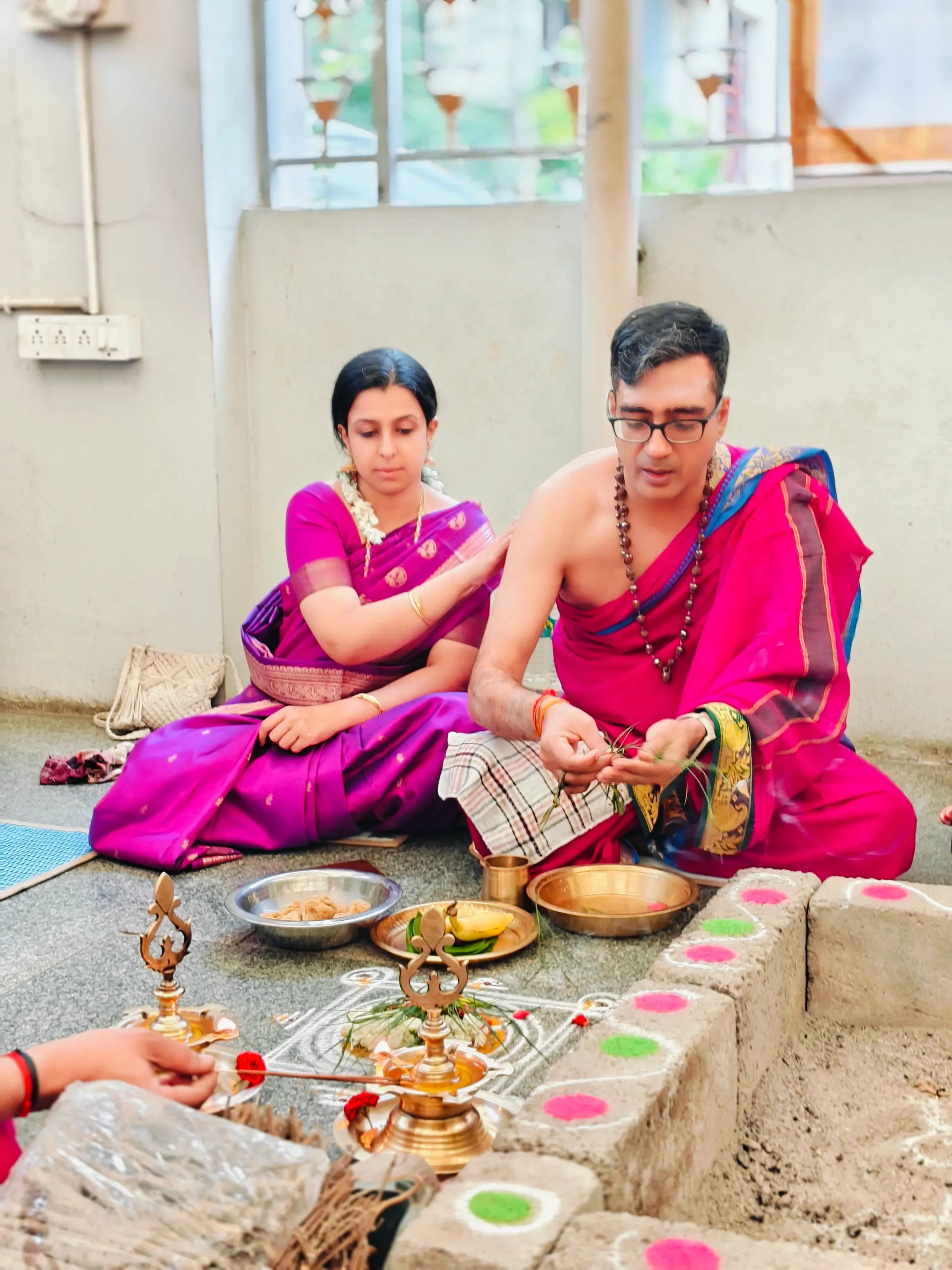
During homas the presence of the deity is invoked in the sacrificial fire. Oblations are poured into it chanting the mantras of the deity. Homas purify the spiritual atmosphere, generate positive energy, and bestow well being and prosperity to the participants.